
Creating a functional and attractive landscape on a budget often feels like a daunting task, especially when dealing with sloped terrain that requires structural support. Shipping pallets offer a brilliant, eco-friendly solution for homeowners looking to build custom retaining walls without the high cost of masonry or professional contractors. These versatile wooden structures can be reclaimed and transformed into sturdy barriers that prevent soil erosion while adding a rustic, charming aesthetic to any outdoor space. By utilizing pallets, you save money and contribute to sustainable living by keeping waste out of landfills. This guide explores creative ways to turn simple pallets into effective retaining walls that serve functional and decorative purposes in your garden.
1. Vertical Garden Pallet Wall
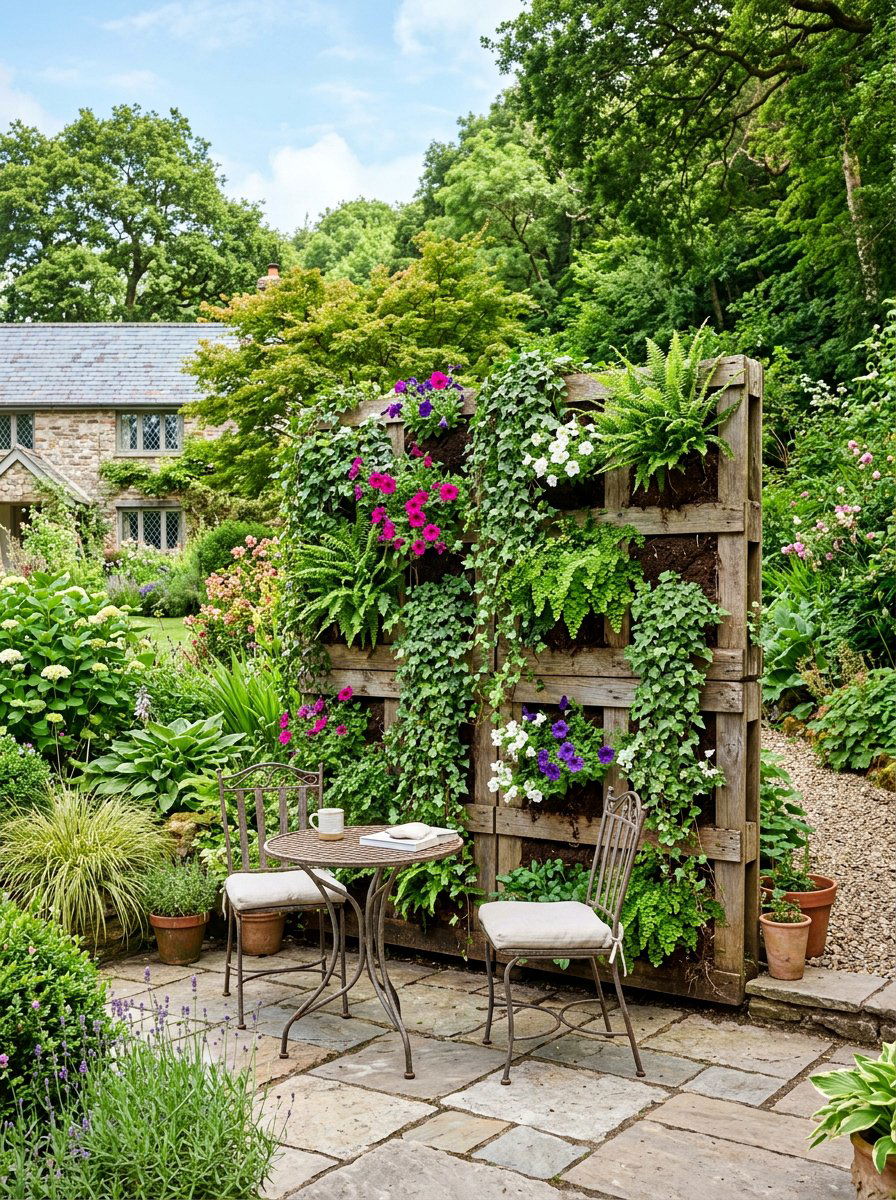
Integrating greenery directly into your landscape structure is a fantastic way to maximize space while managing a slope. A vertical garden pallet wall serves two purposes by holding back soil and providing numerous pockets for planting colorful annuals or cascading vines. To build this, you need to secure the pallet upright and line the interior with landscape fabric to keep the soil contained. This method creates a living tapestry that softens the look of the wood. It is particularly effective for small backyard areas where every square inch of planting space counts. Choosing drought-tolerant plants ensures the wall remains lush and vibrant throughout the summer months with minimal maintenance.
2. Stacked Pallet Soil Retainer
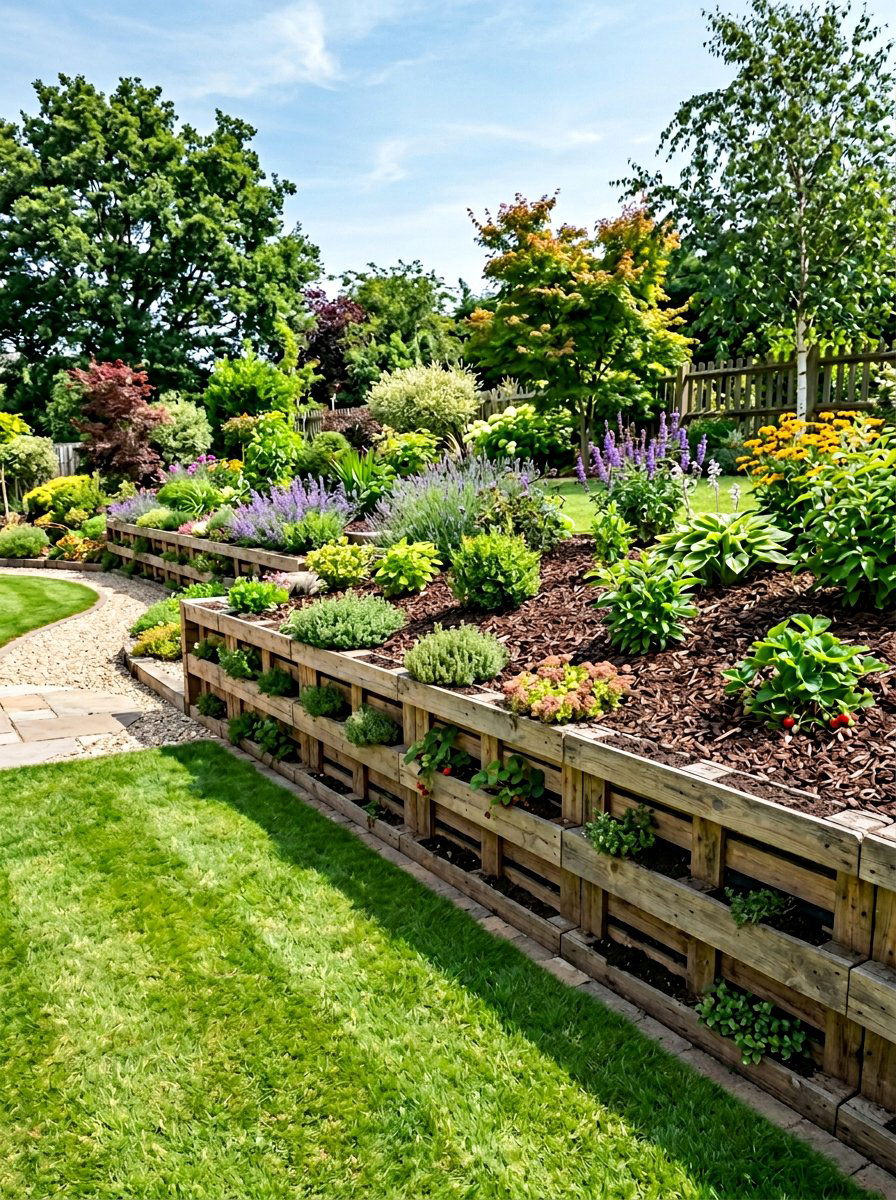
Stacking pallets horizontally is one of the most straightforward ways to create a functional barrier for a gentle garden slope. This method involves layering the pallets on top of each other and securing them with wooden stakes or metal poles driven deep into the ground. By filling the internal gaps with soil and compacting it, you create a heavy and stable structure that effectively prevents dirt from sliding down the hill. This approach is highly cost-effective and allows you to cover large areas of your backyard quickly. It provides a clean, tiered look that works perfectly for organizing different planting zones or creating flat surfaces for your outdoor decor.
3. Gravel Filled Wood Pallet Barrier
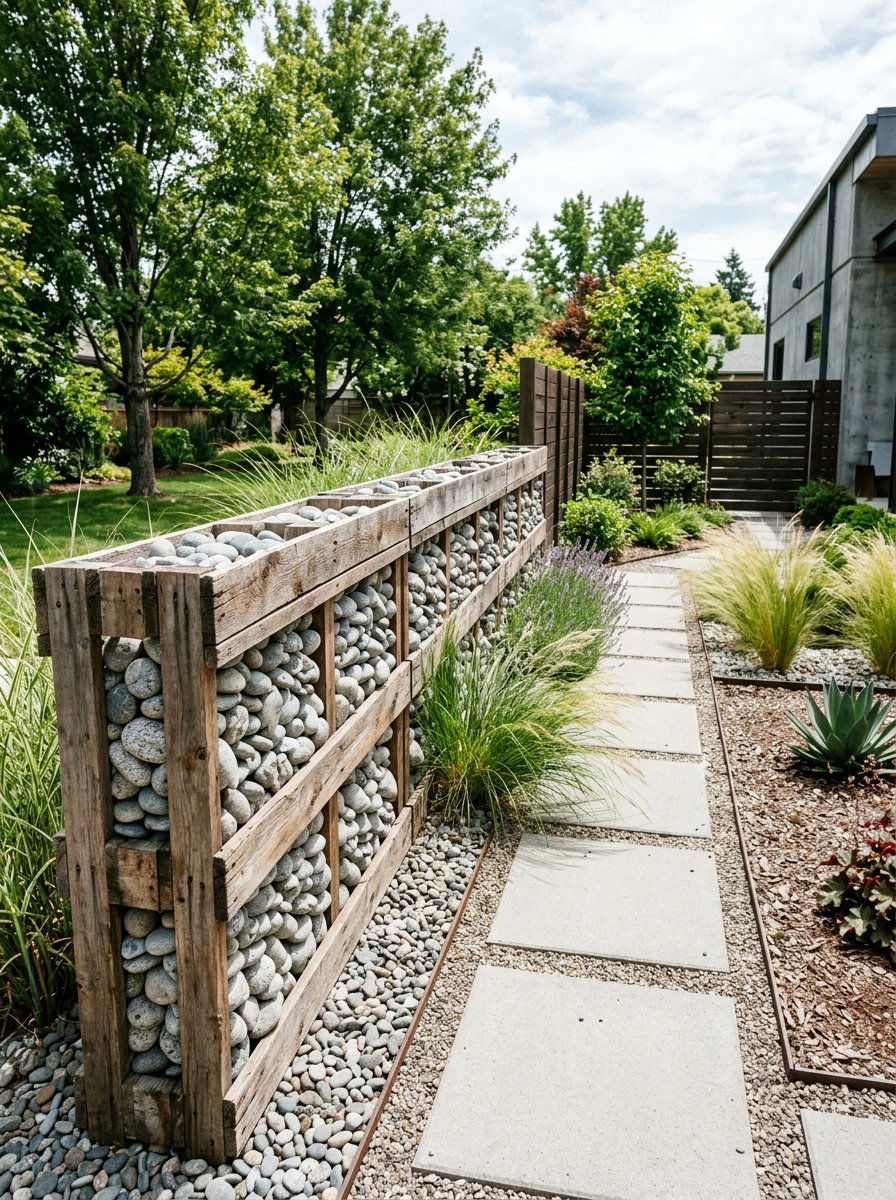
Using gravel inside your pallet structure provides excellent drainage while adding significant weight to the wall for better stability. You can place the pallets upright or flat, then fill the internal cavities with decorative pea gravel or crushed stone. This technique prevents water from pooling behind the wall, which is a common cause of structural failure in traditional retaining systems. The contrast between the natural wood grain and the grey or tan stones creates a modern, industrial aesthetic that looks great in contemporary gardens. It is a durable solution that handles heavy rainfall well while keeping your backyard landscape looking tidy and very professionally finished.
4. Herb Garden Retaining Wall
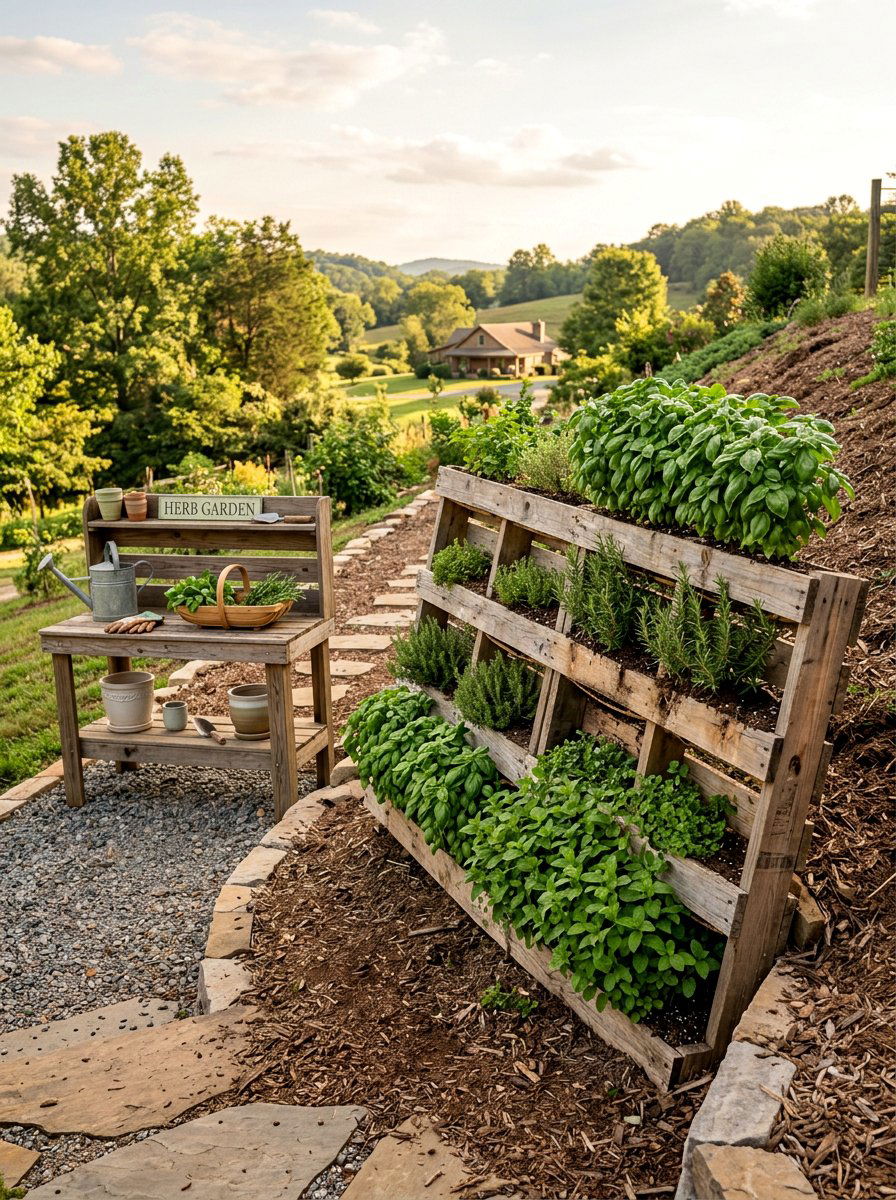
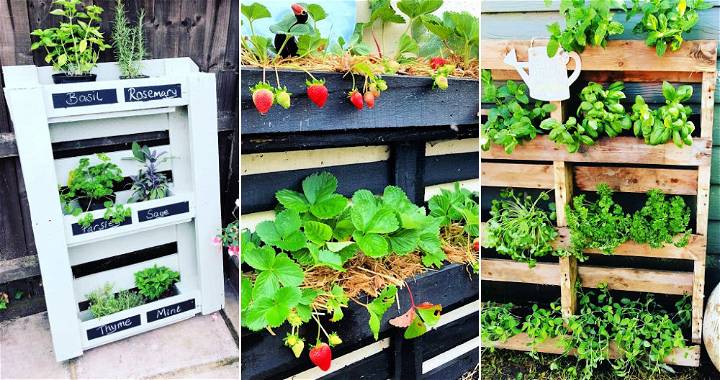
Why not turn your structural landscape features into a productive food source by building a dedicated herb garden retaining wall? By mounting pallets against a sloped area, you create accessible tiers that are perfect for growing rosemary, thyme, basil, and mint. This setup keeps your herbs off the ground and away from some pests while making harvesting much easier for the home cook. The vertical nature of the pallets allows for excellent air circulation around the plants, which helps prevent mold and disease. It is a functional way to manage a slope while ensuring your kitchen is always stocked with fresh, aromatic homegrown ingredients.
5. Painted Wood Pallet Fence
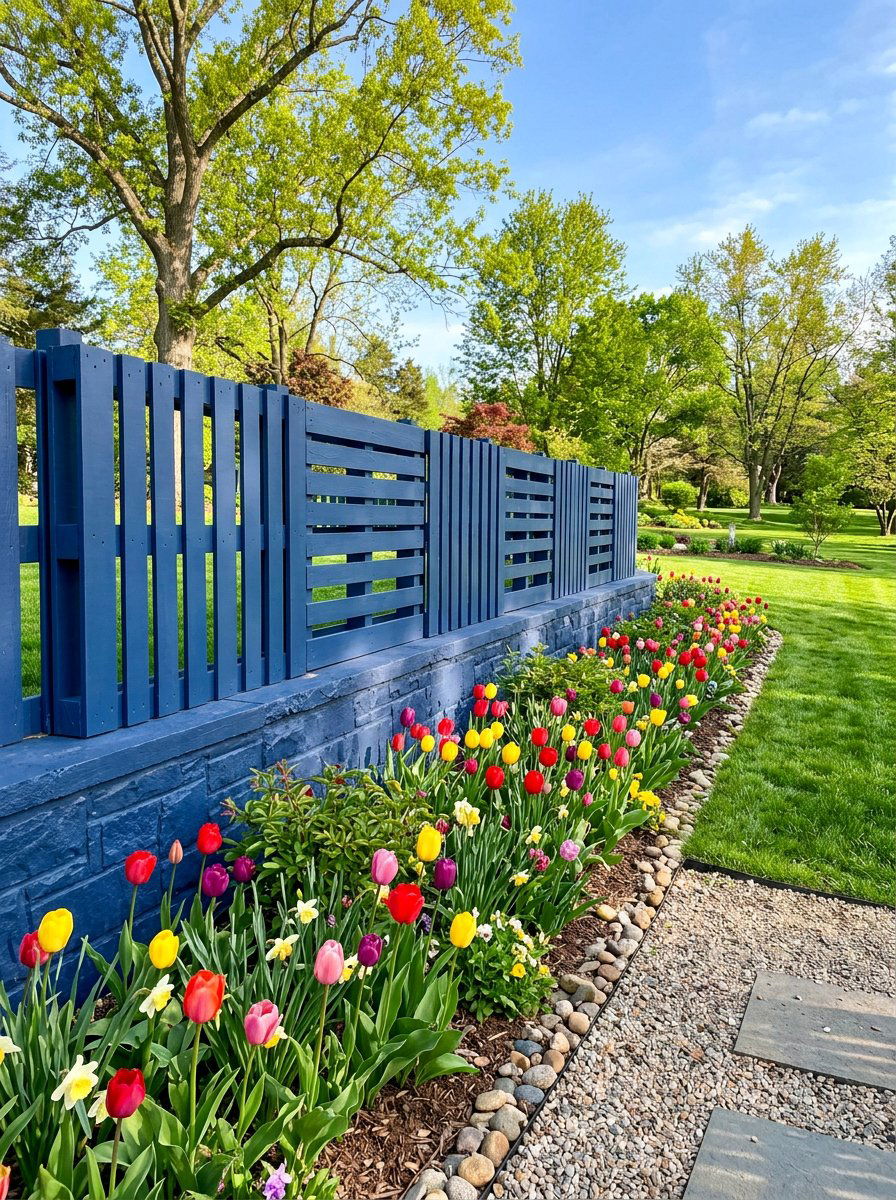
Giving your reclaimed wood a fresh coat of paint can instantly transform a basic retaining structure into a vibrant garden focal point. You can choose a bold color like navy blue or deep forest green to make the wall pop against your lawn and flowers. Painting the wood also provides an extra layer of protection against the elements, extending the lifespan of the pallets significantly. This approach allows you to match the retaining wall to your existing home exterior or garden furniture for a cohesive look. It is a simple DIY project that adds personality and style to an otherwise purely functional part of your backyard.
6. Terraced Garden Pallet Structure
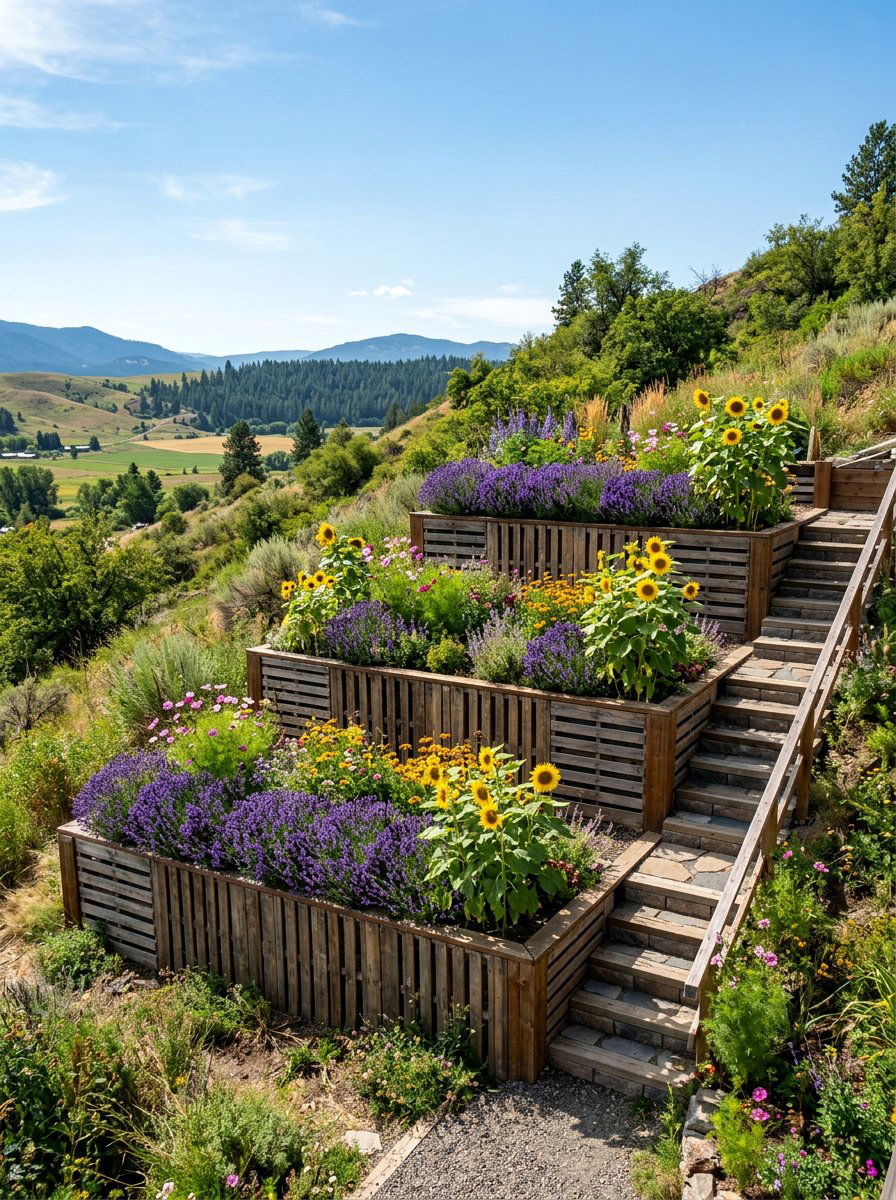
Creating multiple levels on a steep hill is much easier when you use pallets to build a series of terraced planting beds. Each pallet acts as a front face for a step, allowing you to create flat "shelves" of earth where you can grow vegetables or flowers. This design breaks up the visual mass of a large slope and makes the area much more accessible for gardening tasks. By staggering the pallets at different heights, you create a dynamic landscape that draws the eye upward. It is a highly efficient way to turn a difficult, unusable hillside into a productive and beautiful part of your home.
7. Rebar Reinforced Pallet Wall
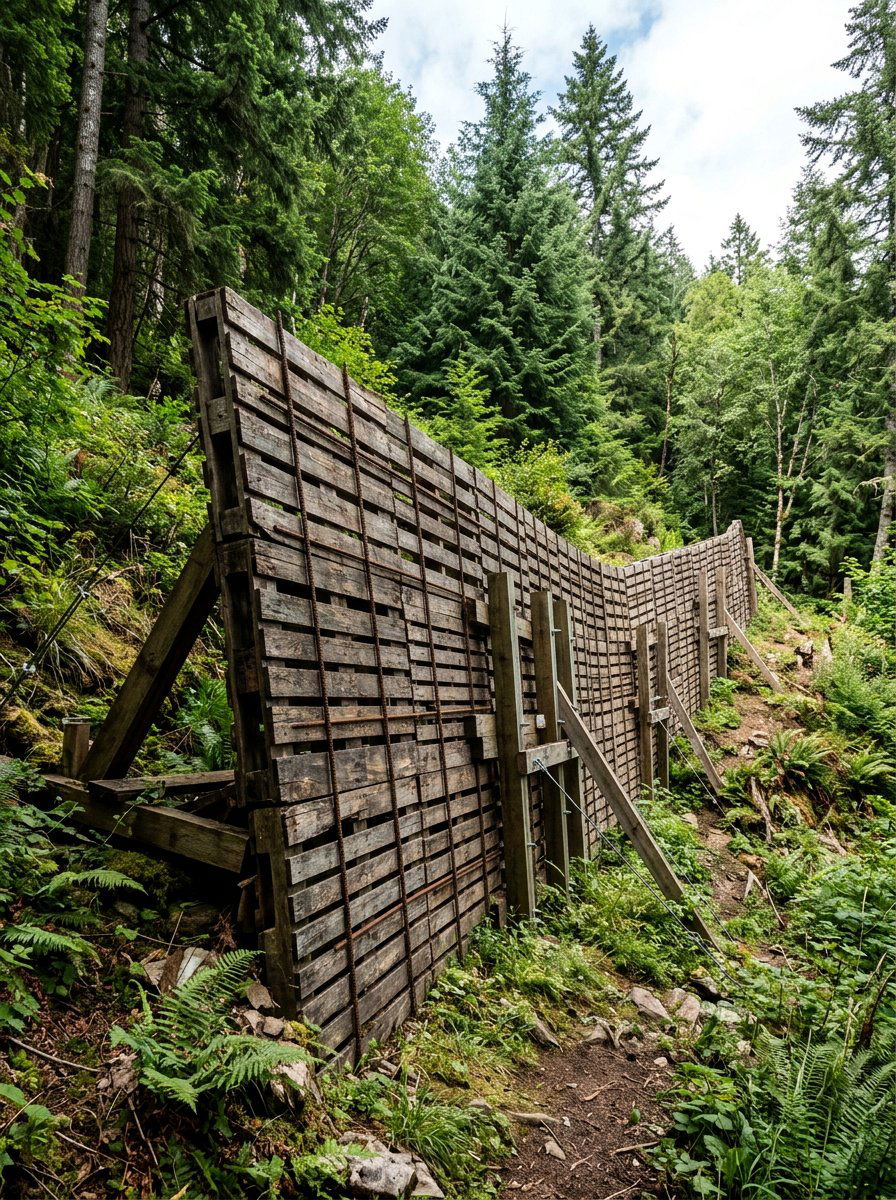
For slopes that require extra strength, reinforcing your pallet wall with steel rebar is a smart and necessary structural upgrade. You can drive long pieces of rebar through the pallet frames and deep into the solid earth below to prevent the wall from leaning over time. This method ensures that the weight of the wet soil behind the wall does not push the structure out of alignment. It is a vital step for any wall over two feet high to ensure safety and longevity. Once the rebar is installed, it is hidden within the wood, maintaining the clean and natural look of your beautiful rustic garden barrier.
8. Rustic Shipping Pallet Barrier
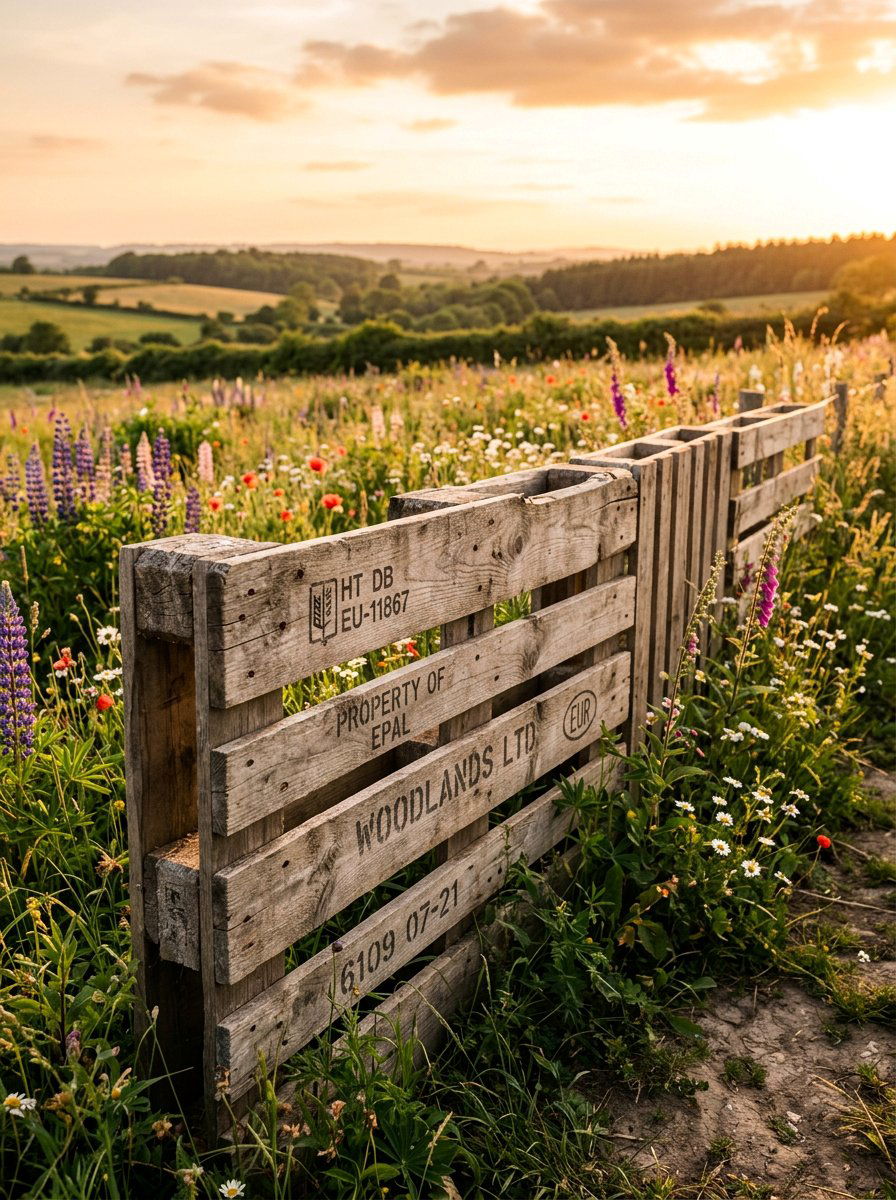
Embrace the raw and industrial look of reclaimed shipping wood by leaving your pallets in their natural, weathered state for a rustic wall. This style works perfectly in country gardens or farmhouse-inspired landscapes where a "perfect" look is not the primary goal. The varying wood tones and occasional stamps or markings on the pallets add character and a sense of history to your yard. To ensure durability, you should still apply a clear waterproof sealant to prevent the wood from rotting too quickly. This low-fuss approach celebrates the beauty of recycled materials while providing a sturdy and reliable solution for managing soil erosion on your property.
9. Succulent Planter Pallet Wall
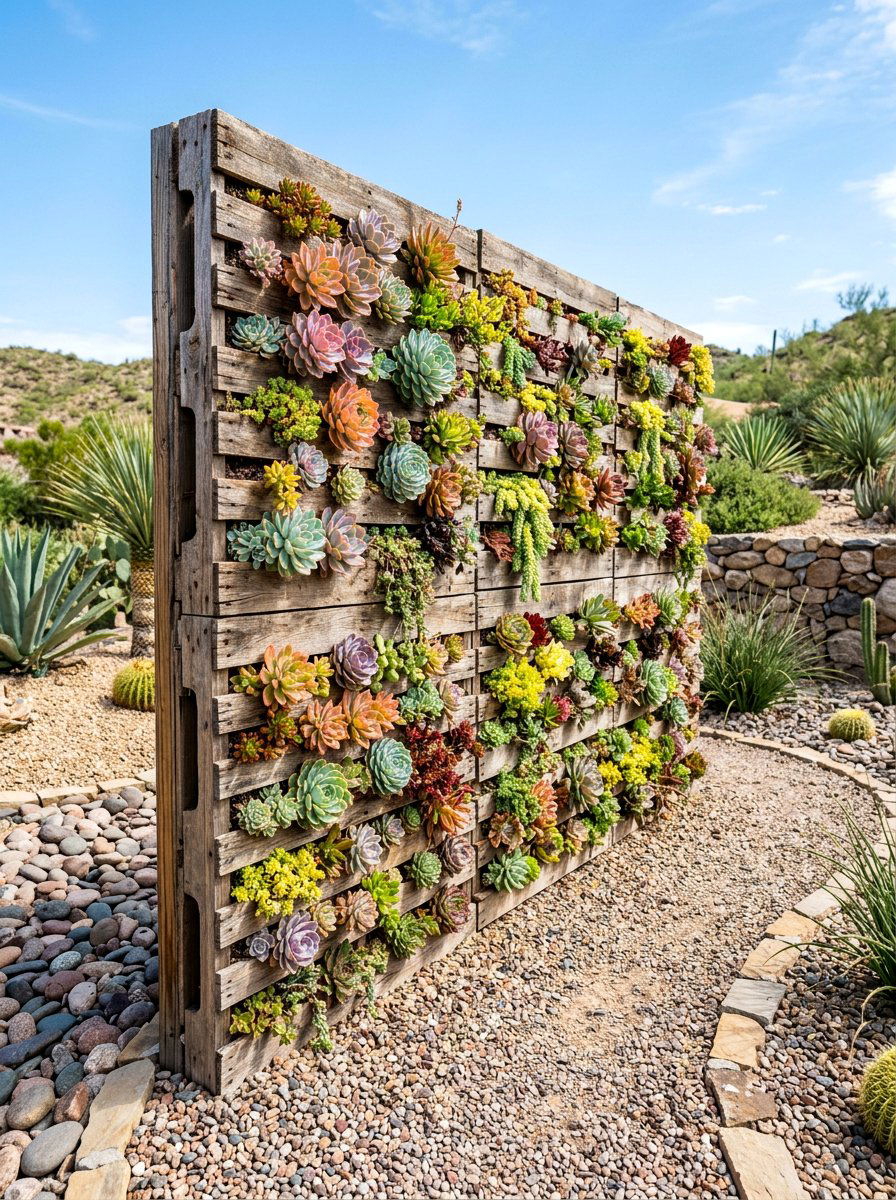
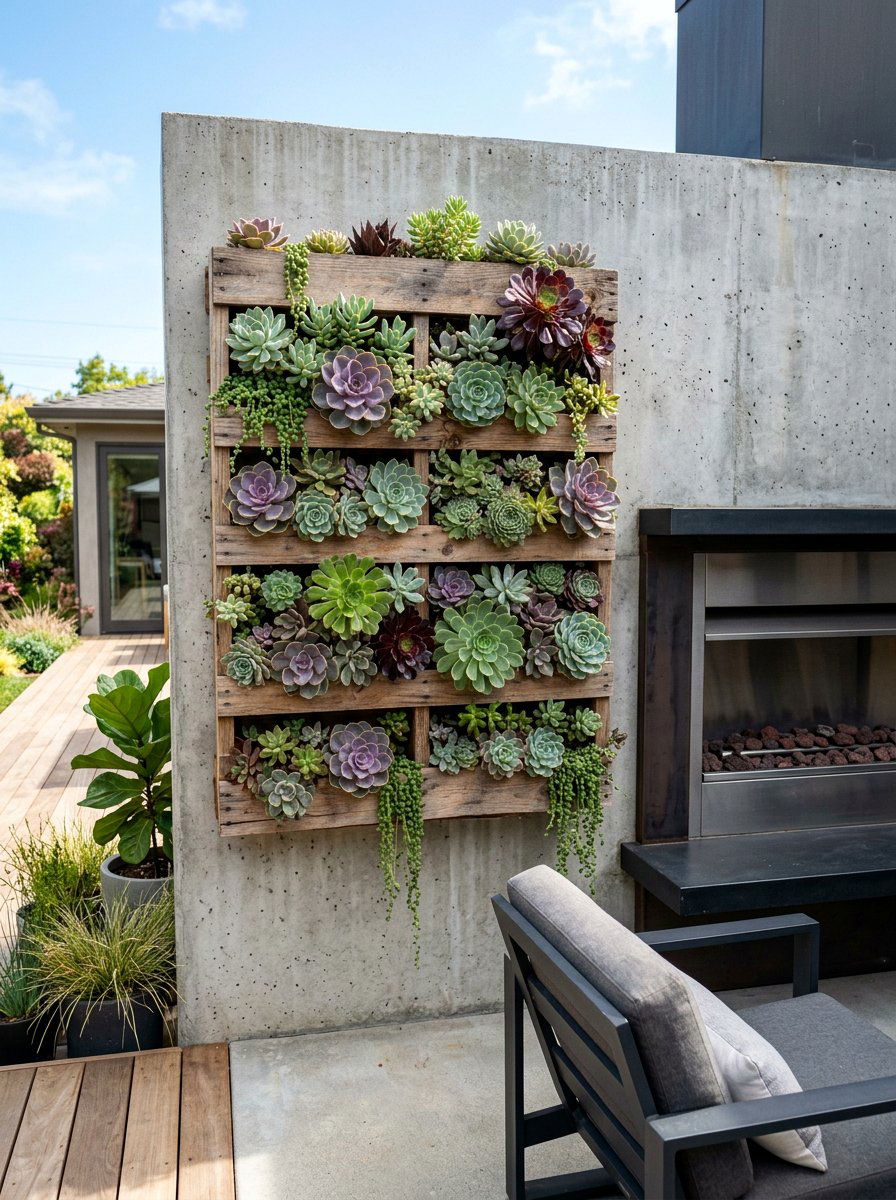
Succulents are ideal for pallet walls because they require very little soil depth and can thrive in the small gaps between the slats. By tilting your pallets slightly back against a slope, you create a perfect environment for varieties like hens and chicks or echeveria. These plants add incredible texture and color variety to the wooden surface, turning a plain retaining wall into a living piece of art. The low water requirements of succulents make this a sustainable choice for dry climates or sunny spots in the yard. It is a visually stunning way to stabilize a hillside while showcasing a diverse and beautiful plant collection.
10. Heavy Duty Double Pallet Wall
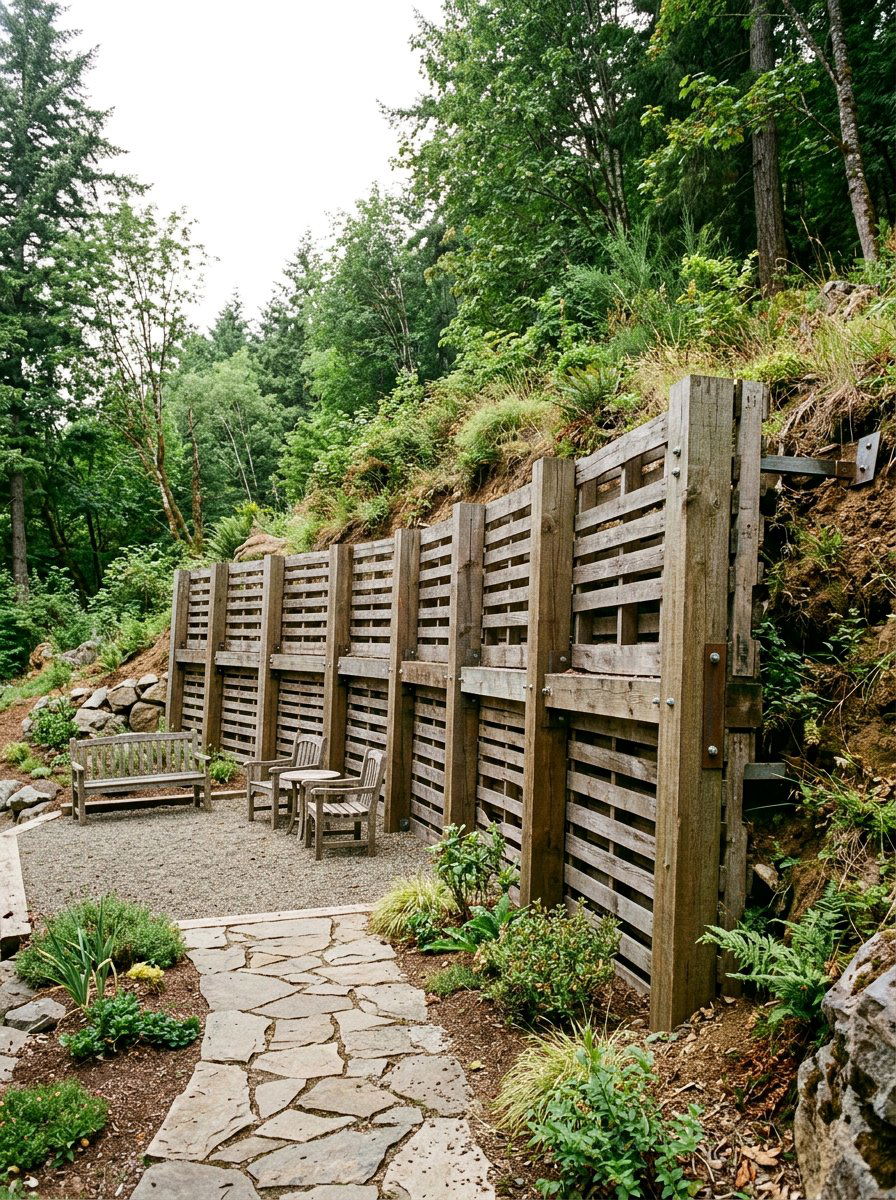
When you need to retain a significant amount of soil, a double-thick pallet wall provides the necessary depth and weight for the job. This involves placing two rows of pallets front-to-back and bolting them together to create a wide, sturdy frame. The space between the two pallets can be filled with heavy rocks or compacted earth to act as a gravity wall. This construction is much more resistant to the pressure of the earth behind it than a single-layer wall. It creates a thick, substantial boundary that looks impressive and feels very permanent, giving you peace of mind that your landscaping will stay perfectly in place.
11. Decorative Flower Pallet Retainer
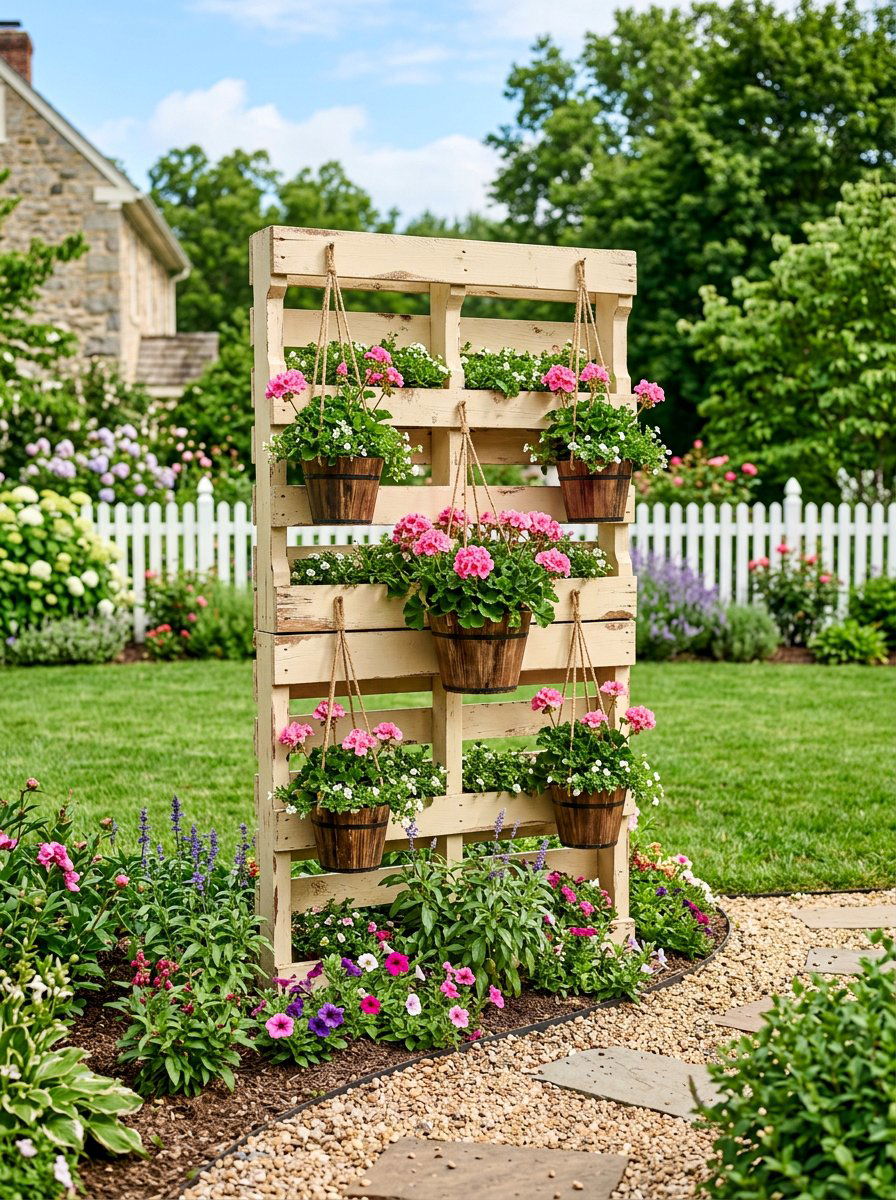
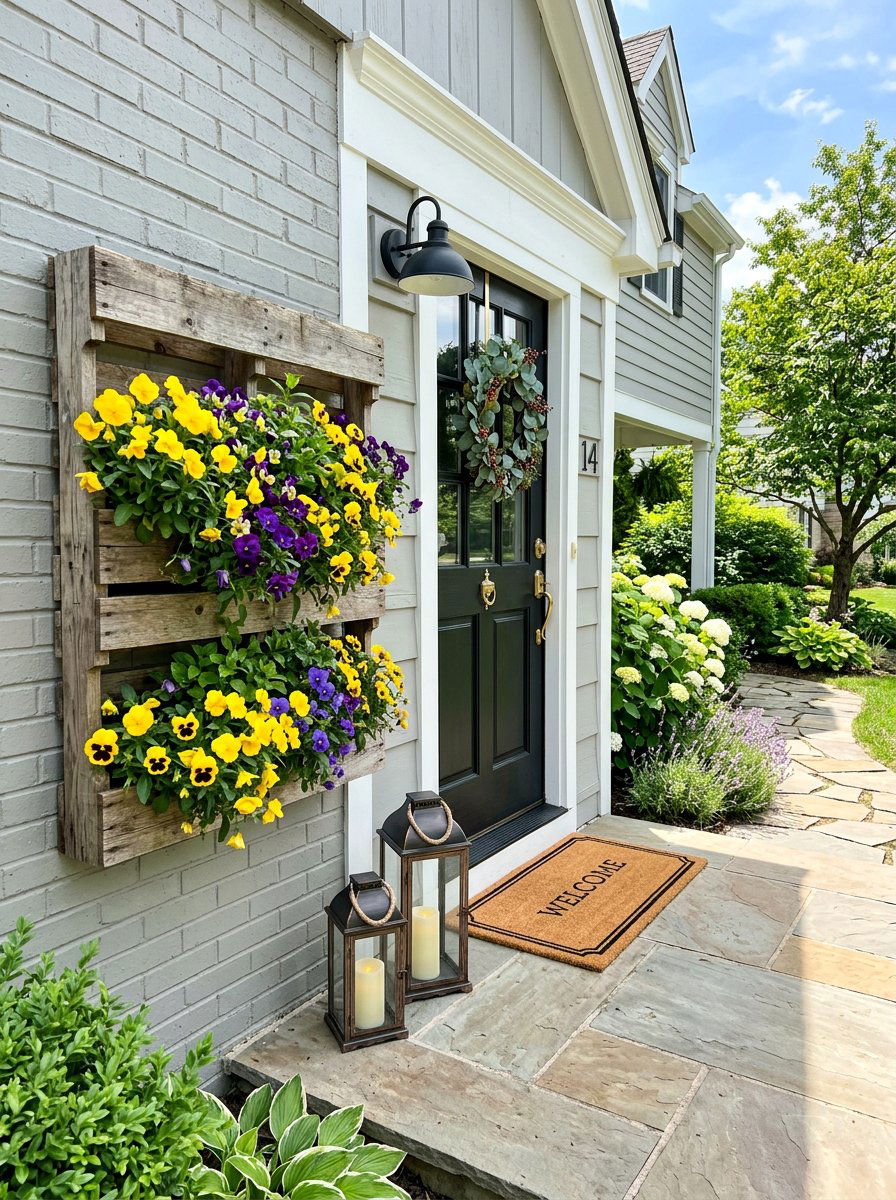
Transform a simple backyard slope into a blooming masterpiece by using pallets as the foundation for a tiered flower display. By adding small wooden ledges or brackets to the pallet slats, you can hang individual pots or long flower boxes filled with trailing blossoms. This setup allows you to change your floral display with the seasons, keeping the garden fresh and exciting all year round. The pallets provide a neutral, textured backdrop that makes the colors of your petunias or geraniums truly stand out. It is a wonderful way to combine structural garden needs with a passion for growing beautiful and fragrant ornamental flowers.
12. Low Profile Pallet Edging
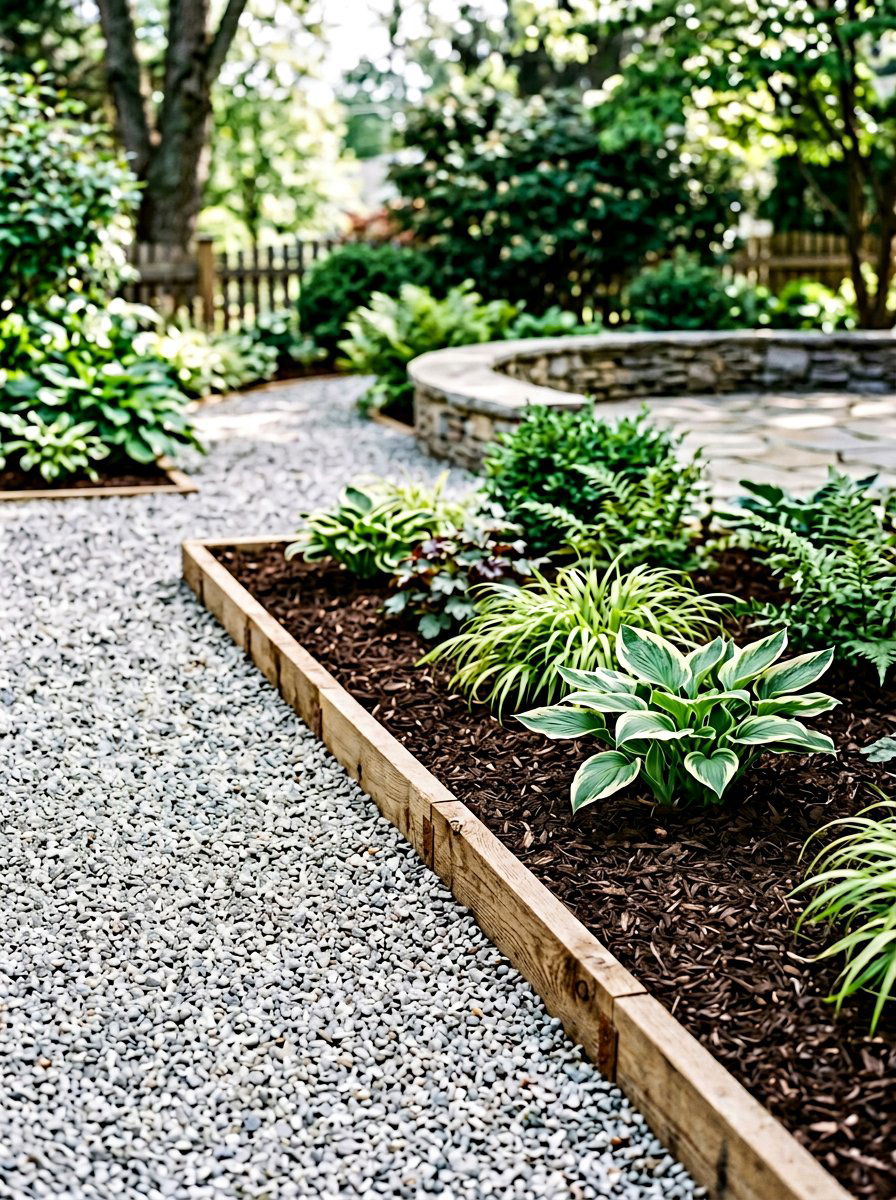
Not every retaining wall needs to be tall; sometimes a low-profile pallet edge is all you need to define a garden bed. By cutting pallets in half and burying the bottom portion, you create a neat and tidy border that keeps mulch and soil from washing onto your paths. This creates a very clean line between your planting areas and your walkways, making the entire garden look more organized. It is a quick and easy project that uses fewer materials but still provides the same rustic charm as a full-sized wall. This edging is perfect for flat yards that only have minor elevation changes between different zones.
13. Backyard Slope Pallet Solution
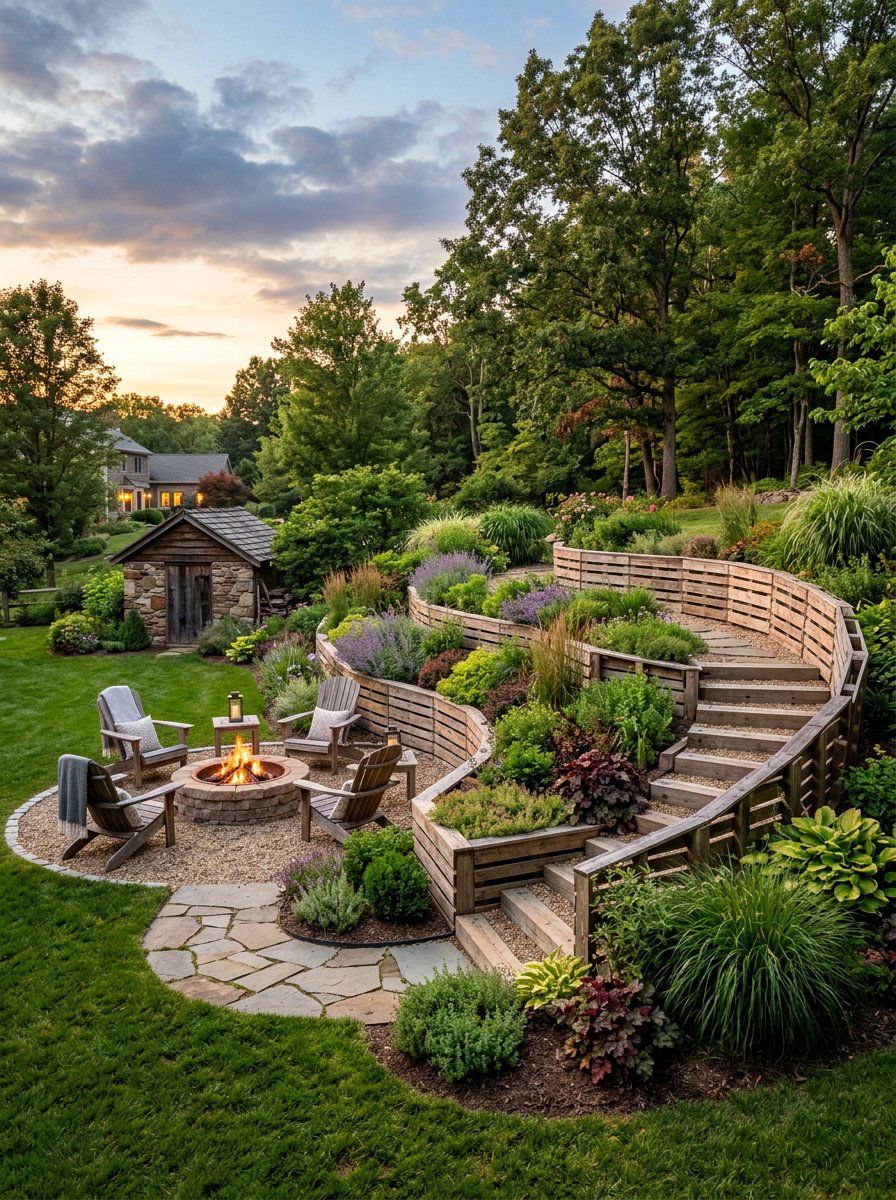
Managing a steep backyard slope can be a challenge, but pallets offer a modular solution that can be adapted to any angle. You can install the pallets in a zig-zag pattern or a curved line to follow the natural contours of your land. This flexibility makes pallets much easier to work with than rigid concrete blocks or long timber beams. By anchoring each section securely, you create a custom-fit barrier that looks like it was designed specifically for your unique yard. This method effectively stops soil runoff and creates a much more usable space for seating areas, play zones, or additional garden beds for your family.
14. Reclaimed Wood Retaining Wall
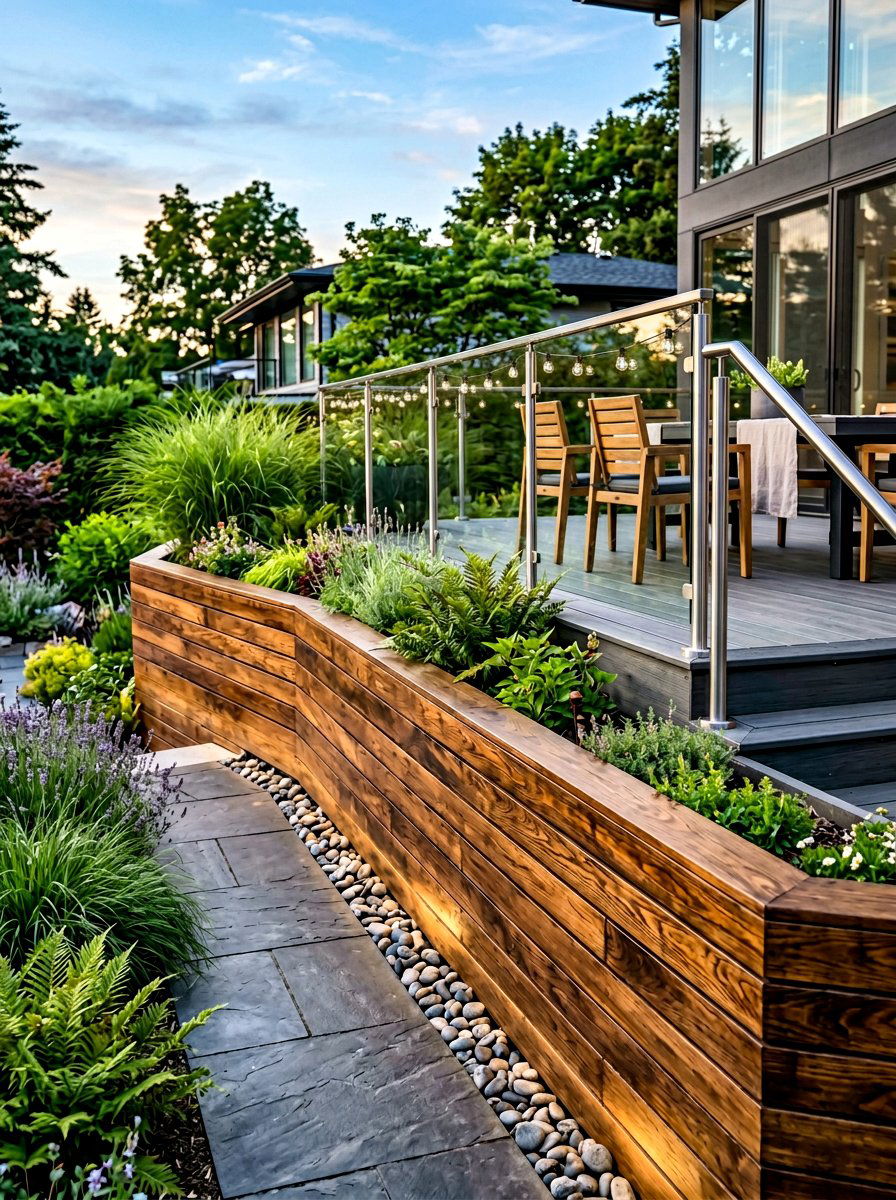
If you prefer a more refined look, you can disassemble your pallets and use the individual planks to build a custom reclaimed wood wall. This allows you to space the boards closely together for a solid surface or leave small gaps for a more airy feel. By using the planks horizontally, you can mimic the look of expensive hardwood retaining walls at a fraction of the cost. Sanding the boards and applying a high-quality stain will bring out the natural beauty of the wood grain. This approach gives you total control over the height and length of the wall, ensuring a perfect fit for your specific landscaping project.
15. Raised Bed Pallet Wall
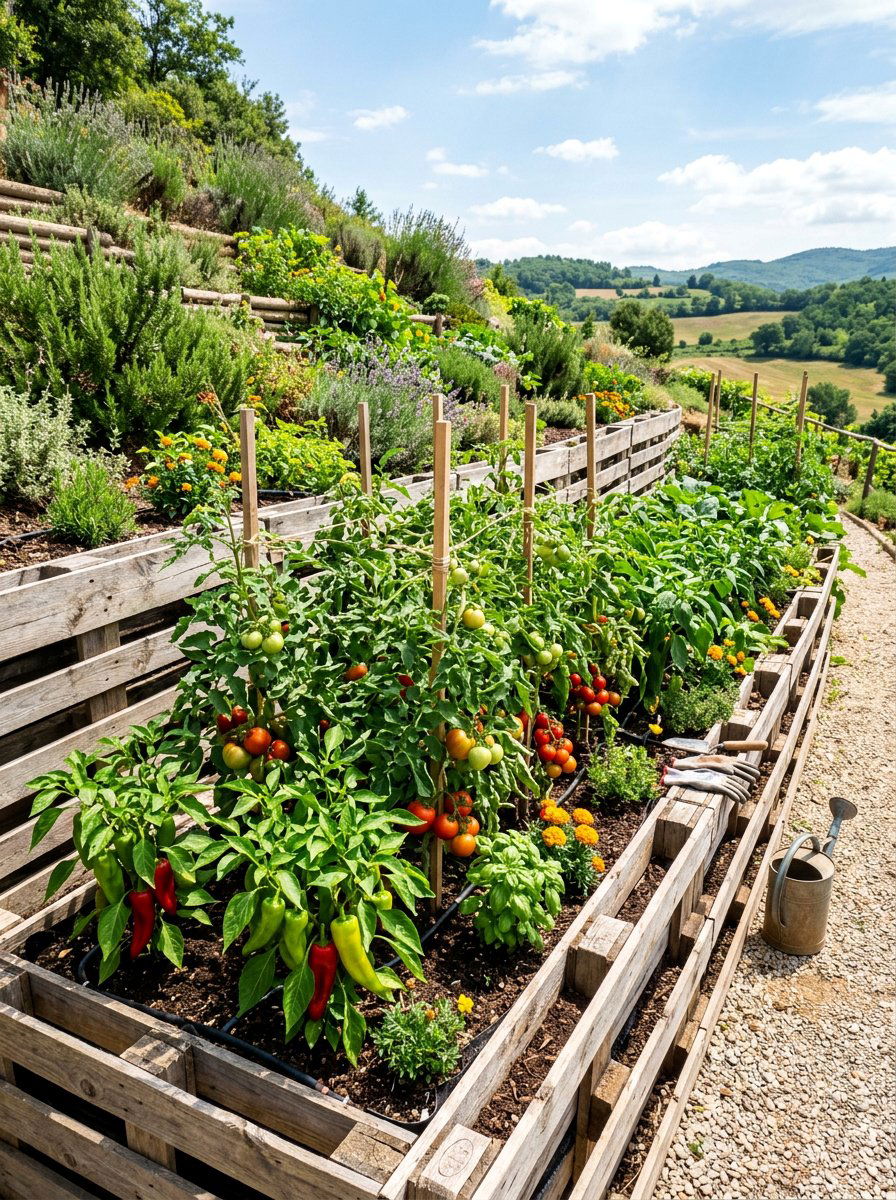
Combining a retaining wall with a raised garden bed is a brilliant way to maximize the functionality of a sloped backyard area. The pallet wall acts as the back support for the bed, holding back the hillside while creating a contained space for high-quality garden soil. This setup allows you to grow vegetables or flowers at a comfortable waist-high level, reducing the need for bending and kneeling. It also provides superior drainage and soil temperature control, leading to healthier and more productive plants. This dual-purpose structure is a favorite among home gardeners who want to make the most of every inch of their available outdoor space.
16. Vegetable Patch Pallet Border
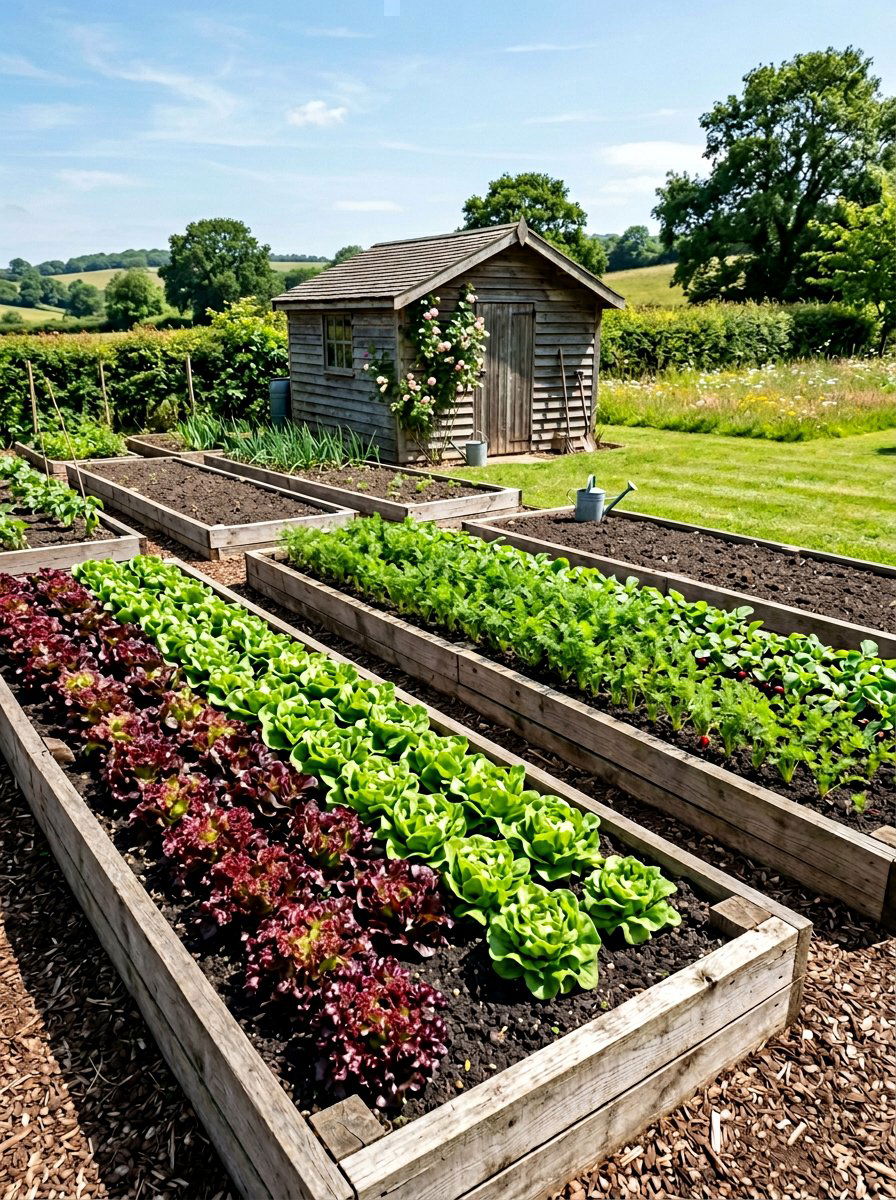
Protect your precious vegetable crops from soil erosion and encroaching grass by building a sturdy pallet border around your patch. The thick wooden slats of the pallets provide a physical barrier that keeps the nutrient-rich garden soil where it belongs. You can also use the top of the pallet wall as a handy place to rest your tools or sit while you are weeding. This organized approach to vegetable gardening makes the space look intentional and well-maintained. By using untreated pallets, you ensure that no harmful chemicals leach into the soil where your food is growing, keeping your homegrown produce safe and completely organic for your family.
17. Sloped Yard Pallet Steps
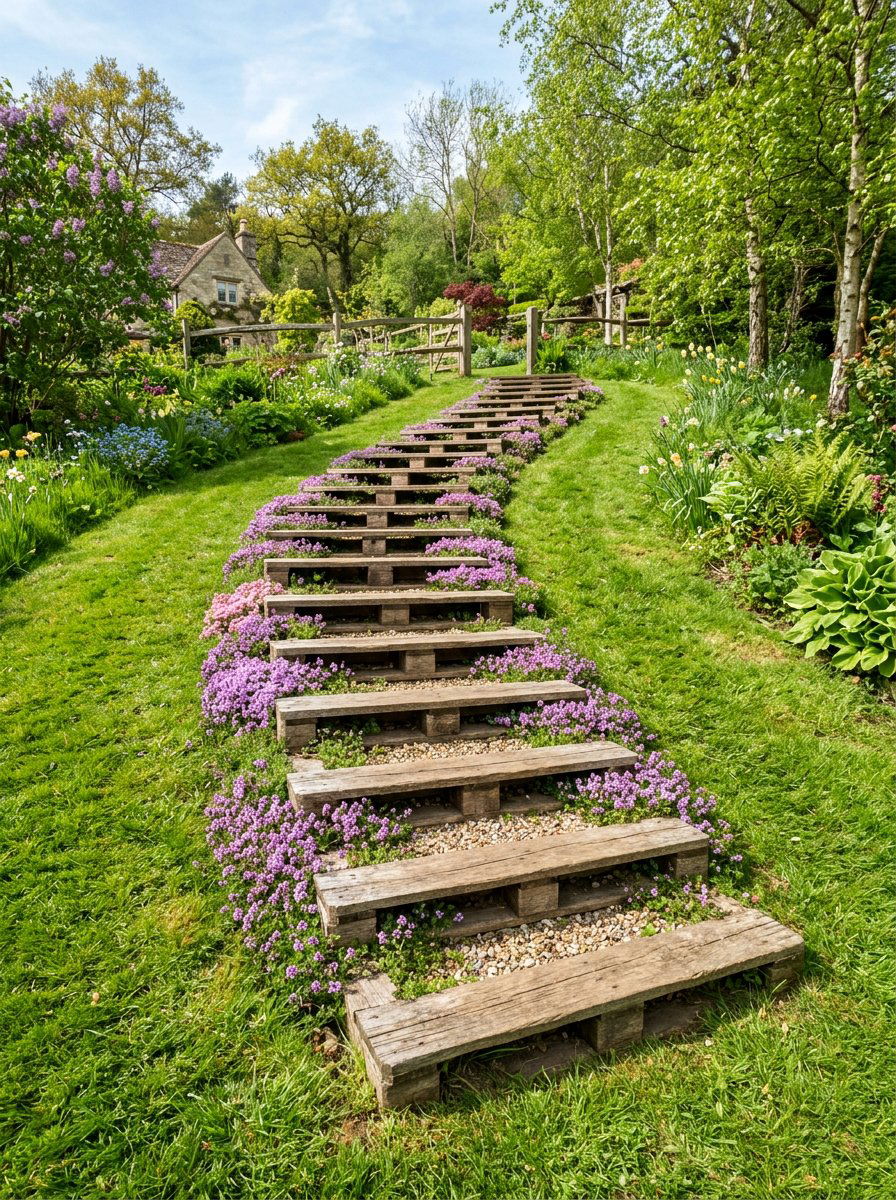
If you need to navigate a steep part of your yard, you can integrate pallet steps directly into your retaining wall design. By stacking pallets in a staggered, stair-like fashion and filling them with gravel or soil, you create a safe and stable path up the hill. This connects the different levels of your garden and makes the entire space feel more cohesive and accessible. You can plant low-growing groundcover between the steps to soften the edges and blend the structure into the surrounding landscape. It is a practical and creative way to solve two landscaping problems at once while adding a unique architectural element to your backyard.
18. Stained Wood Pallet Barrier
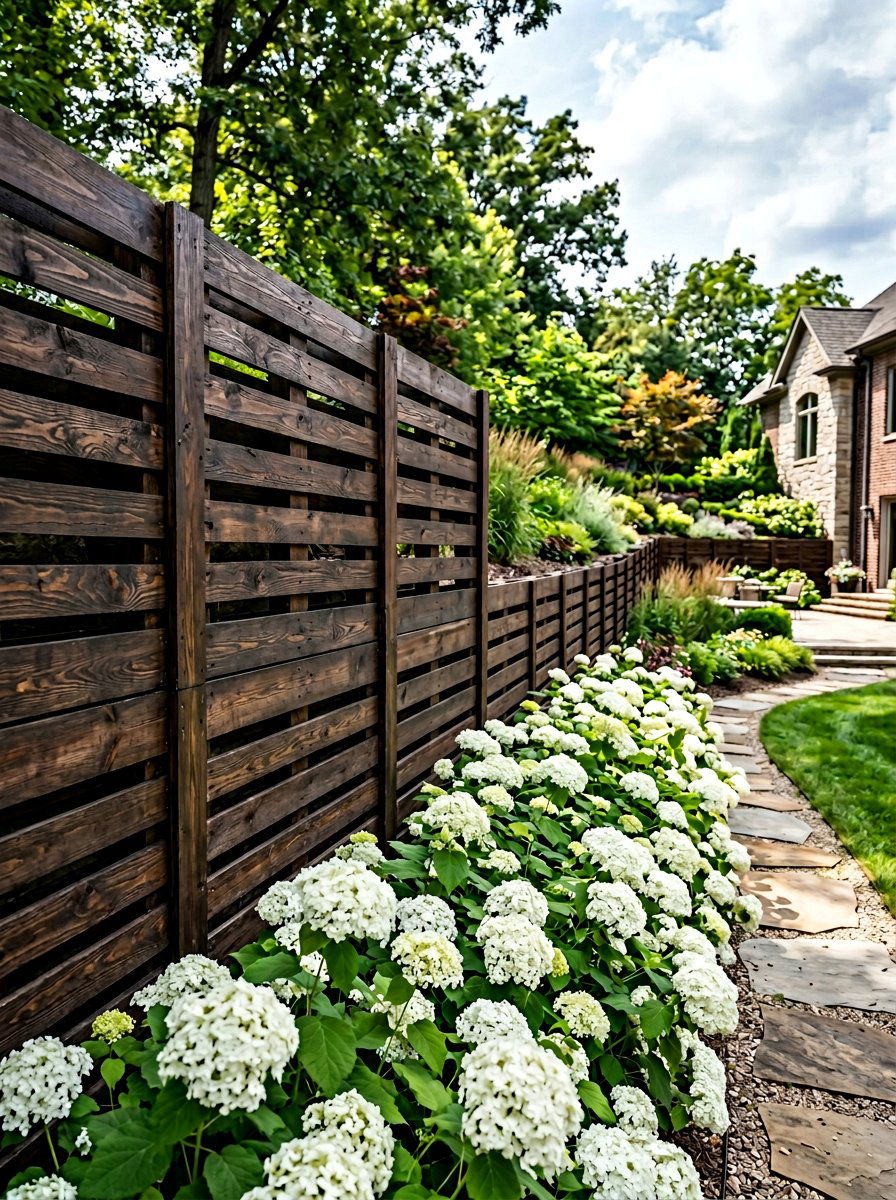
Applying a rich wood stain to your pallet retaining wall can elevate the entire look of your garden from DIY to designer. A dark walnut or mahogany stain creates a sophisticated, high-end appearance that contrasts beautifully with green foliage and bright flowers. The stain also penetrates deep into the wood fibers, providing long-lasting protection against moisture, UV rays, and wood-boring insects. This is an excellent choice for homeowners who love the texture of wood but want a more polished and finished look than raw pallets provide. It ensures that your retaining wall remains a beautiful and durable feature of your landscape for many years to come.
19. Horizontal Slat Pallet Wall
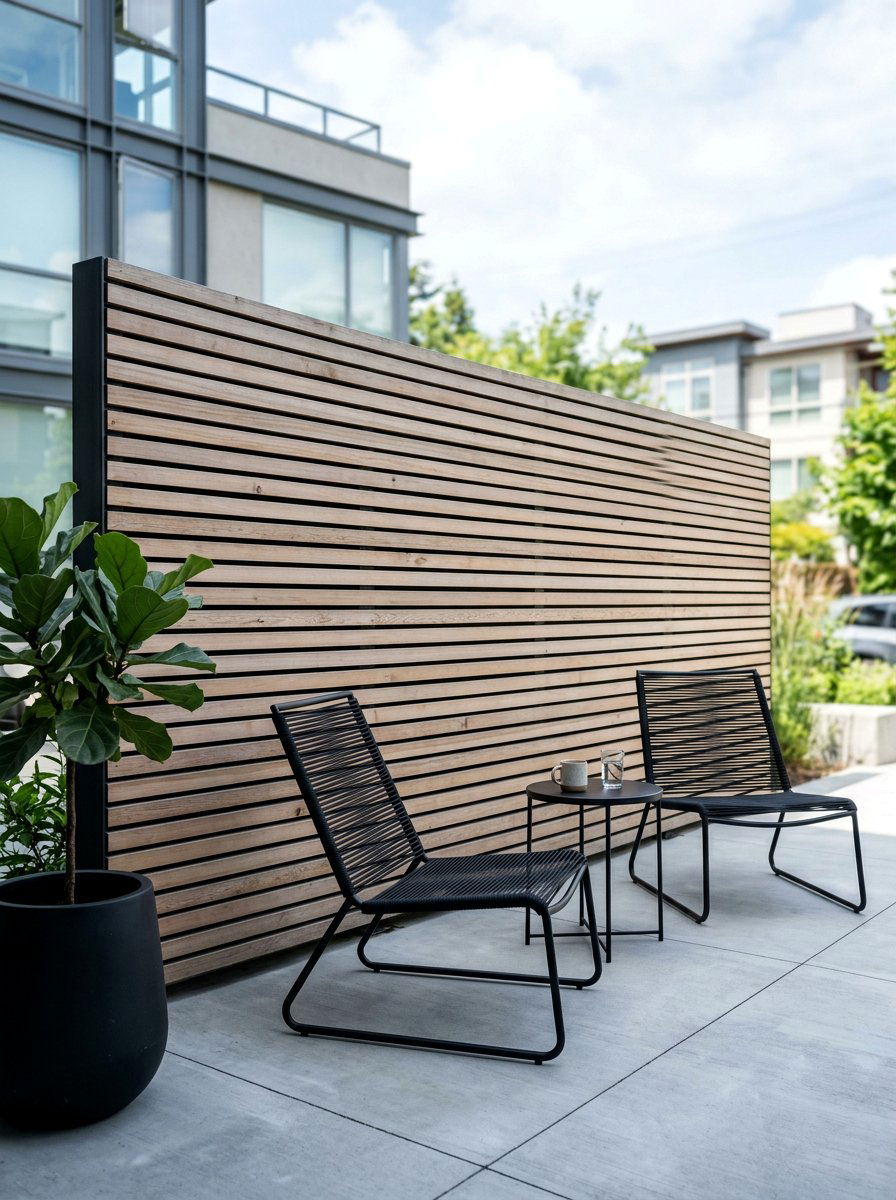
For a contemporary and sleek look, consider installing your pallets or pallet planks in a strictly horizontal slat pattern. This design emphasizes long, clean lines that can make a small garden feel much wider and more spacious than it actually is. By leaving small, consistent gaps between the slats, you allow for some airflow and drainage, which is beneficial for the health of the wood. This style looks particularly striking when paired with modern garden elements like concrete pavers, minimalist furniture, and architectural plants. It is a simple way to achieve a high-design look using very affordable and widely available recycled materials from your local area.
20. Multi Level Pallet Retainer
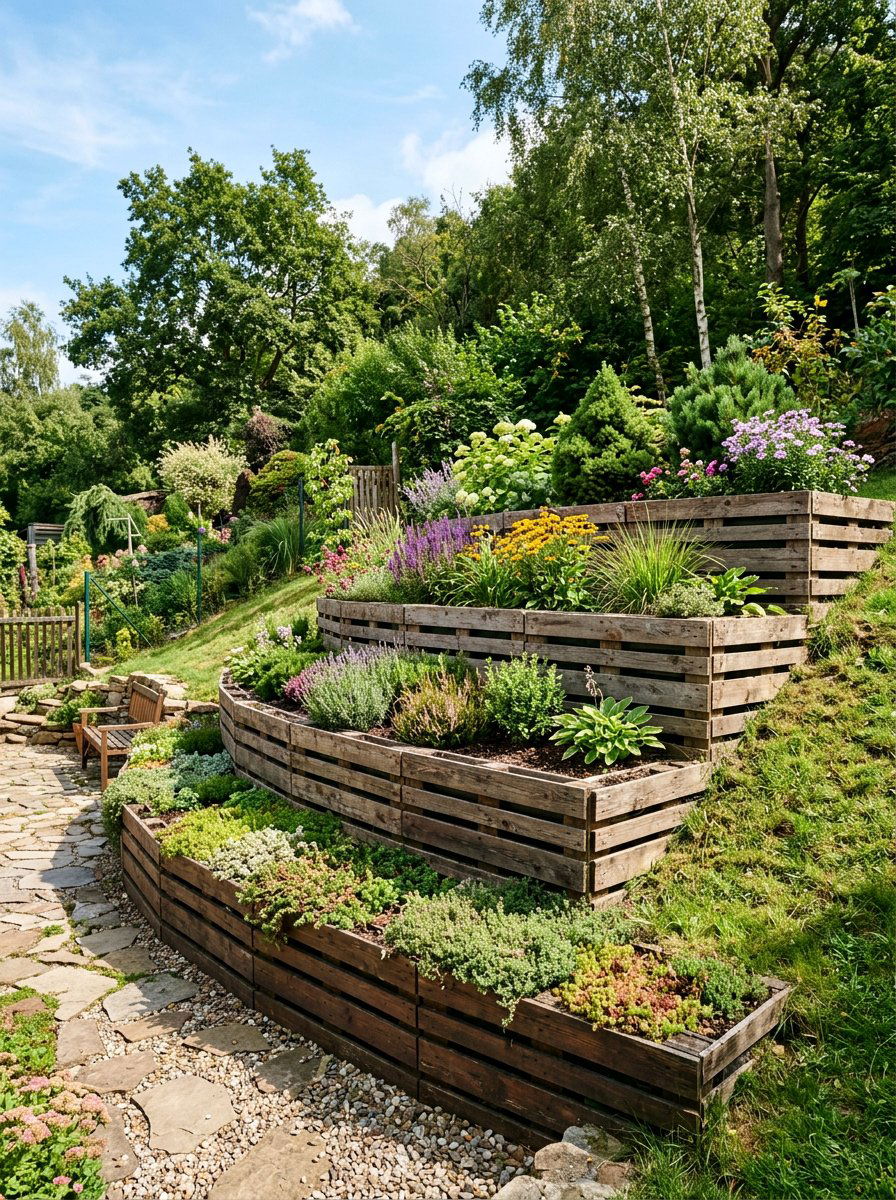
Creating a multi-level retaining system allows you to manage very steep slopes by breaking the height into several smaller, manageable sections. You can build a series of low pallet walls that step up the hillside, creating multiple flat tiers for planting or decoration. This approach reduces the pressure on each individual wall, making the entire system much more stable and less likely to fail over time. It also provides a great opportunity to use different plants on each level, creating a diverse and interesting garden landscape. The layered look adds depth and visual interest to your backyard, turning a difficult hill into a beautiful and functional focal point.
21. Weathered Wood Pallet Wall
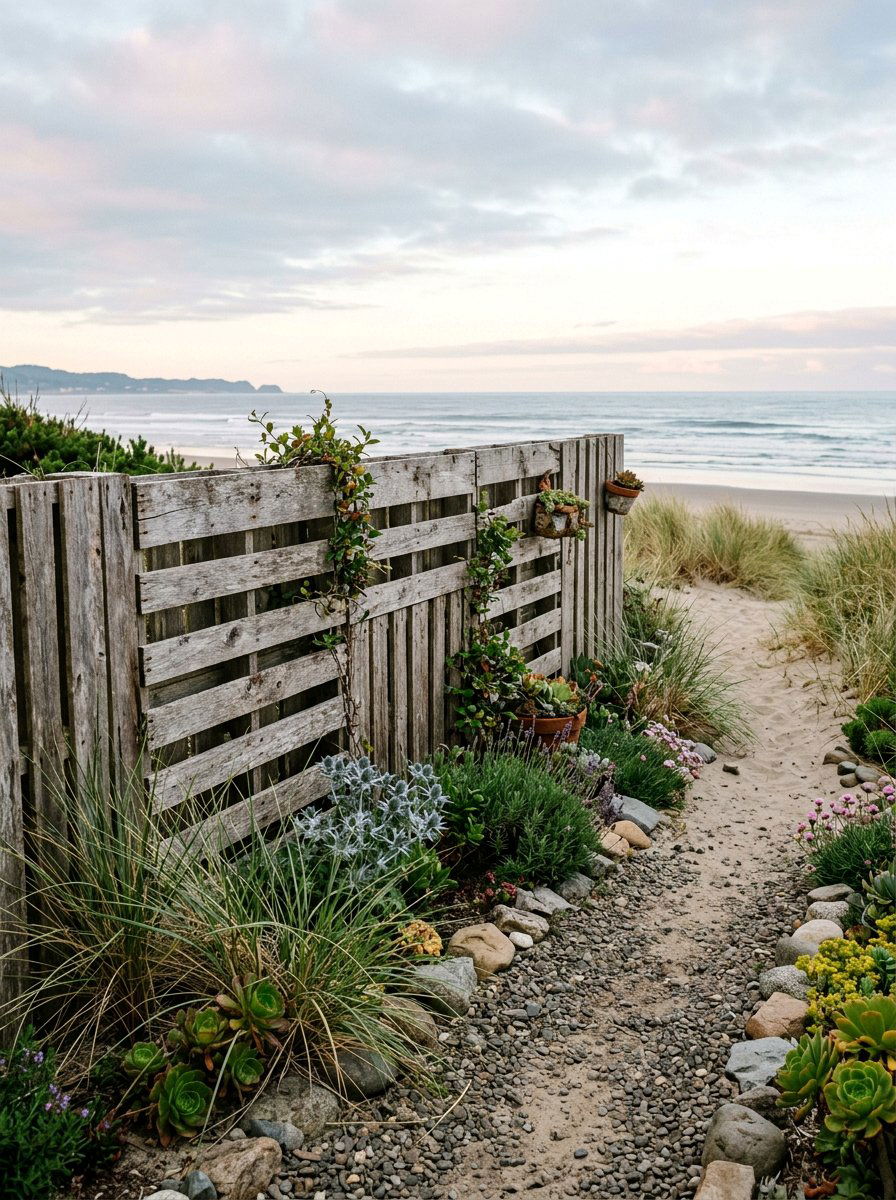
There is a unique charm in the silver-grey patina of naturally weathered wood that many homeowners find incredibly appealing for their gardens. By allowing your pallet wall to age naturally, you create a look that blends seamlessly with the surrounding environment and mature trees. This "shabby chic" or coastal aesthetic is perfect for relaxed, informal gardens where nature takes center stage. To maintain the structural integrity while keeping the weathered look, you can use a clear matte preservative that protects the wood without changing its color. It is a low-maintenance option that only gets better with age, adding a sense of timelessness and peace to your outdoor sanctuary.
22. Flower Box Pallet Retainer
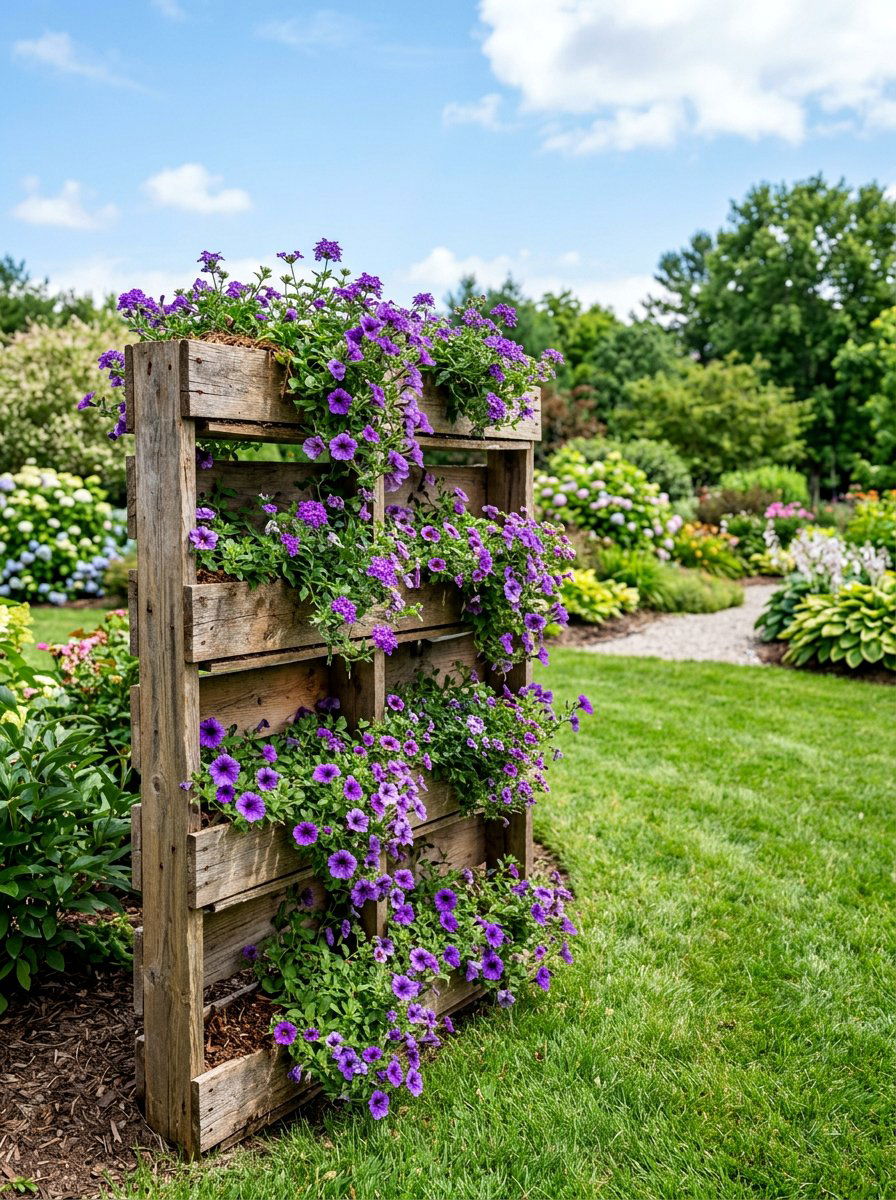
Adding integrated flower boxes to the top or face of your pallet retaining wall is a clever way to add pops of color at eye level. You can build these boxes using leftover pallet scraps, ensuring they match the rest of the structure perfectly. Filling these boxes with trailing plants like lobelia or creeping Jenny allows the greenery to spill over the edge, partially hiding the wood and creating a more natural look. This design is excellent for adding vertical interest to your garden and can be used to screen off less attractive areas of the yard. It turns a necessary structural barrier into a lush and beautiful garden feature.
23. Modern Dark Pallet Wall
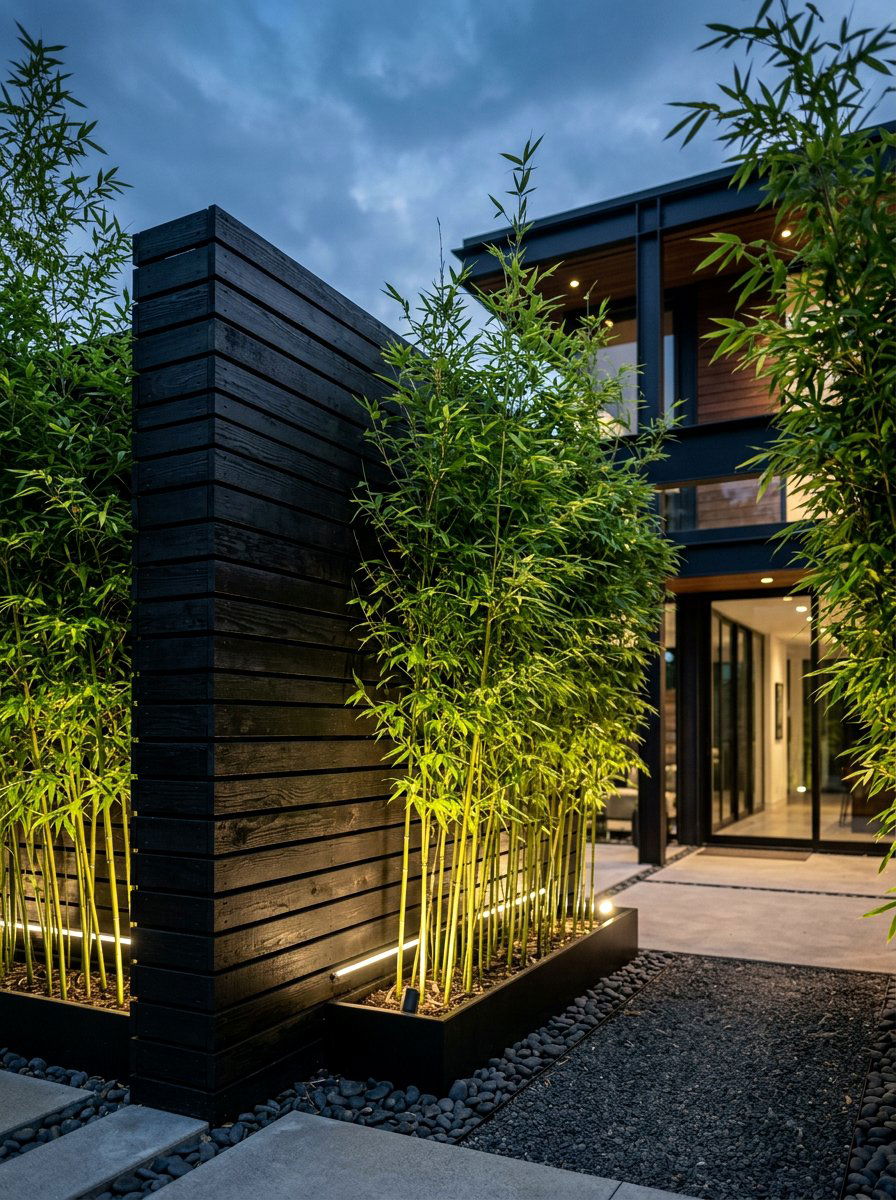
A dark-colored retaining wall can act as a stunning backdrop that makes the vibrant colors of your garden plants truly shine. By using a black or charcoal grey exterior wood stain, you can give your pallet wall a very modern and sophisticated edge. This look is popular in urban gardens and contemporary landscapes where clean lines and high contrast are key design elements. The dark color also helps the wall recede into the shadows, making the plants in front of it appear more prominent and three-dimensional. It is a bold choice that can transform a basic backyard into a stylish and very modern outdoor living space for entertaining.
24. Compact Space Pallet Wall
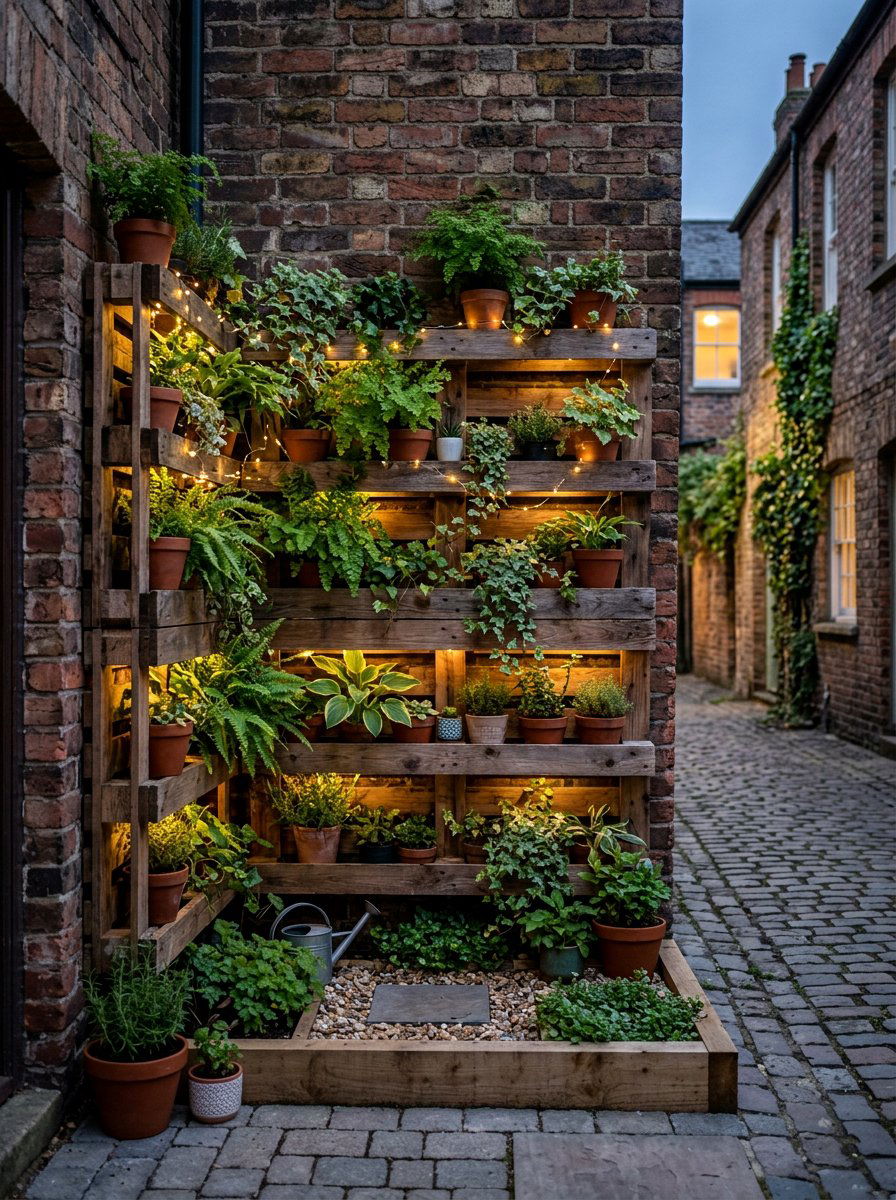
Pallets are the perfect solution for creating retaining walls in tight, compact spaces where large machinery or bulky materials cannot easily reach. Because they are lightweight and modular, you can carry them through narrow side gates and assemble them by hand in small courtyards or urban balconies. This allows you to create raised beds or soil barriers in areas that would otherwise remain flat and uninteresting. You can customize the size of the pallets to fit perfectly into corners or along narrow boundaries. This adaptability makes them an invaluable tool for city dwellers who want to maximize their gardening potential in limited outdoor areas around their homes.
25. Reinforced Ground Pallet Wall
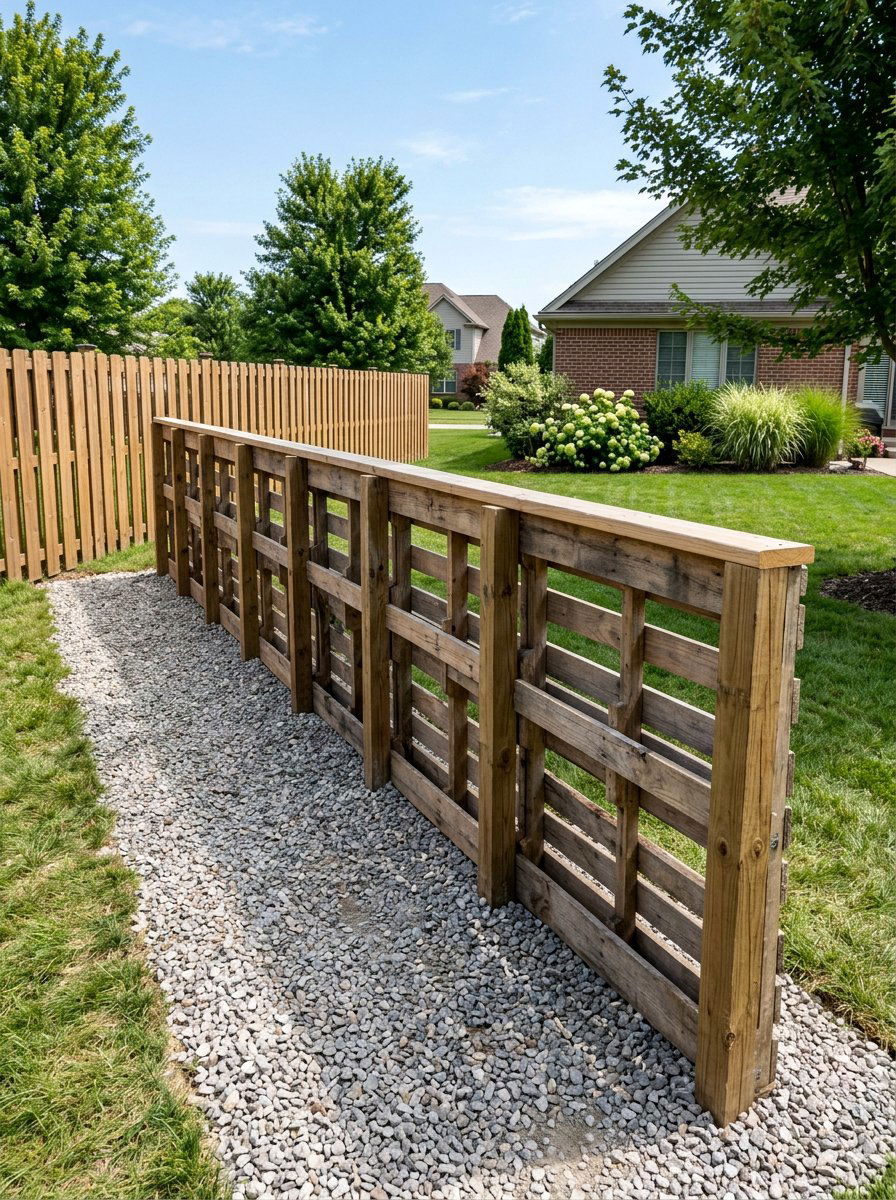
For maximum stability on soft or uneven ground, building a reinforced base for your pallet wall is a crucial step in the construction process. This involves digging a shallow trench and filling it with compacted gravel or leveling sand before placing your first row of pallets. By creating a solid and level foundation, you prevent the wall from sinking or shifting as the soil settles over time. You can also use heavy-duty landscape stakes to anchor the bottom pallets firmly into the earth. This extra attention to the base ensures that your DIY retaining wall remains straight, true, and fully functional through many seasons of wind, rain, and changing weather.
Conclusion:
Building a pallet retaining wall is a rewarding DIY project that combines environmental consciousness with practical landscaping benefits. Throughout this guide, we have explored various methods to transform reclaimed wood into durable and attractive garden structures that manage soil erosion and define outdoor spaces. Whether you choose a vertical planter style or a heavy-duty reinforced wall, these solutions offer incredible versatility for any backyard size or budget. Proper maintenance, such as applying a weather-resistant sealant or ensuring adequate drainage, will keep your pallet structures looking great for years to come. Start your next outdoor renovation by repurposing these everyday materials into a stunning focal point that enhances your home and provides a sustainable way to garden.
Related DIY Ideas to Try: