
Starting a home composting journey is one of the most rewarding steps you can take toward sustainable living and a thriving organic garden. Using heat-treated wooden pallets to build your own bin is not only an eco-friendly way to recycle materials but also a cost-effective alternative to expensive store-bought plastic containers. These structures provide the perfect amount of airflow and drainage necessary for breaking down organic matter into nutrient-dense black gold for your vegetable beds and flower patches. By building a dedicated space for your kitchen scraps and yard waste, you transform common trash into a valuable resource that significantly improves soil structure and promotes healthy plant growth.
1. Three bin pallet compost system
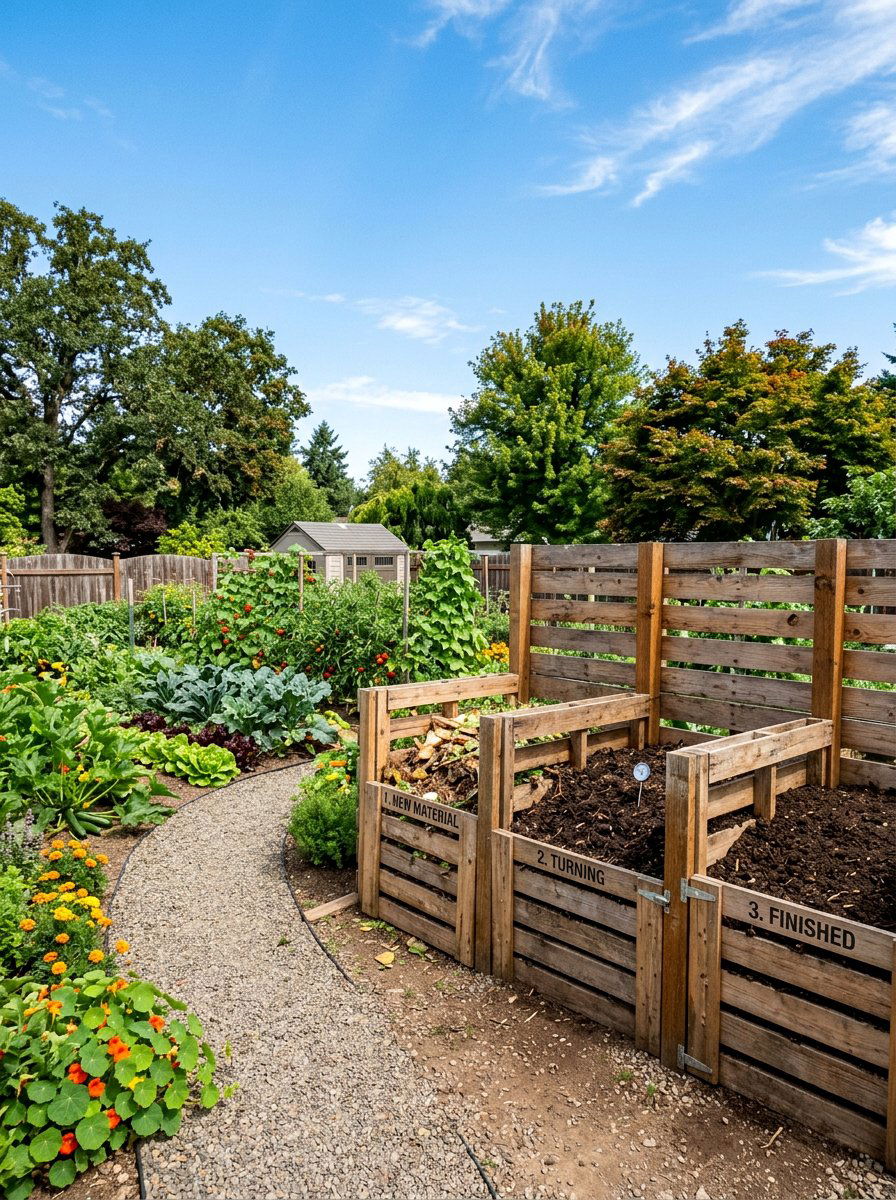
Setting up a three bin pallet compost system creates a highly efficient workflow for managing garden waste in a larger backyard setting. This design uses several heat-treated pallets to create three distinct zones for different stages of the decomposition process. You start your fresh green and brown waste in the first bay, move it to the middle section for active turning, and finish the curing process in the third bay. Surrounding this structure with gravel or wood chips keeps the entire area clean and accessible even during rainy seasons. Integrating this larger setup into your garden layout ensures you have a continuous supply of nutrient-rich soil for your vegetable patches.
2. Single pallet compost bin
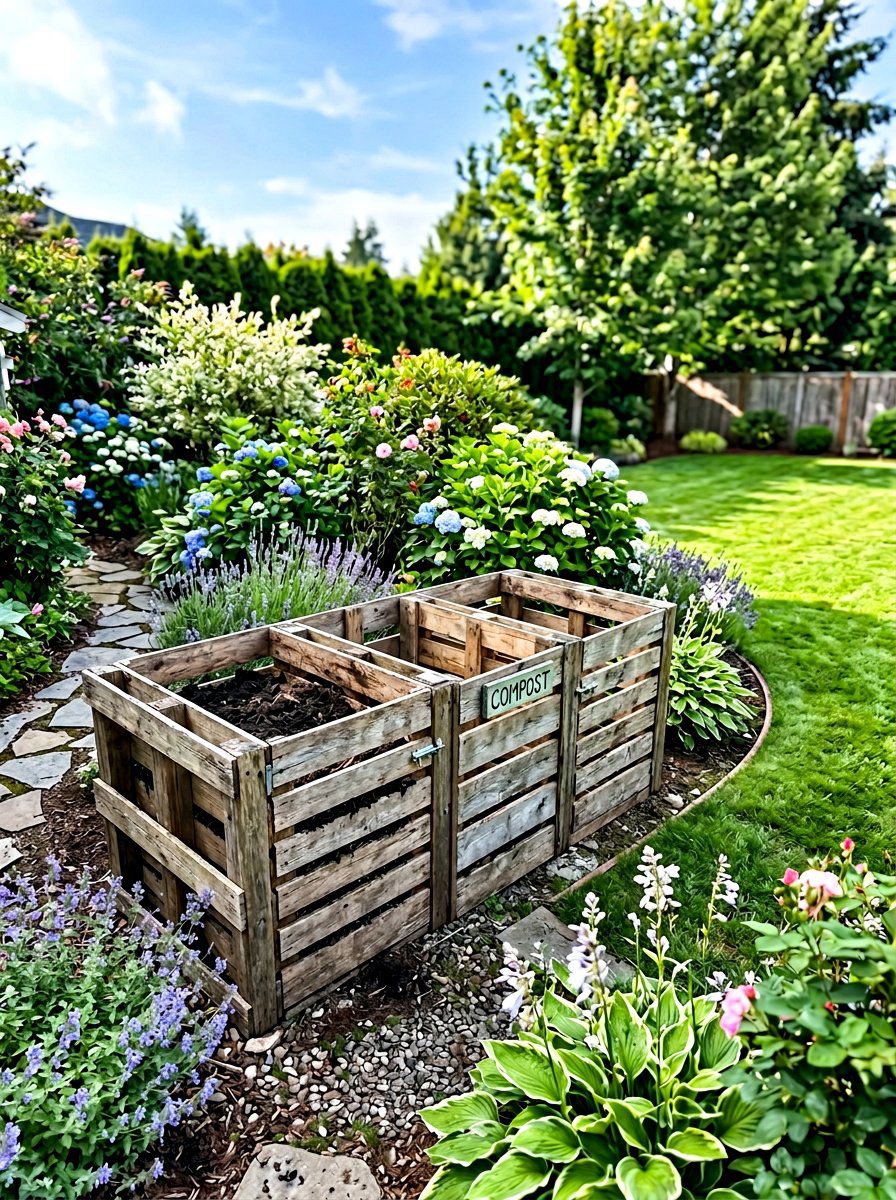
A single pallet compost bin is the perfect solution for homeowners with smaller yards who still want to participate in sustainable gardening practices. This compact design uses four pallets joined at the corners to form a sturdy square structure that fits neatly into a corner of the garden. The open slats in the wood provide excellent ventilation, which helps speed up the aerobic decomposition of food scraps and leaves. You can place this bin near your kitchen door for convenience while keeping it tucked away behind some shrubs to maintain a clean aesthetic. It effectively manages a modest amount of waste while producing high-quality compost for your potted plants.
3. Pallet compost bin with lid
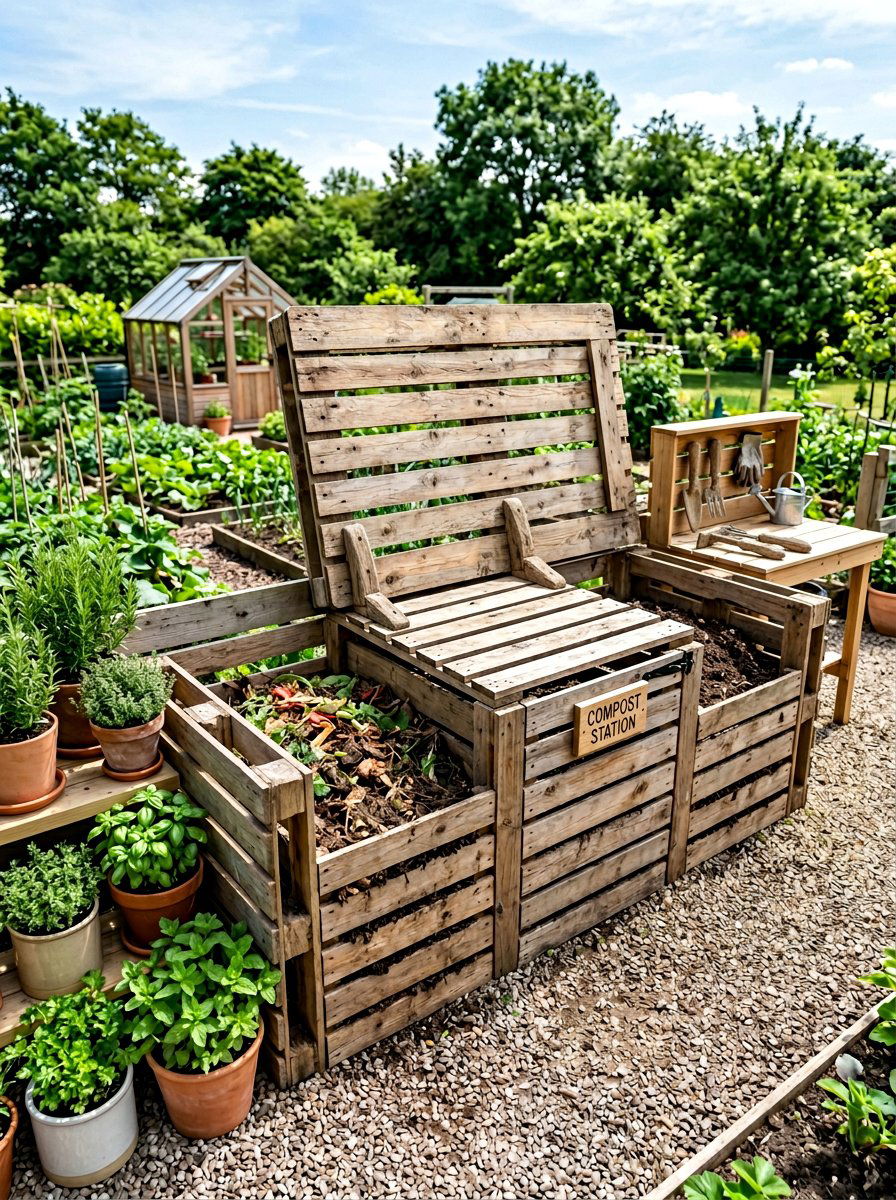
Building a pallet compost bin with a lid is an excellent choice for keeping unwanted pests and heavy rain out of your maturing soil. This design incorporates a heavy-duty wooden top made from pallet slats or plywood that is attached with sturdy metal hinges for easy access. Having a lid helps regulate the internal temperature and moisture levels, ensuring the composting bacteria remain active throughout the colder months. The overall design looks very intentional and organized, making it a great fit for modern suburban backyards. A well-constructed lid also prevents odors from escaping, which makes the composting process much more pleasant for you and your neighbors.
4. Wire mesh lined pallet bin
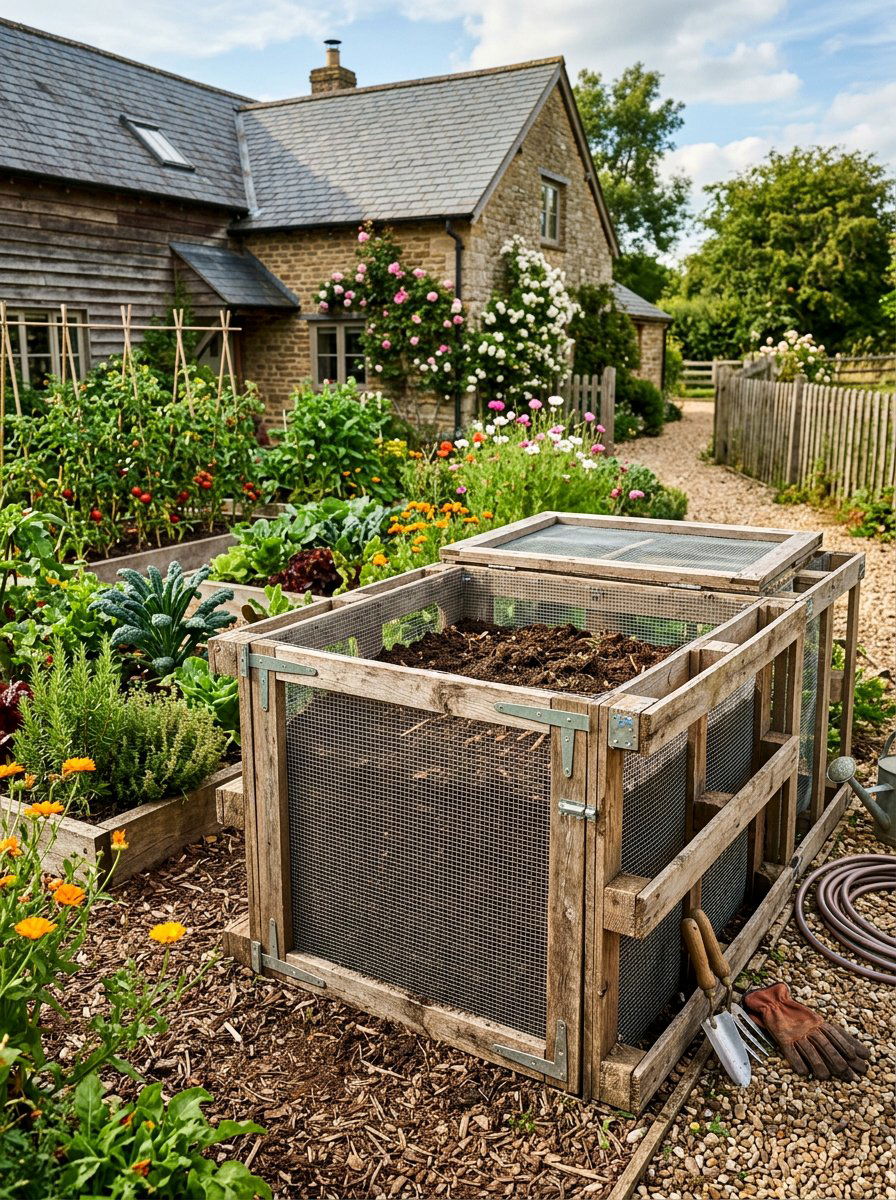
A wire mesh lined pallet bin offers an extra layer of protection against rodents while still allowing for maximum airflow throughout the pile. By attaching fine hardware cloth to the inside of your pallet frame, you create a secure enclosure that keeps small animals from nesting in the warm organic material. This design is particularly useful if you live in an area with a lot of wildlife or if you frequently compost kitchen fruit scraps. The combination of rustic wood and industrial mesh creates a functional, farm-style look that complements most outdoor spaces. It is a durable and reliable method for maintaining a clean and pest-free composting area.
5. Removable front pallet bin
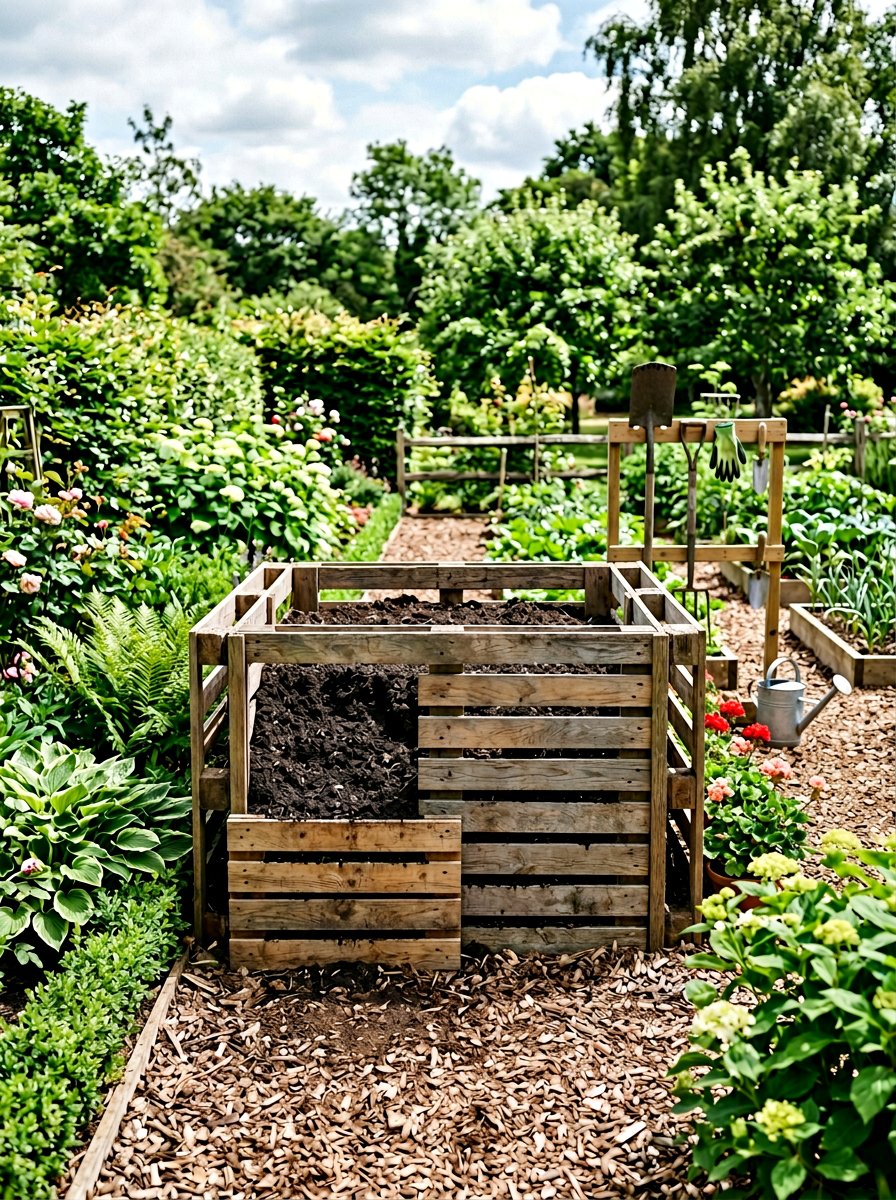
Designing a pallet bin with a removable front makes the task of turning and harvesting your finished compost much easier on your back. Instead of reaching over the tall sides of the pallets, you can simply slide out the front boards to gain full access to the base of the pile. This functional design feature is usually achieved by creating a simple channel or track on the side posts where the slats can sit securely. When the front is closed, the bin maintains its structural integrity and keeps the waste contained. This thoughtful layout turns a potentially messy chore into a quick and organized part of your garden routine.
6. Two bay pallet composter
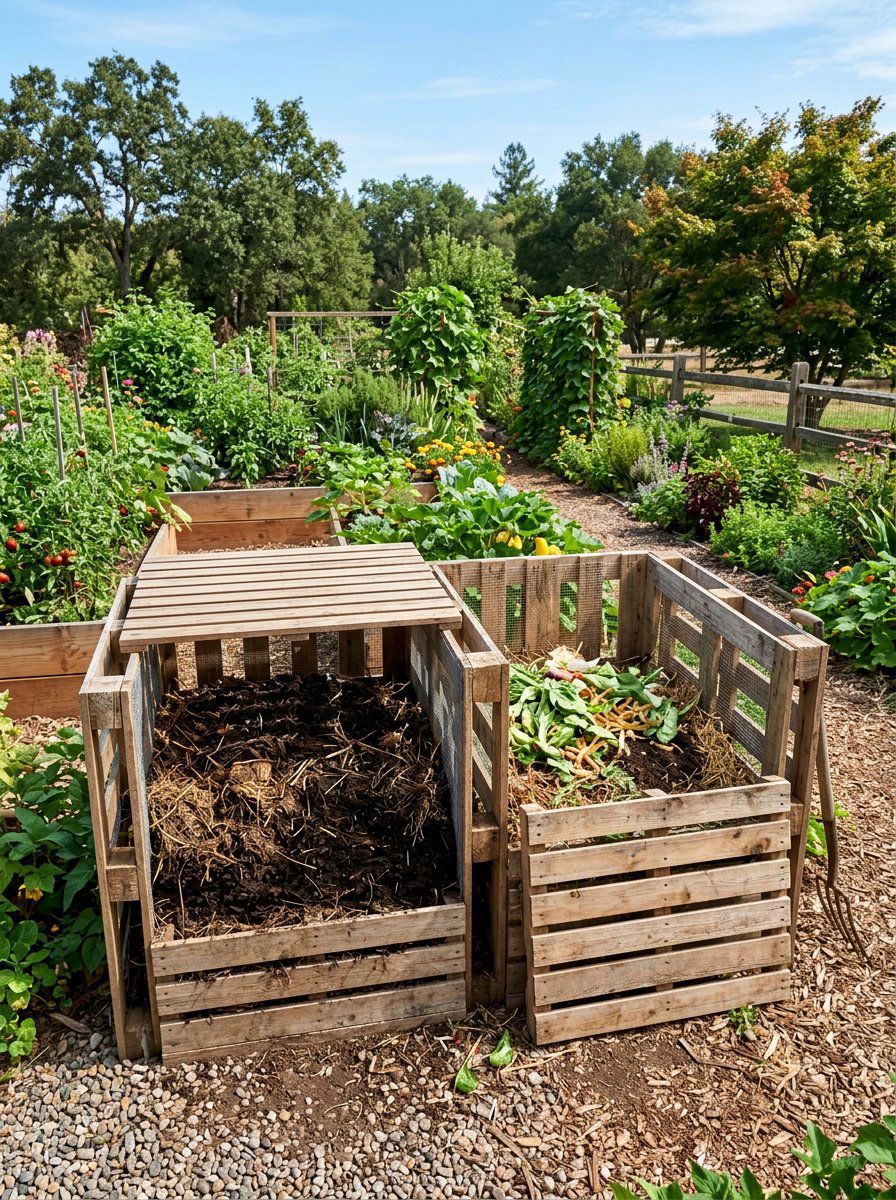
A two bay pallet composter provides a middle ground for gardeners who need more capacity than a single bin but lack space for a triple system. This setup allows you to have one side actively decomposing while the other side is being filled with fresh organic materials. Once the first side is fully broken down, you can harvest it and switch the roles of each bay. This rotating system ensures you always have space for new waste without disturbing the material that is already curing. Placing this unit against a fence or garden wall helps it blend seamlessly into the existing landscape while remaining highly functional.
7. Small space pallet bin
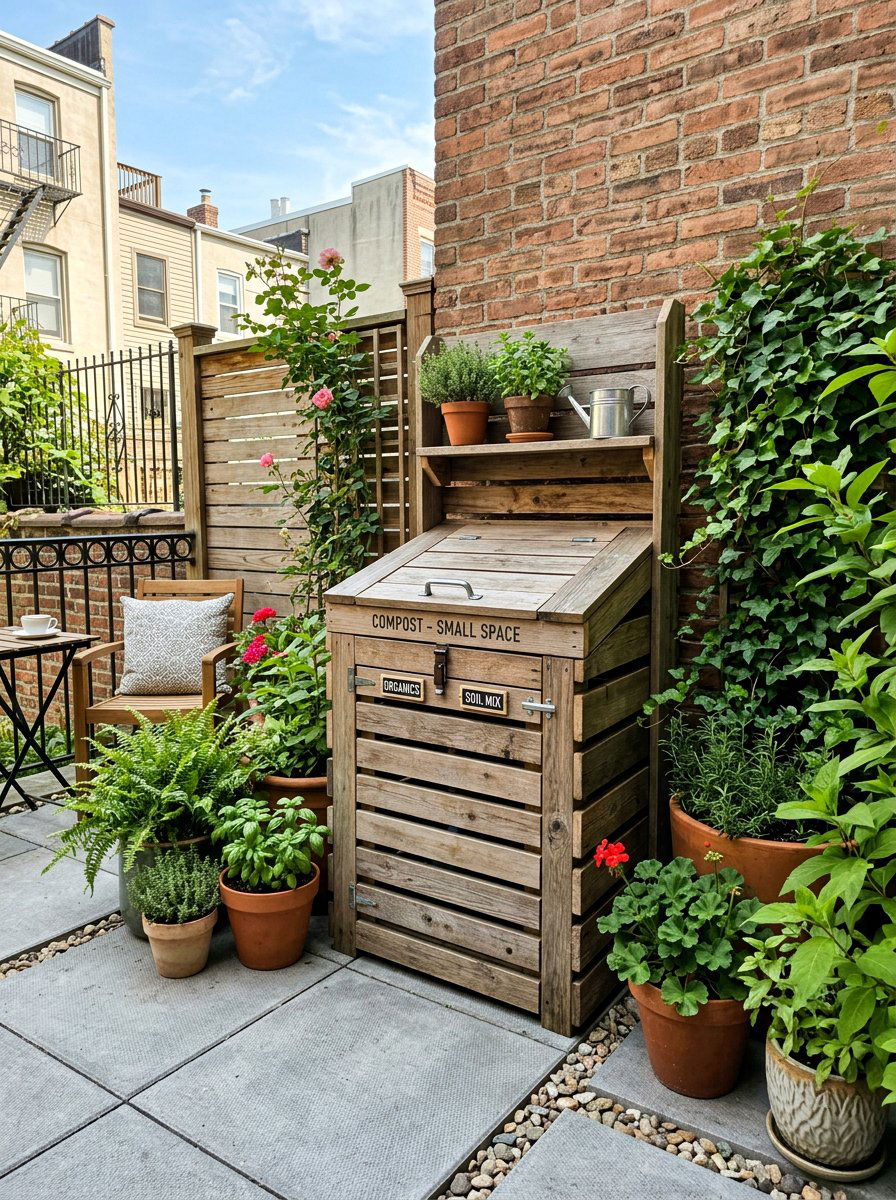
Creating a small space pallet bin involves using narrower pallets or cutting standard ones down to size to fit into tight urban garden areas. This design focuses on verticality, allowing you to pile waste high without taking up a large footprint on your patio or small lawn. You can paint the exterior to match your garden furniture, making it look like a custom piece of outdoor decor rather than just a waste receptacle. Even in a tiny courtyard, this bin allows you to recycle coffee grounds and vegetable peelings effectively. It proves that you do not need a massive farm to create your own high-quality organic fertilizer.
8. Urban backyard pallet bin
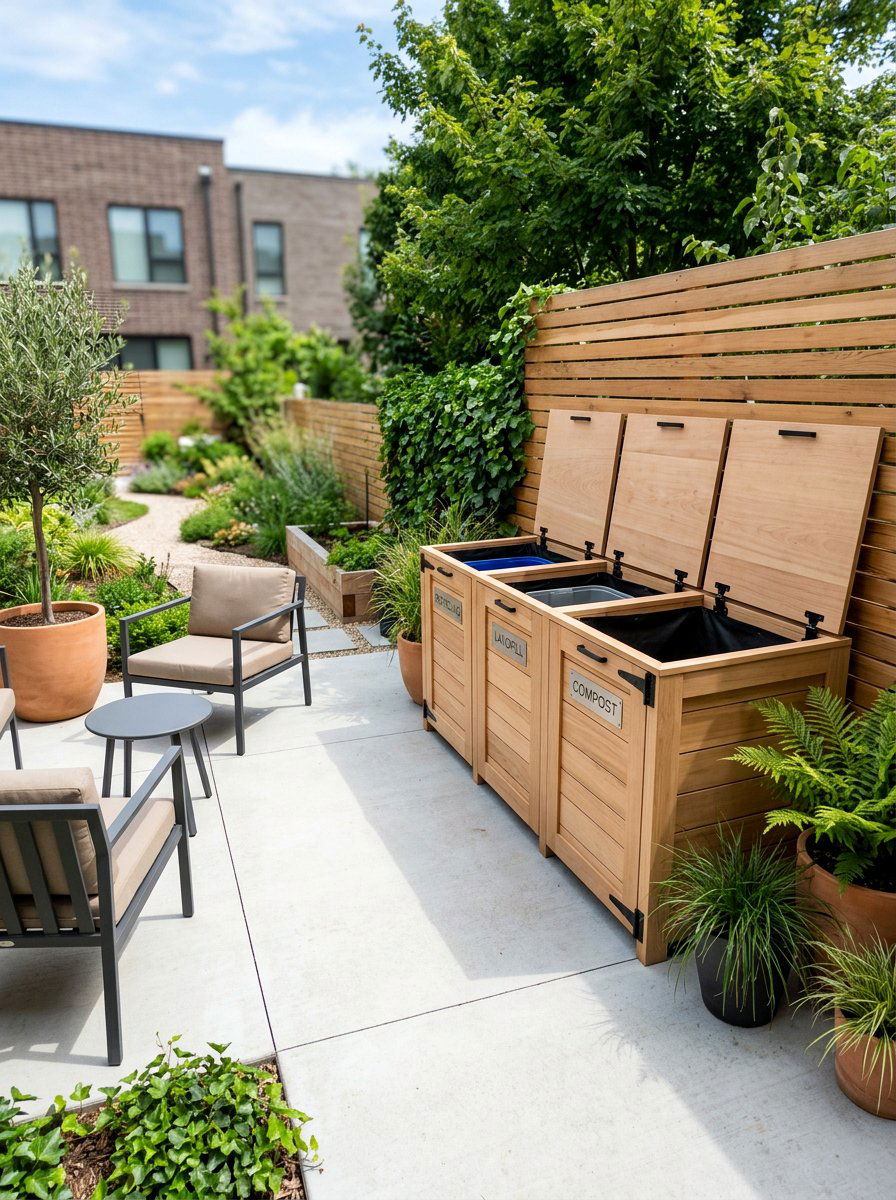
An urban backyard pallet bin is designed to look sleek and tidy, catering to the aesthetic needs of city dwellers with limited outdoor space. By sanding the pallets and applying a natural wood sealer, you can create a more refined look that fits well with contemporary landscaping. Many urban gardeners choose to line the interior with landscape fabric to prevent small bits of compost from spilling out onto paved surfaces. This design keeps the composting process contained and professional, ensuring it does not detract from the beauty of your outdoor living area. It is a smart way to manage waste while living in a densely populated neighborhood.
9. Lined with landscape fabric pallet bin
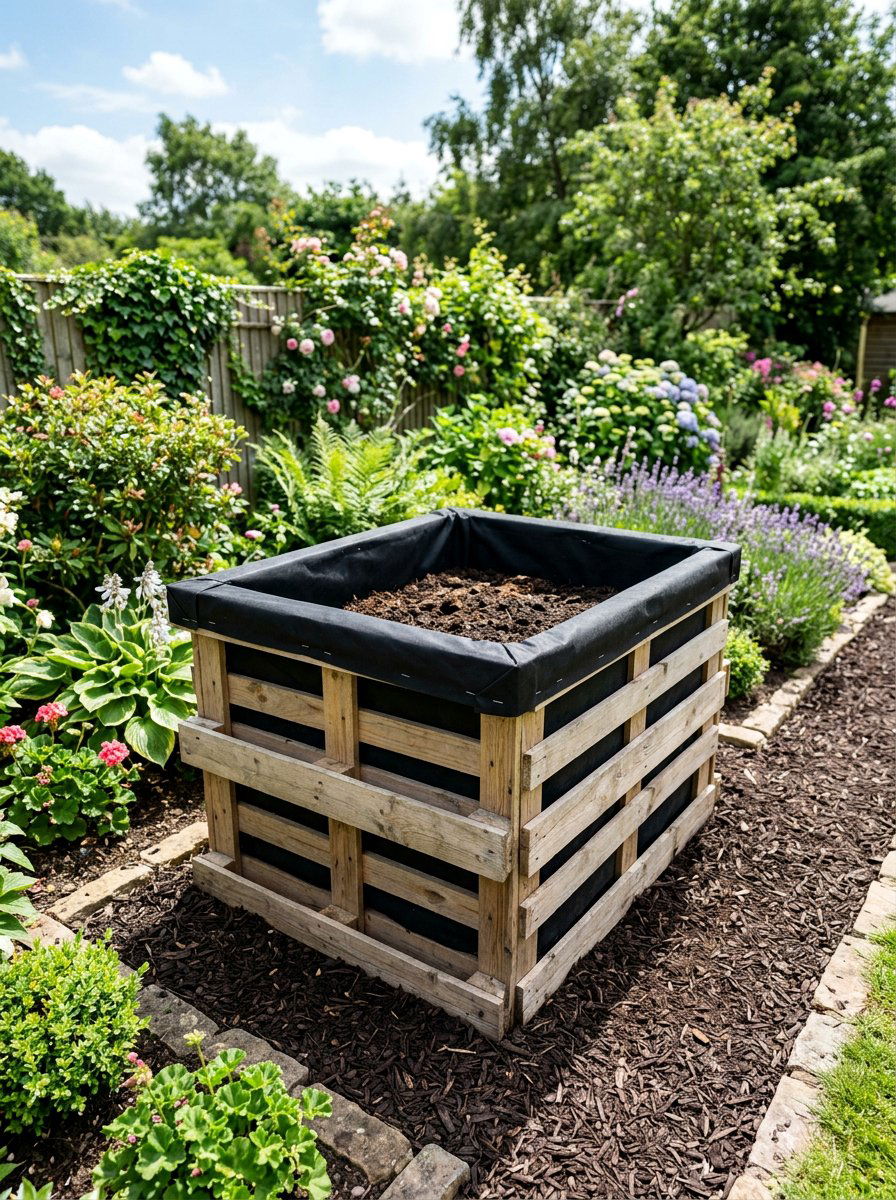
A pallet bin lined with landscape fabric is an ideal choice for gardeners who want to keep their composting area looking exceptionally neat and tidy. The dark fabric lining prevents any soil or small particles from falling through the gaps in the pallet slats, which keeps the surrounding ground clean. This design also helps to retain moisture within the pile, which is essential for the microorganisms that break down the organic matter. The black fabric provides a uniform look behind the wooden slats, creating a more finished appearance for the structure. It is a simple yet effective modification that improves both the function and the style.
10. Integrated raised bed pallet bin
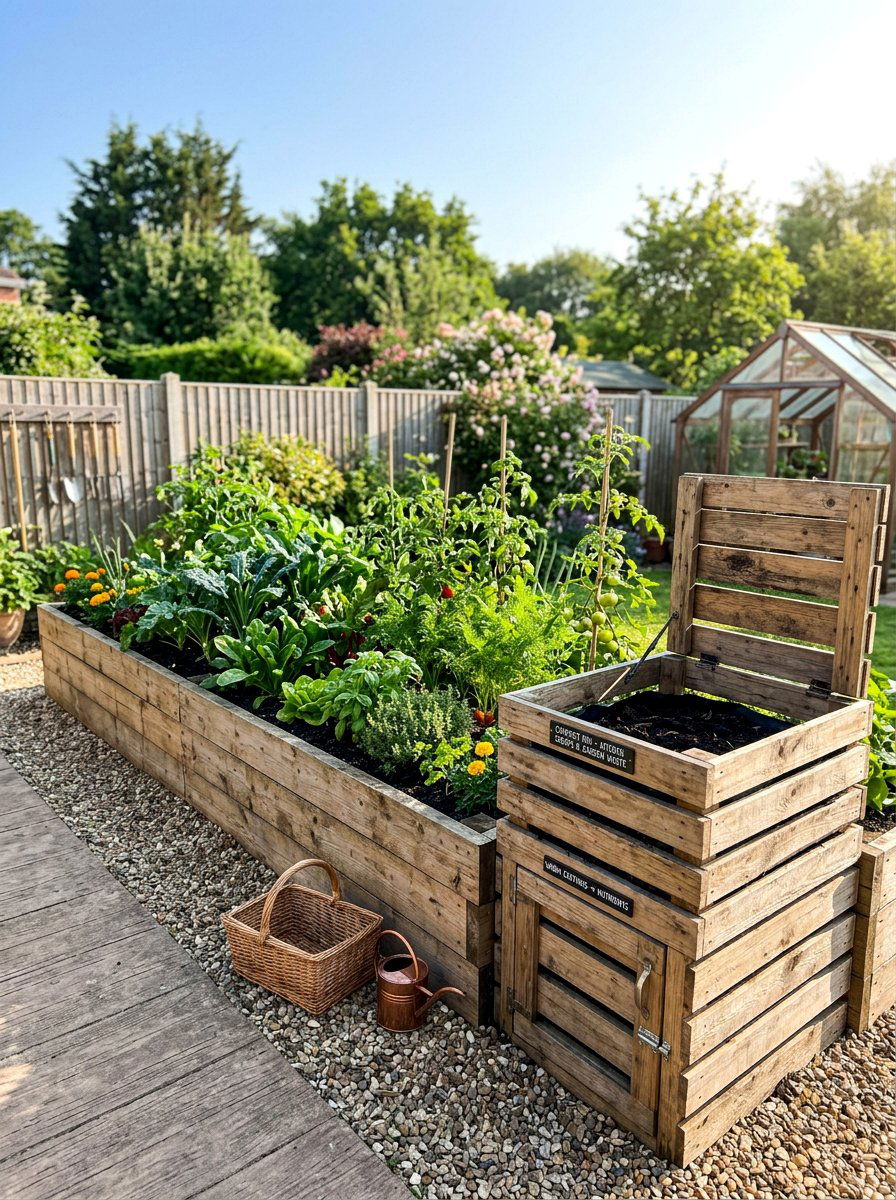
An integrated raised bed pallet bin combines your composting system directly with your growing area for maximum efficiency. In this design, one end of a large raised garden bed is dedicated to composting, allowing nutrients to leach directly into the surrounding soil where plants are growing. This creates a self-fertilizing system that mimics natural forest floors and reduces the need for manual fertilization. The pallet structure acts as a divider between the compost and the planting area, keeping everything organized. It is a brilliant way to save space and ensure your vegetables have constant access to the best nutrients available in the soil.
11. Painted pallet compost bin
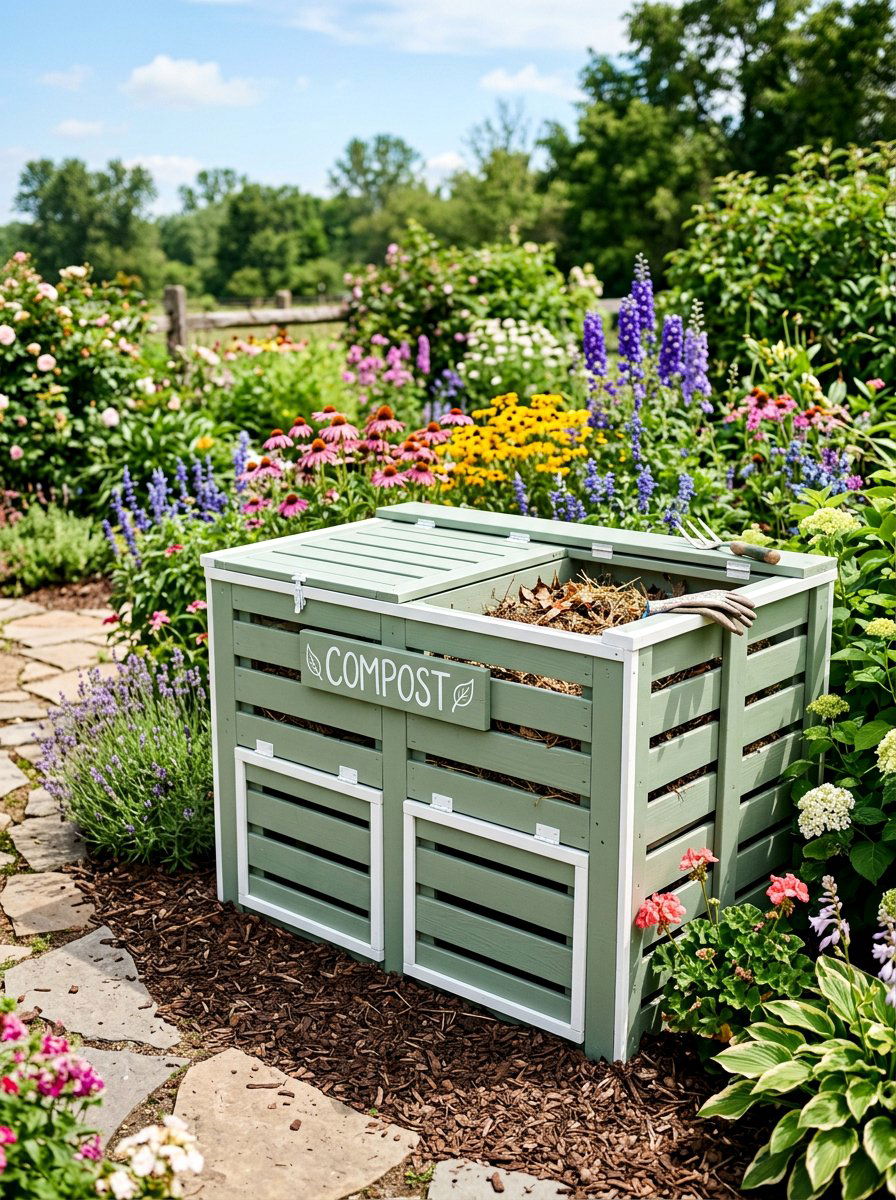
Choosing a painted pallet compost bin allows you to express your personal style while creating a functional piece of garden equipment. You can use a bright pop of color like sage green or deep blue to make the bin a focal point, or choose a neutral tone to help it blend in. Using outdoor-grade paint also helps protect the wood from the elements, extending the life of your pallets for several more years. This design approach transforms a basic DIY project into a charming garden feature that adds character to your backyard. It is an easy way to customize your composting experience and match your home's exterior.
12. Stained pallet compost bin
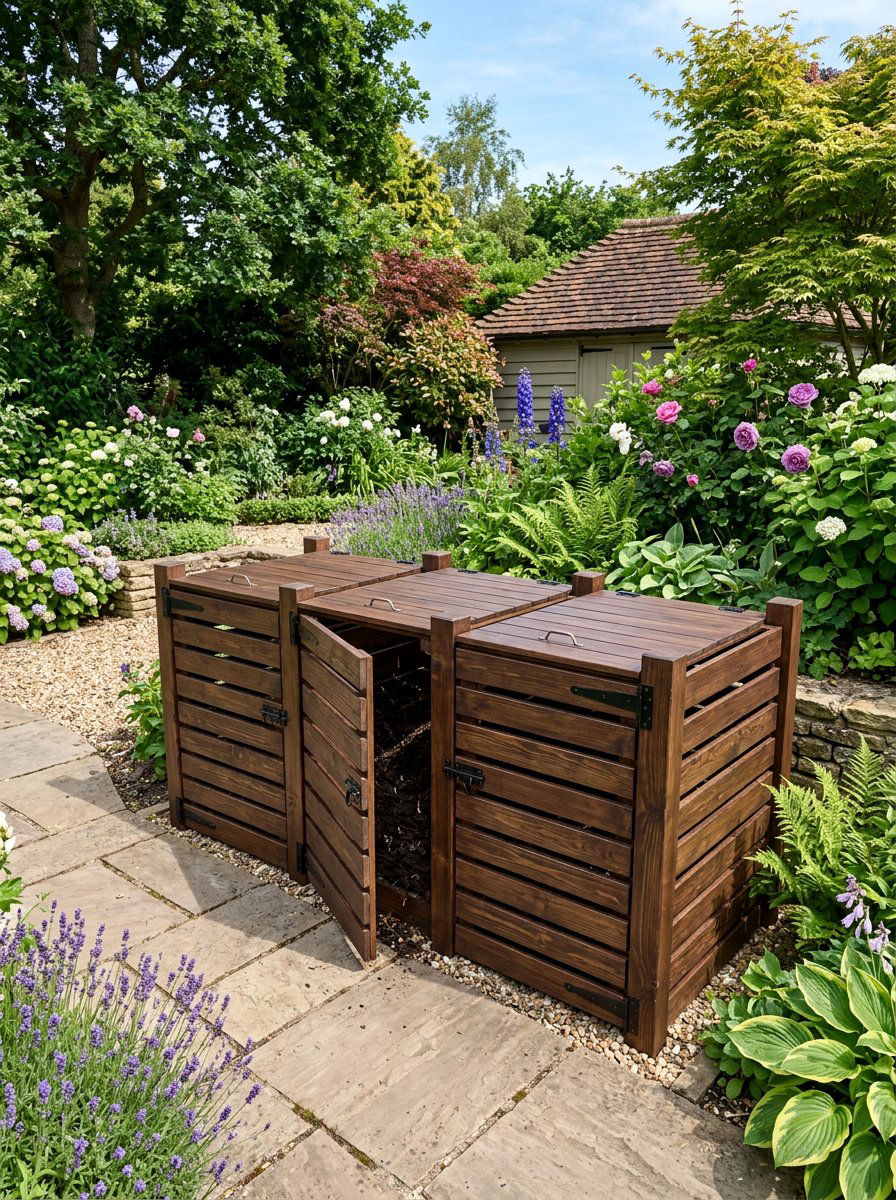
A stained pallet compost bin offers a more natural and sophisticated look that highlights the raw beauty of the wood grain. Applying a dark walnut or cedar stain can make cheap shipping pallets look like expensive custom-built garden structures. The stain provides a layer of protection against moisture and UV rays, which is vital for wood that is constantly in contact with damp organic matter. This design fits perfectly in a rustic or traditional garden setting where natural materials are prioritized. It provides a clean and polished finish that elevates the overall appearance of your utility area while serving a very practical purpose for your plants.
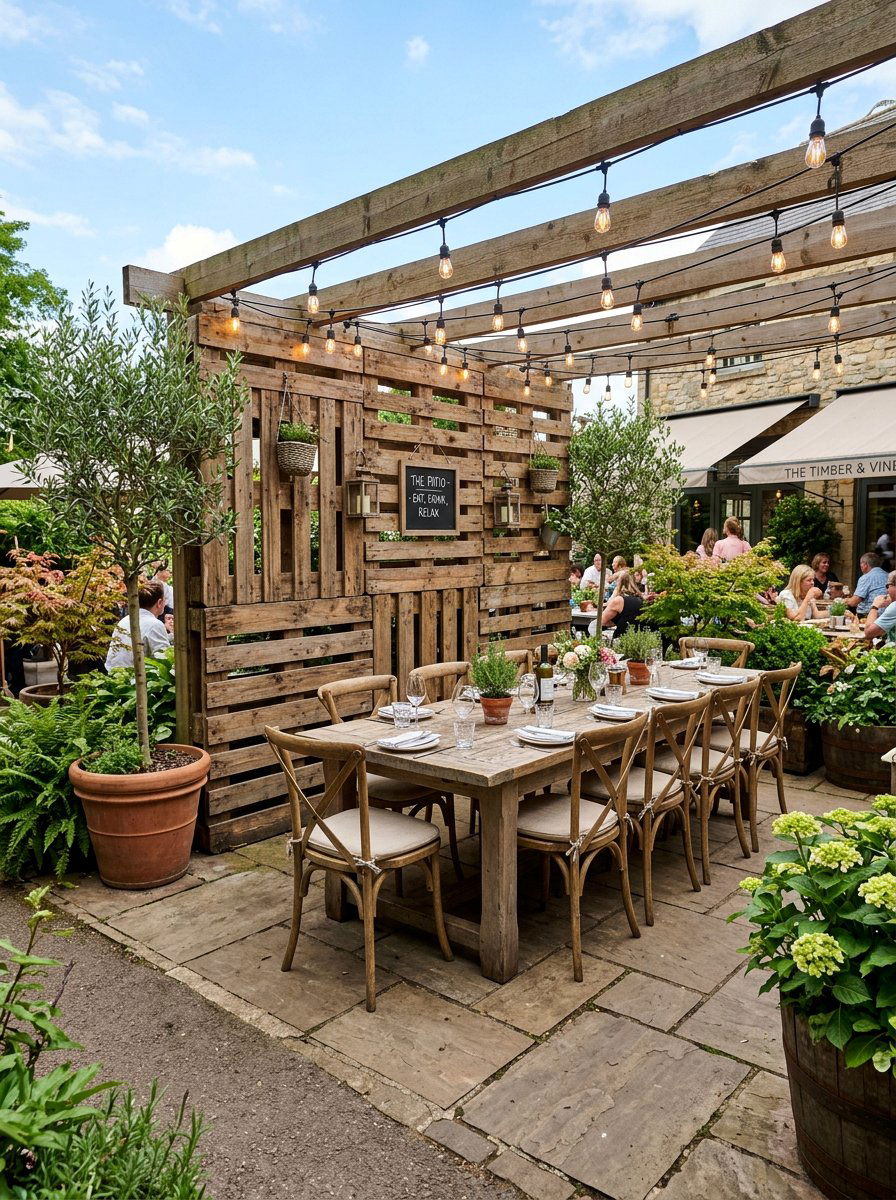
13. Pallet bin with hinges
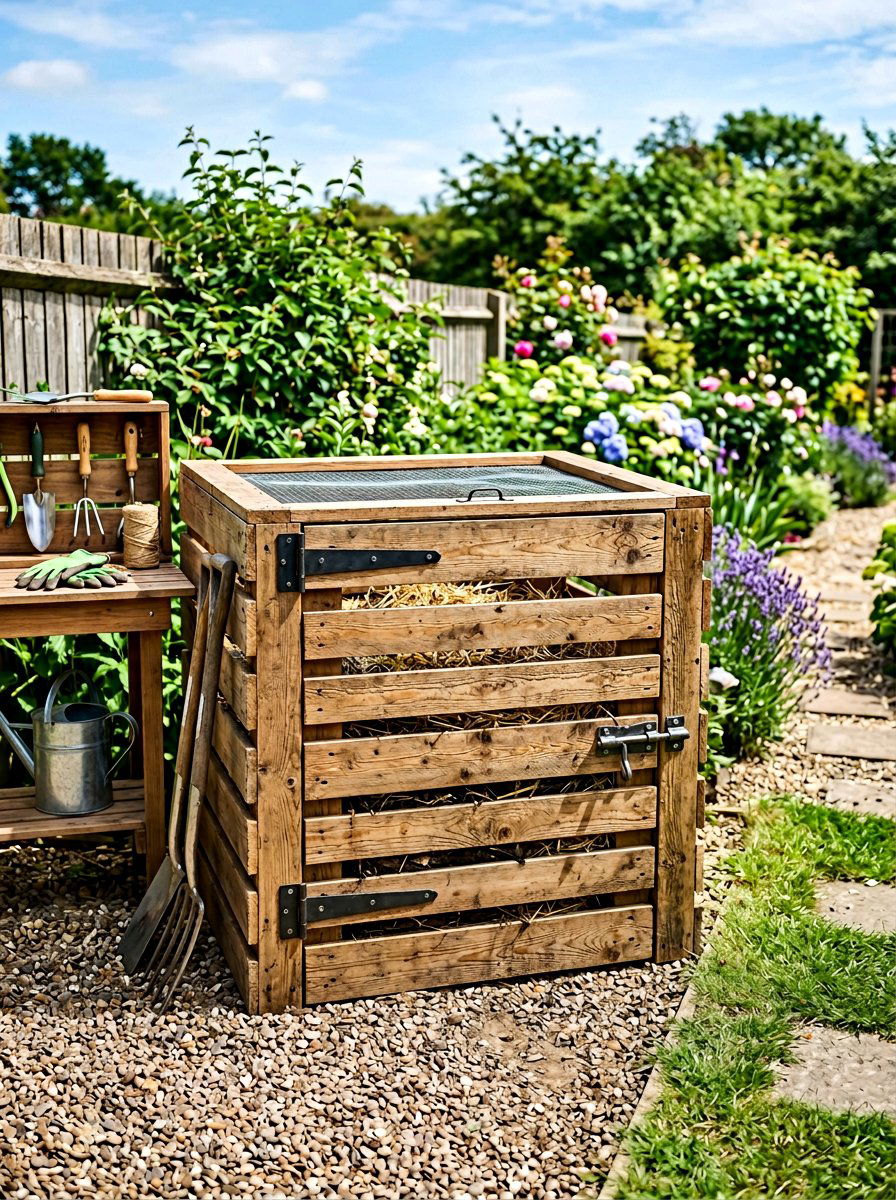
A pallet bin with hinges features a front door that swings open, providing incredibly easy access for turning the compost with a pitchfork. This design requires a few extra pieces of hardware but significantly improves the usability of the bin for long-term gardening. Being able to swing the entire front panel open allows you to easily move finished soil into a wheelbarrow without any lifting. The hinges should be rust-resistant to withstand the outdoor environment and the moisture from the compost pile. This ergonomic design is a favorite among serious gardeners who process large amounts of organic material throughout the growing season.
14. Pallet bin with sliding slats
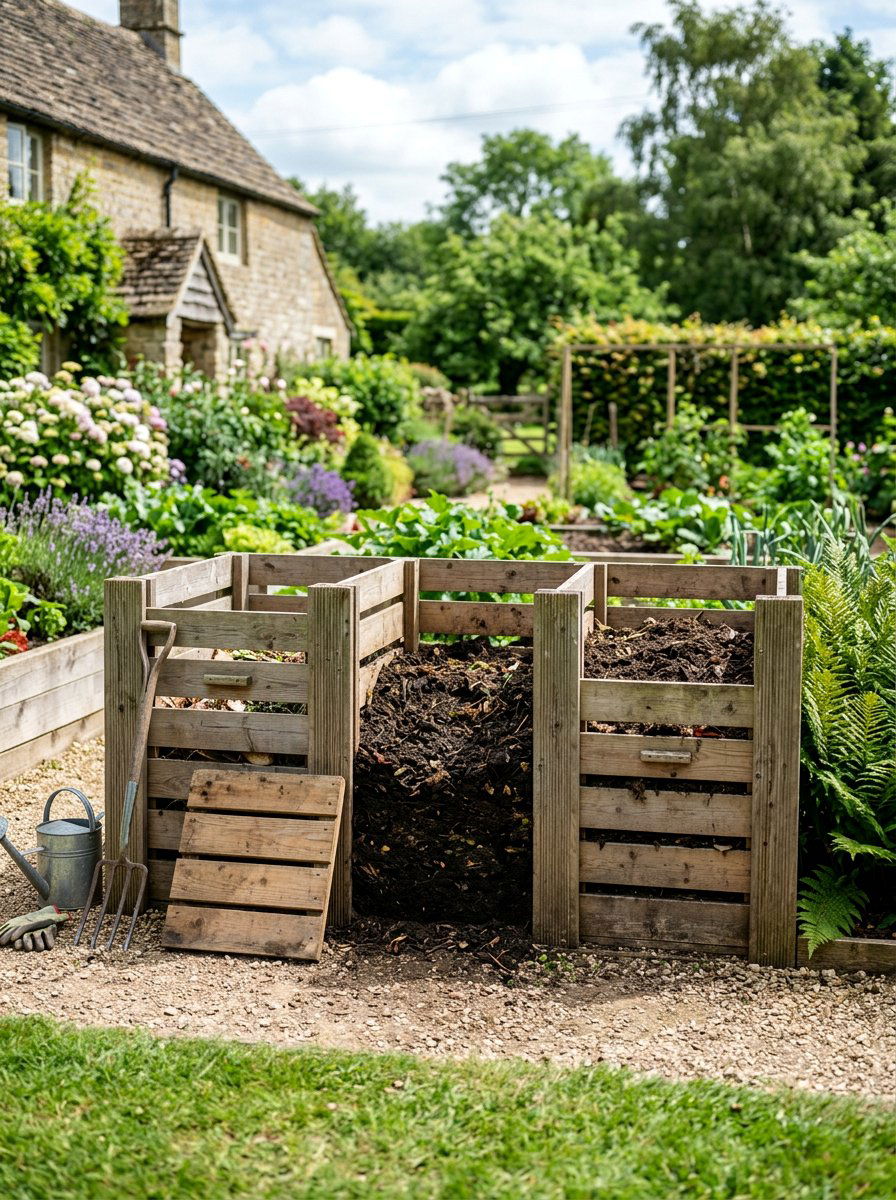
A pallet bin with sliding slats uses a clever grooved system that allows you to remove individual boards from the front as the pile height changes. This design provides ultimate flexibility, as you can keep the bin mostly closed when it is half-full and open it up as needed. The sliding mechanism is easy to build using simple wood scraps to create channels on the corner posts. This setup is excellent for maintaining a tidy look while still offering the convenience of a removable front. It is a highly functional and organized approach to composting that works well for both beginners and experienced garden enthusiasts.
15. Pallet bin with corrugated metal
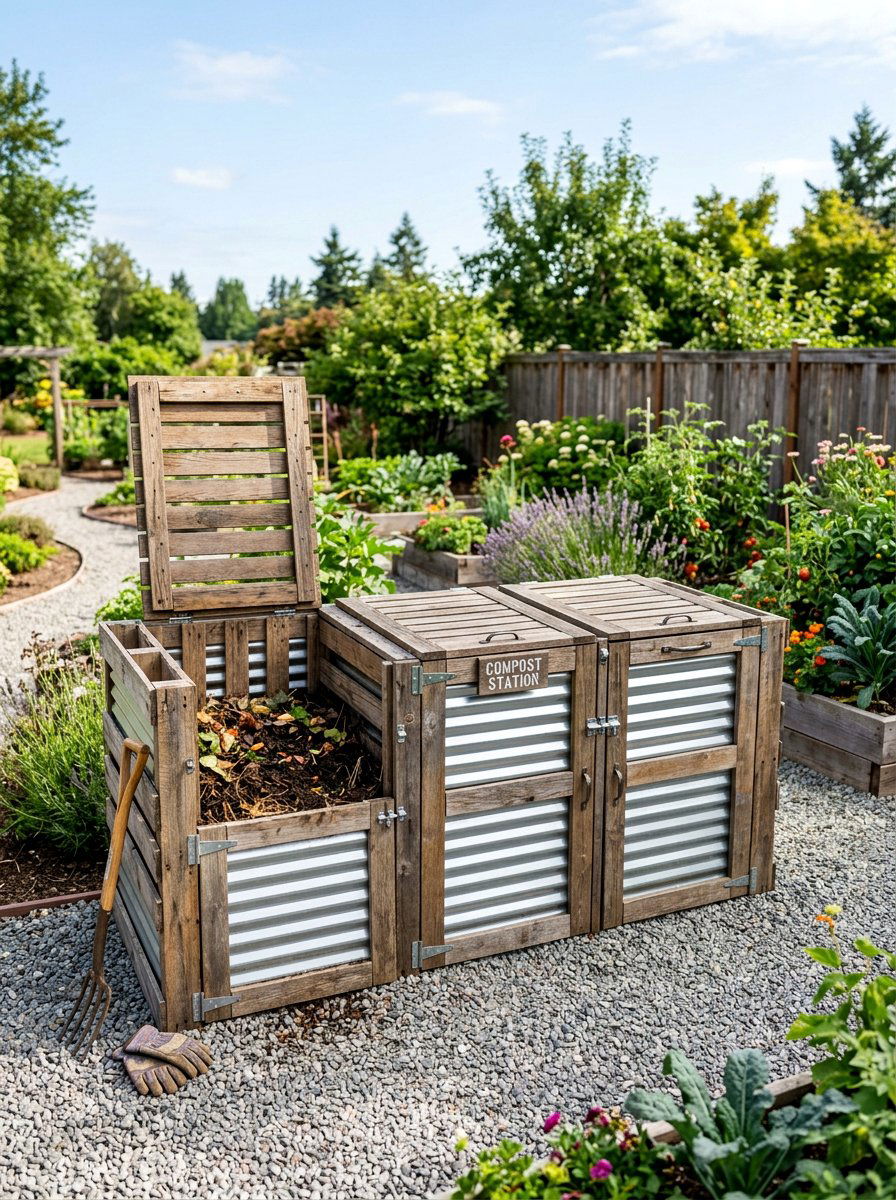
Incorporating corrugated metal into your pallet bin design adds an industrial flair and provides extra durability to the structure. By lining the interior or exterior with metal sheets, you create a bin that is resistant to rot and can withstand heavy use over many years. The combination of silver metal and weathered wood creates a modern farmhouse aesthetic that is very popular in contemporary garden design. This setup is particularly good at retaining heat, which can help speed up the composting process during the spring and fall. It is a rugged and stylish solution for anyone looking for a long-lasting DIY compost system.
16. Pallet bin on wheels
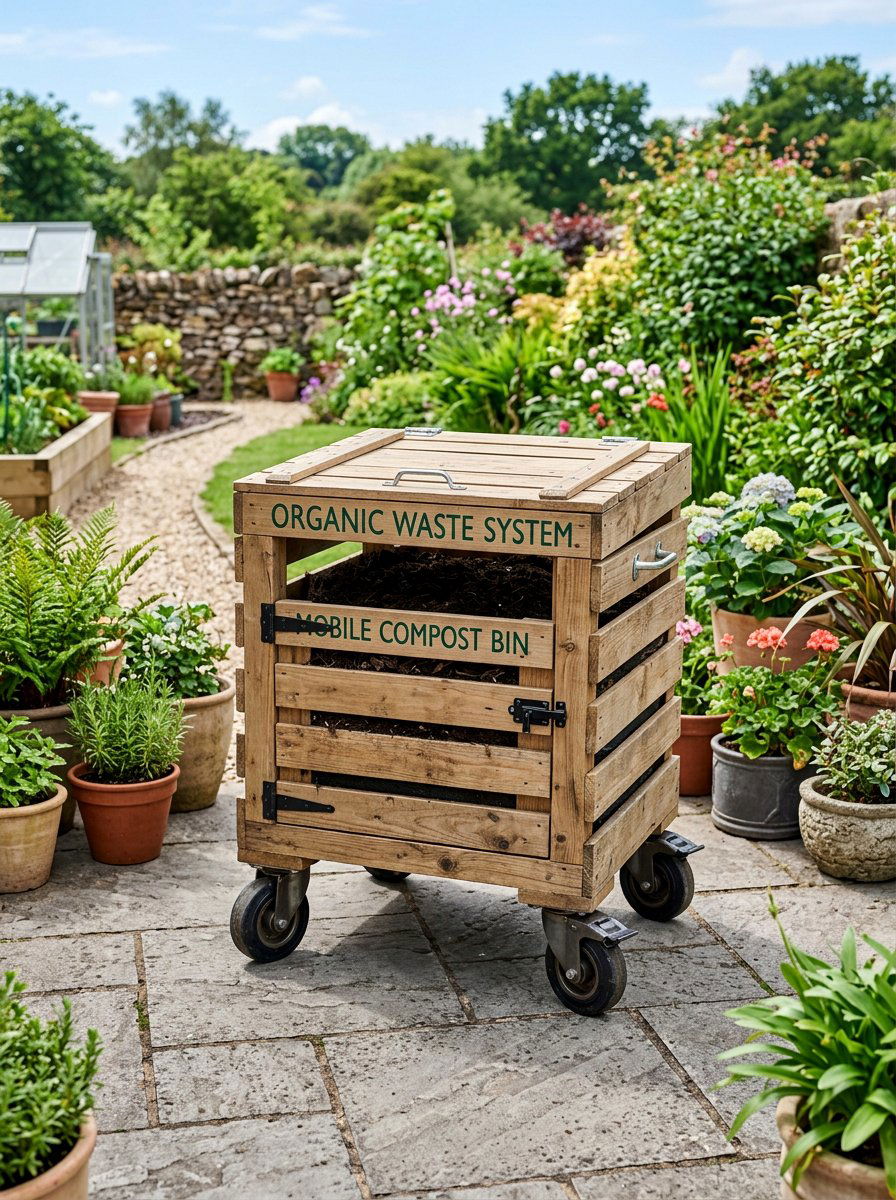
A pallet bin on wheels is a fantastic innovation for gardeners who need to move their composting operation around the yard. By attaching heavy-duty locking casters to a solid pallet base, you can easily roll the bin to wherever you are currently working. This is especially helpful if you want to move the bin into the sun during winter or into the shade during a hot summer. The mobility allows you to keep your garden layout flexible and makes it easy to clean the area underneath the bin. It is a practical and modern solution for maintaining a dynamic and organized outdoor workspace.
17. Pallet bin with vertical planter
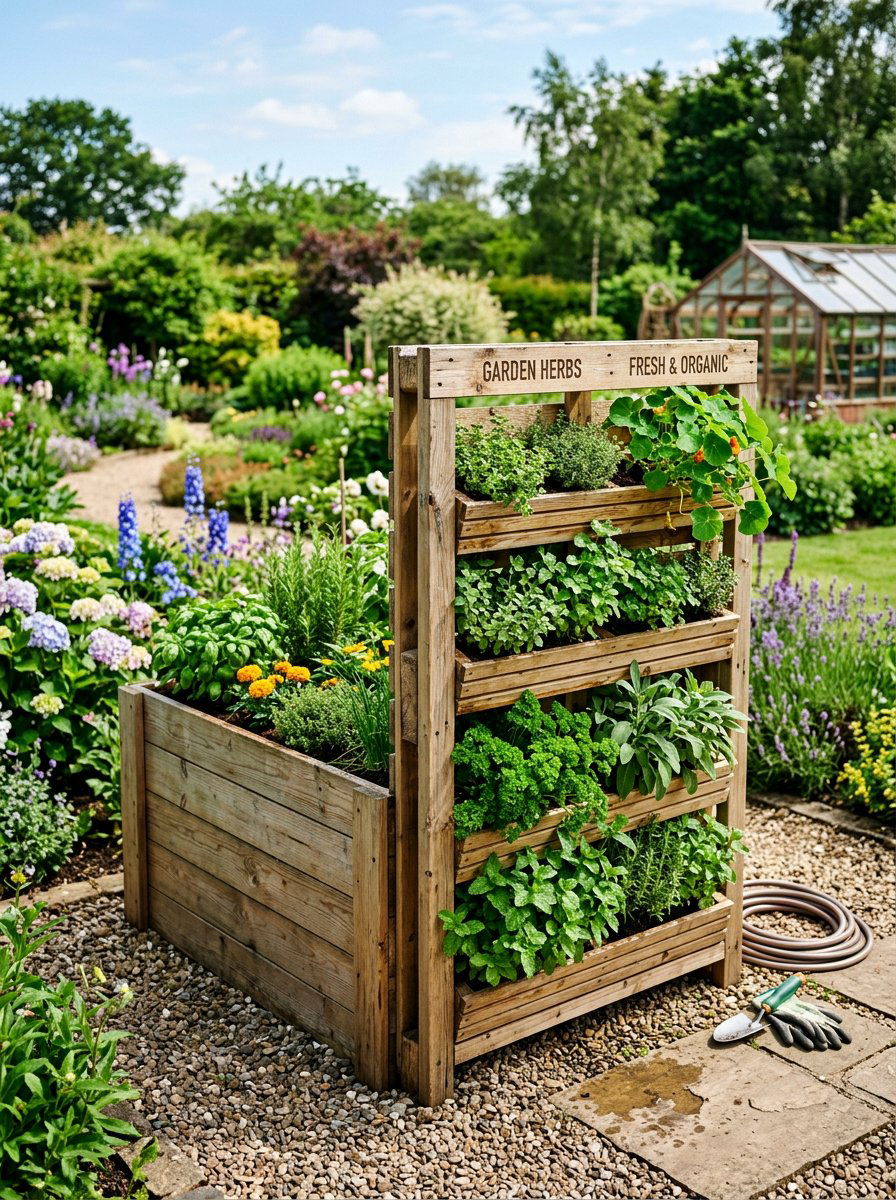
A pallet bin with a vertical planter turns the exterior of your compost station into a productive growing surface for herbs or flowers. You can attach small wooden boxes or pockets to the sides of the pallets and fill them with potting soil. As the compost inside breaks down, it creates a warm environment that can benefit the plants growing on the outside. This design maximizes your garden's footprint by stacking functions on top of each other. It turns a simple waste bin into a beautiful, living piece of garden art that provides both fertilizer and fresh produce in one compact unit.
18. Pallet bin for leaf mold
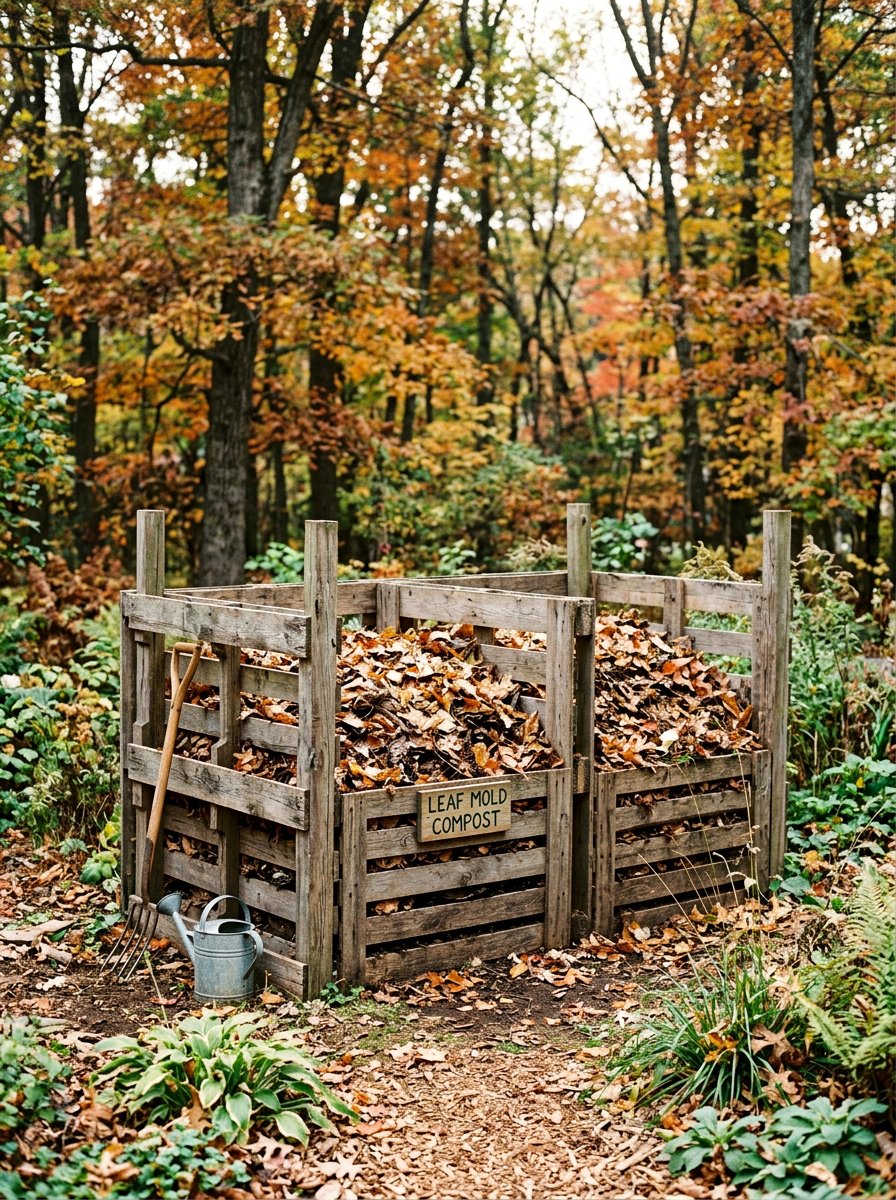
Creating a specific pallet bin for leaf mold is a great way to manage the large volume of fallen leaves during the autumn season. This design usually features wider gaps or a taller structure to accommodate the light and fluffy nature of dry leaves. Leaf mold is a fantastic soil conditioner, and having a dedicated pallet enclosure allows it to break down slowly over a year or two. You can tuck this bin into a wooded corner of your property where it can sit undisturbed. It is a low-maintenance way to recycle natural yard waste into a valuable resource for your garden beds.
19. Hidden garden pallet bin
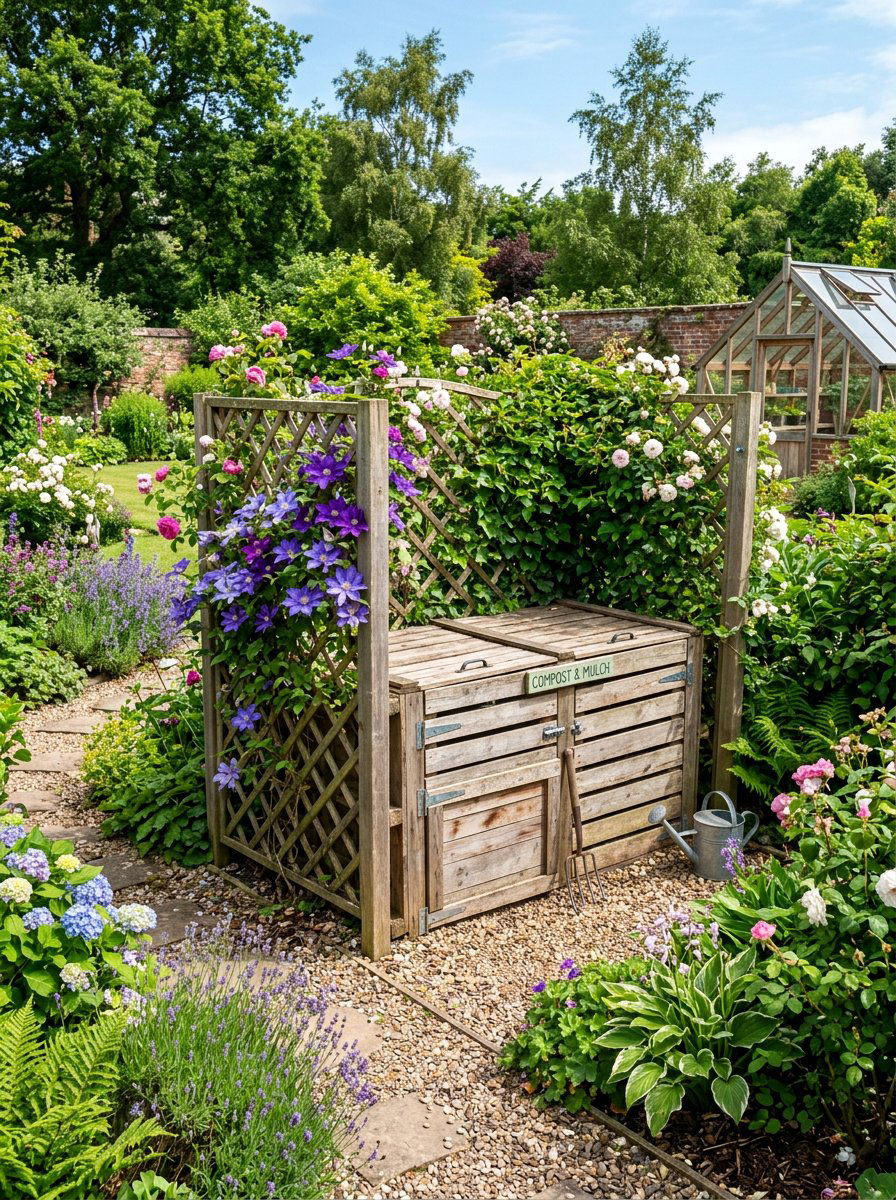
A hidden garden pallet bin is designed to be tucked away behind a decorative trellis or a row of tall perennials so it remains out of sight. This is a great option for those who want the benefits of composting but prefer to keep the utilitarian aspects of gardening hidden from their main patio area. You can use the pallets to create a screen that blends in with your fencing, making the bin almost invisible to guests. This thoughtful placement ensures that your backyard remains a beautiful place for relaxation while still being a highly productive and sustainable environment for growing healthy plants.
20. Pallet bin with trellis
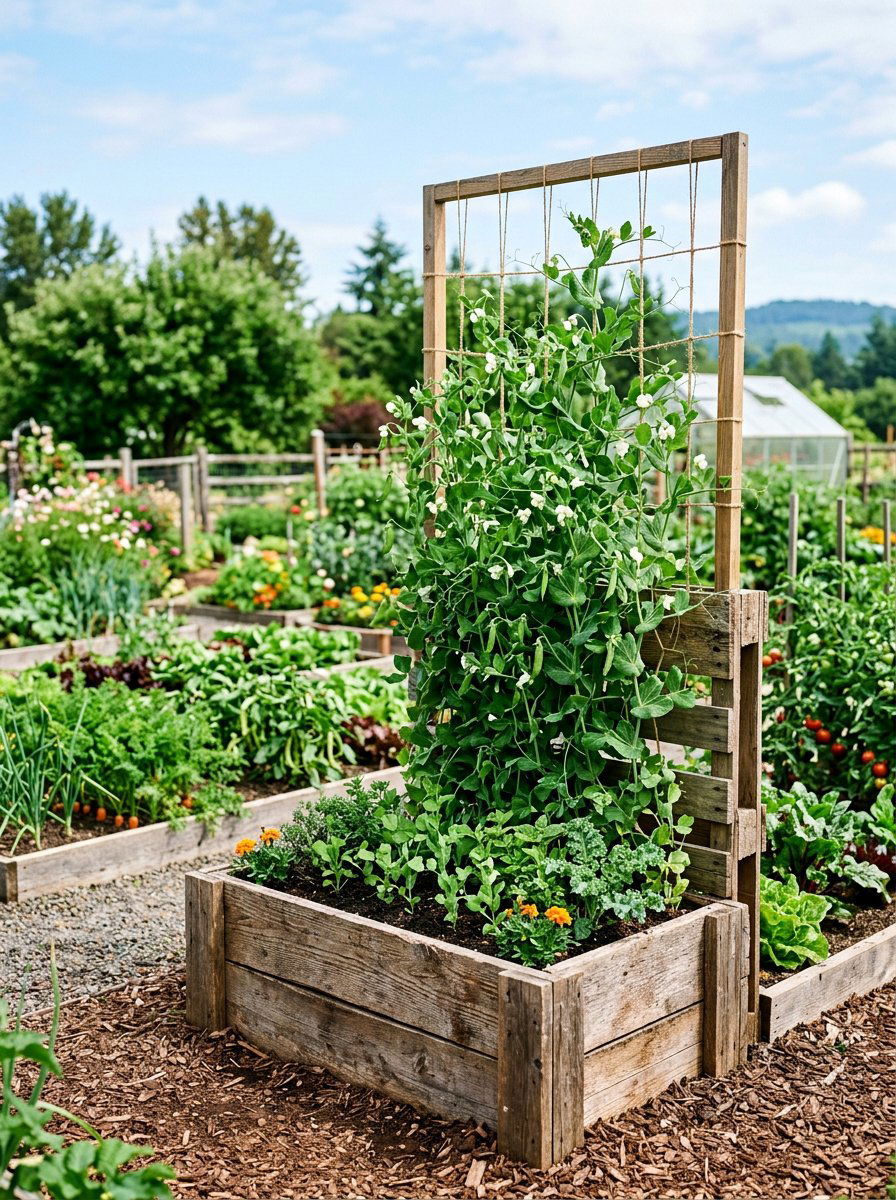
Adding a trellis to the back of your pallet bin allows you to grow climbing plants like peas, beans, or flowering vines right over the compost. The trellis provides structural support for the plants, while the compost bin below offers a convenient place to discard old foliage at the end of the season. This design creates a beautiful green wall that hides the contents of the bin and adds vertical interest to your garden. The moisture from the compost pile can even help keep the climbing plants hydrated during dry spells. It is a brilliant way to integrate beauty and function in a small backyard.
21. Chicken coop integrated bin
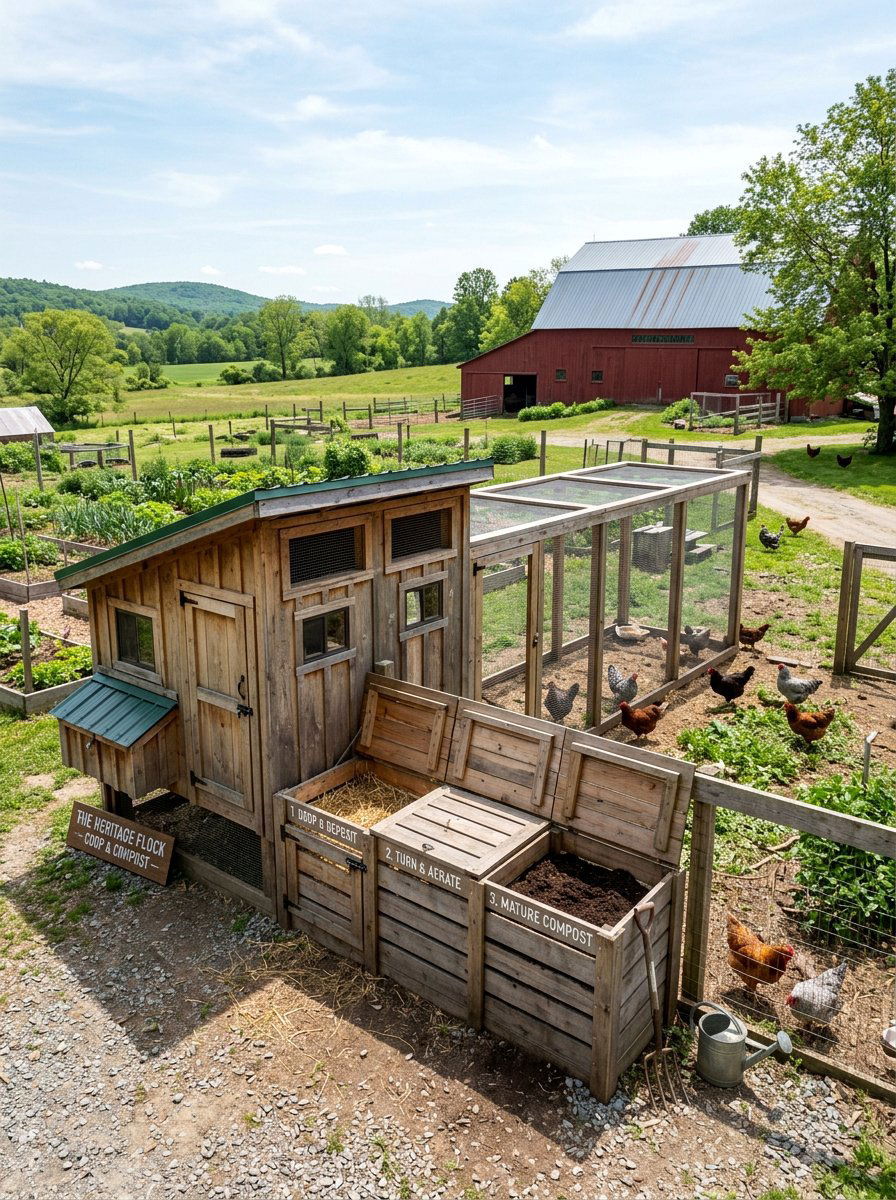
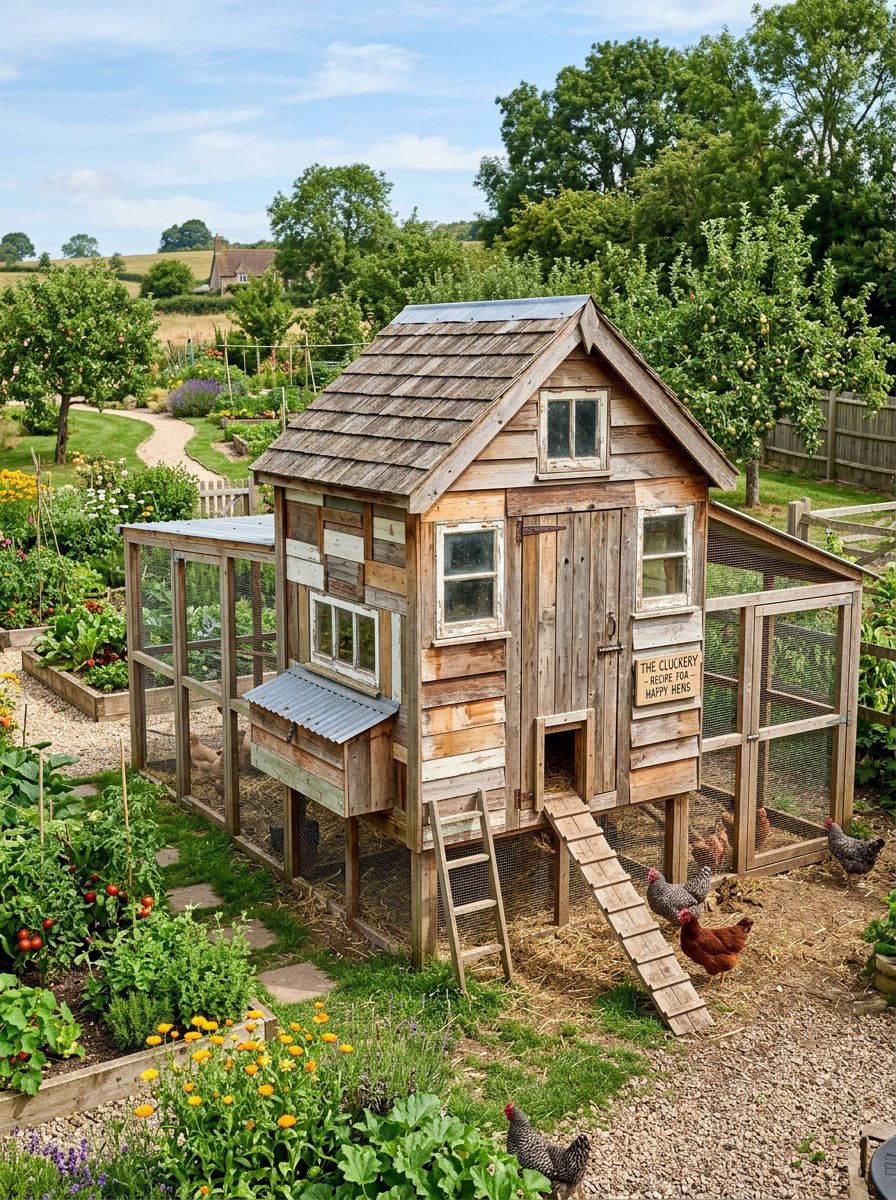
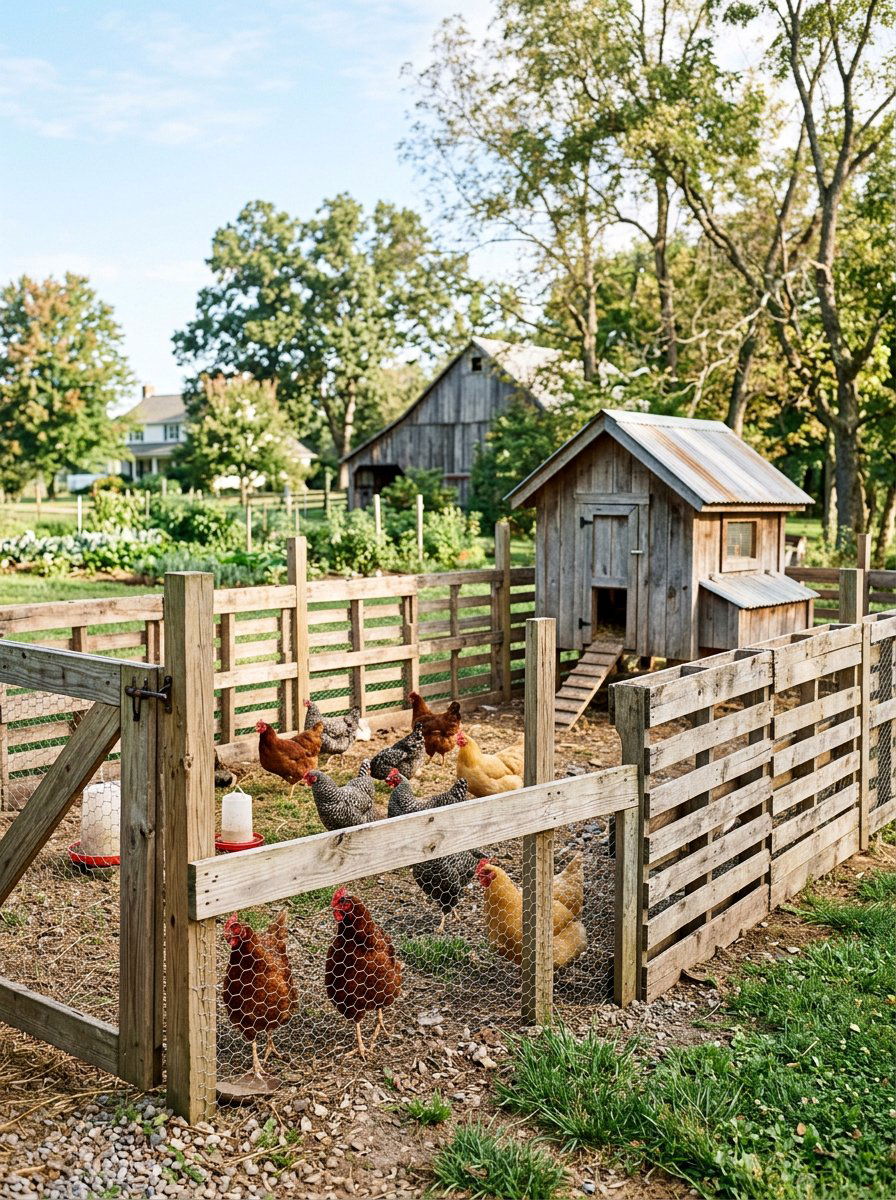
A chicken coop integrated bin is a smart design where the compost area is placed directly adjacent to the poultry run. This allows you to easily toss soiled bedding and manure straight into the bin for processing into high-quality fertilizer. Chickens can even be allowed to scratch through the top layers of the compost to find bugs, which helps turn the pile naturally. The sturdy pallet construction provides a safe barrier that keeps the main pile contained while still allowing for interaction with the birds. It is a perfect example of a closed-loop system that benefits both your animals and your garden soil.
22. Cedar wood pallet bin
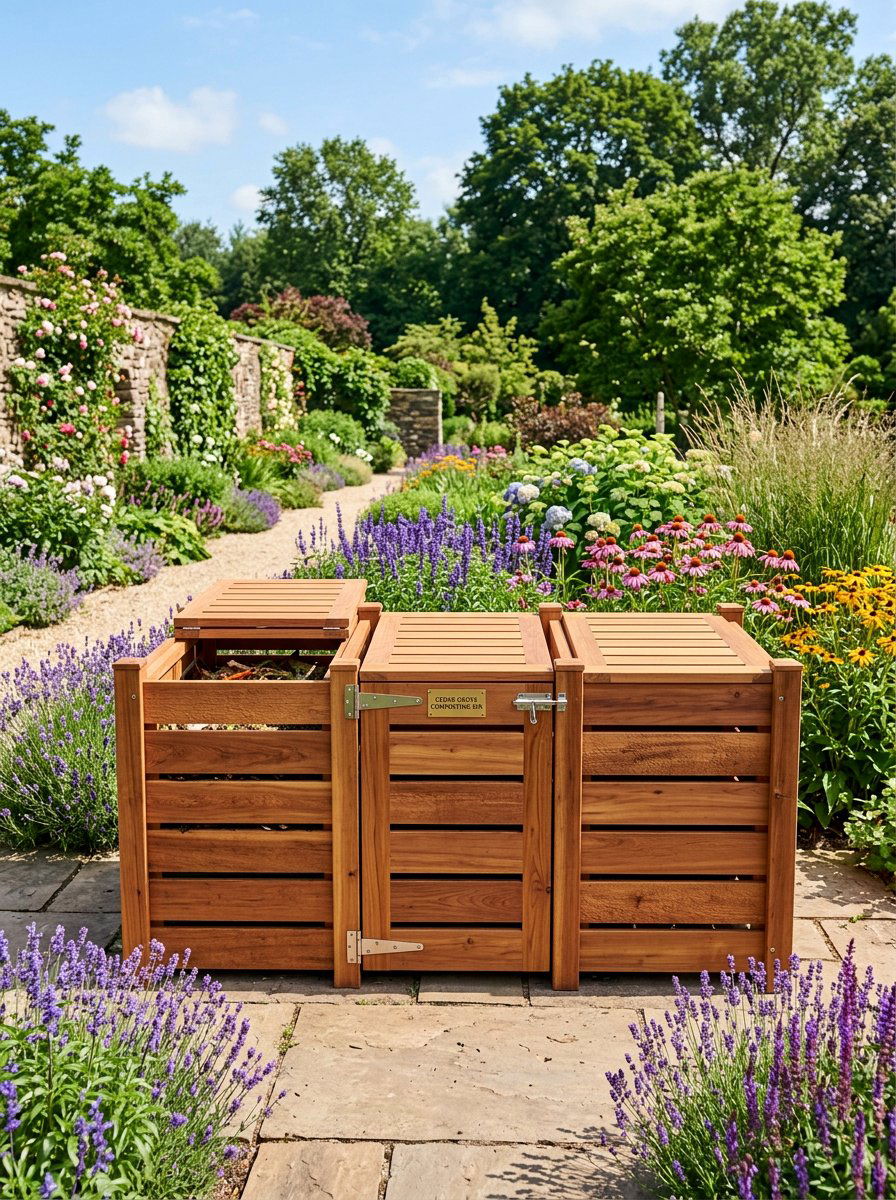
Finding or building a cedar wood pallet bin offers superior rot resistance and a beautiful aromatic quality to your composting area. Cedar is naturally resistant to decay and insects, making it one of the best materials for any outdoor project involving moisture. While these pallets are harder to find than standard pine, they provide a premium look and feel that lasts for decades. The warm reddish tones of the cedar will eventually weather to a graceful silver-gray, blending beautifully with the surrounding greenery. This high-end DIY project is worth the effort for a durable and attractive garden feature that stands the test of time.
23. Food waste specific bin
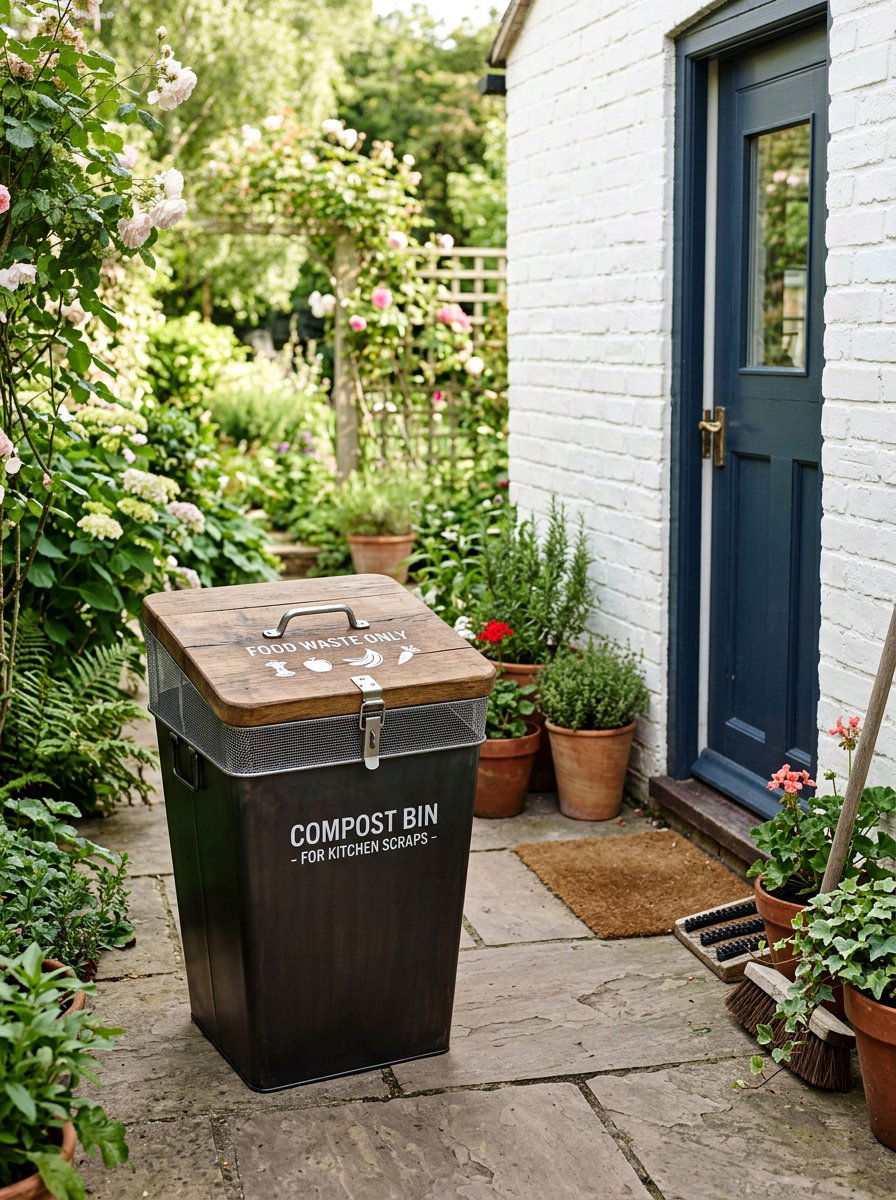
A food waste specific bin made from pallets is designed with extra-tight gaps and a secure lid to focus primarily on kitchen scraps. This setup is usually smaller and placed closer to the house for easy daily access when disposing of vegetable peels and coffee grounds. To prevent smells and attractants, this bin is often lined with fine mesh and managed with a strict ratio of brown materials like shredded paper. The design keeps the waste concentrated, allowing it to heat up quickly and break down efficiently. It is a practical solution for families looking to significantly reduce their weekly trash output through home recycling.
24. Large scale pallet composter
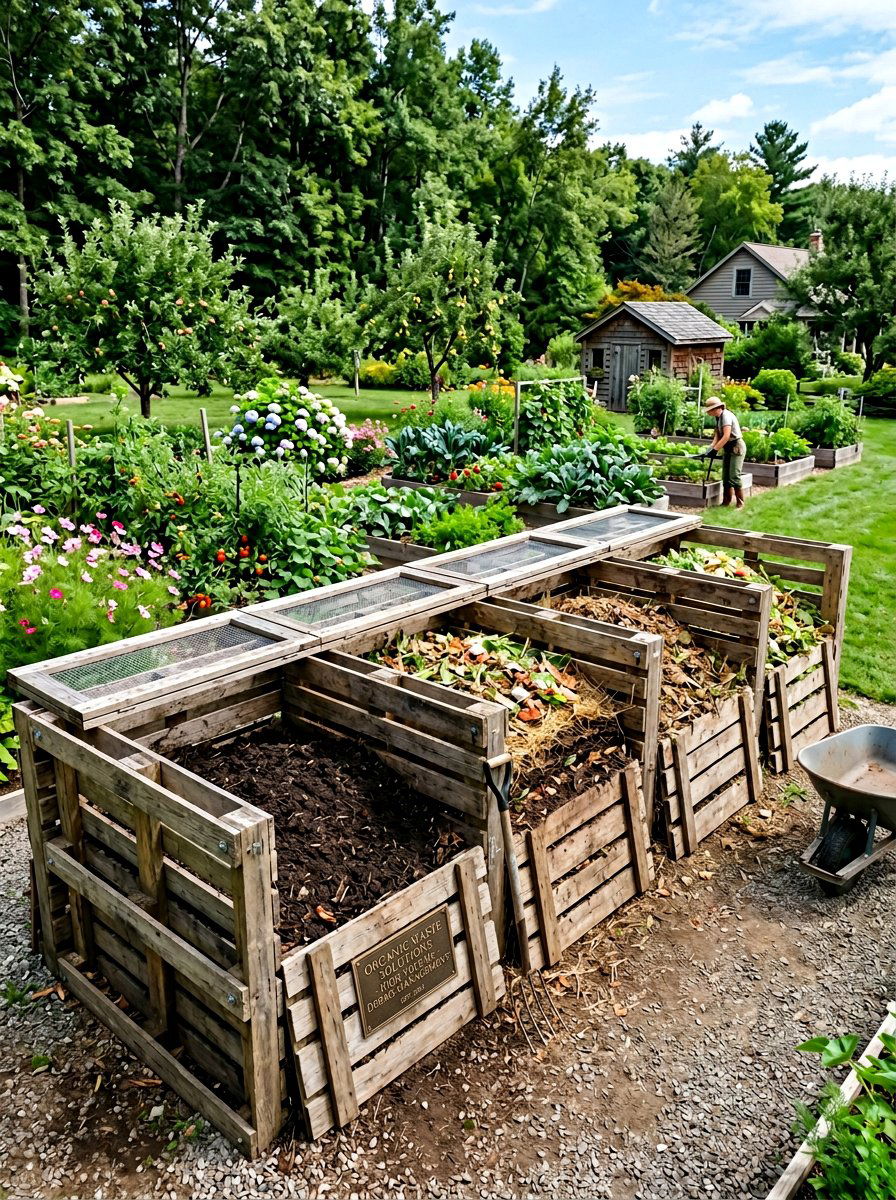
A large scale pallet composter is built by connecting several pallets together to form a massive enclosure for processing significant amounts of yard debris. This is ideal for properties with many trees, large lawns, or extensive vegetable gardens that produce a lot of waste. The sheer volume of material in a large bin helps maintain high internal temperatures, which can kill weed seeds and pathogens more effectively than smaller piles. You can use extra pallets to create internal dividers to manage different batches of compost simultaneously. This heavy-duty setup is a powerhouse for soil production and is essential for any serious homestead or large garden.
25. Decorative pallet compost bin
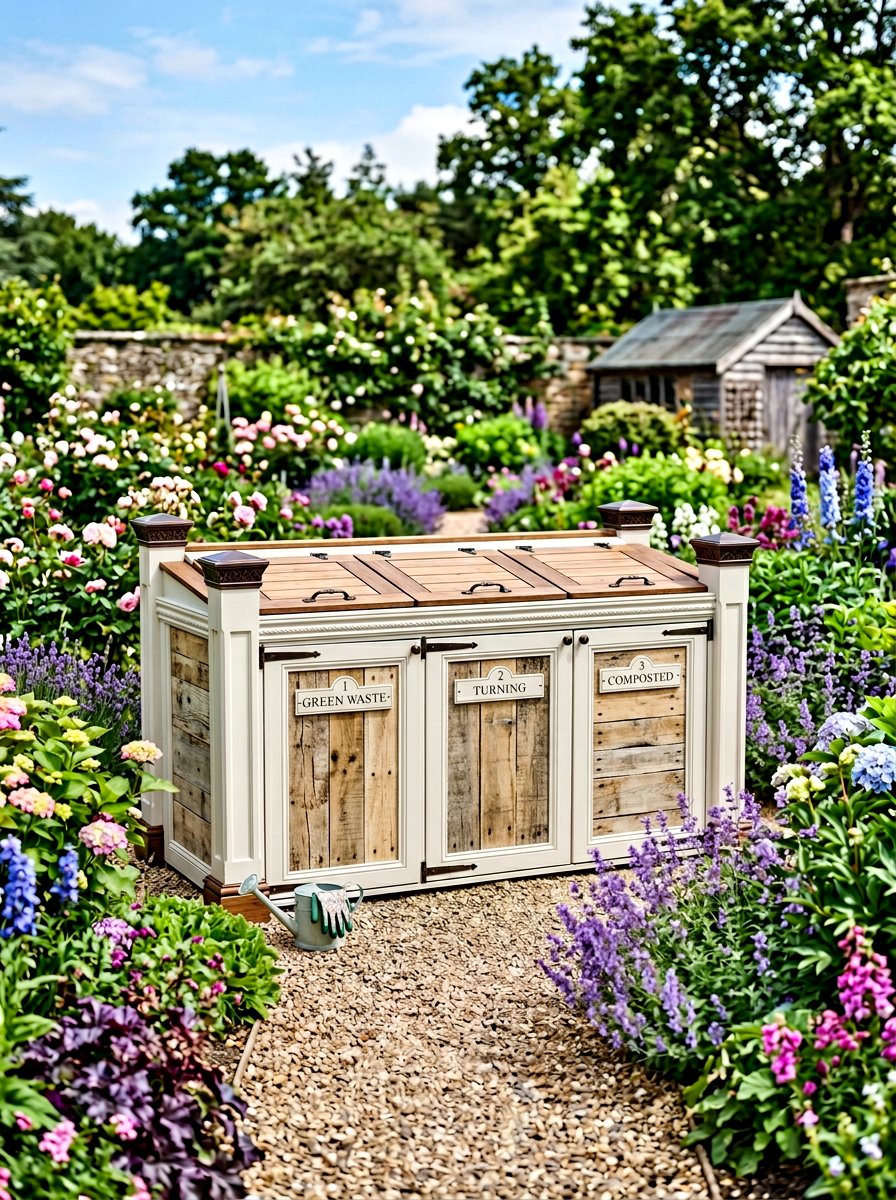
A decorative pallet compost bin focuses on aesthetics by adding trim, decorative caps to the posts, or even small window boxes to the structure. This approach treats the compost bin as a piece of garden furniture rather than just a utility item. You can use reclaimed wood accents or interesting hardware to give the bin a unique, handcrafted look. This design is perfect for gardeners who take great pride in the visual appeal of their entire property and want every element to look intentional. It proves that even a place for rotting waste can be beautiful and contribute to the overall charm of a well-kept home.
Conclusion:
Building a pallet compost bin is a transformative project that bridges the gap between waste management and garden productivity. By following these various design ideas, you can create a system that fits your specific space, aesthetic preferences, and gardening goals. Whether you choose a simple single bin or a complex three-bay system, the result is the same: a steady supply of rich, organic matter that will make your plants flourish. Composting is a rewarding habit that connects you more deeply with the natural cycles of growth and decay in your own backyard. Start your project today and enjoy the long-term benefits of a healthier, more sustainable garden.
Related DIY Ideas to Try: