
Creating a dedicated play space for your children does not have to be expensive or complicated when you utilize the versatility of wooden pallets. These reclaimed materials offer a sturdy foundation for building a custom sandbox that fits perfectly into your backyard landscape while promoting sustainable living. Many parents prefer pallets because they are readily available and can be transformed into creative play zones with just a few basic tools. Beyond the cost savings, building a pallet sandbox allows you to customize the size, height, and features to suit your child's specific developmental needs and interests. Whether you want a simple box or an elaborate themed structure, these projects provide endless hours of sensory play and outdoor exploration for your little ones throughout the warmer months of the year.
1. DIY Pallet Sandbox With Lid
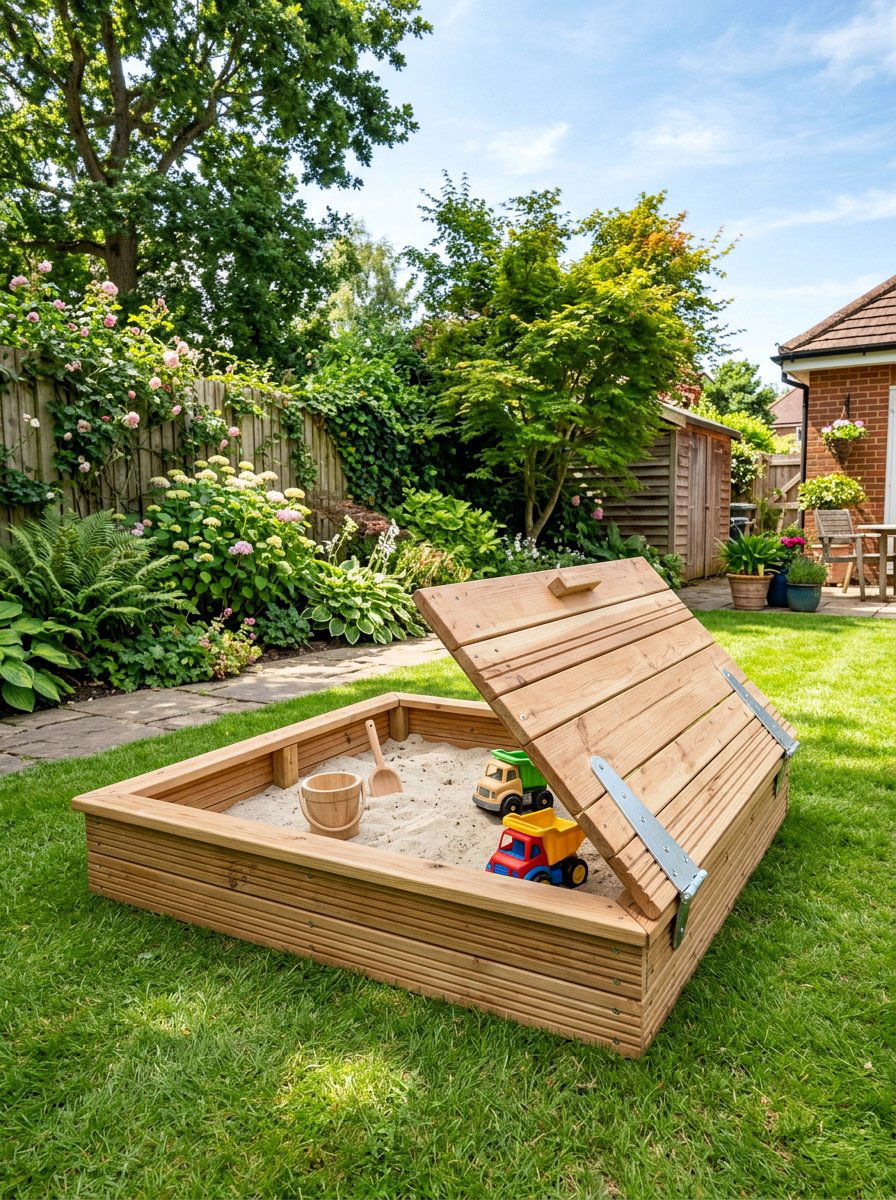
A DIY pallet sandbox with a lid provides a practical solution for keeping the play area clean and safe from neighborhood pets. You can repurpose old wooden pallets by disassembling them and rebuilding a sturdy frame that fits your space perfectly. The lid is crucial because it protects the white sand from rain, leaves, and debris when the kids are not playing. Using heavy-duty hinges allows children or adults to easily open and close the box themselves without any struggle. This project is incredibly budget-friendly and gives a second life to materials that might otherwise go to waste. You should ensure all wood is sanded down thoroughly to prevent splinters during playtime. A well-built lid can also double as a flat platform for other outdoor toys or games.
2. Pallet Sandbox With Bench
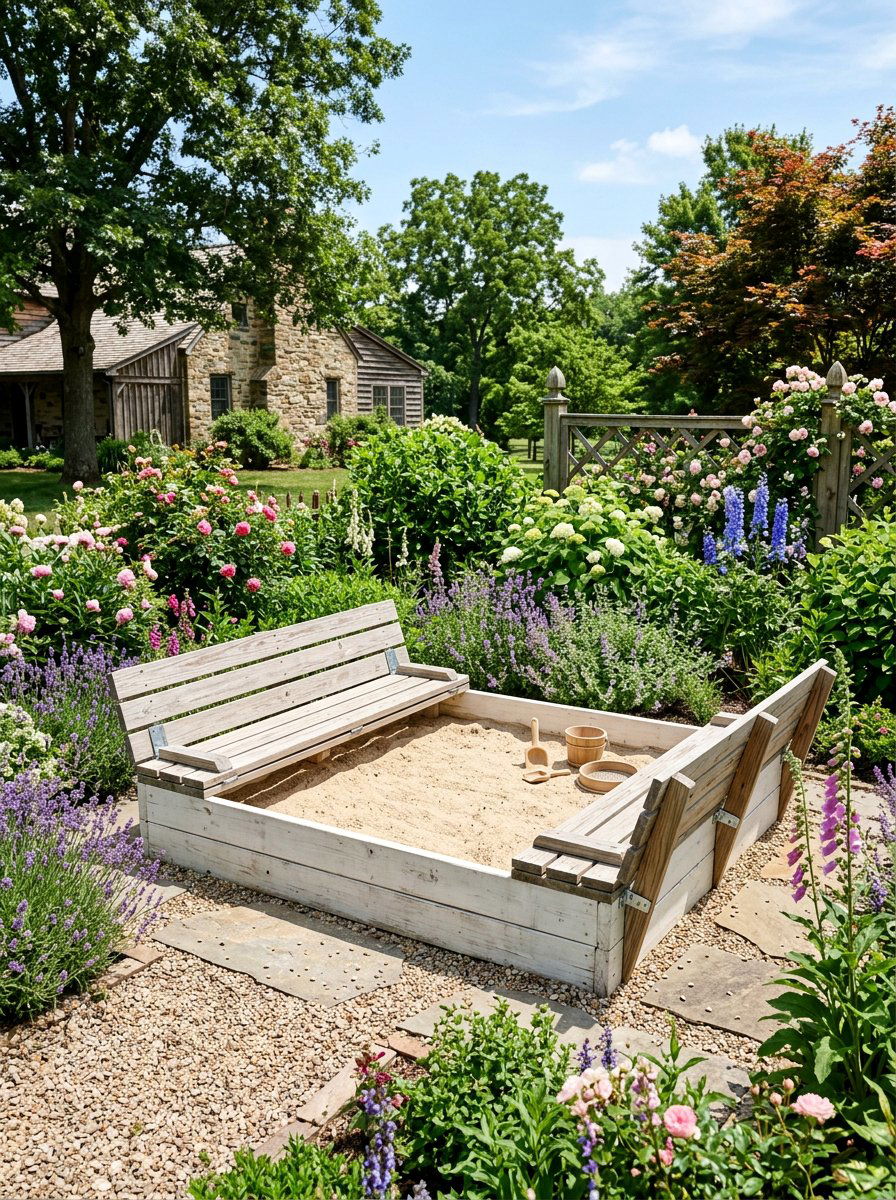
Building a pallet sandbox with a bench ensures that children have a comfortable place to sit while they dig and build. This design typically features a lid that folds back to reveal two sturdy wooden benches on either side of the play area. It is a brilliant way to maximize functionality because the seating disappears when you need to cover the sand. The backrests of the benches provide extra support for toddlers who are still developing their balance. You can use reclaimed pallet slats to create the seating surface and the folding mechanism. This setup keeps children off the hot sand on sunny days and encourages longer periods of focused play. Adding a few outdoor cushions can make the seating even more inviting for young children.
3. Painted Outdoor Pallet Sandbox
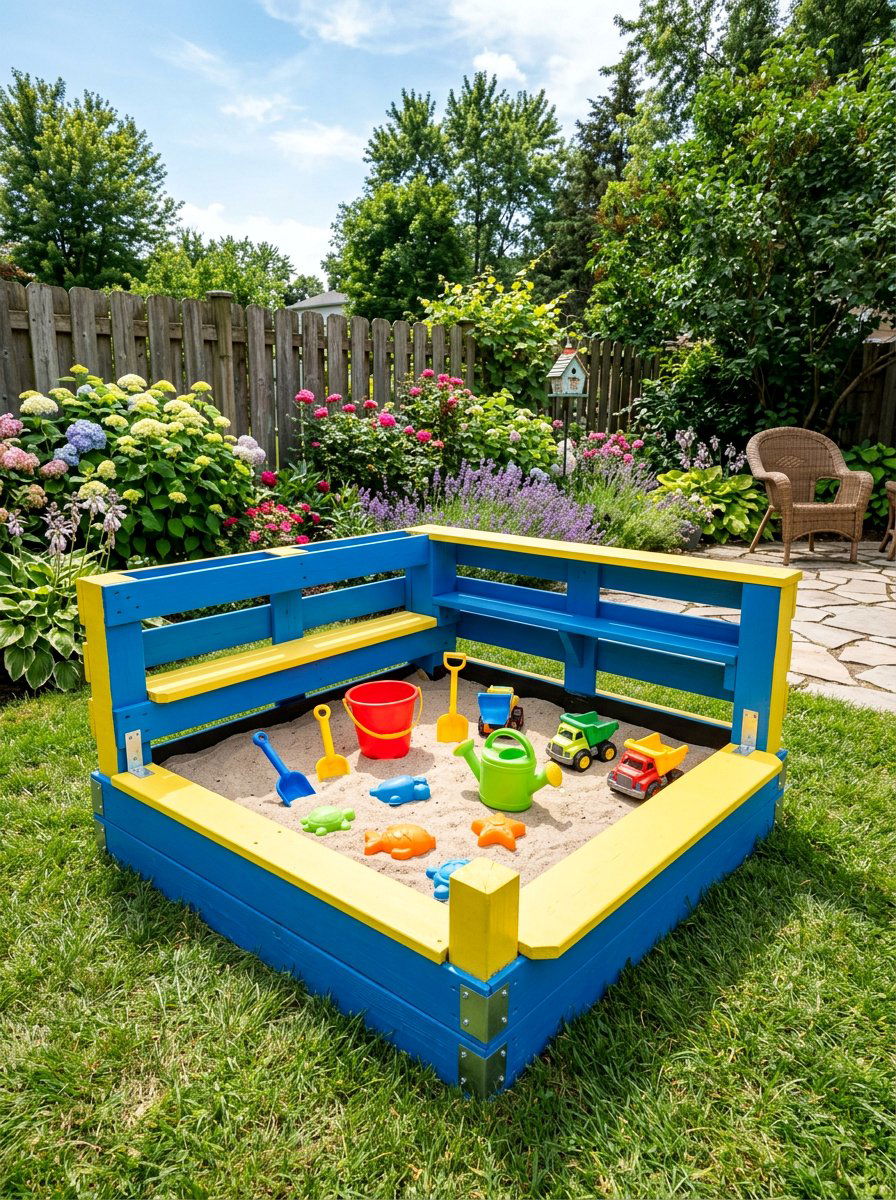
A painted outdoor pallet sandbox adds a vibrant splash of color to your backyard while protecting the wood from the harsh elements. Using non-toxic, exterior-grade paint is essential to ensure the safety of your children during their daily play sessions. You can choose bright primary colors like red, blue, or yellow to create a stimulating environment that attracts their attention. Alternatively, soft pastels or earth tones can help the sandbox blend seamlessly with your existing garden furniture and landscaping. Painting the pallet wood also helps to seal the grain and prevent moisture from causing premature rot or decay. This simple customization allows you to express your creativity while providing a durable and attractive play space. Kids often love helping with the painting process to feel ownership.
4. Pallet Sandbox With Canopy
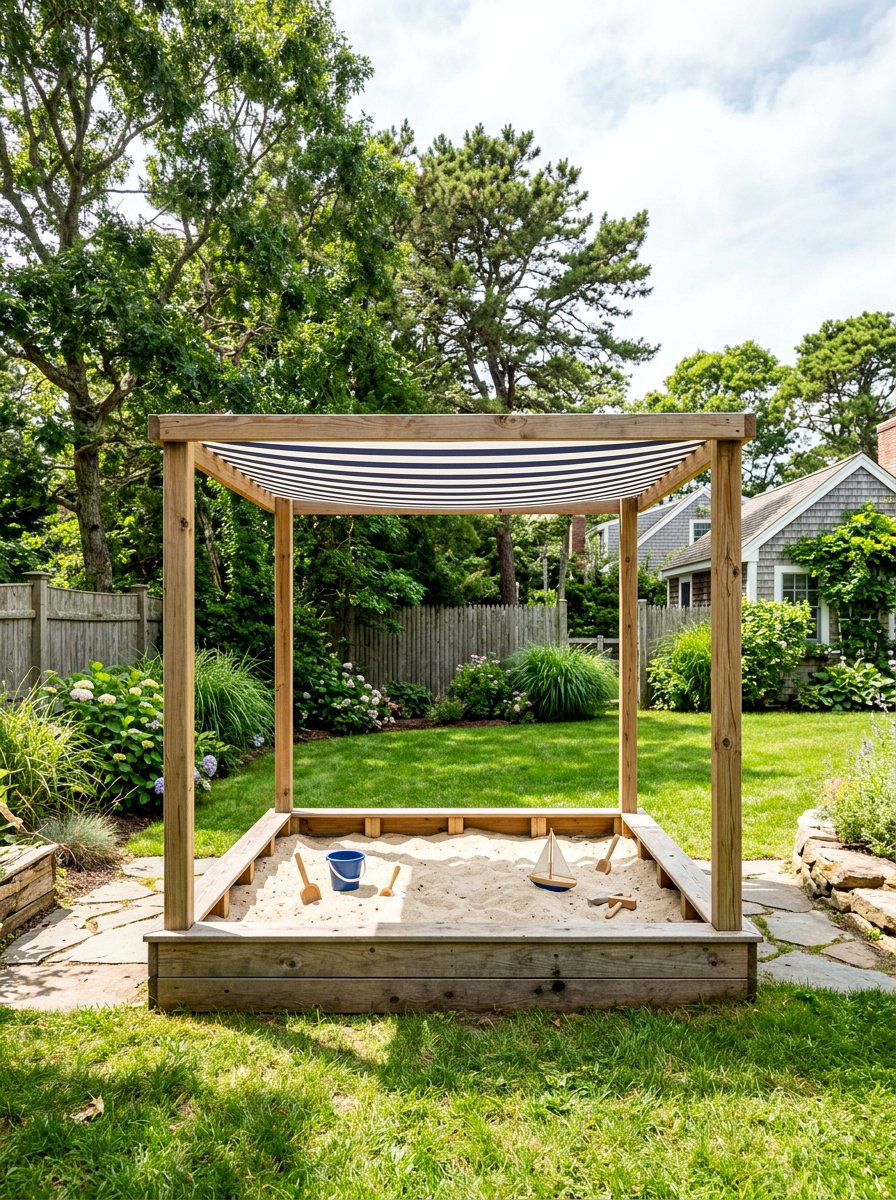
Installing a pallet sandbox with a canopy is the perfect way to provide much-needed shade during the hot summer afternoons. You can build a simple wooden frame extending from the corners of the pallet base to support a fabric or mesh cover. This overhead protection blocks harmful UV rays and keeps the sand cool enough for little feet and hands to enjoy comfortably. Many parents choose colorful striped canvas or waterproof outdoor fabric for the canopy material to add a playful touch. The height of the canopy should be tall enough for children to stand under but low enough to provide effective shade. This design turns a basic sandbox into a cozy outdoor retreat where kids can stay protected from the direct sun.
5. Pirate Ship Pallet Sandbox
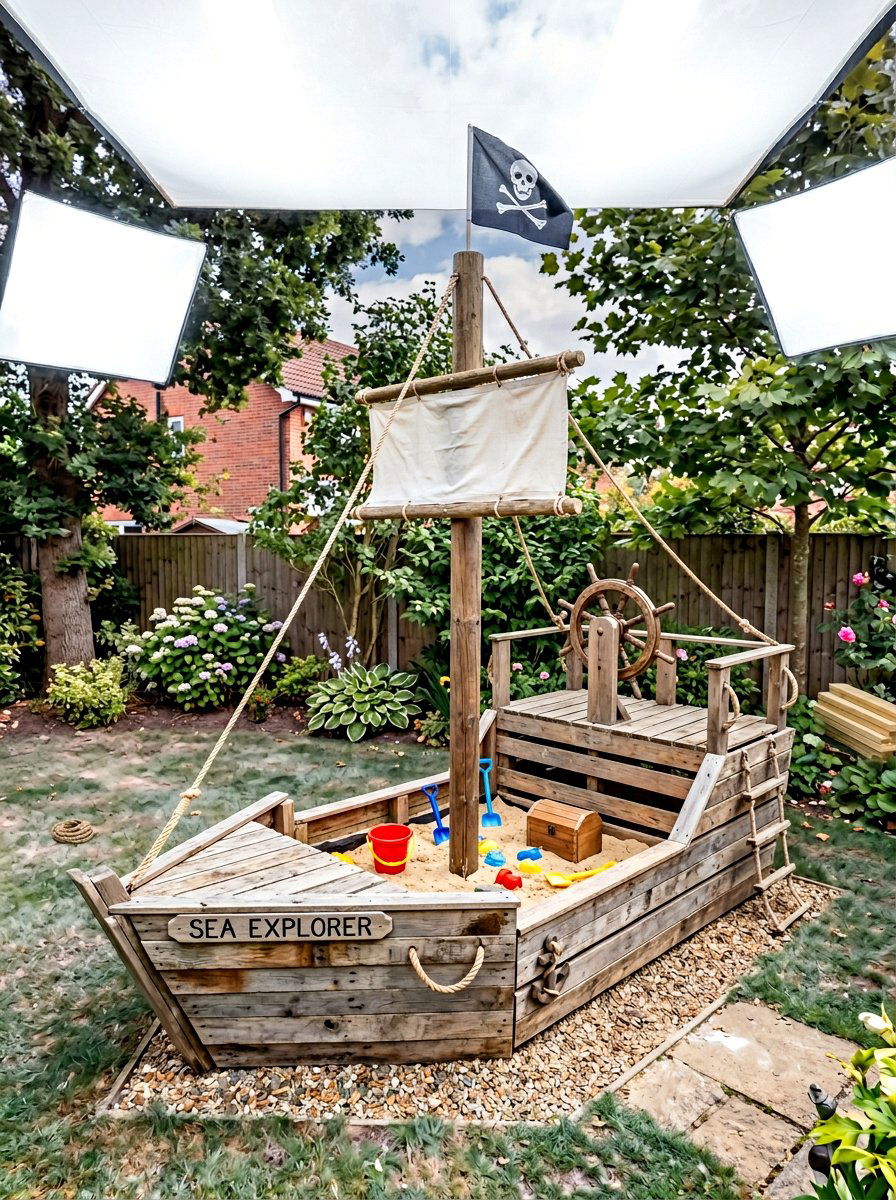
A pirate ship pallet sandbox sparks the imagination and transforms a standard play area into a high-seas adventure for your little explorers. You can arrange the pallets to create a pointed bow at one end and a raised deck at the back for a steering wheel. Adding a tall wooden mast made from a sturdy post with a fabric sail completes the nautical look perfectly. This themed design encourages role-playing and social interaction among children as they pretend to navigate the ocean waves. You might even include a small telescope or a wooden treasure chest to enhance the pirate theme. Using different shades of brown and gray stain can give the wood a weathered, authentic ship appearance that kids will absolutely love.
6. Small Backyard Pallet Sandbox
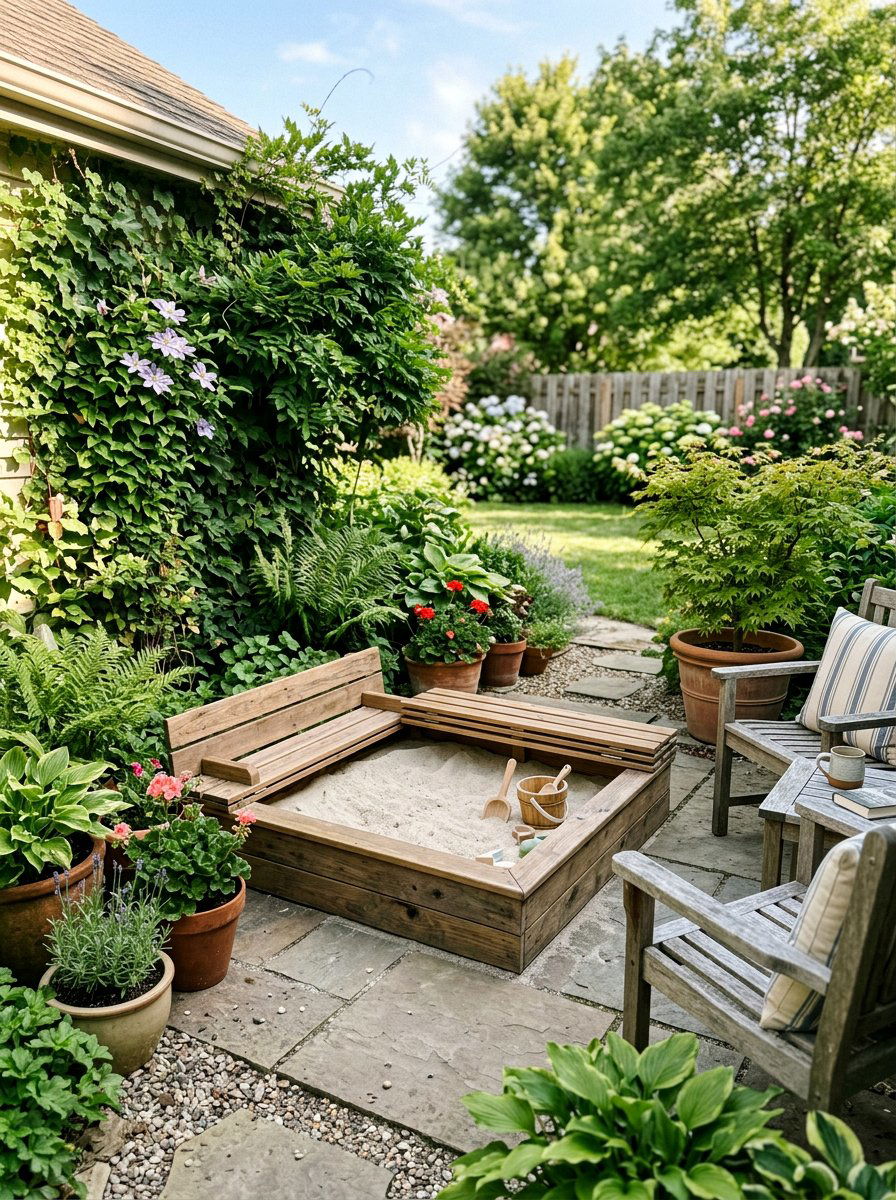
A small backyard pallet sandbox is the ideal solution for families who have limited outdoor space but still want a dedicated play zone. By using just one or two pallets, you can create a compact and efficient square or rectangular box that fits into a corner. This smaller scale makes it easier to manage the amount of sand required and simplifies the maintenance process over time. Even with a smaller footprint, the sandbox provides plenty of room for a toddler to engage in sensory play and digging. You can easily move or relocate a small pallet structure if you decide to reorganize your patio or garden layout. This project proves that you do not need a massive yard to provide your children with a fun outdoor experience.
7. Large Square Pallet Sandbox
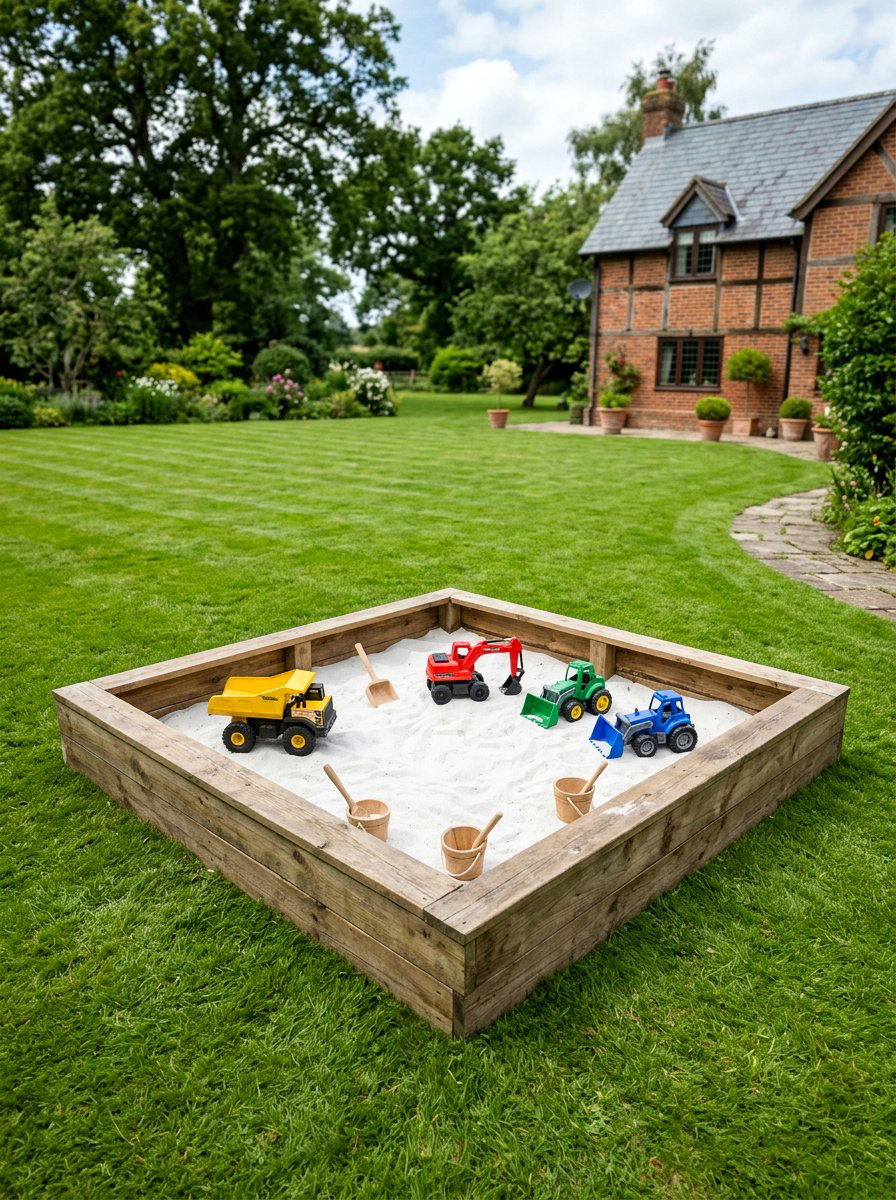
Constructing a large square pallet sandbox offers ample room for multiple children to play together without feeling crowded or bumping into each other. This design uses several pallets joined together to create a wide, expansive area that accommodates various buckets, shovels, and trucks. It is the perfect choice for families with several kids or for those who frequently host playdates in their backyard. The large perimeter provides plenty of space for parents to sit on the edge and interact with their children during playtime. You should ensure the base is properly lined with landscape fabric to prevent weeds from growing up through the sand. A large sandbox becomes the central focal point of the yard, inviting kids to engage in collaborative building projects.
8. Pallet Sandbox With Umbrella
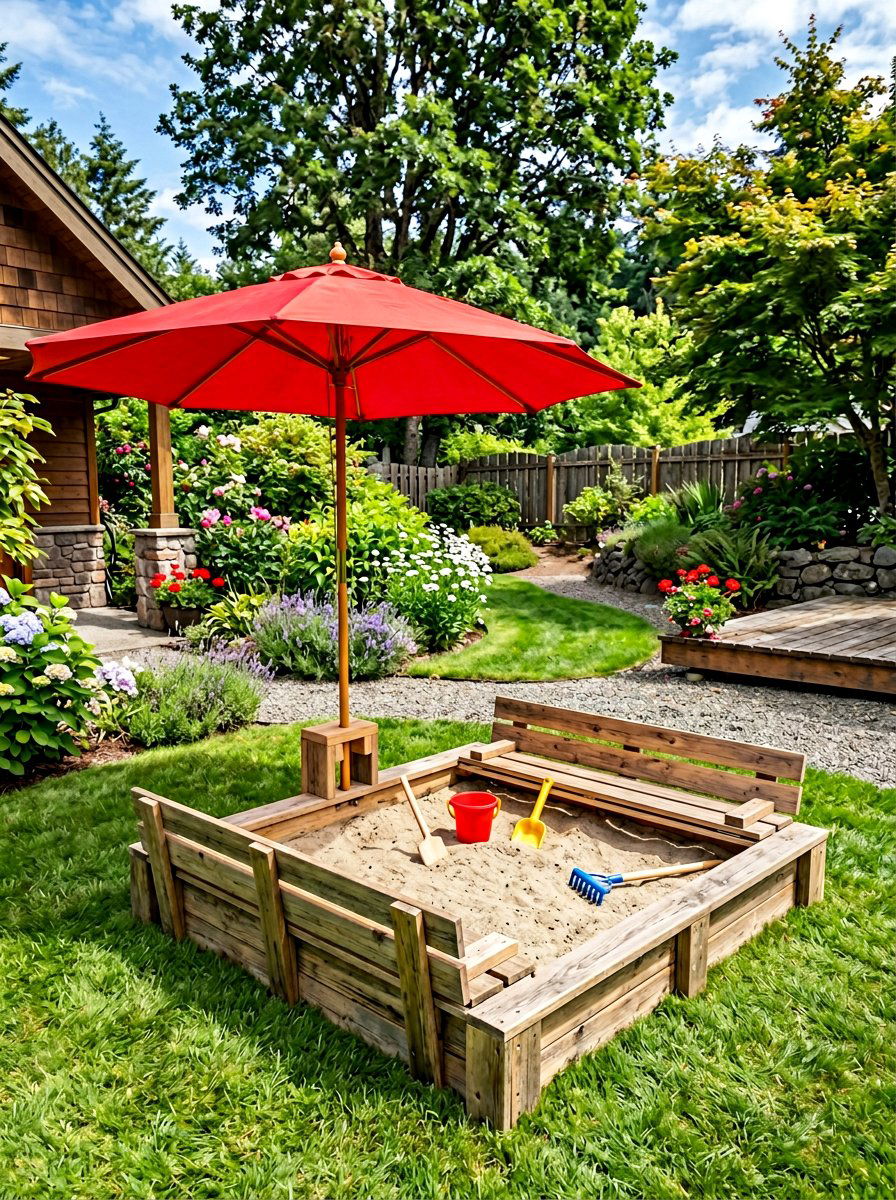
A pallet sandbox with an umbrella is a quick and effective way to add adjustable shade to your child's play area. You can easily drill a hole through the center or corner of the pallet frame to securely hold a standard patio umbrella. This allows you to move the shade as the sun changes position throughout the day, ensuring constant protection for the kids. Using a colorful or patterned umbrella adds a cheerful aesthetic to the wooden structure and makes it feel more like a vacation spot. It is a great alternative to a permanent canopy if you want the flexibility to remove the shade during cloudy days. The umbrella also protects the sand from light rain showers, keeping it dry and ready for immediate use.
9. Boat Shaped Pallet Sandbox
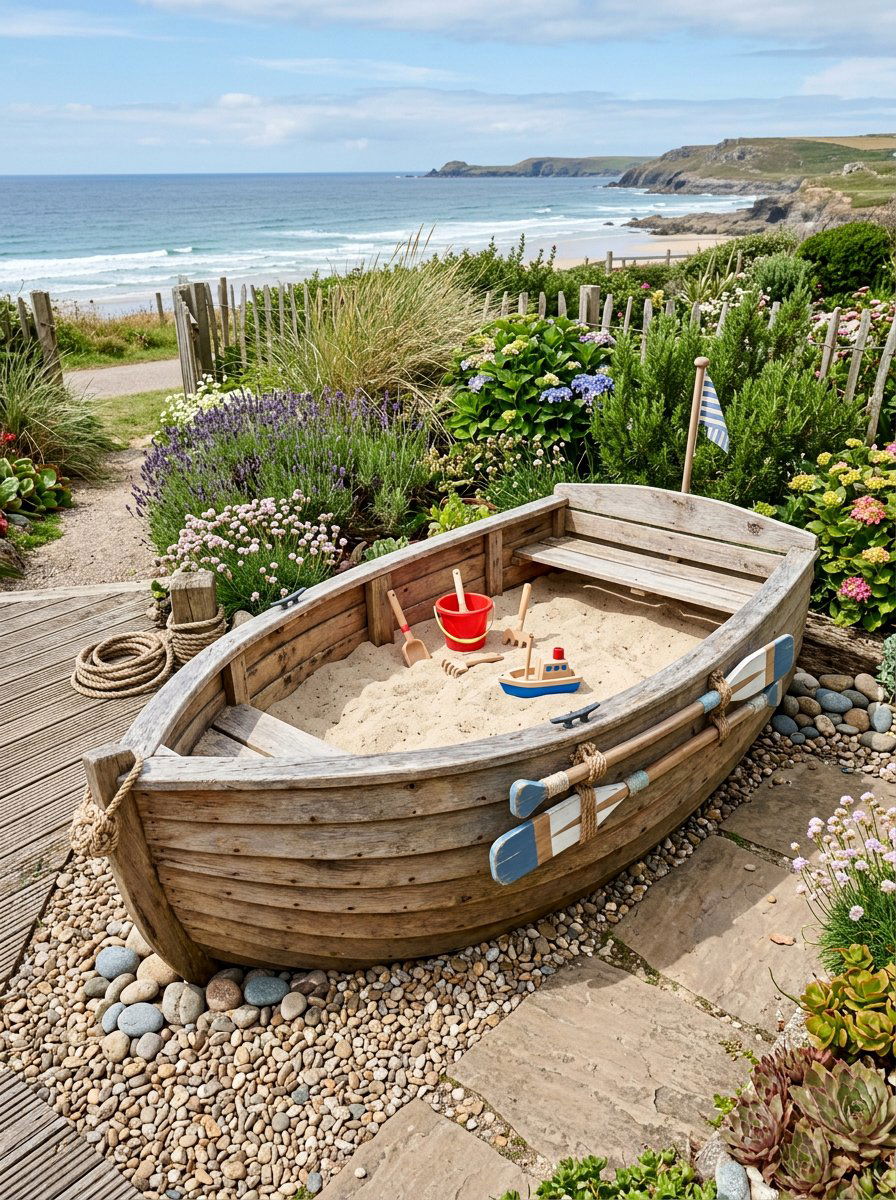
Designing a boat shaped pallet sandbox brings a unique and whimsical element to your garden that kids will find completely irresistible. Unlike a standard square box, this shape involves angling the pallet slats at one end to form a bow. This creative silhouette looks beautiful in a landscape and provides different zones for play, such as a seating area at the stern. You can add small details like wooden oars on the sides or a blue-painted border to represent the surrounding water. This shape is especially popular for coastal-themed backyards or for families who enjoy spending time on the water. The boat design offers a larger interior space while maintaining a visually interesting and dynamic profile in your outdoor living area.
10. Pallet Sandbox With Storage
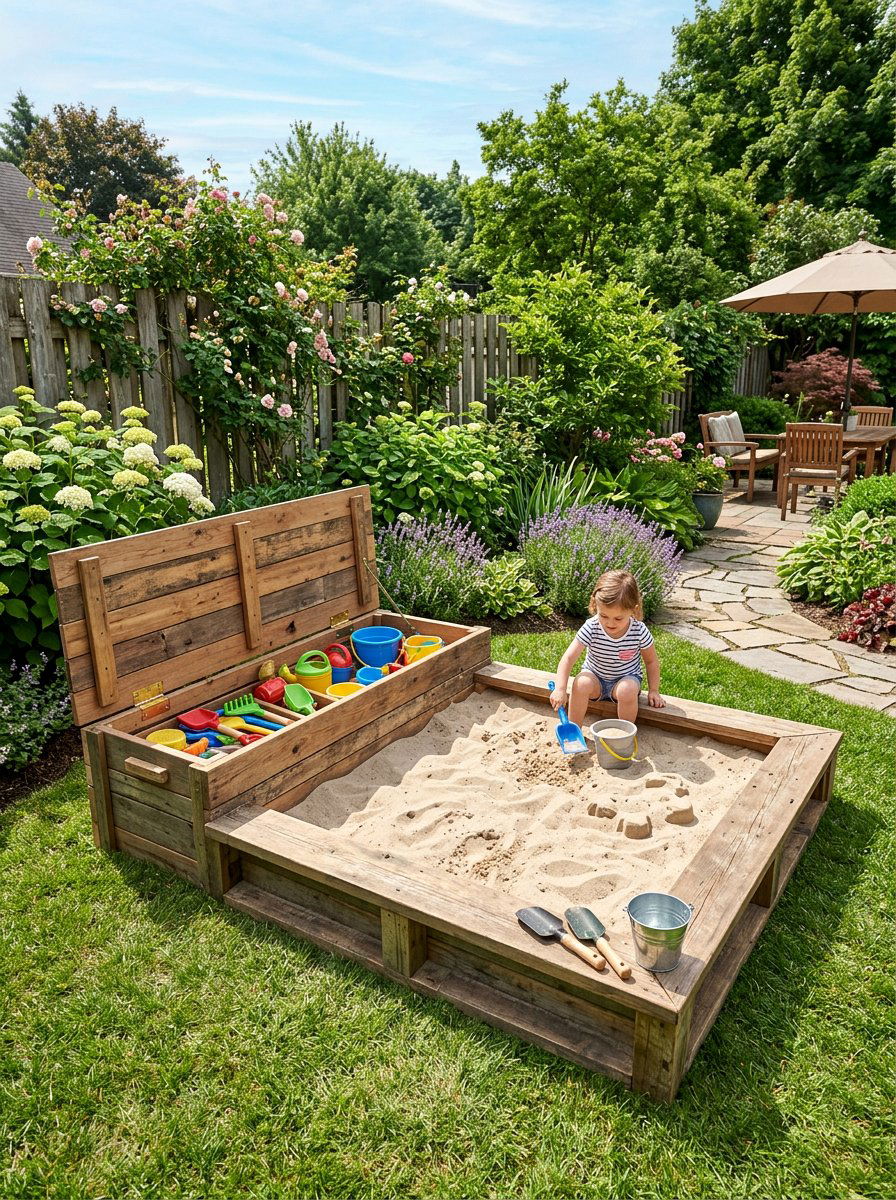
A pallet sandbox with storage is a highly functional choice that helps keep your backyard tidy and organized at all times. You can build a small compartment at one end of the pallet frame with a hinged lid to hold toys. This integrated storage box is perfect for stashing away shovels, buckets, molds, and trucks when play time is over for the day. It prevents toys from being scattered across the lawn and protects them from fading in the sun or getting lost. Having a dedicated spot for accessories encourages children to learn how to clean up their own play area after they are finished. This thoughtful addition maximizes the footprint of the sandbox while providing a much-needed organizational solution for busy parents.
11. Double Pallet Sandbox
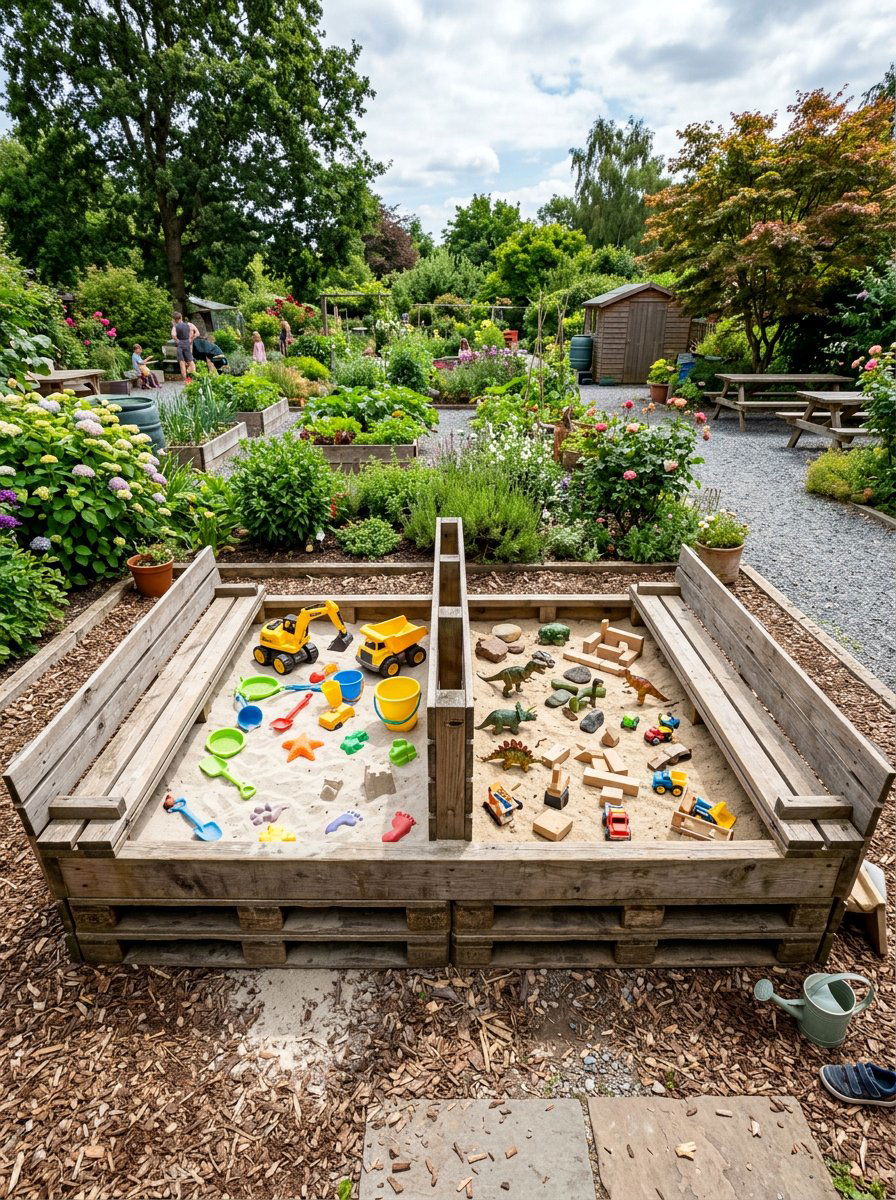
The double pallet sandbox is an excellent option for creating distinct play zones or for accommodating a larger group of children. By joining two full-sized pallets side-by-side, you create a long and spacious trough that allows for different activities to happen simultaneously. One side could be dedicated to traditional sand play, while the other side features a different texture or a set of building blocks. This layout is particularly useful for preventing arguments between siblings who might want their own personal space to build. The central divider, created where the two pallets meet, can serve as a convenient shelf for holding toys or drinks. It is a sturdy and impressive structure that makes a significant impact on your backyard's play potential.
12. Raised Pallet Sandbox
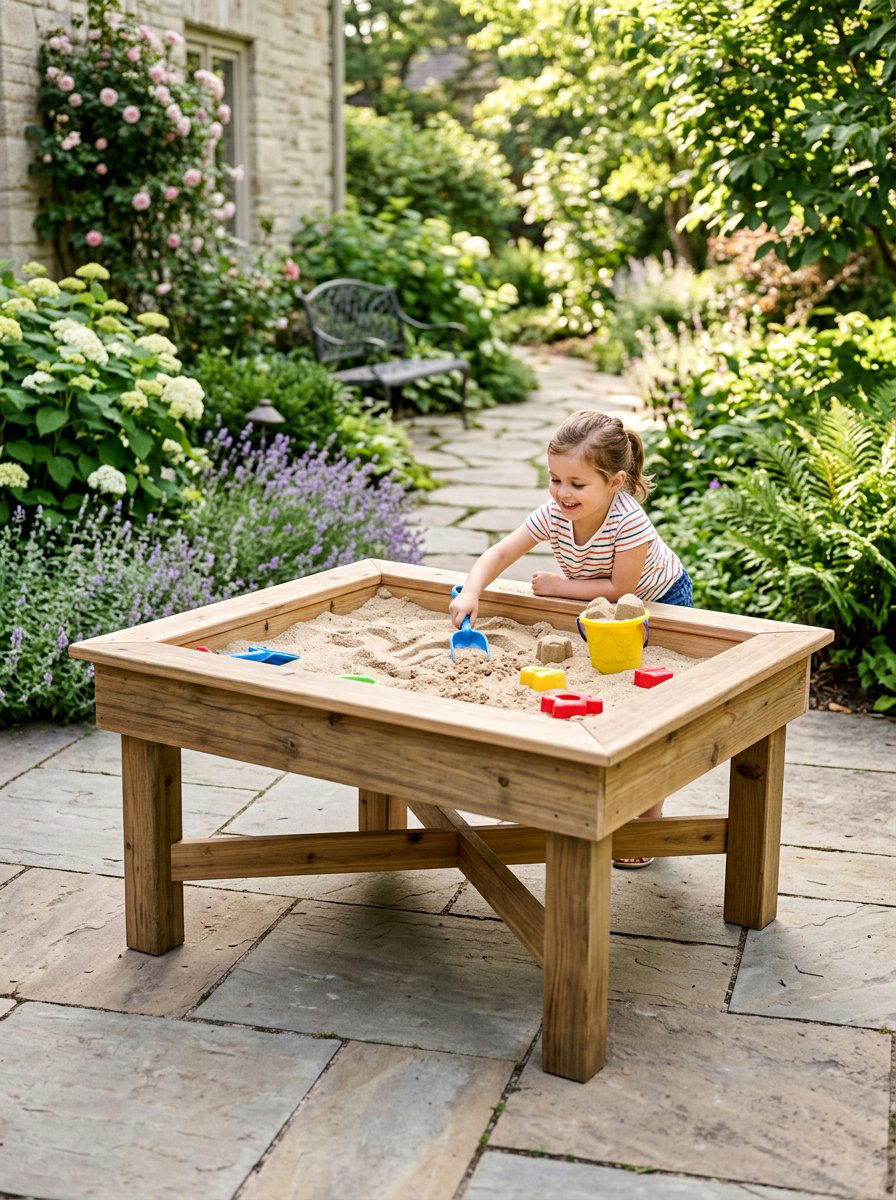
A raised pallet sandbox is a smart design choice that keeps the play area off the ground and at a more comfortable height. By adding sturdy legs to the corners of the pallet frame, you can elevate the sand to waist level for young children. This setup is ideal for kids who prefer to stand while they play or for those with mobility issues who find it difficult to sit on the ground. It also helps to keep the sand cleaner by preventing grass clippings and dirt from blowing inside the box easily. A raised box can be placed on a patio or deck without causing damage to the surface underneath it. This elevated perspective gives children a different way to interact with their toys and surroundings.
13. Corner Pallet Sandbox
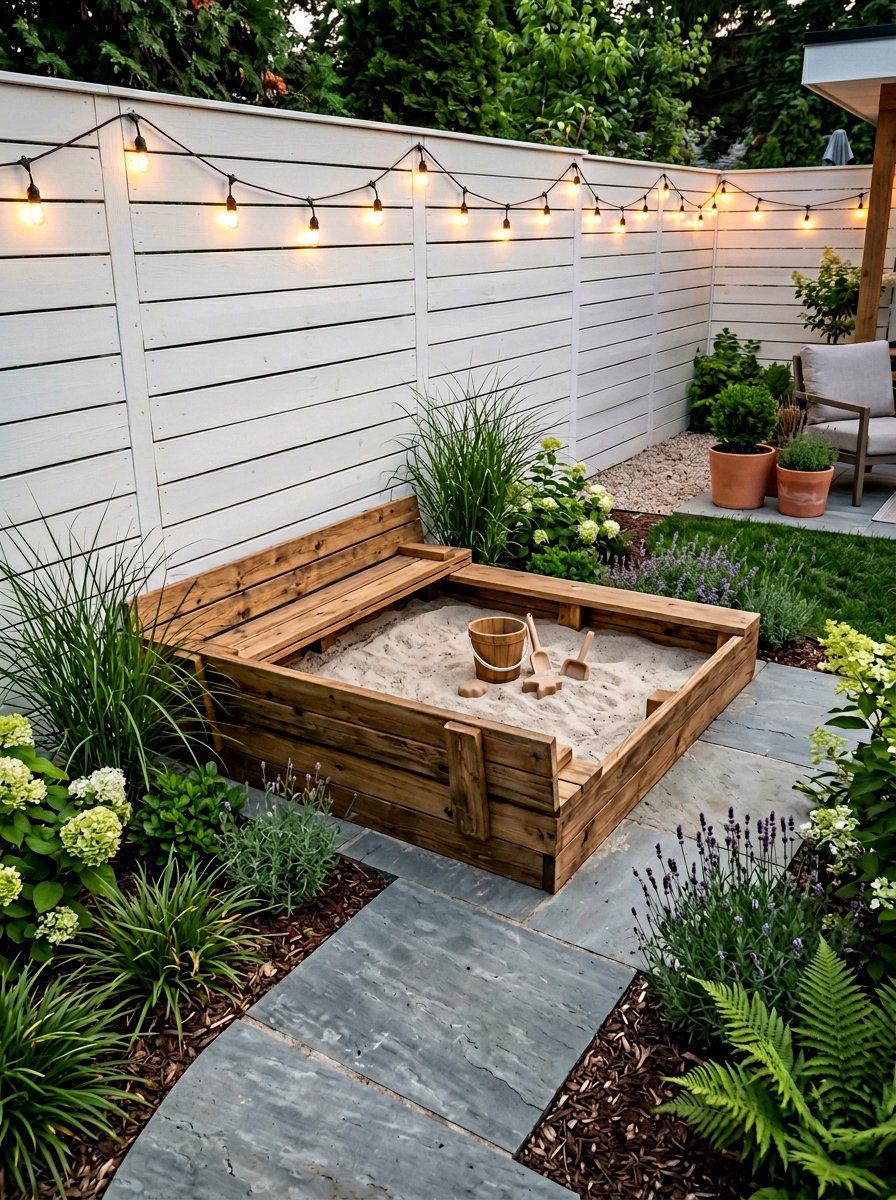
A corner pallet sandbox is the ultimate space-saving solution for modern yards with awkward layouts or limited open grass areas. This L-shaped or triangular design fits snugly into the corner of a fence or the intersection of two exterior house walls. By utilizing these often-ignored spaces, you can provide a high-quality play area without interrupting the flow of your main lawn. The walls of the house or fence act as natural backrests and provide additional wind protection for the children while they dig. You can use pallet wood to create the front boundary and the interior floor of the sandbox for a cohesive look. This tucked-away play nook feels private and cozy, making it a favorite spot for quiet, imaginative play sessions.
14. Pallet Sandbox With Mud Kitchen
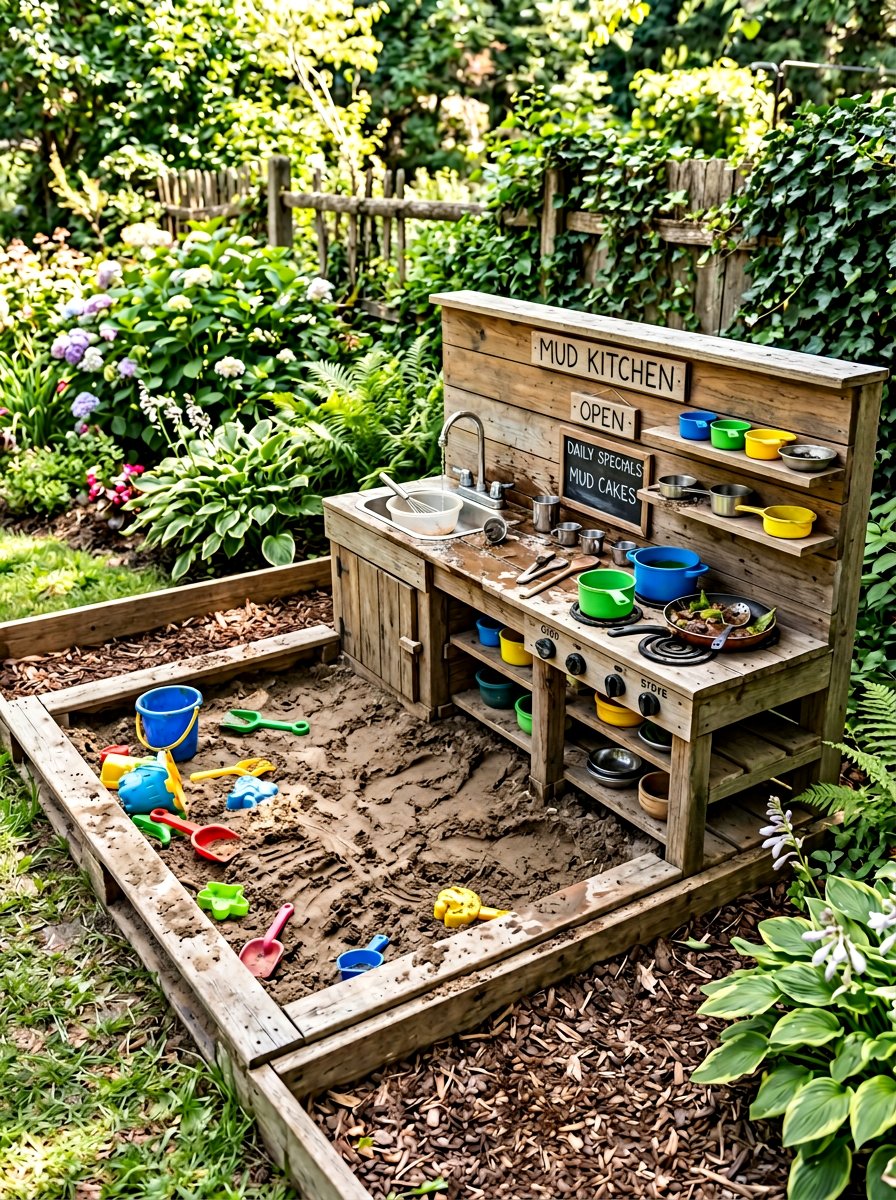
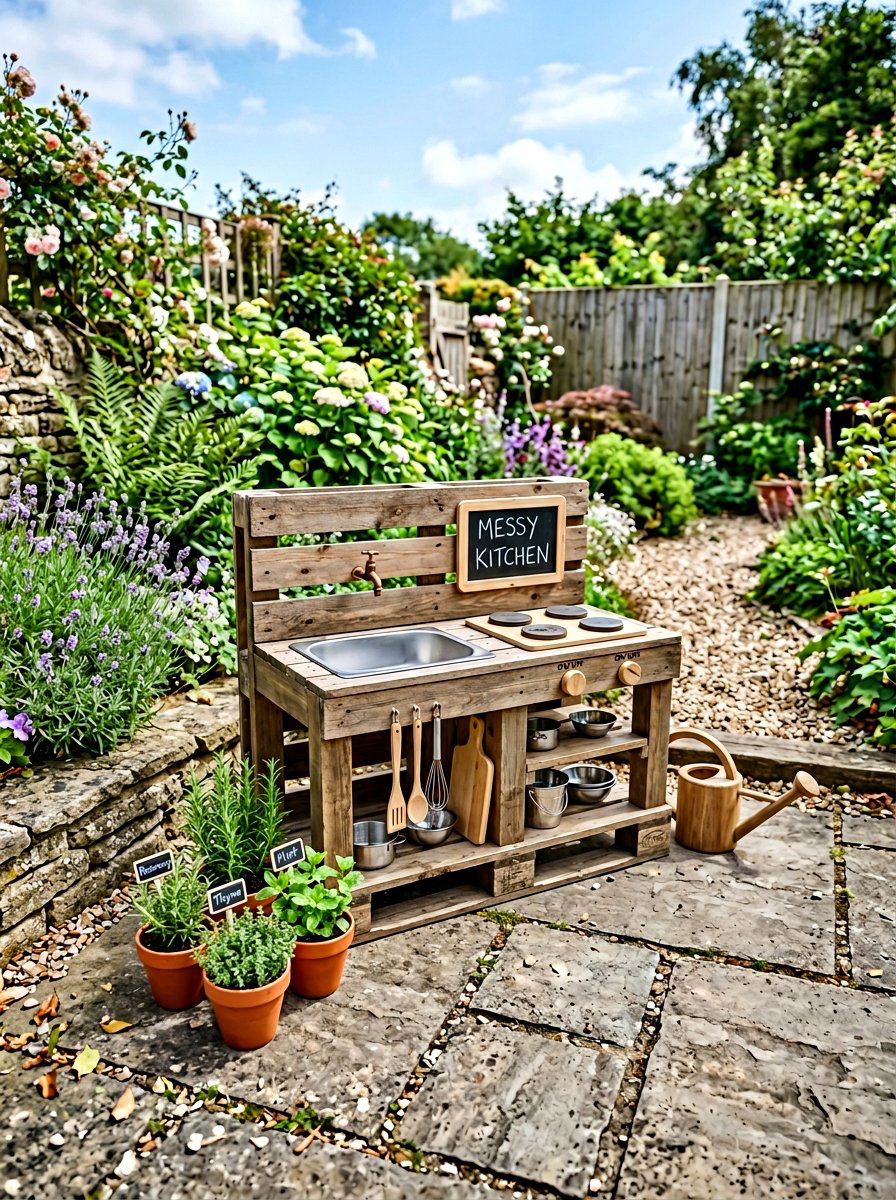
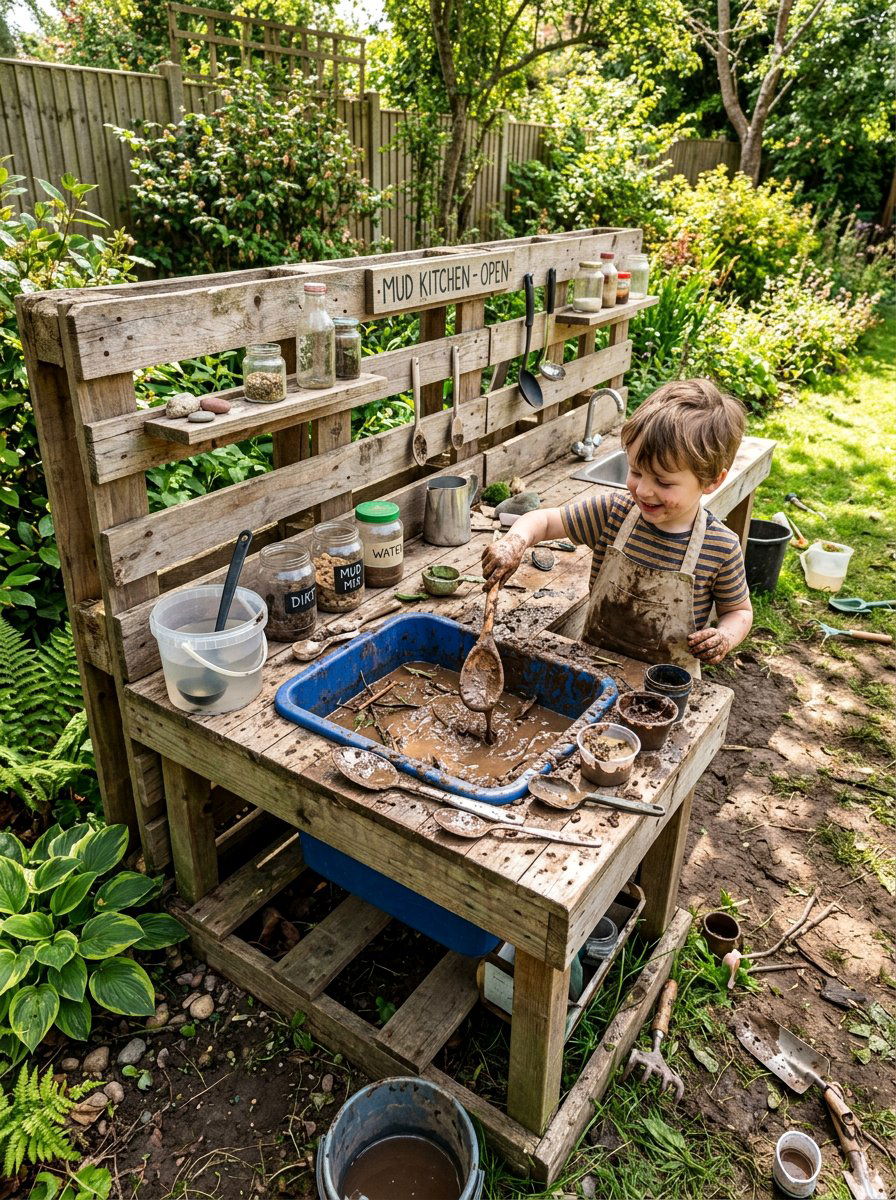
Integrating a pallet sandbox with a mud kitchen creates a comprehensive outdoor sensory station that offers endless opportunities for messy play. You can attach a small wooden counter and a plastic sink to one side of the pallet frame using leftover slats. This allows children to mix sand and water to create "mud pies" and other creative concoctions right next to their digging area. The combination of textures keeps kids engaged for hours as they explore different ways to manipulate natural materials. Adding some old pots, pans, and wooden spoons completes the kitchen setup and encourages cooperative play among friends. This design is perfect for parents who want to foster a love for nature and tactile exploration in their children.
15. Hexagon Pallet Sandbox
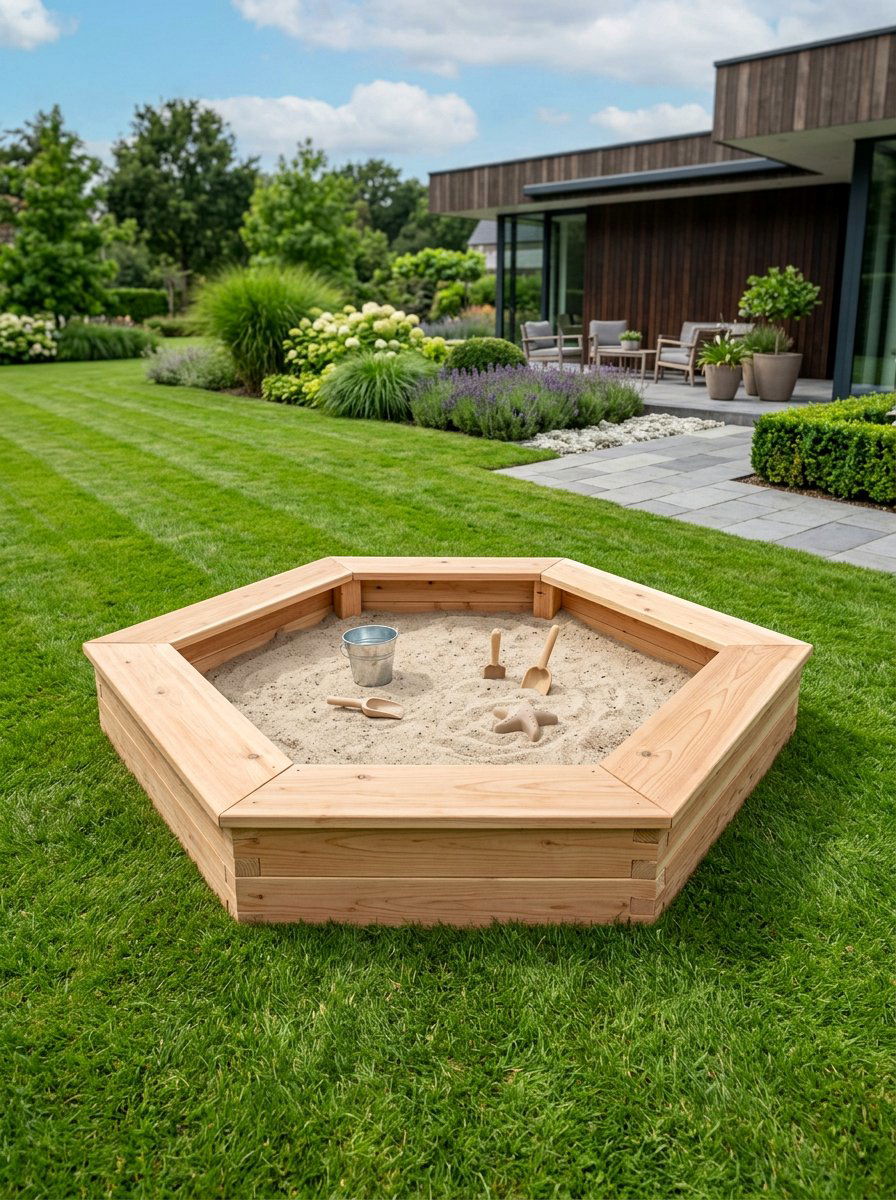
A hexagon pallet sandbox offers a sophisticated and geometric look that stands out as a beautiful architectural feature in your garden. This shape requires more precise cuts of the pallet wood, but the resulting six-sided structure provides multiple points of entry for children. It creates a circular flow that is very inviting and allows several kids to face each other while they play together. The hexagonal shape is incredibly sturdy and resistant to shifting over time due to its many reinforced corners. You can paint each side a different color for a playful effect or keep it natural for a more modern and minimalist aesthetic. This design is perfect for homeowners who want their children's play equipment to look like a curated part of the landscape.
16. Pallet Sandbox With Wheels
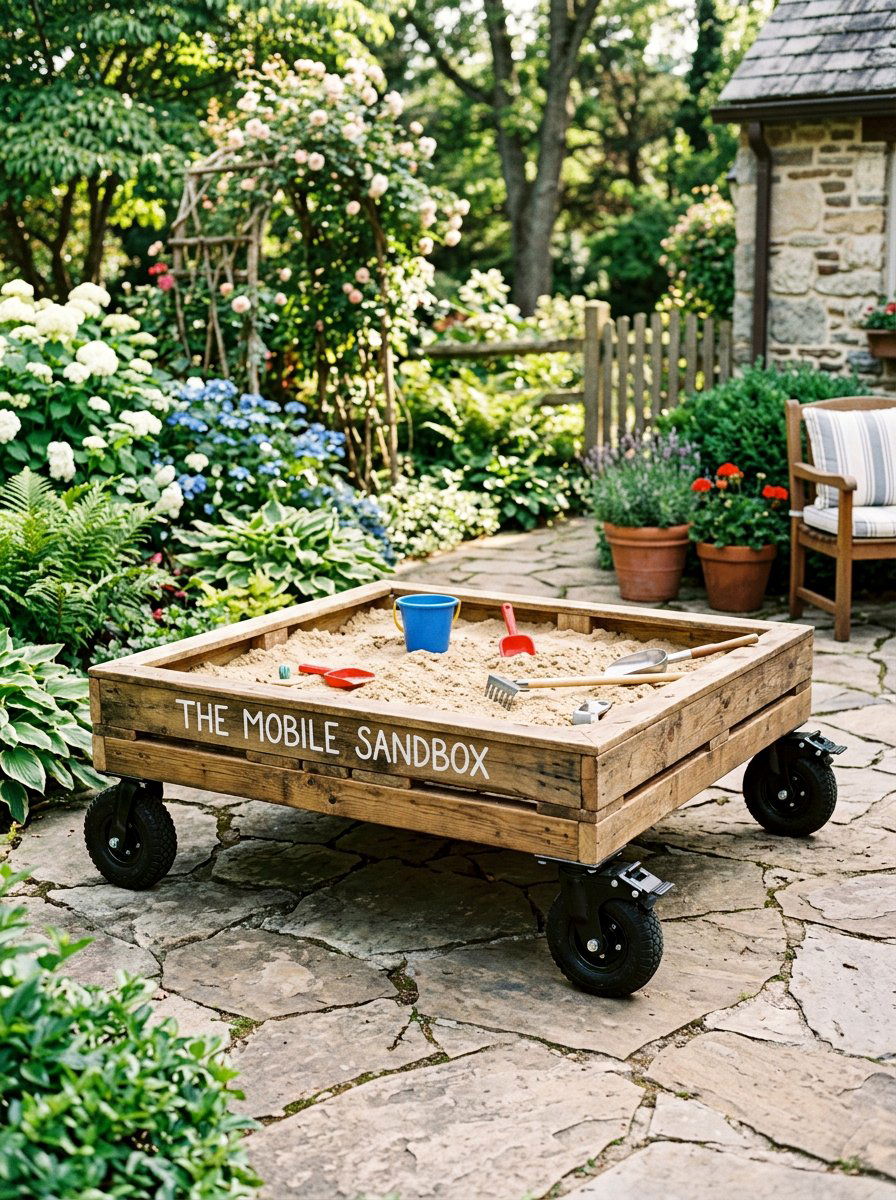
Adding wheels to a pallet sandbox provides the ultimate flexibility for families who need to move their play area frequently. By attaching heavy-duty locking casters to the bottom of the pallet frame, you can easily roll the sandbox across a flat patio or deck. This is particularly useful if you need to clear the space for entertaining guests or if you want to move the box into the shade. When the kids are ready to play, simply roll it to the desired location and lock the wheels securely in place for safety. This portable design is also great for families who live in rented homes and want to take their sandbox with them when they move. It keeps the play area accessible and versatile.
17. Colorful Pallet Sandbox
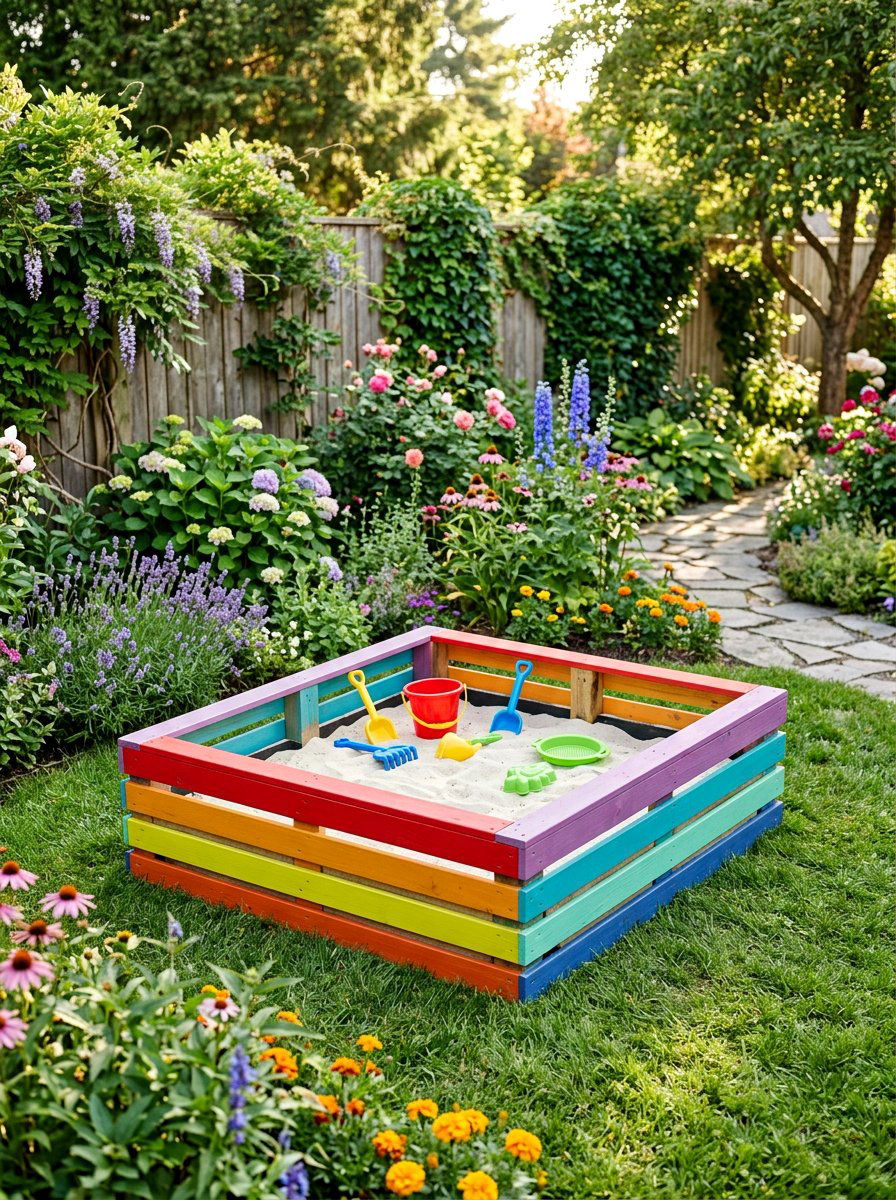
A colorful pallet sandbox is a brilliant way to stimulate a child's senses and create a cheerful atmosphere in any outdoor environment. Instead of a single color, you can paint each individual slat of the pallet a different bright hue to create a rainbow effect. This multicolored approach is visually striking and can help children learn about different colors while they spend time outside. Using high-quality exterior paints ensures that the colors remain vivid even after prolonged exposure to the sun and rain. You can also involve your children in choosing the color palette to make the project feel more personal to their interests. A rainbow-themed sandbox becomes a joyful destination that kids will look forward to visiting every single day.
18. Pallet Sandbox With Roof
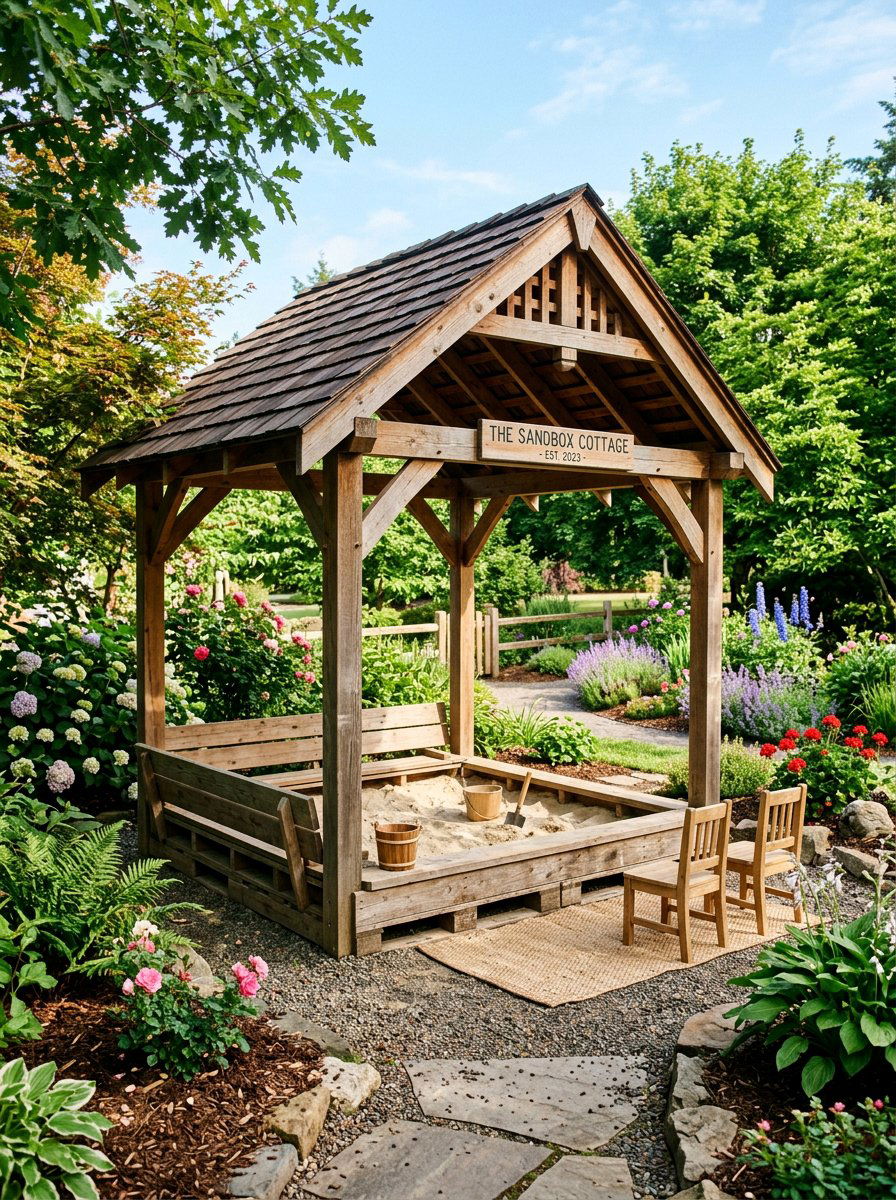
Constructing a pallet sandbox with a permanent roof provides year-round protection and creates a charming little "playhouse" feel for your kids. You can build a gabled or slanted roof using pallet slats or lightweight corrugated panels supported by four sturdy corner posts. This solid structure keeps the sand dry during rainstorms and provides a cool, shaded environment during the peak of summer heat. The roof also helps to prevent bird droppings and falling leaves from contaminating the sand, reducing the amount of cleaning required. You can even hang small lanterns or fairy lights from the roof rafters to create a magical ambiance for evening play. This sturdy setup feels like a permanent backyard fixture that adds value and character to your home.
19. Covered Pallet Sandbox
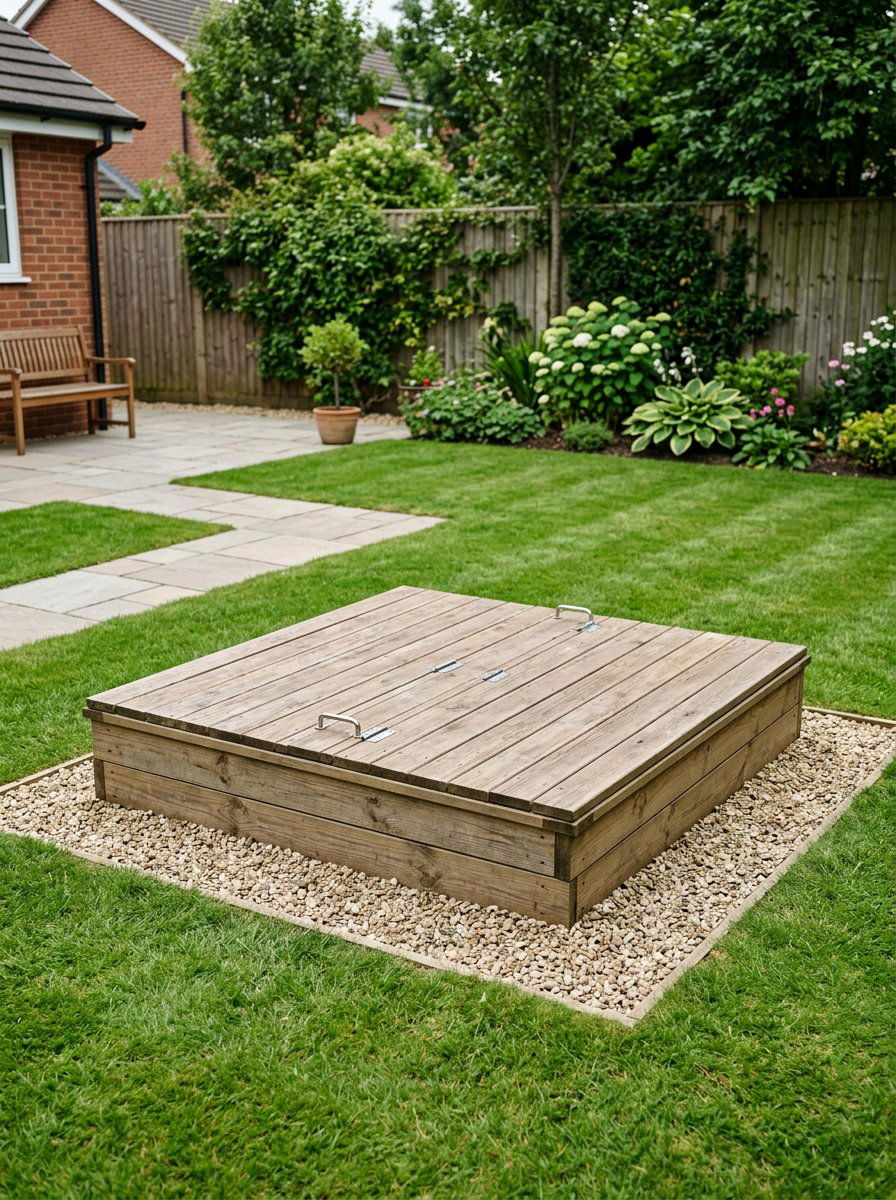
A covered pallet sandbox is essential for maintaining a hygienic and safe play environment for your children at all times. This design focuses on a simple, flat cover made from pallet wood or a durable tarp that fits tightly over the top of the box. Having a reliable cover prevents stray animals from using the sand as a litter box, which is a common concern for many parents. It also keeps the sand from blowing away during high winds and prevents it from becoming a muddy mess during heavy downpours. You can design the cover to be lightweight enough for an adult to slide off or fold back with minimal effort. Keeping the sand covered when not in use ensures it stays fresh and ready for play.
20. Multi Level Pallet Sandbox
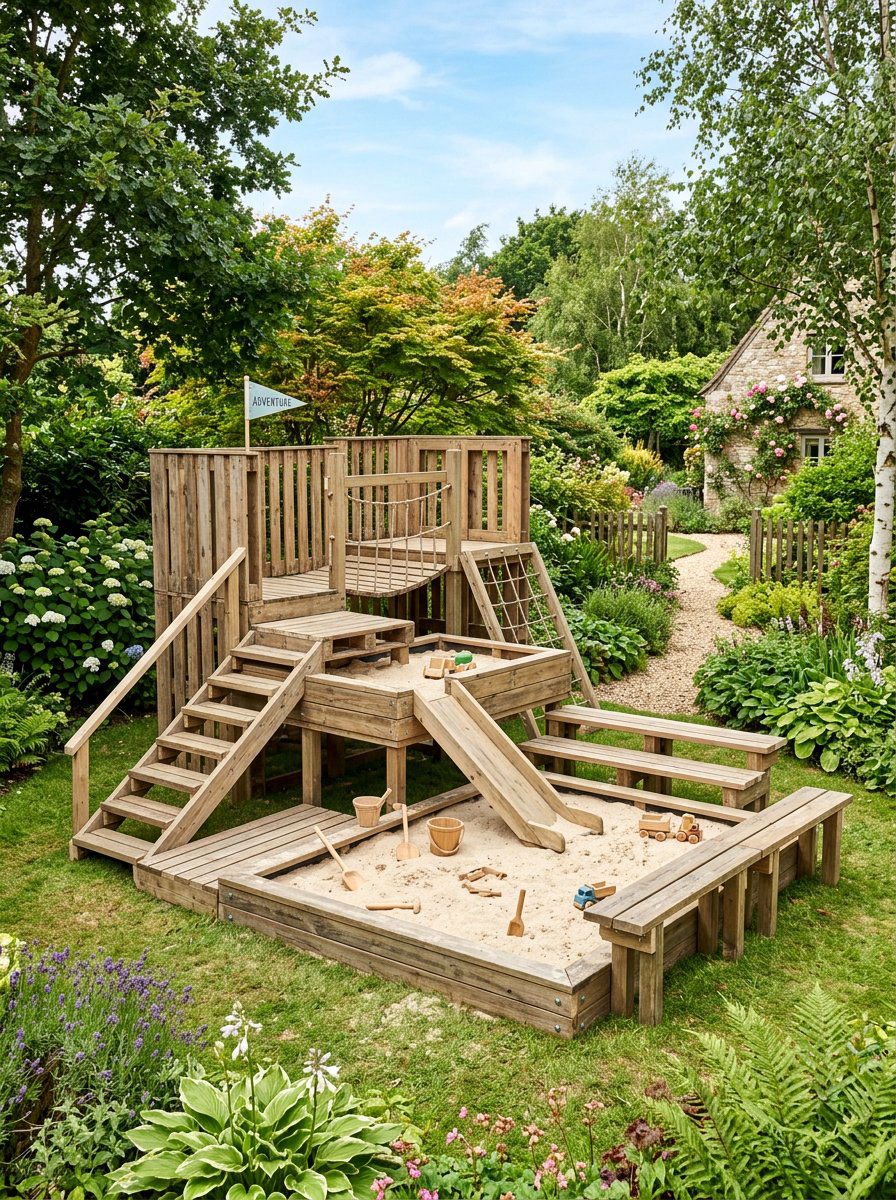
Creating a multi level pallet sandbox adds an exciting dimension to outdoor play by providing different heights and surfaces for children to explore. You can stack pallets or build separate frames of varying heights to create a tiered effect that looks like a miniature landscape. One level could be a deep pit for digging, while a higher level serves as a platform for building sandcastles or setting up toy figures. This verticality encourages climbing and helps children develop their gross motor skills as they move between the different sections. You can even connect the levels with a small wooden ramp or a set of steps made from pallet wood. This dynamic design keeps the play experience fresh and engaging for older children.
21. Pallet Sandbox With Side Table
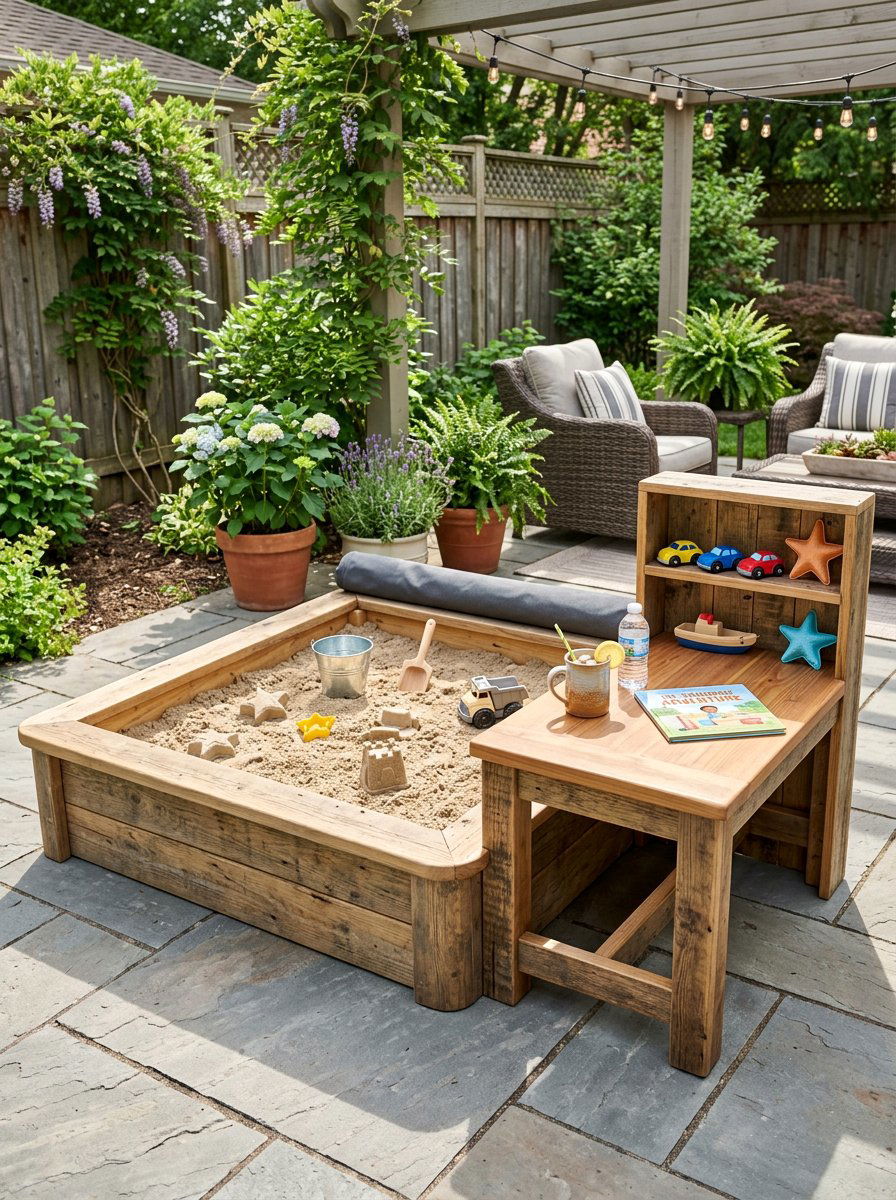
A pallet sandbox with a side table provides a convenient and elevated surface for toys, drinks, or snack bowls during outdoor play sessions. You can extend the pallet frame on one side to create a small integrated tabletop that sits at the perfect height for children. This keeps their refreshments out of the sand and provides a stable place for them to rest their shovels or small figurines. The table can also serve as a dedicated space for drawing or playing with other toys that should not get covered in sand. It is a thoughtful addition that makes the play area more organized and comfortable for everyone involved. Using the same pallet materials for the table ensures a cohesive and well-integrated look for the whole structure.
22. Natural Wood Pallet Sandbox
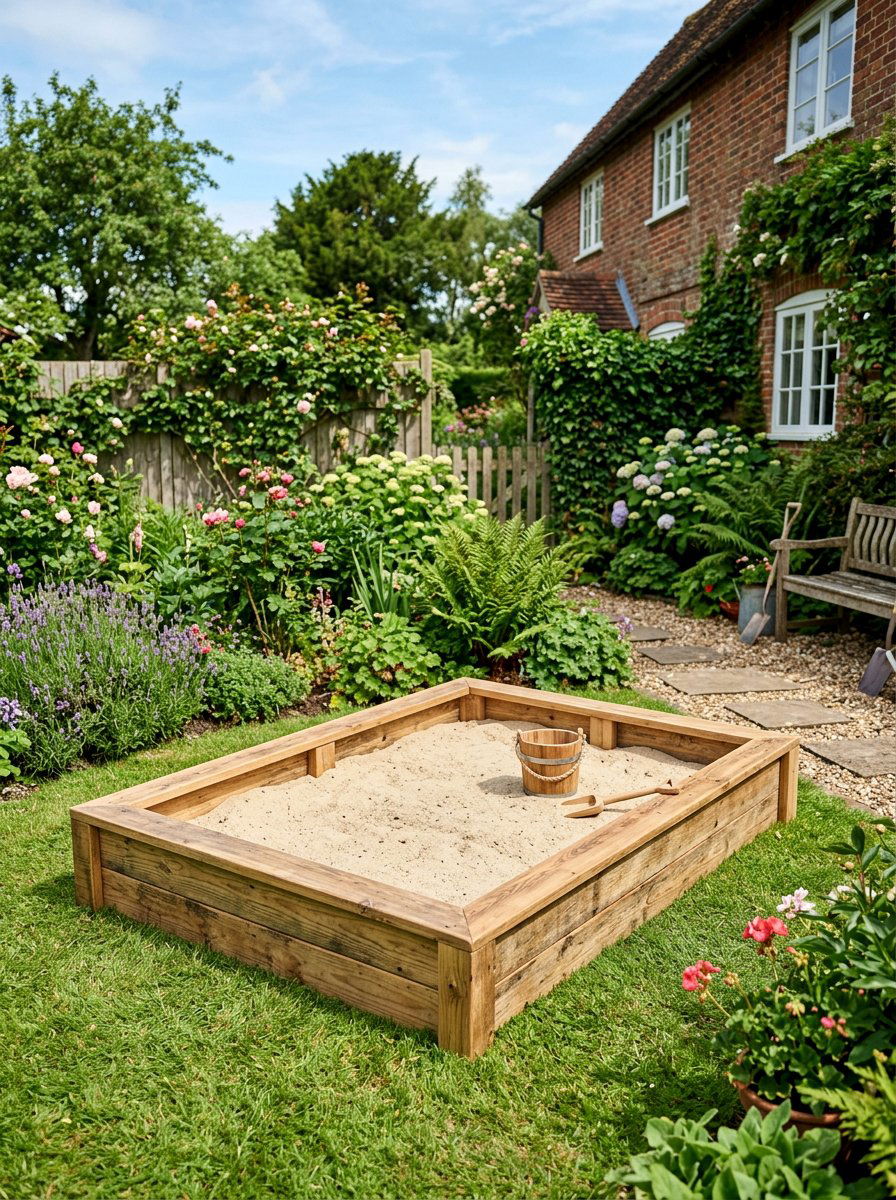
A natural wood pallet sandbox celebrates the rustic beauty of reclaimed timber and fits perfectly into a traditional or farmhouse-style garden. To achieve this look, you should sand the pallet wood to a smooth finish and apply a clear, eco-friendly sealant to protect it. This allows the unique grain, knots, and textures of the wood to shine through without the need for bright paints or stains. A natural finish feels timeless and grounded, creating a peaceful play environment that encourages a connection with nature. You can surround the sandbox with natural elements like smooth river rocks or wood chips to complete the organic aesthetic. This design is perfect for parents who prefer a more understated and classic look for their outdoor play equipment.
23. Fold Out Pallet Sandbox
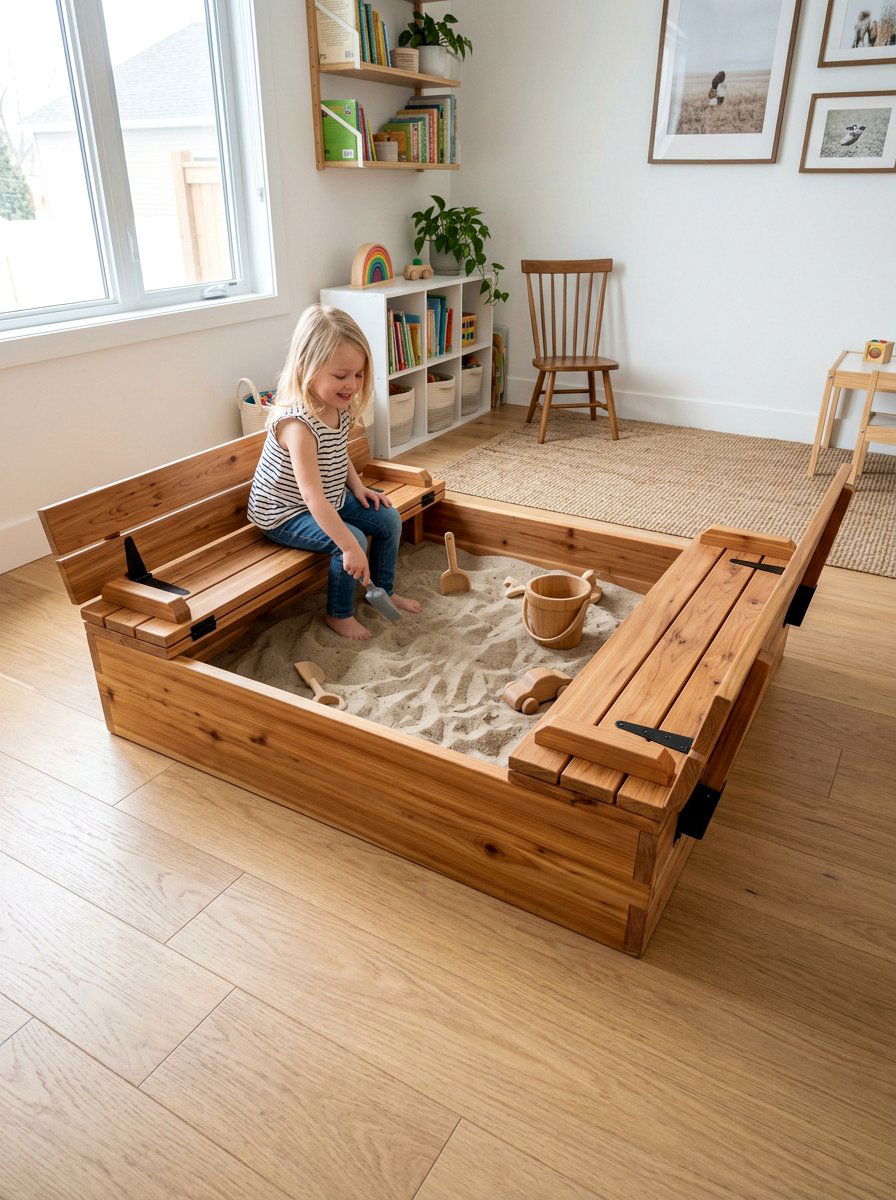
The fold out pallet sandbox is a masterpiece of functional design that provides both seating and a protective cover in one clever package. This style features a lid divided into sections that are connected by hinges, allowing them to flip open and form benches. When the children are finished playing, the benches fold back down to create a flat, solid cover that seals the sandbox completely. This dual-purpose mechanism is incredibly popular because it saves space and ensures the benches are always available when needed. It is a slightly more complex build, but the convenience and utility it provides are well worth the extra effort. The folding action is smooth and easy, making it simple for parents to open the play area.
24. Pallet Sandbox Under Deck
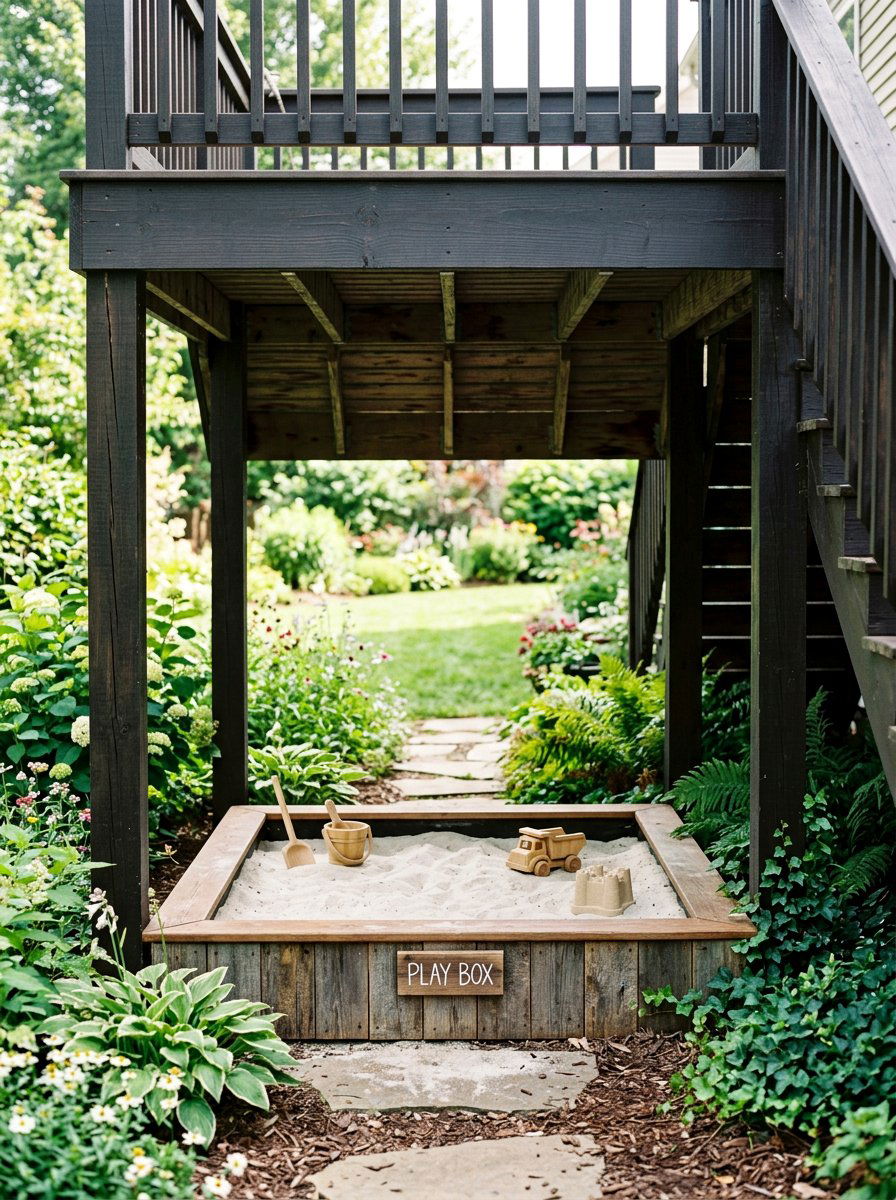
Tucking a pallet sandbox under a deck is a brilliant way to utilize the often-wasted space beneath an elevated outdoor platform. This location provides natural shade and protection from the rain, making it an ideal spot for a year-round play zone. You can build the pallet frame to fit the specific dimensions of the space between the deck posts for a custom, built-in appearance. This setup keeps the sandbox out of the center of the yard, preserving your lawn for other activities like gardening or sports. The low ceiling created by the deck above gives the sandbox a "secret fort" vibe that children find incredibly exciting and cozy. It is a smart way to maximize every square inch of your outdoor living property.
25. Round Pallet Sandbox
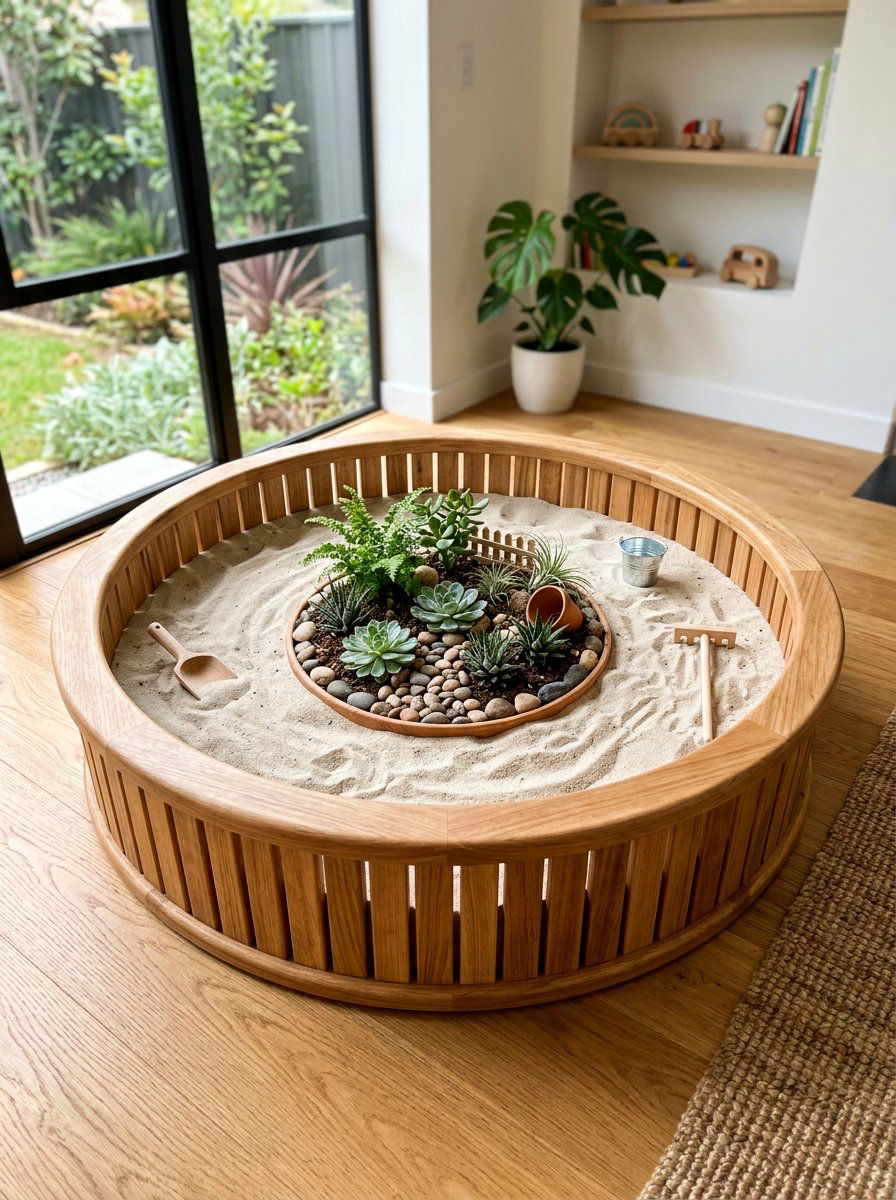
A round pallet sandbox breaks away from traditional rectangular shapes to provide a soft and organic look that complements curved garden paths. This design is achieved by cutting multiple pallet slats into short lengths and arranging them in a circular perimeter. While it requires more careful assembly, the result is a unique and inviting play space that has no sharp corners for children to bump into. The circular shape naturally encourages group play, as children can sit all around the edge and interact easily with one another. You can fill the center with white play sand and add a round cover made from a heavy-duty weather-resistant fabric. A round sandbox acts as a beautiful focal point that adds a touch of modern elegance to your backyard.
Conclusion:
Building a pallet sandbox is a rewarding project that combines environmental consciousness with the joy of providing a creative outlet for your children. These ideas demonstrate how a simple wooden pallet can be transformed into everything from a pirate ship to a space-saving corner nook. By following these suggestions, you can create a durable and safe play area that encourages outdoor exploration and sensory development. Remember to prioritize safety by thoroughly sanding the wood and using non-toxic finishes to protect your little ones. A well-designed sandbox becomes a cherished part of childhood memories, offering a dedicated space where imagination knows no bounds and hours of fun are always just a few steps away in your own backyard.
Related DIY Ideas to Try: