
Transforming your outdoor space with sustainable and affordable materials has never been more popular than it is right now. Utilizing wooden pallets to create functional trellises is a brilliant way to support your favorite climbing plants while adding a rustic charm to your garden landscape. Vertical gardening is a game-changer for those with limited ground space, allowing you to grow lush greenery and delicious vegetables upwards instead of outwards. This approach not only maximizes your yield but also improves air circulation and reduces pest issues for your plants. By upcycling old pallets, you are choosing an eco-friendly path that gives new life to discarded wood. Whether you are a beginner or a seasoned gardener, these creative structures offer endless possibilities for customization and style. You can easily adapt these designs to fit tiny balconies or sprawling backyard estates, ensuring every climbing vine has a sturdy and beautiful home to thrive in throughout the growing season.
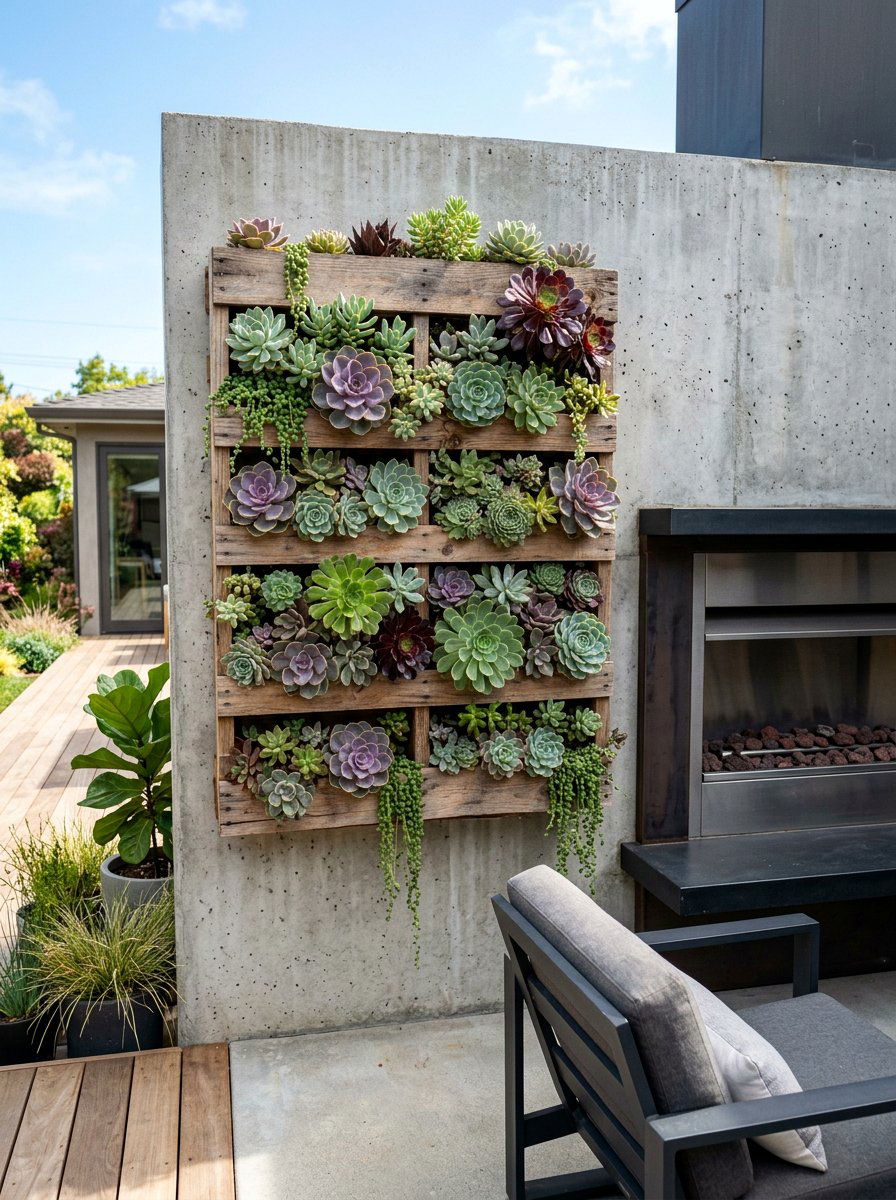
1. Vertical Pallet Planter
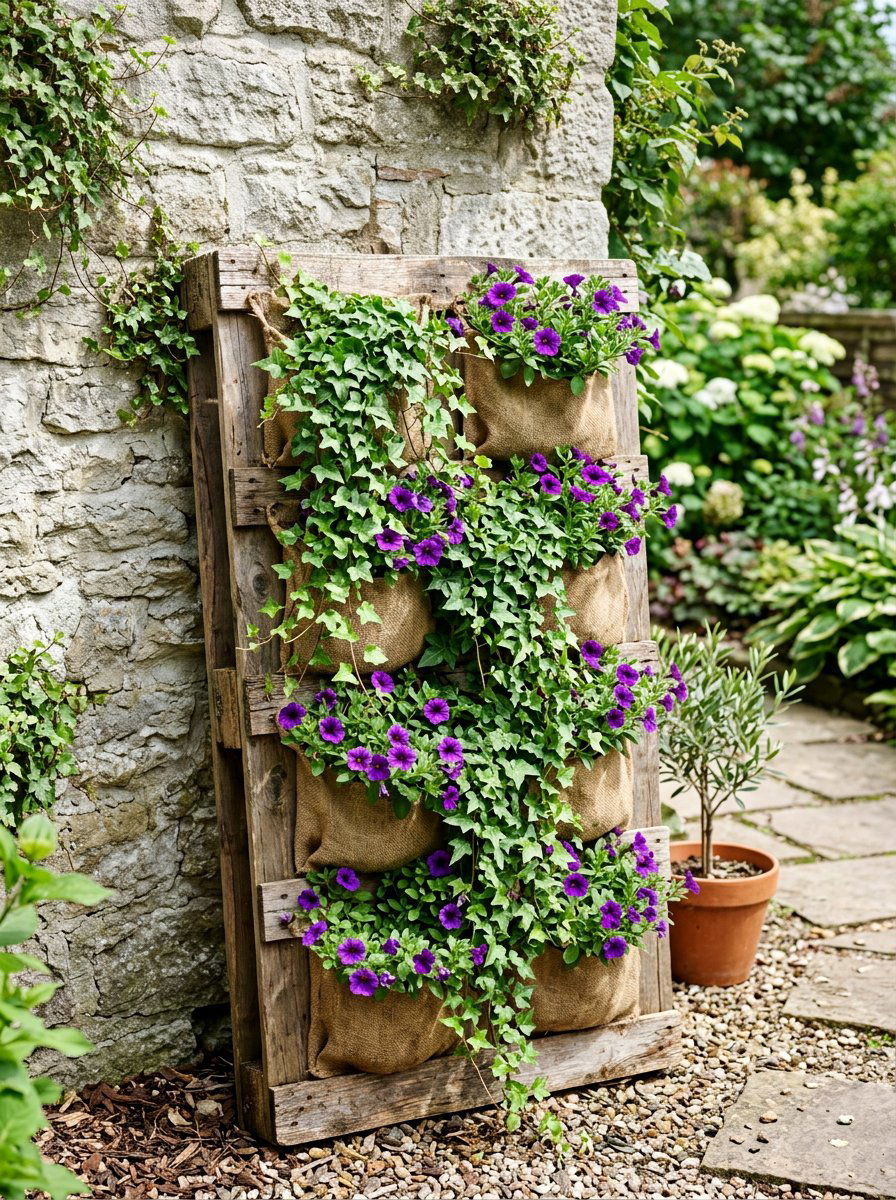
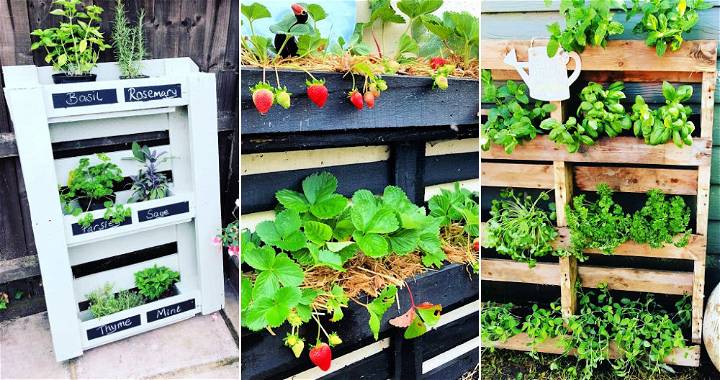
Creating a vertical garden using a reclaimed pallet is an excellent way to save space in small backyard areas. You can lean the pallet against a sturdy wall or secure it firmly to a fence to create an instant climbing surface for delicate vines. The natural slats provide the perfect grip for tendrils to wrap around as they reach toward the sunlight. To make this setup even more functional, you can attach small landscape fabric pockets between the wooden boards to hold potting soil. This allows you to plant flowers at the base and throughout the structure, creating a lush wall of living greenery. It is a simple yet effective solution for anyone looking to add more texture and height to their outdoor living environment without spending a lot of money.
2. A Frame Pallet Trellis
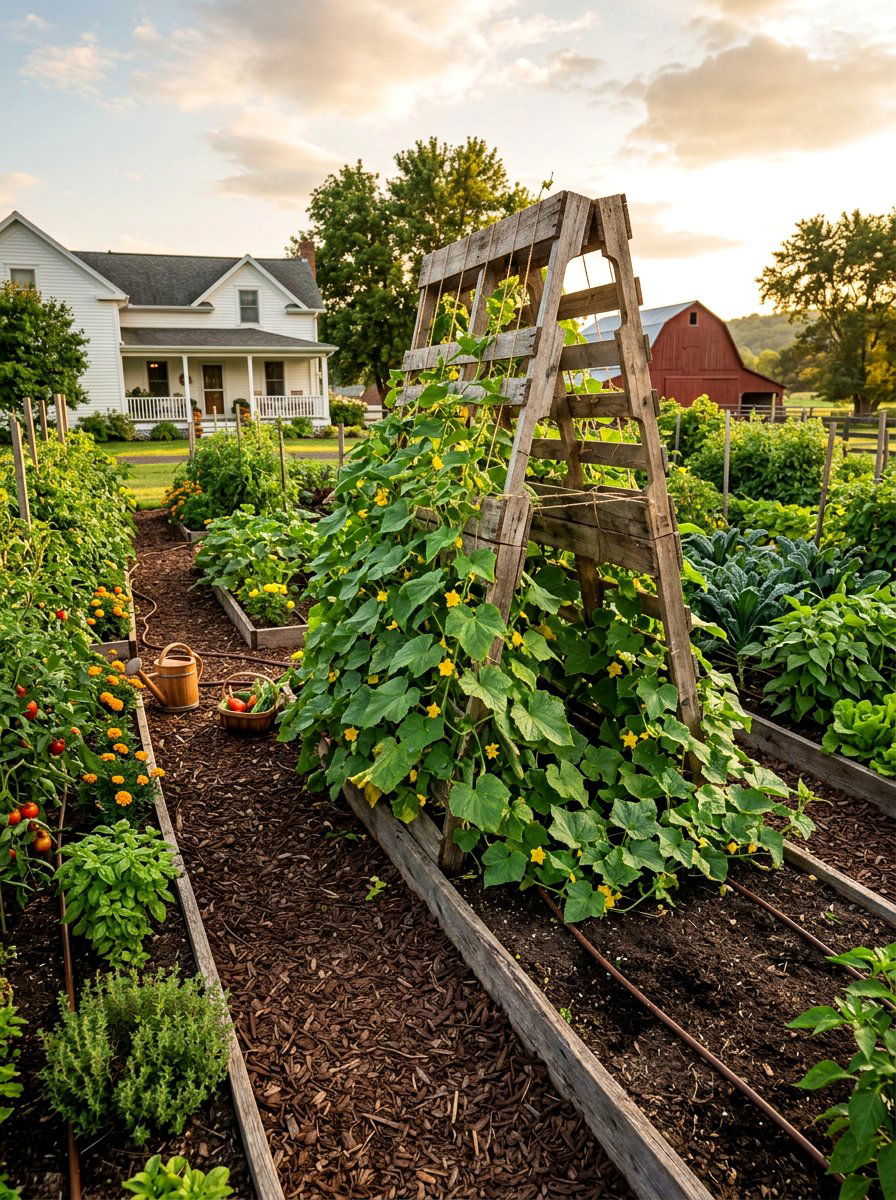
An A-frame structure is incredibly sturdy and provides a dual-sided growing surface that is perfect for heavy climbing vegetables like squash or cucumbers. You simply lean two pallets against each other at the top and secure them with heavy-duty hinges or strong wire to form a triangle shape. This design allows your plants to climb up the exterior while the fruit hangs down in the shaded center for easy harvesting. It also creates a small microclimate underneath where you can grow shade-loving greens like spinach or lettuce. The stability of the A-frame ensures that even during high winds, your climbing plants remain well-supported and protected. It is a functional piece of garden architecture that looks professional and organized while being very easy to assemble at home.
3. Wall Mounted Pallet Trellis
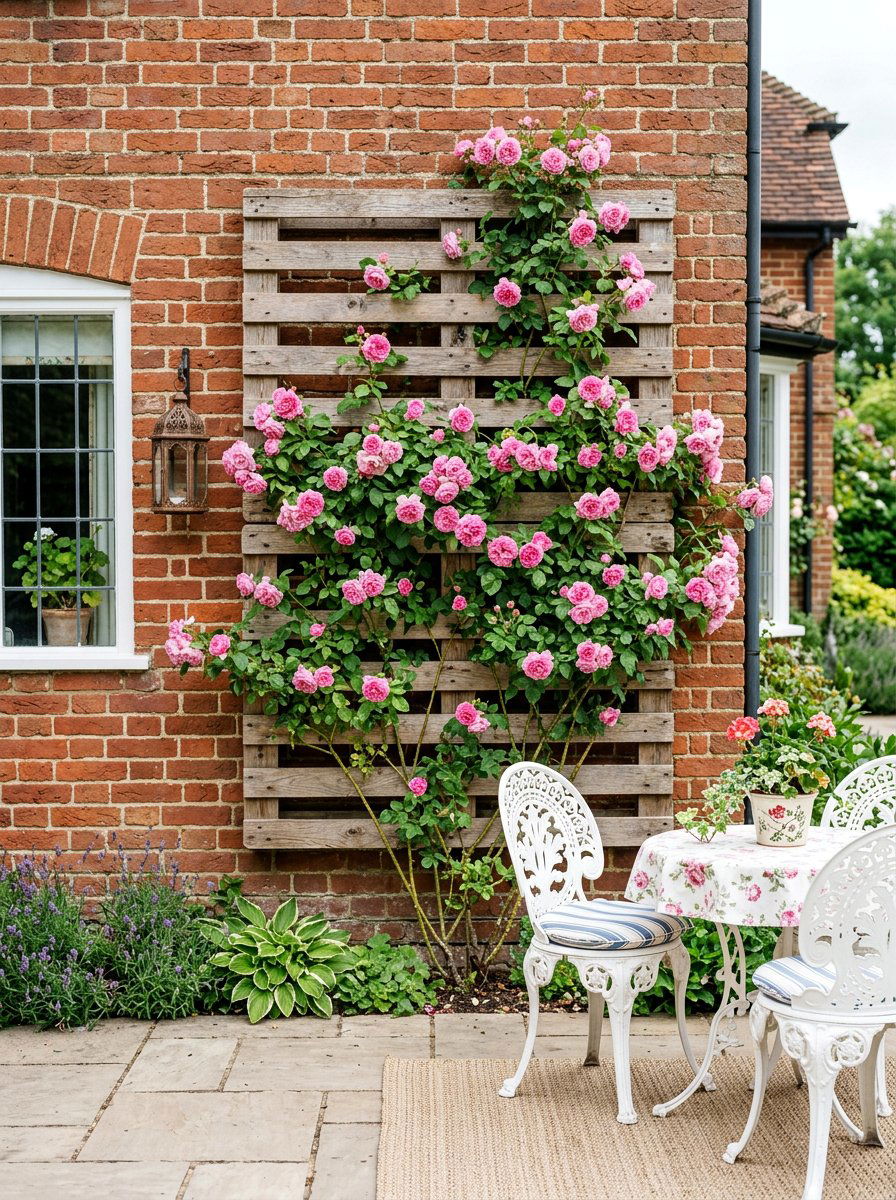
Mounting a pallet directly onto a brick or wooden wall creates a striking focal point that draws the eye upward. This method is particularly useful for covering up unsightly exterior surfaces or adding life to a bare garage wall. You should use spacers when mounting the pallet to leave a small gap between the wood and the wall, which helps with airflow and prevents moisture buildup. Climbing roses or clematis look stunning as they weave through the horizontal slats, eventually covering the entire pallet in a blanket of colorful blooms. The rigid structure of the pallet provides excellent support for woody stems that need a bit more stability as they grow taller. It is a sophisticated way to incorporate vertical elements into your garden design while maintaining a clean and tidy appearance.
4. Freestanding Pallet Trellis
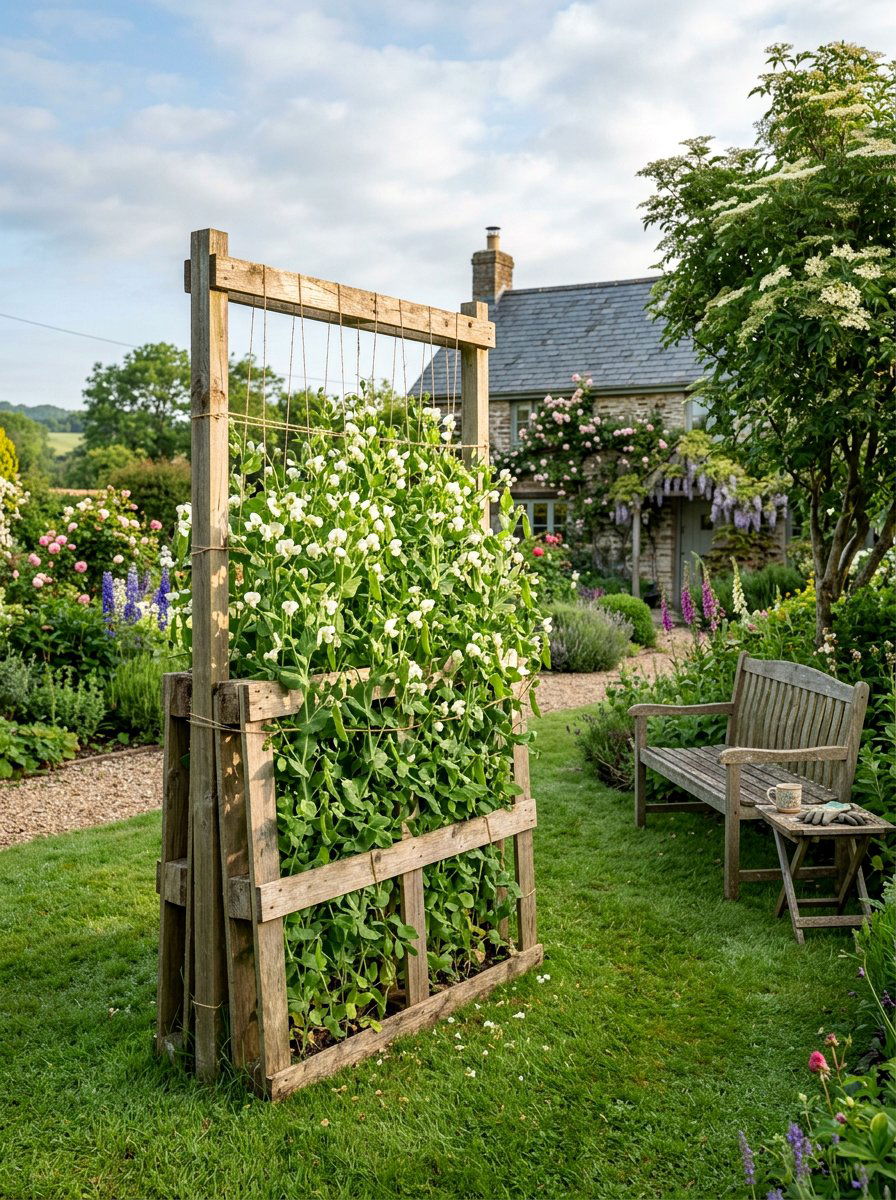
A freestanding pallet support is ideal for open garden beds where you need to provide height without a nearby wall for support. You can achieve this by driving long wooden stakes or rebar into the ground and sliding the pallet over them to keep it upright. This allows you to position the trellis anywhere in your garden to act as a natural room divider or a privacy screen. It works beautifully for tall climbing beans or peas that require a lot of vertical space to reach their full potential. Because it is accessible from both sides, you have double the planting area, making it a highly efficient use of your garden footprint. You can even paint the pallet a bright color to make it a decorative feature that stands out among the greenery.
5. Pallet Fence Trellis
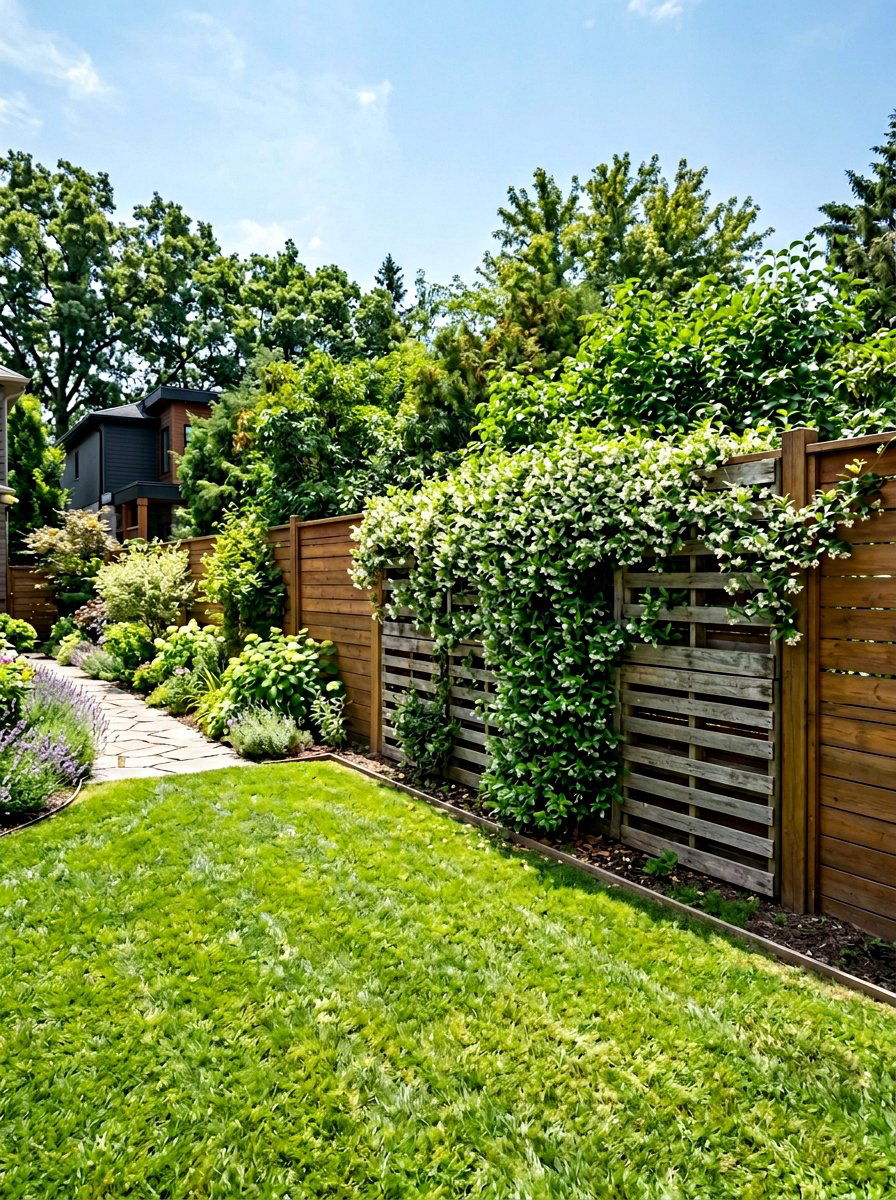
Integrating pallets into your existing fence line is a smart way to increase your planting capacity while adding extra privacy to your property. You can attach individual pallets to the top of a short fence to extend its height or place them along the length of a chain-link fence for a more natural look. Climbing ivy or jasmine will quickly grow over the wood, creating a thick hedge that blocks noise and prying eyes. This setup is particularly useful for urban gardeners who want to create a secluded sanctuary in a busy neighborhood. The rough-hewn texture of the pallet wood provides a great surface for climbing plants to latch onto securely. It turns a standard boundary into a living, breathing part of your landscape that changes beautifully with the seasons.
6. Lean To Pallet Trellis
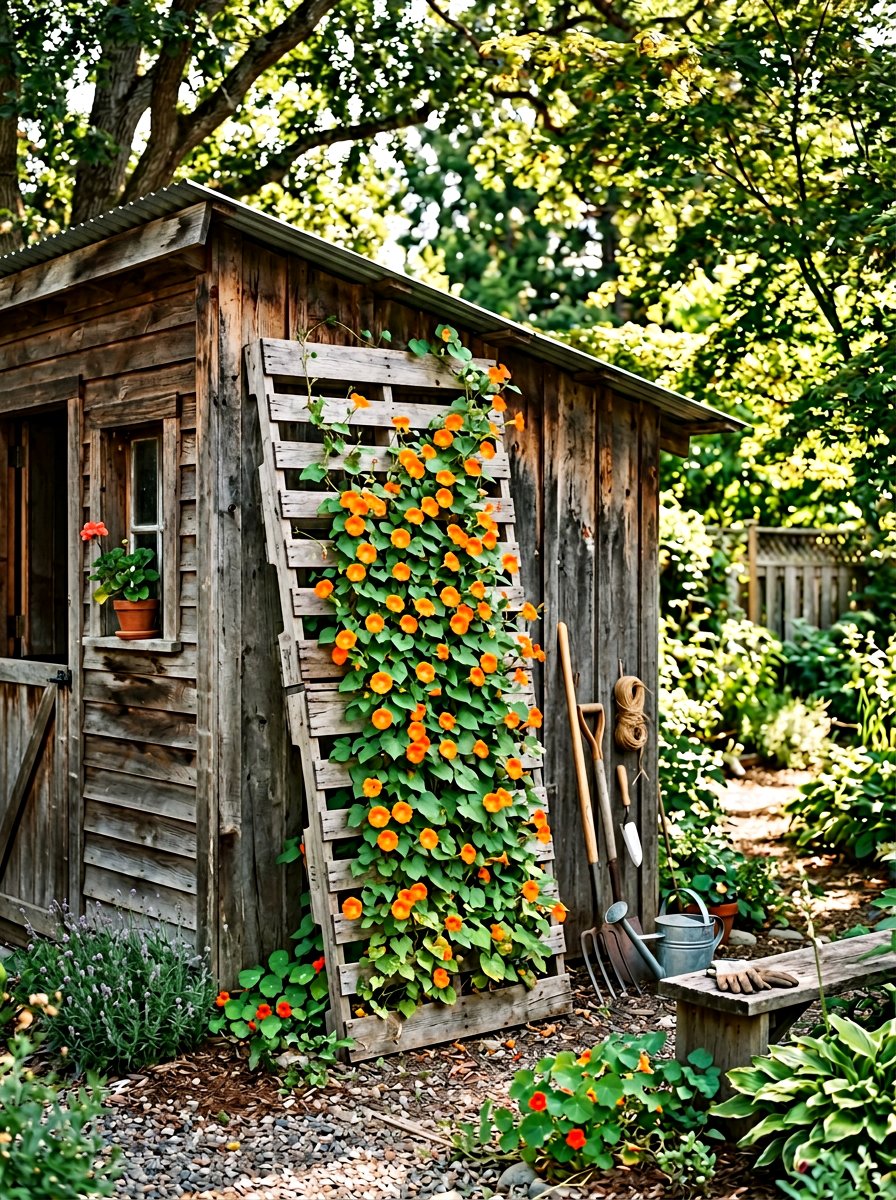
A lean-to design is perhaps the simplest way to utilize a pallet for climbing plants because it requires very little assembly. You just prop the pallet at an angle against a wall, fence, or another garden structure and let gravity do the rest of the work. This slanted orientation is particularly beneficial for sun-loving plants because it increases the surface area exposed to direct light throughout the day. It is a fantastic choice for growing vining vegetables like snap peas or morning glories that love to scramble over rough surfaces. The space underneath the slanted pallet can be used to store garden tools or to provide a cool spot for a pet to rest. Its casual and rustic appearance fits perfectly into a farmhouse or cottage-style garden theme without feeling forced.
7. Horizontal Pallet Trellis
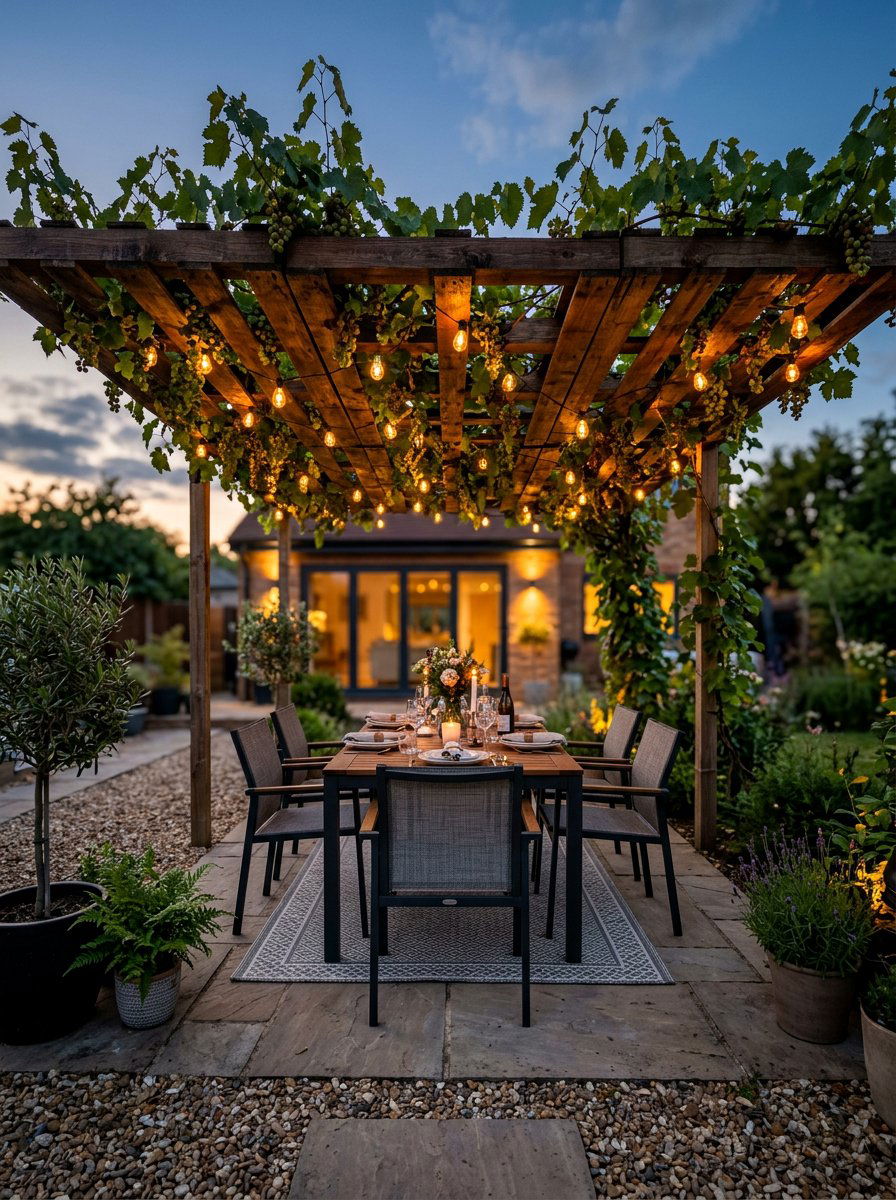
While most people think of pallets as vertical structures, using them horizontally can create a unique overhead canopy or a raised crawling surface. You can suspend a pallet between two posts to create a mini pergola that provides shade and a place for hanging vines to dangle. This is a wonderful way to grow grapes or other fruiting vines where you want the produce to be easily accessible from below. The horizontal orientation also allows for interesting lighting opportunities, as you can wrap fairy lights around the slats for a magical evening ambiance. It creates a sense of enclosure in your outdoor space, making it feel more like an outdoor room. This creative use of materials demonstrates how versatile pallets can be when you think outside the traditional box.
8. Pallet Trellis For Roses
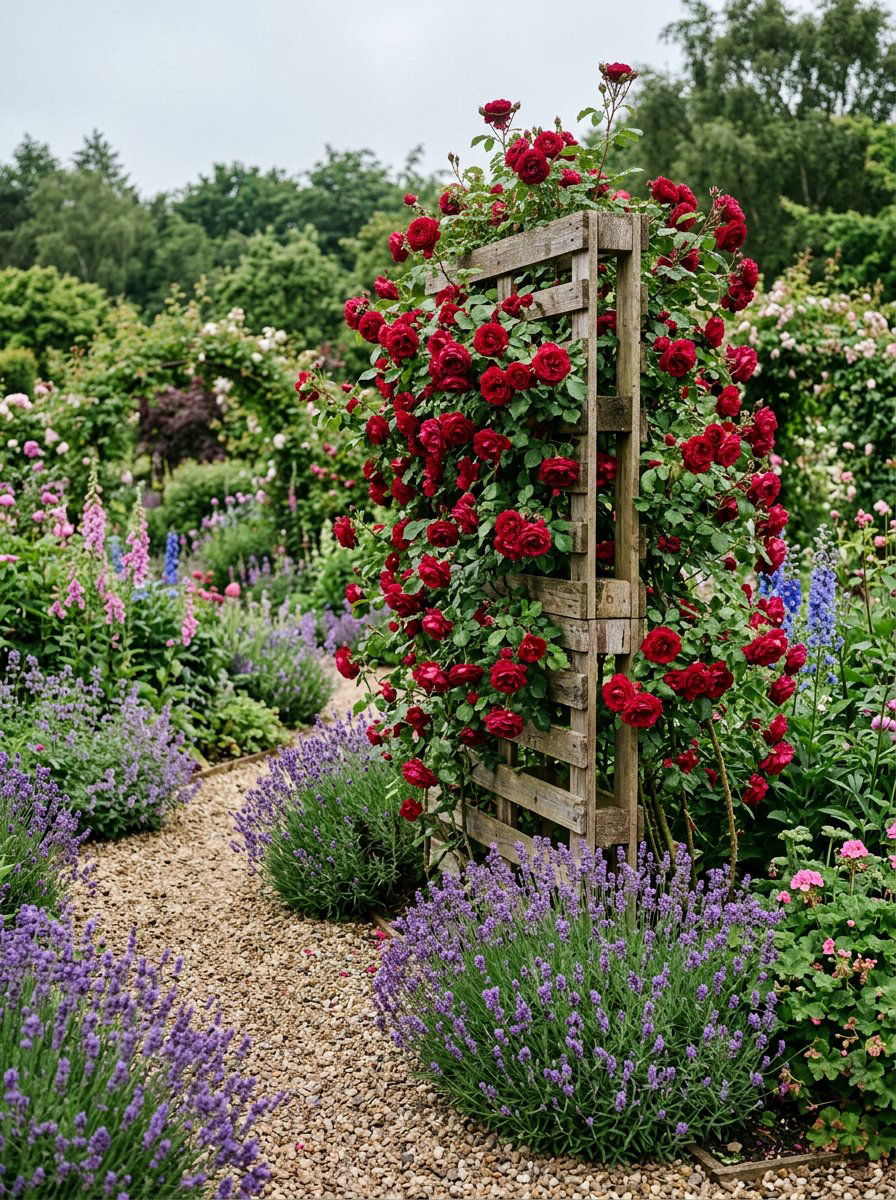
Climbing roses require a very strong and durable support system to handle their heavy, woody canes and prolific blooms. A pallet trellis provides the necessary rigidity and surface area to train these classic garden favorites effectively. You can weave the long stems through the slats while they are young and flexible, ensuring they grow in the desired direction. As the roses mature, the pallet becomes almost invisible behind a wall of fragrant flowers and lush green foliage. It is important to treat the pallet wood with a bird-safe sealant to ensure it lasts for many years in the damp garden environment. The combination of rustic wood and elegant roses creates a timeless aesthetic that adds significant value and beauty to any home exterior or backyard garden.
9. Pallet Trellis For Tomatoes
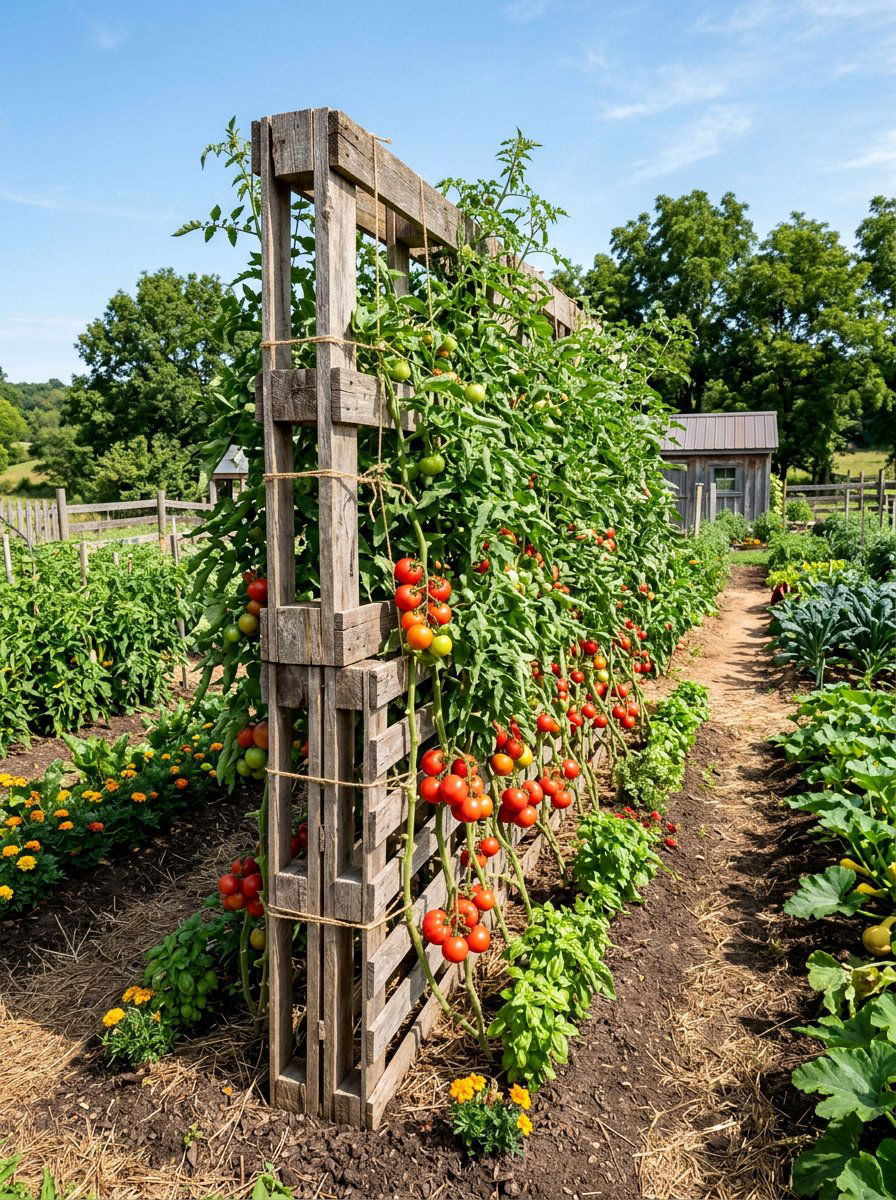
Growing tomatoes vertically on a pallet trellis is a fantastic way to keep the fruit off the ground and away from soil-borne diseases. Indeterminate tomato varieties can grow quite tall, and the horizontal slats of a pallet provide multiple points to tie the stems for support. This method makes pruning and harvesting much easier because the fruit is visible and at a comfortable height. You can lean the pallet against a sunny wall to maximize the heat, which helps the tomatoes ripen more quickly and evenly. The open structure of the pallet ensures that plenty of air can circulate around the leaves, reducing the risk of blight and other common fungal issues. It is an organized and efficient way to manage a productive vegetable garden even in a very small backyard space.
10. Pallet Trellis For Cucumbers
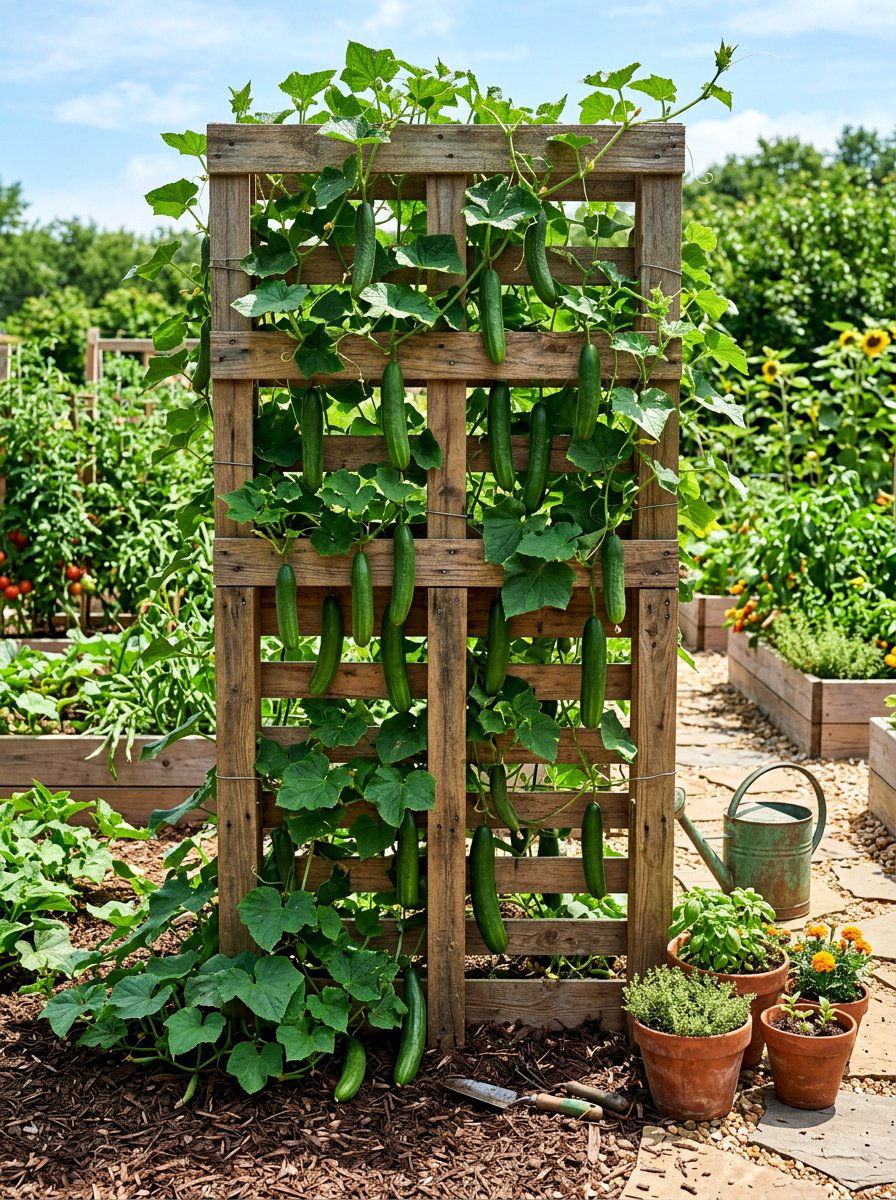
Cucumbers love to climb, and using a pallet trellis helps them produce straighter, cleaner fruit compared to letting them crawl on the ground. When cucumber vines are allowed to grow vertically, they take up significantly less space, which is perfect for intensive gardening techniques. The pallet slats are the ideal width for the cucumber tendrils to grab hold of as the plant reaches upward. You will find that the leaves stay drier and healthier when they are elevated, which is crucial for preventing powdery mildew. Harvesting becomes a breeze as the cucumbers hang down through the slats, making them very easy to spot and pick. This vertical approach also protects the delicate fruit from being stepped on or eaten by ground-dwelling pests like slugs and snails.
11. Pallet Trellis For Clematis
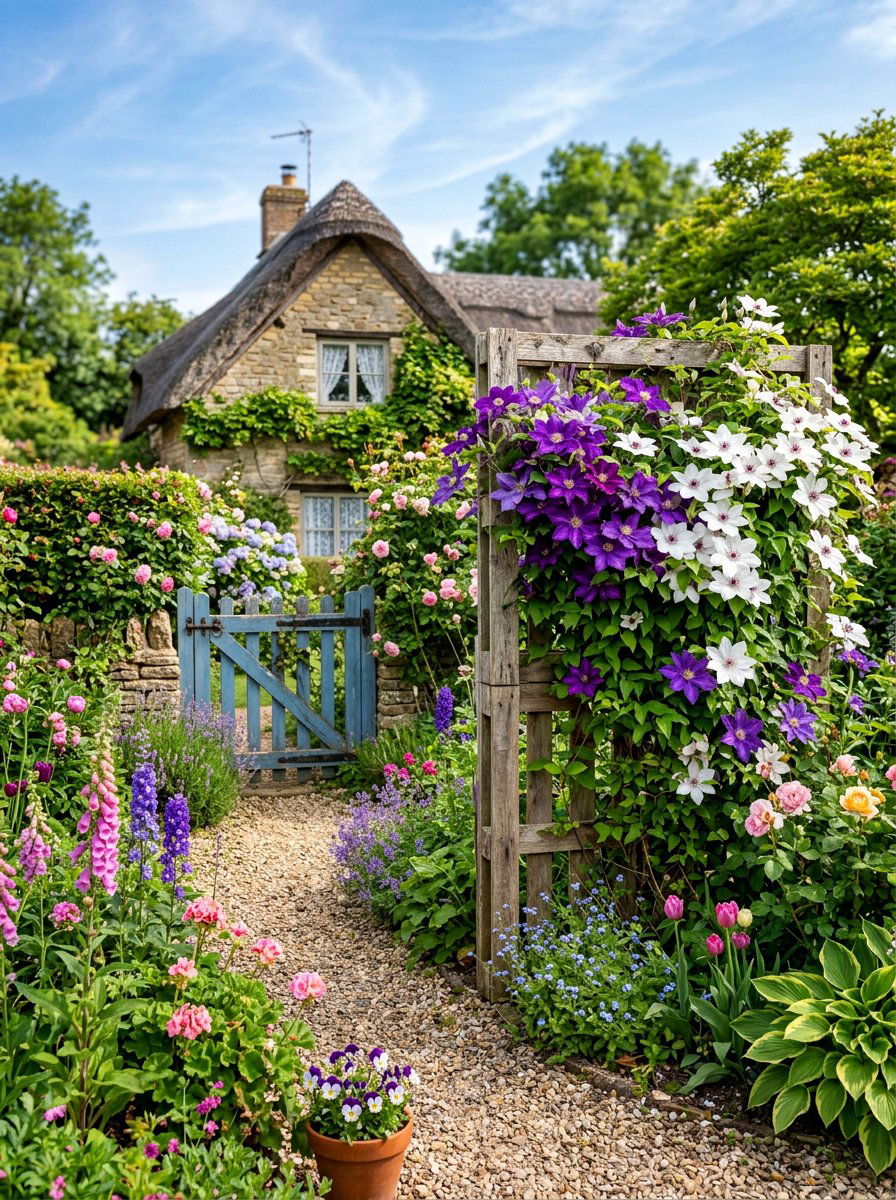
Clematis is known for its stunning star-shaped flowers and its ability to climb quickly, making it a perfect candidate for a pallet support. Because clematis climbs by wrapping its leaf stalks around narrow objects, the slats and gaps of a pallet are perfectly suited to its growth habits. You can create a beautiful floral display by planting different varieties of clematis at the base of the pallet to achieve a long blooming season. The wooden structure provides a cool root zone if you place it correctly, which clematis plants absolutely love. As the vine grows, it will completely transform the humble pallet into a vertical tapestry of vibrant colors and intricate textures. This setup is a great way to add high-impact color to a patio or porch area with minimal effort.
12. Pallet Trellis For Beans
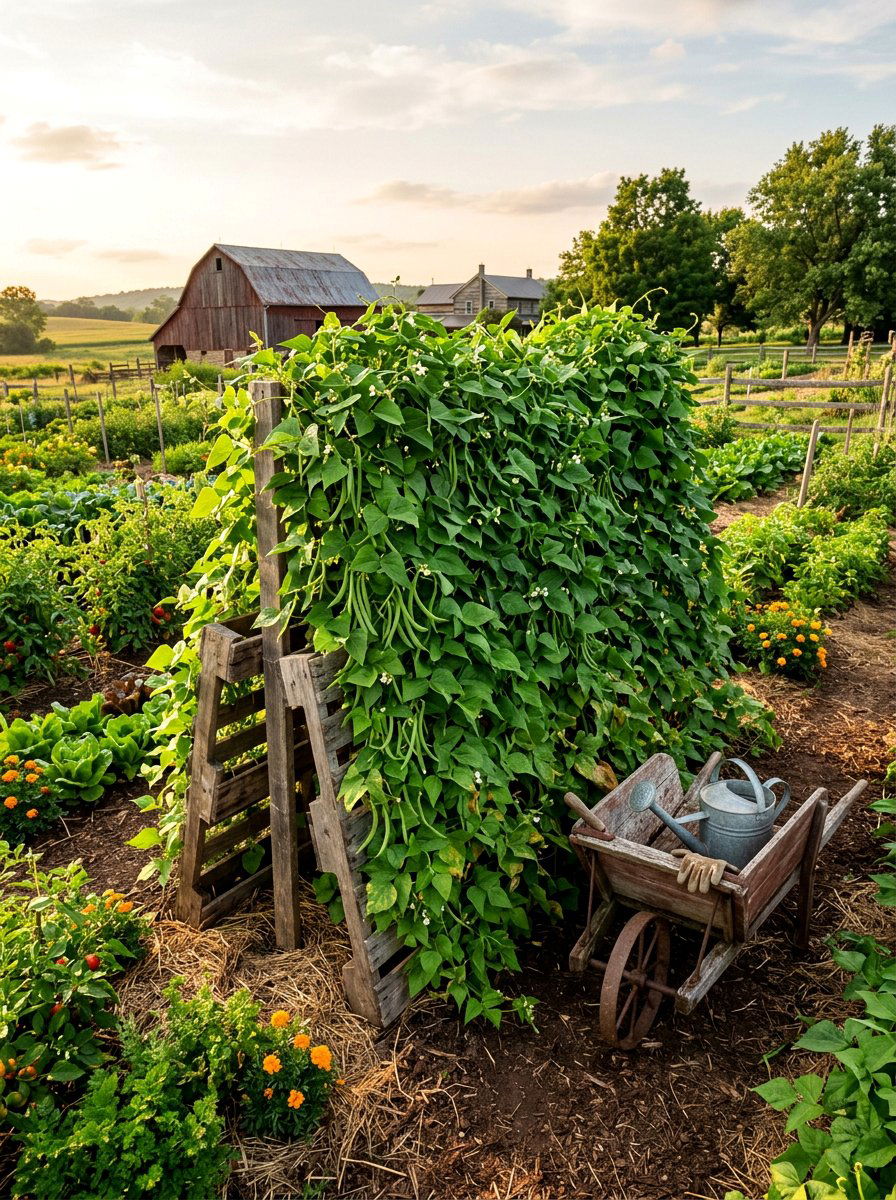
Pole beans are some of the most productive climbing plants you can grow, and they thrive when given a tall pallet to scale. The rough surface of the pallet wood is easy for the bean vines to twining around without needing extra ties or wires. You can set up a series of pallets in a row to create a productive bean wall that also serves as a temporary summer privacy screen. This vertical method allows you to plant many more bean seeds in a small area than if you were growing bush varieties. The ease of picking beans at eye level cannot be overstated, as it saves your back from constant bending. It also makes it much harder for you to miss any hidden pods, ensuring a much larger and more consistent harvest for your kitchen.
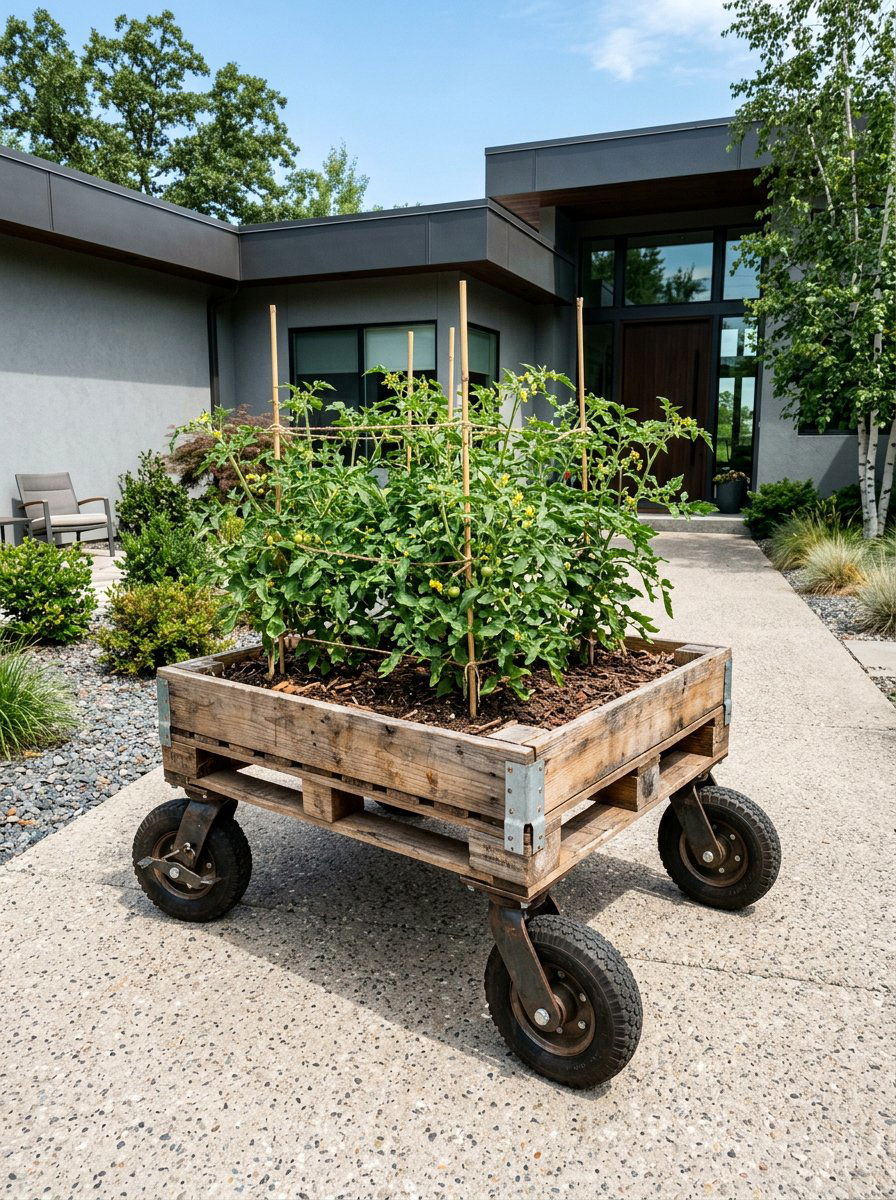
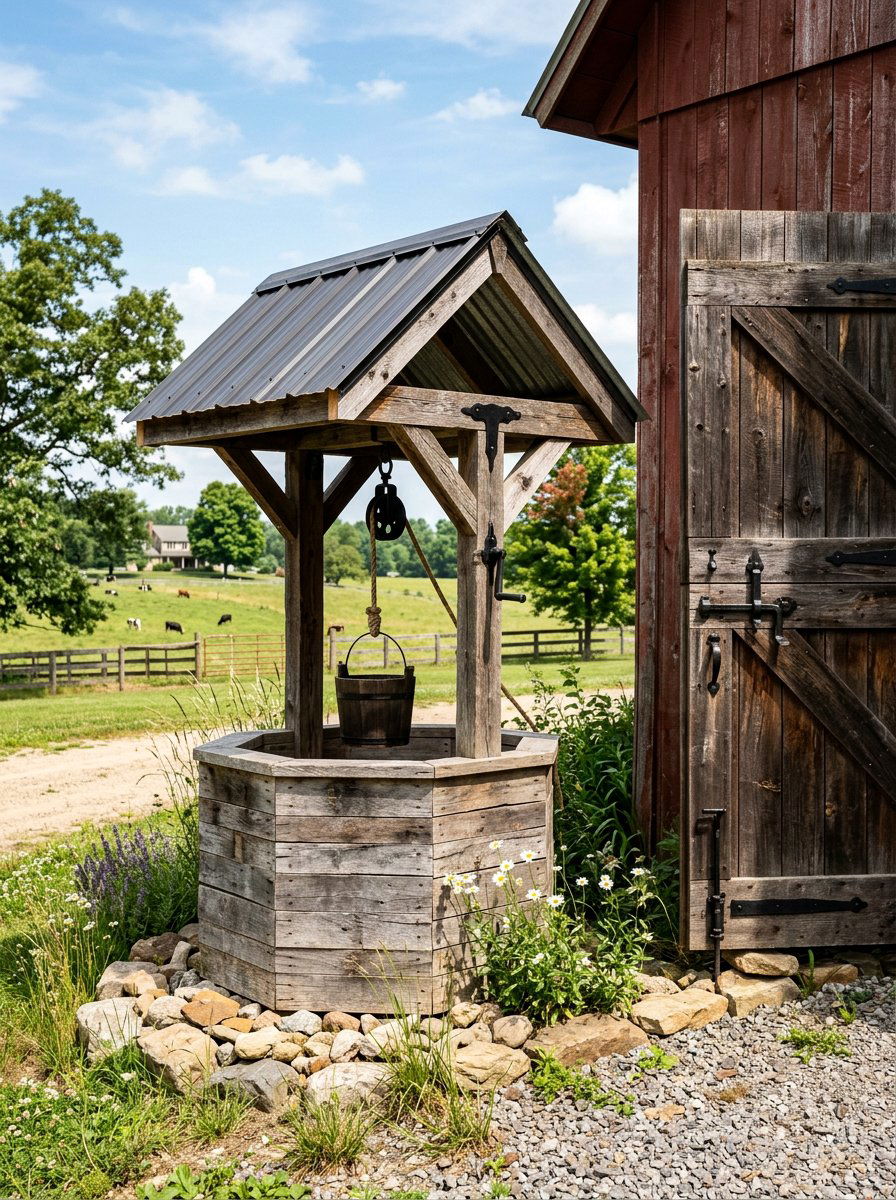
13. Pallet Trellis For Peas
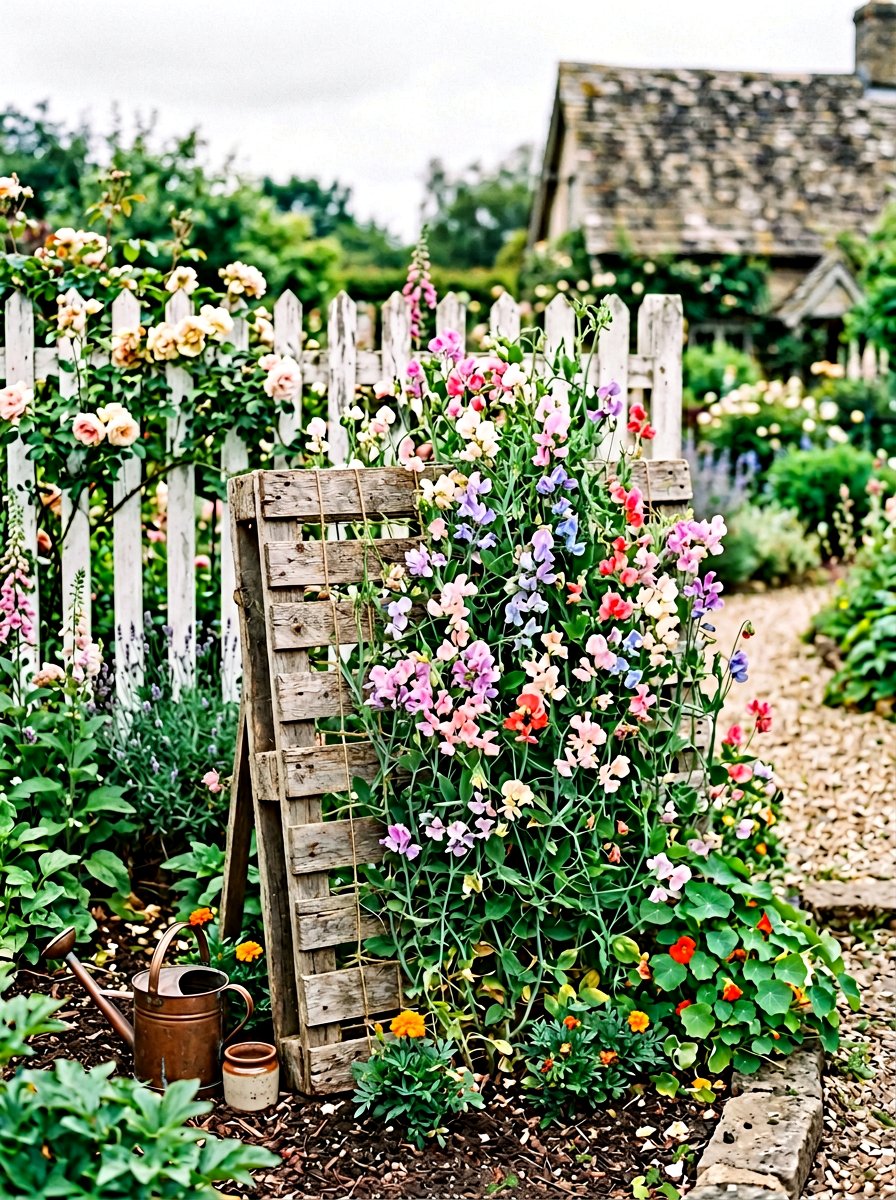
Sweet peas and garden peas are early-season favorites that look and grow wonderfully on a simple pallet structure. Their delicate tendrils are perfectly designed for grabbing onto the edges of the wooden slats as they make their way toward the top. Using a pallet for peas keeps the delicate flowers and pods away from the soil, ensuring they stay clean and free from rot. You can position the pallet in a spot that receives morning sun and afternoon shade to extend the growing season for these cool-weather lovers. The vertical growth habit encouraged by the pallet makes the most of the spring garden space when other plants are just starting to wake up. It adds a charming, productive element to the garden that feels both nostalgic and highly practical for modern sustainable living.
14. Pallet Trellis For Ivy
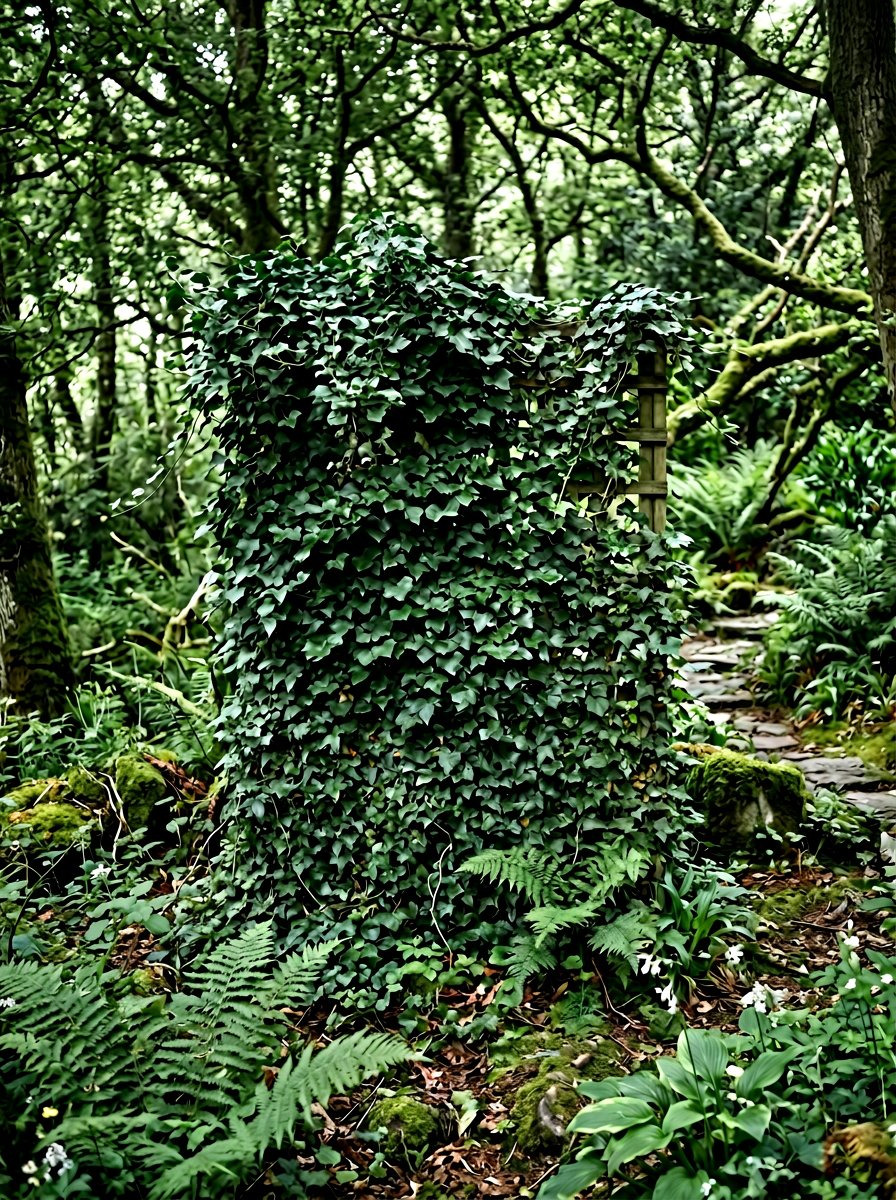
English ivy or other climbing evergreen vines can turn a plain pallet into a year-round green architectural feature in your garden. Ivy is incredibly hardy and will quickly colonize the wooden surface, creating a dense mat of foliage that provides excellent insulation and noise reduction. This is a great solution for creating a permanent privacy barrier or for disguising a boring backyard fence or wall. The pallet acts as a perfect skeleton for the ivy to cling to with its aerial rootlets, providing a sturdy foundation for years of growth. Even in the middle of winter, the ivy-covered pallet will provide visual interest and a habitat for small birds and beneficial insects. It is a low-maintenance way to bring a touch of classic, lush greenery to any corner of your outdoor living space.
15. Pallet Trellis For Jasmine
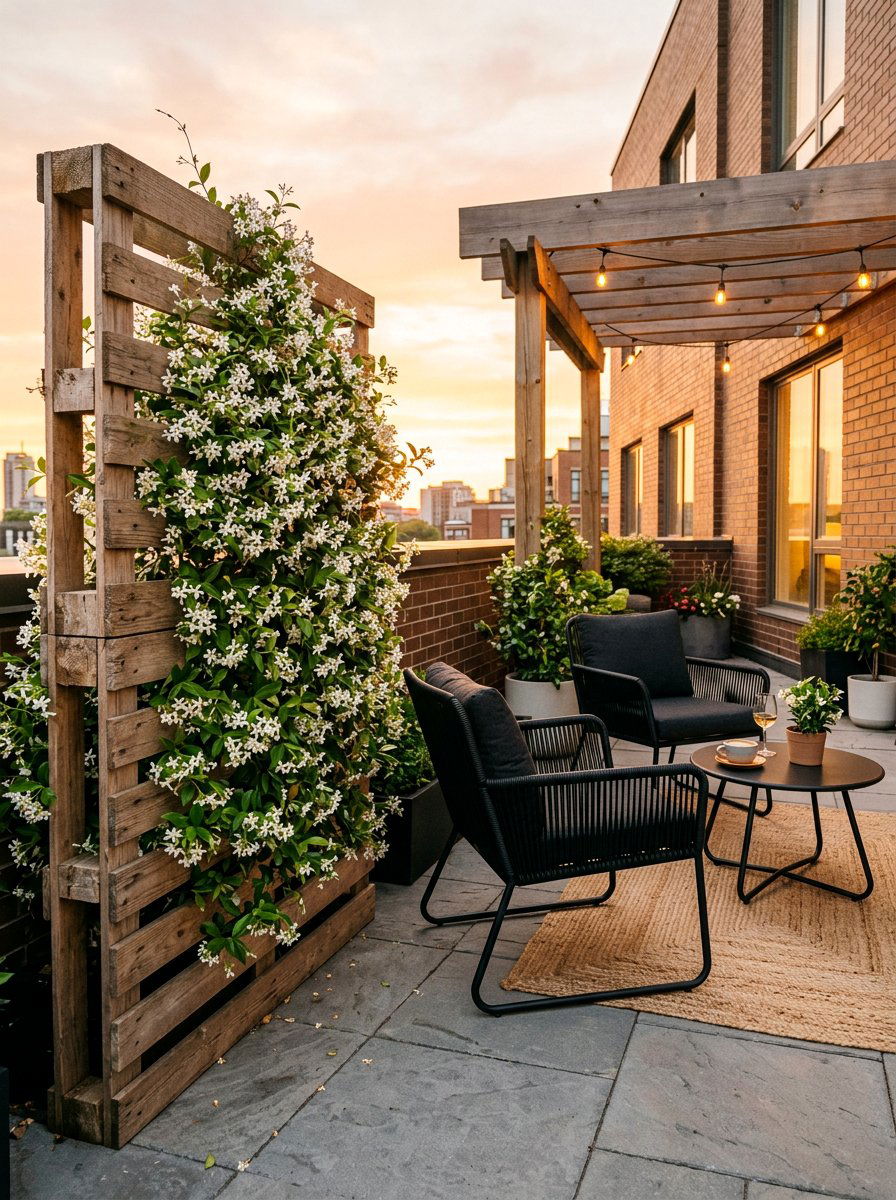
Star jasmine or other fragrant climbing vines can transform a simple pallet into a sensory delight for your backyard or patio. When you train jasmine to grow up a pallet, the blooms are held at nose level, allowing you to fully enjoy their incredible scent on warm summer evenings. The dark green, glossy leaves provide a beautiful contrast against the natural wood tones of the pallet, especially when it is in full bloom. You can place this setup near a window or an outdoor seating area to make the most of the aromatic experience. The sturdy slats provide enough support for the vine to grow thick and full, creating a lush wall of fragrance and greenery. It is an affordable luxury that adds a sophisticated and romantic feel to your garden design without a high price tag.
16. Painted Pallet Trellis
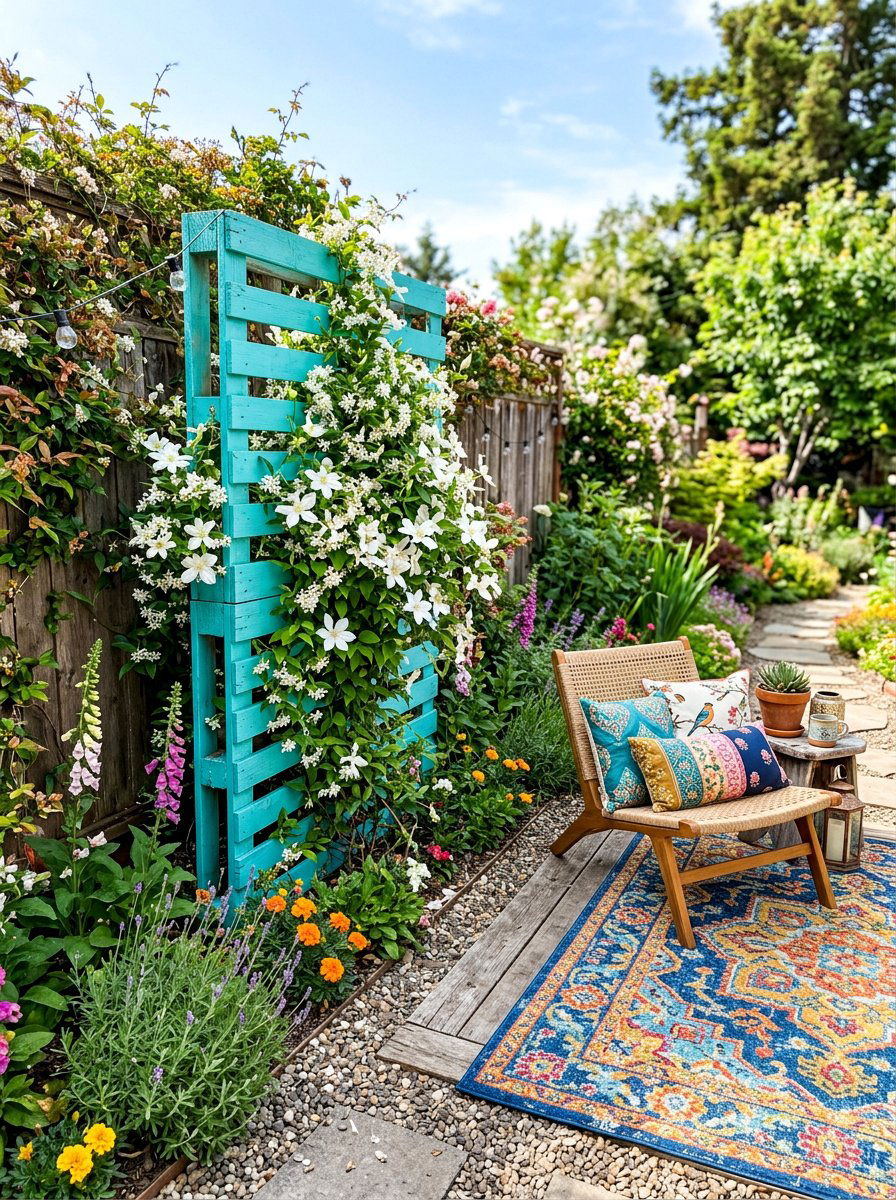
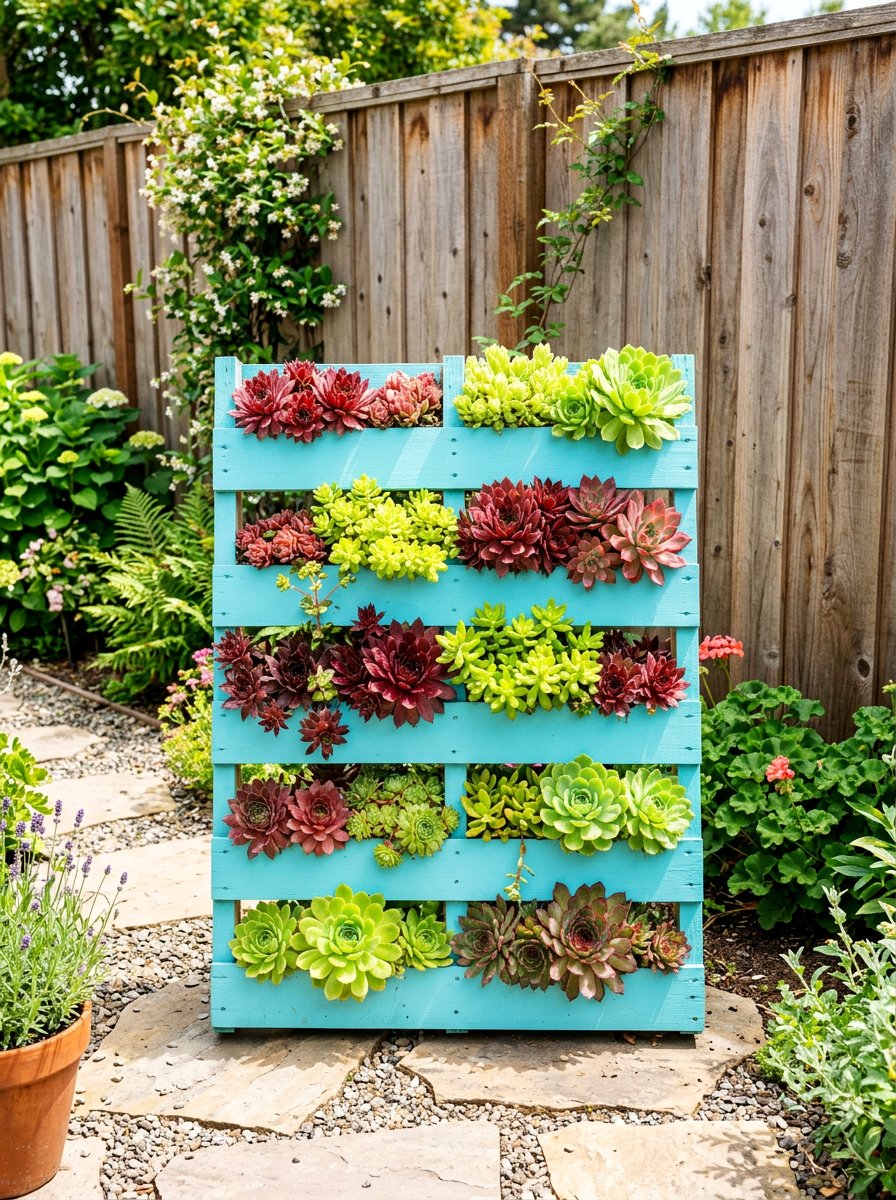
Applying a fresh coat of paint to your pallet trellis is an easy way to customize it to match your home’s exterior or your personal style. You can choose a bold, vibrant color like turquoise or yellow to create a cheerful statement piece that pops against the green of your plants. Alternatively, a classic white or soft sage green can give the trellis a more traditional cottage or farmhouse look. Using high-quality exterior paint will also help protect the wood from the elements, significantly extending the life of your handmade garden structure. Painting the pallet before you plant ensures that every nook and cranny is covered and protected from moisture and sun damage. It turns a piece of industrial waste into a beautiful work of art that enhances the overall aesthetic of your garden.
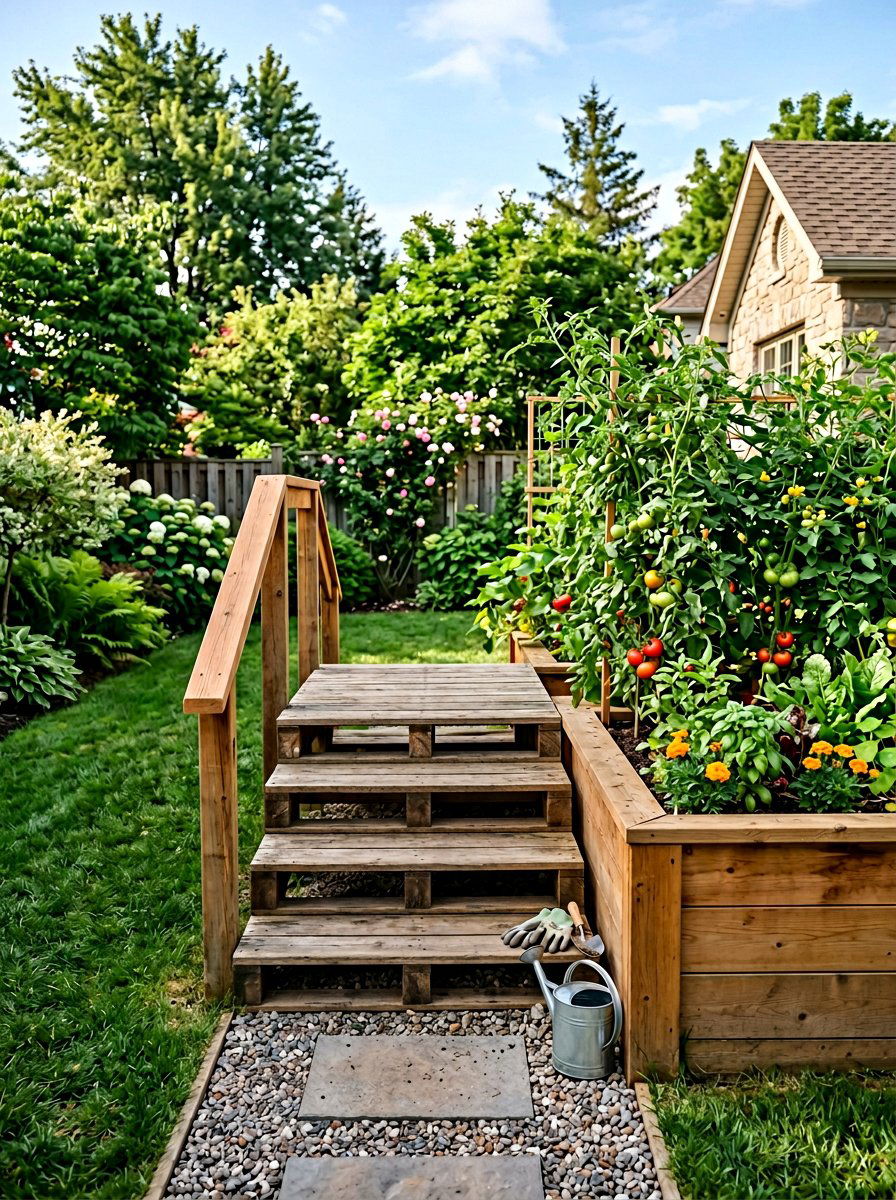
17. Stained Pallet Trellis
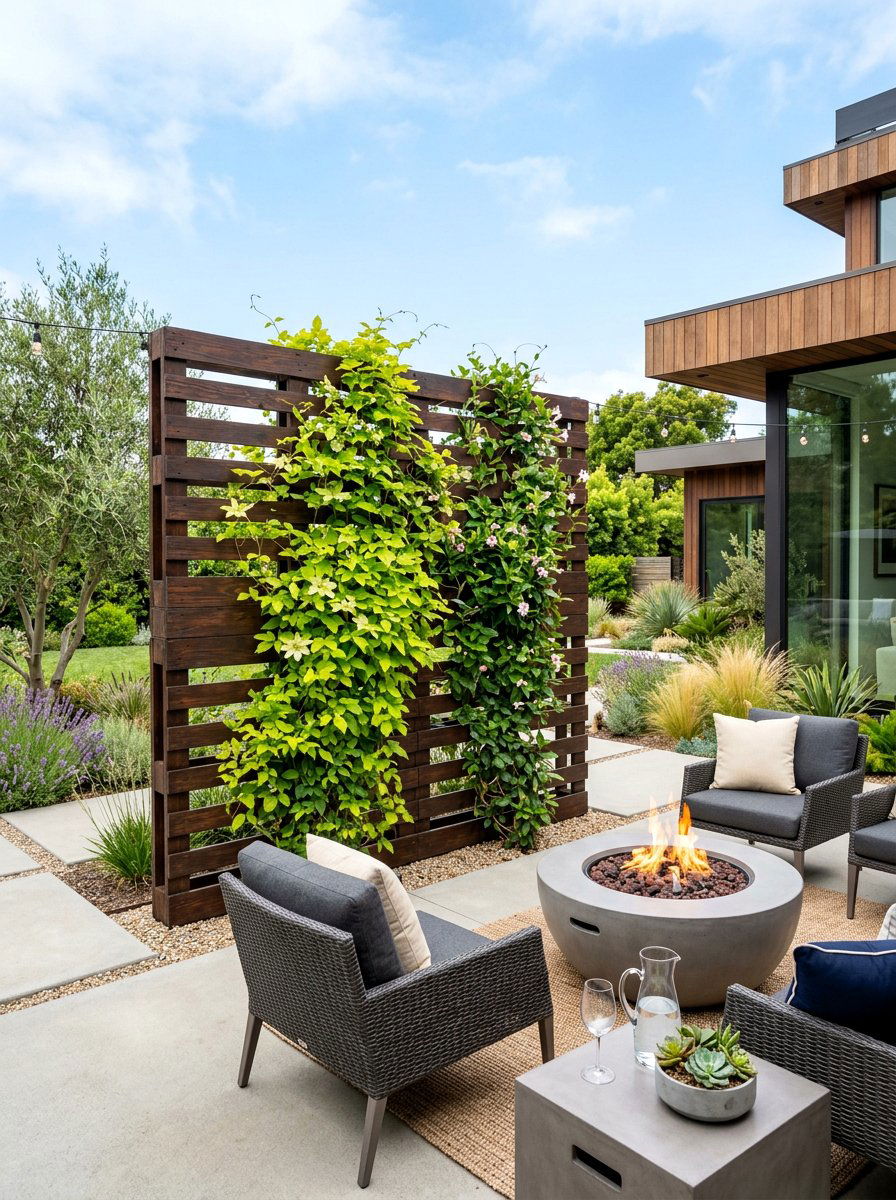
If you prefer a more natural and organic look, applying a high-quality wood stain can enhance the grain of the pallet while providing essential protection. A dark walnut or mahogany stain can make a cheap pallet look like an expensive piece of custom-made garden furniture. This approach is perfect for modern or rustic garden designs where you want the materials to blend seamlessly with the surrounding landscape. The stain helps the wood resist rot and insects, which is vital for a structure that will be in constant contact with soil and water. It provides a warm, finished appearance that serves as a beautiful backdrop for bright green foliage and colorful flowers. This simple DIY project can elevate the entire look of your backyard while keeping your climbing plants well-supported for many seasons.
18. Tiered Pallet Trellis
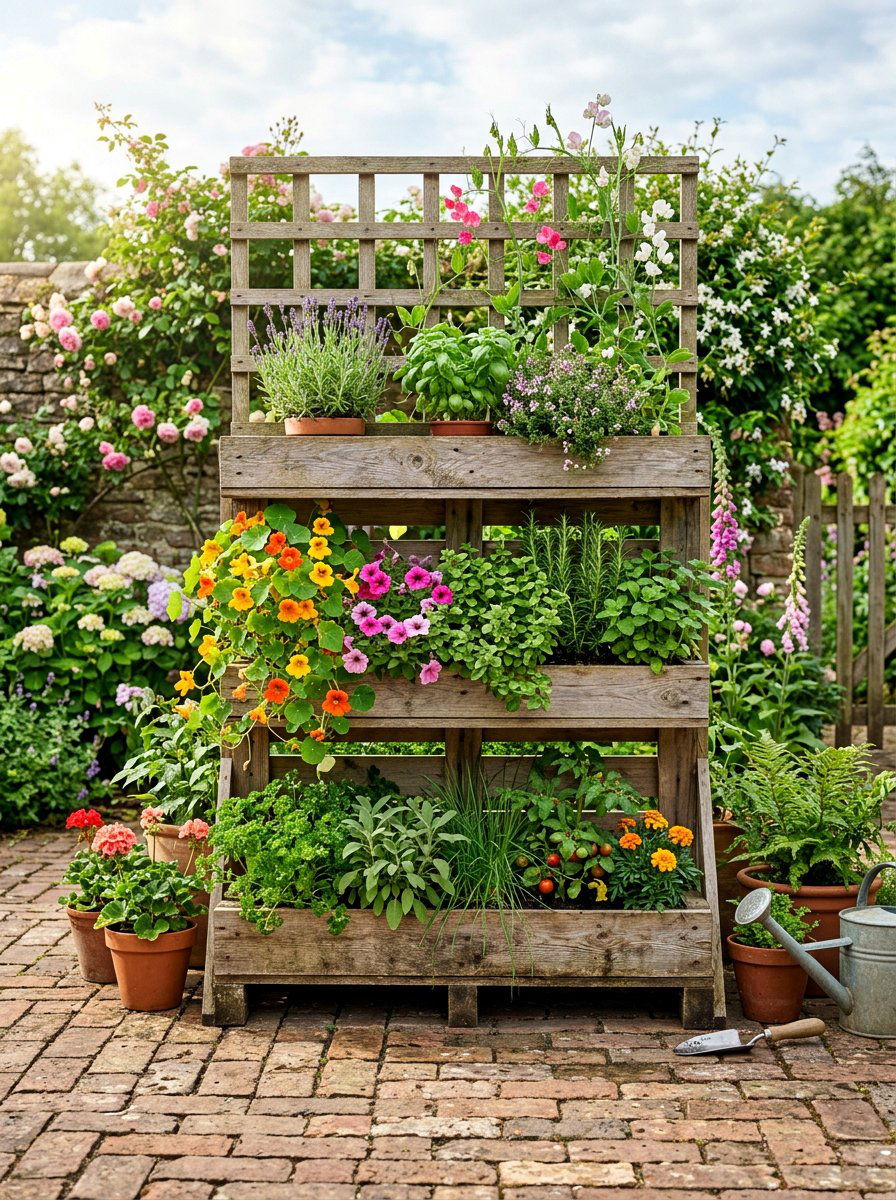
A tiered pallet design involves using multiple pallets or cutting a single pallet into sections to create different levels of planting height. This creates a visually interesting step-like structure that is perfect for a variety of different climbing and trailing plants. You can place sun-loving climbers at the top and shade-tolerant plants in the lower sections to maximize your garden's potential. This design is also great for herb gardens, where you can have different types of mint or climbing rosemary growing at different heights. The varying levels provide excellent drainage and airflow, which are essential for keeping your plants healthy and productive. It is a creative way to add a lot of vertical interest to a flat yard and makes your garden feel more dynamic and professionally designed.
19. Pallet Trellis With Flower Boxes
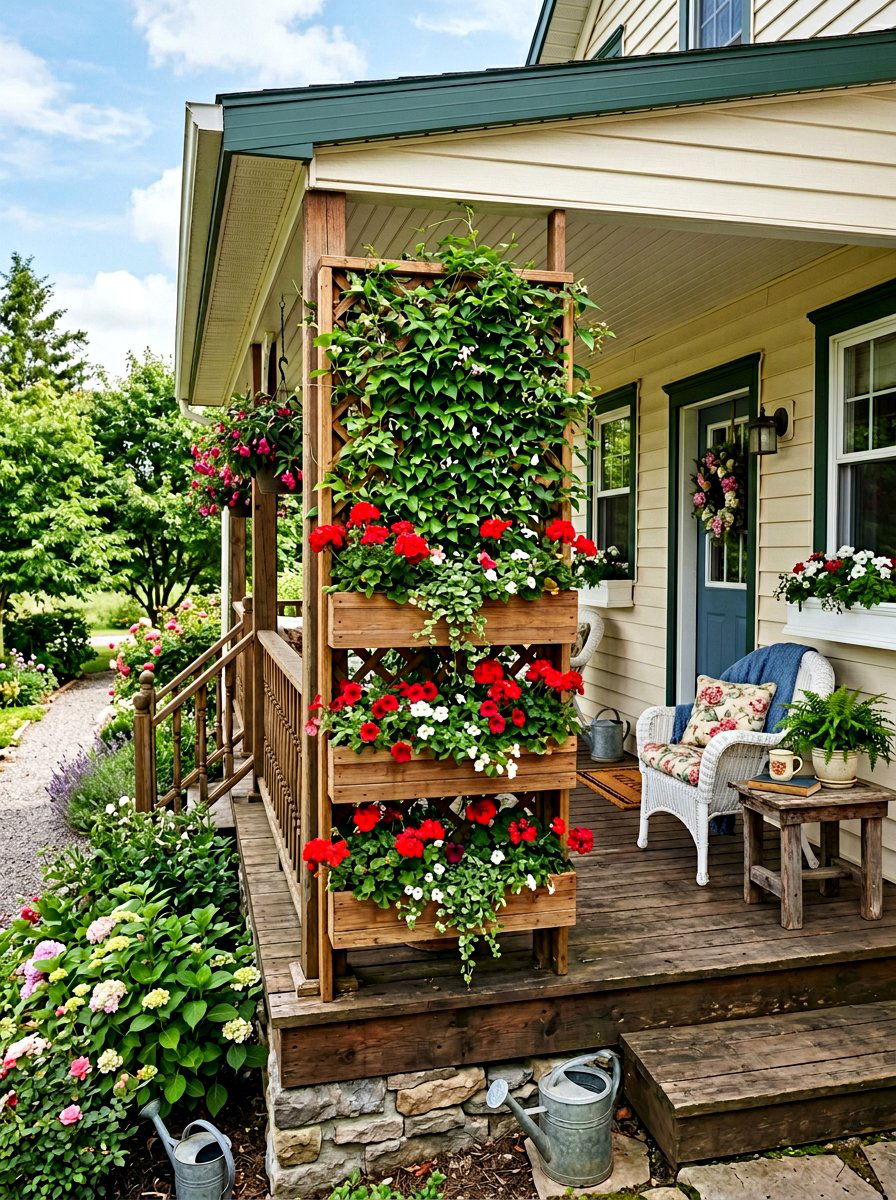
Adding built-in flower boxes to your pallet trellis combines the benefits of a vertical support with the beauty of traditional container gardening. You can secure small wooden boxes or plastic planters to the horizontal slats at various heights to hold colorful annuals or cascading vines. This setup allows you to create a lush, multi-layered effect that looks full and vibrant from the very first day. The climbing plants can grow up the back of the pallet while the trailing flowers spill over the edges of the boxes in the front. This is an ideal solution for renters or people with paved patios who want to create a significant garden presence without digging into the ground. It is a self-contained garden system that provides height, color, and texture in one compact and affordable unit.
20. Double Sided Pallet Trellis
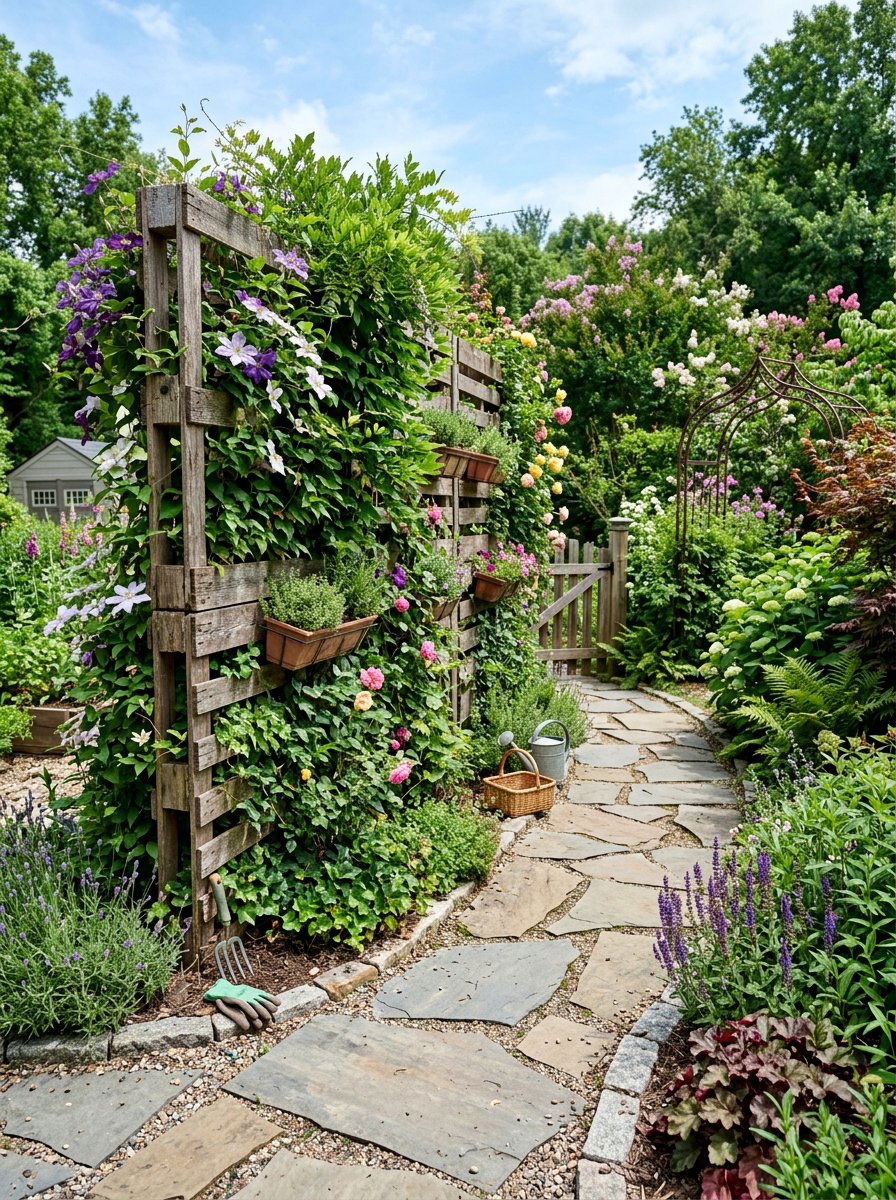
A double-sided trellis is created by standing a pallet vertically and allowing plants to grow on both the front and the back surfaces. This effectively doubles your growing space and creates a thick, living wall that is visible from any angle in your garden. It is a fantastic choice for creating a privacy screen between a patio and a neighbor's yard or for dividing different sections of your garden. You can plant different varieties on each side to create two distinct looks or use the same plant for a uniform and dense appearance. Because the structure is open, light and air can still pass through, which keeps all the plants healthy. It is a highly efficient and practical way to make the most of every square inch of your available outdoor growing space.
21. Pallet Trellis Privacy Screen
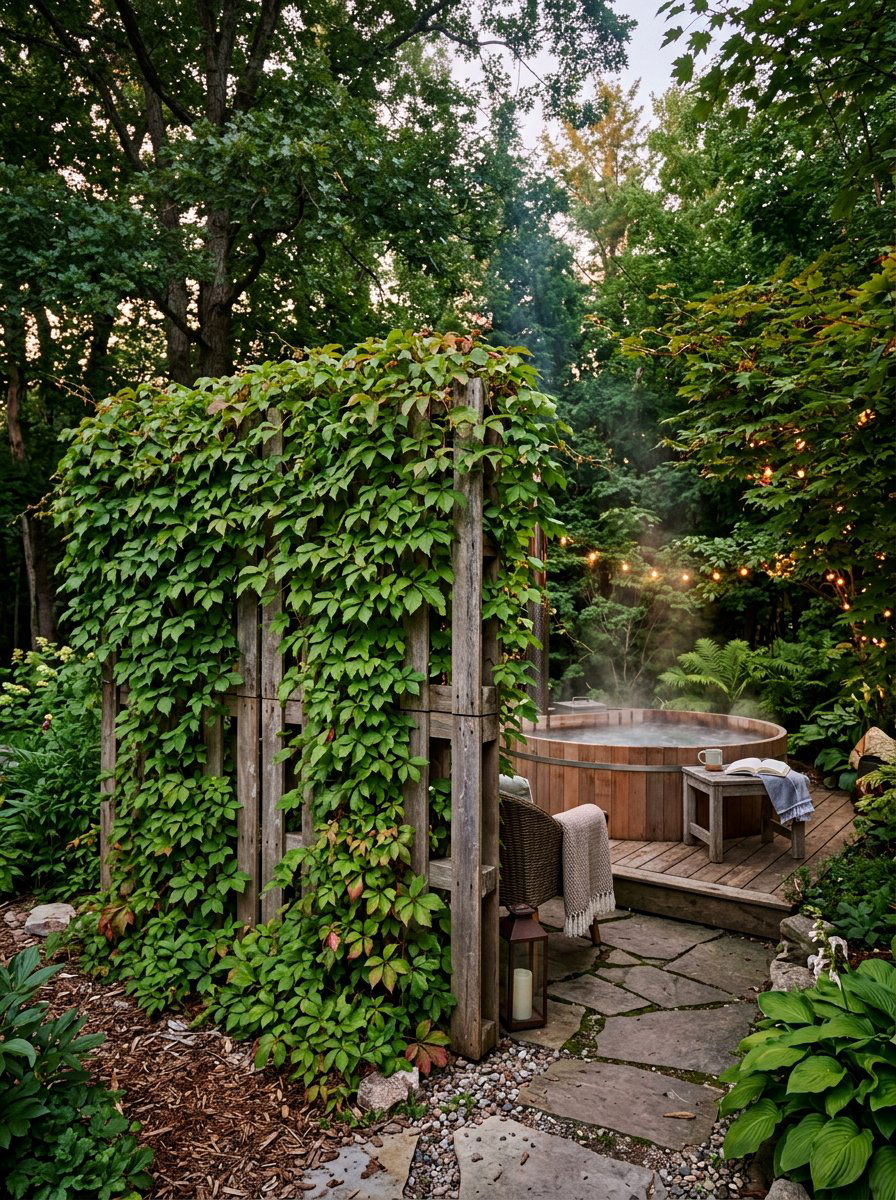
Using a series of tall pallets to create a privacy screen is a budget-friendly way to make your backyard feel more secluded and private. You can secure the pallets together in a long line or a zigzag pattern to create a solid-looking barrier that still allows for some breeze. When covered with fast-growing climbers like hops or Virginia creeper, the screen becomes a beautiful wall of living foliage. This is a much more attractive and eco-friendly alternative to traditional plastic or metal fencing options. It provides an excellent backdrop for your outdoor dining area or a quiet reading nook, blocking out distractions from the outside world. The height and density of the plants will provide a natural shield against wind and noise, creating a peaceful sanctuary in your own home.
22. Pallet Trellis Herb Garden
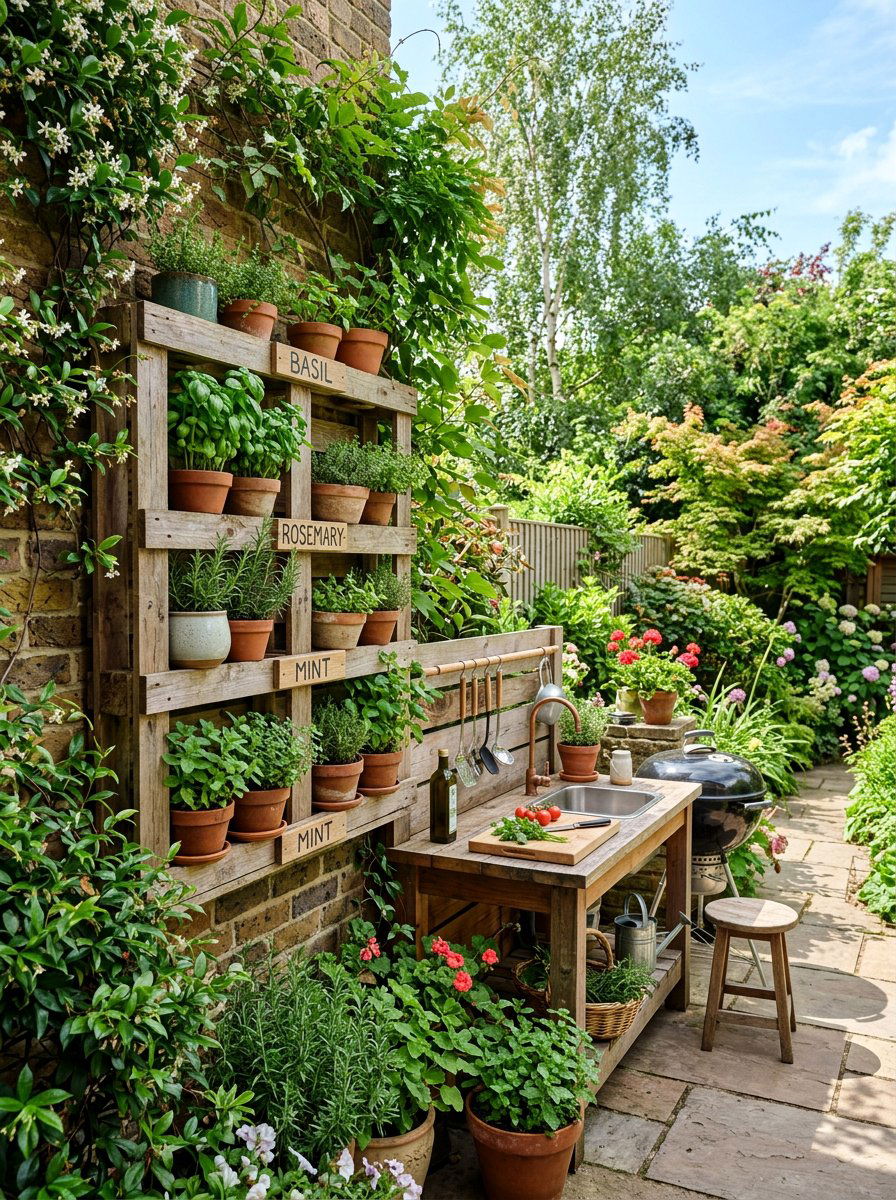
A pallet trellis is the perfect foundation for a vertical herb garden, allowing you to grow a wide variety of aromatic plants in a very small footprint. You can train climbing herbs like some varieties of jasmine or even certain types of nasturtiums to scale the slats of the wood. By attaching small pots or landscape fabric pockets to the pallet, you can also grow non-climbing herbs like basil, thyme, and oregano alongside the vining ones. Keeping your herbs vertical makes them very easy to harvest for cooking and keeps them away from pests like rabbits or snails. The wooden slats provide some protection from harsh winds while allowing plenty of sunlight to reach each individual plant. It is a functional and beautiful addition to any kitchen garden or sunny balcony area.
23. Rustic Pallet Trellis
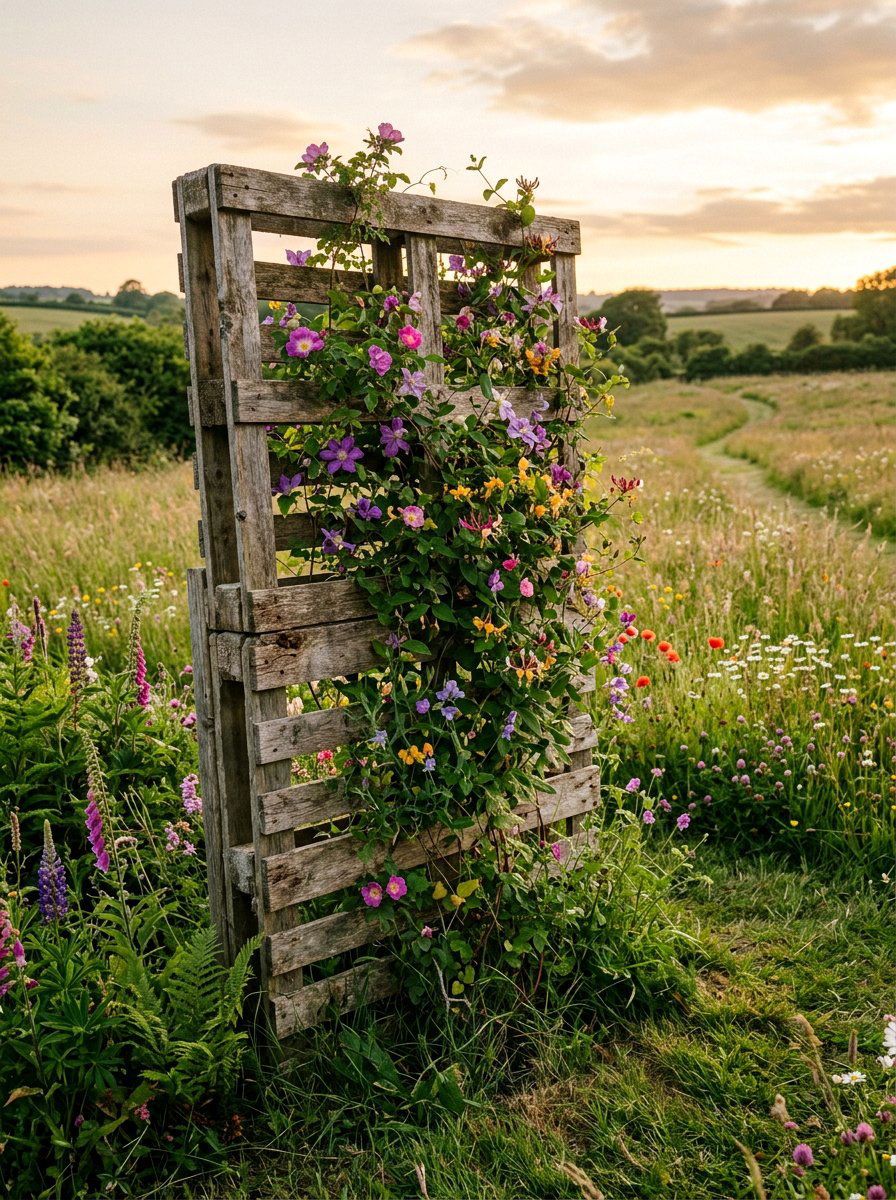
Embracing the natural, weathered look of a pallet can create a wonderful rustic charm that fits perfectly into a casual garden setting. You don't always need to paint or stain the wood; sometimes the silver-gray patina of aged lumber is the most beautiful choice for a naturalistic landscape. This style works exceptionally well with wildflower vines or native climbing plants that look at home in a more relaxed environment. You can leave the nail heads and imperfections visible to highlight the history of the upcycled material. A rustic trellis adds a sense of character and soul to the garden that brand-new store-bought structures often lack. It is an effortless way to achieve a "found" or "collected" aesthetic that feels warm, inviting, and grounded in the beauty of the natural world.
24. Modern Pallet Trellis
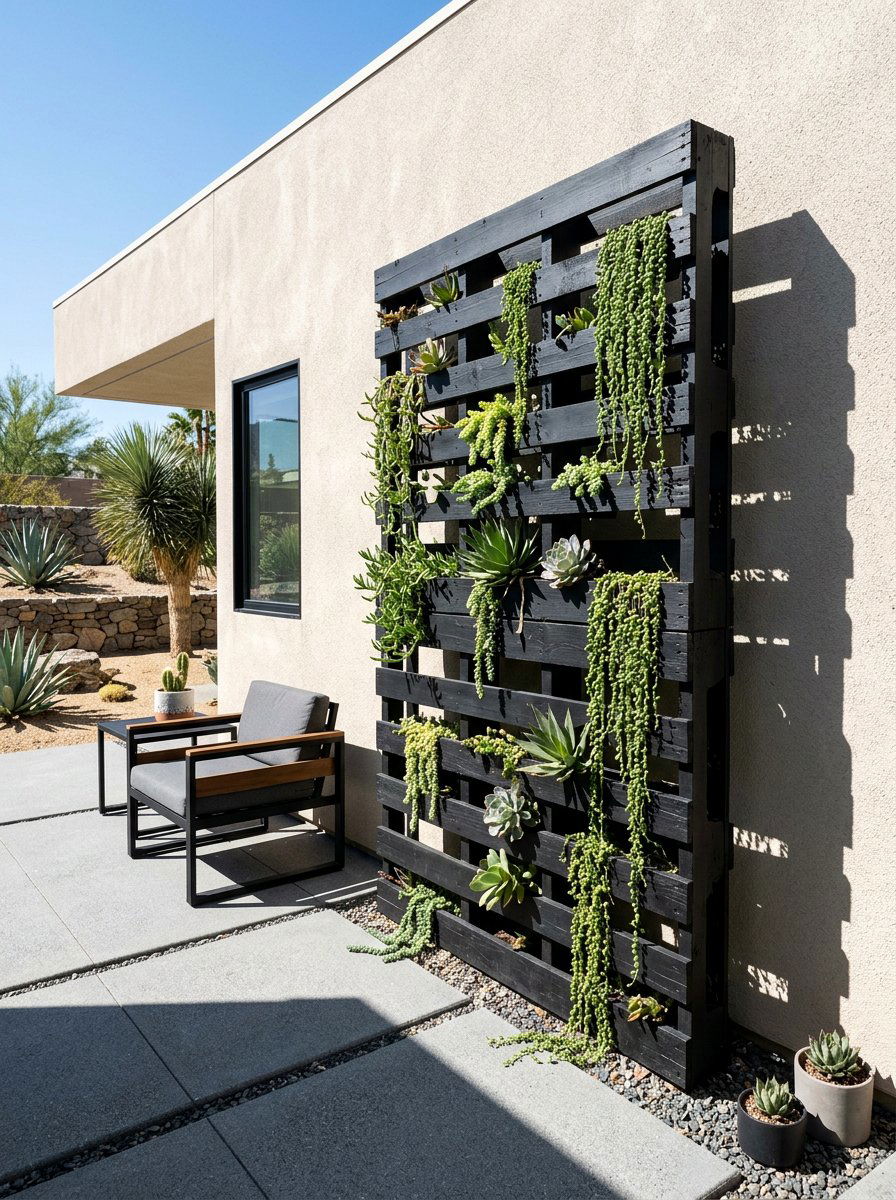
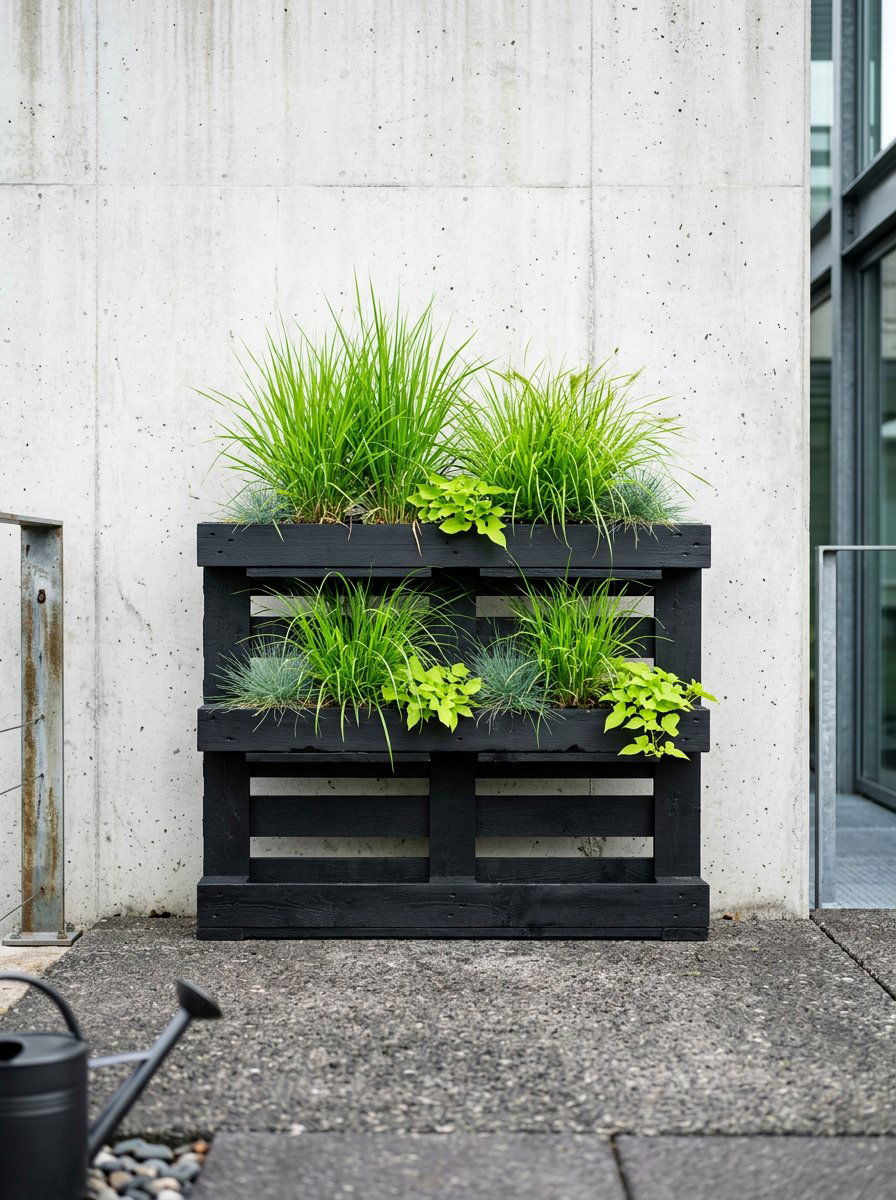
You can easily give a pallet a modern makeover by cleaning up the lines and using a monochromatic color palette like charcoal gray or black. By removing every other slat, you can create a more open and architectural look that fits perfectly with contemporary home designs. This minimalist approach allows the structure of the climbing plants to take center stage, emphasizing the geometry of the leaves and stems. A modern pallet trellis looks great when paired with sleek metal planters or clean-lined outdoor furniture. It proves that upcycled materials can look incredibly high-end and sophisticated when treated with a bit of design foresight. This style is perfect for urban rooftops or modern suburban patios where you want a clean, uncluttered look that still incorporates plenty of lush vertical greenery.
25. Small Space Pallet Trellis
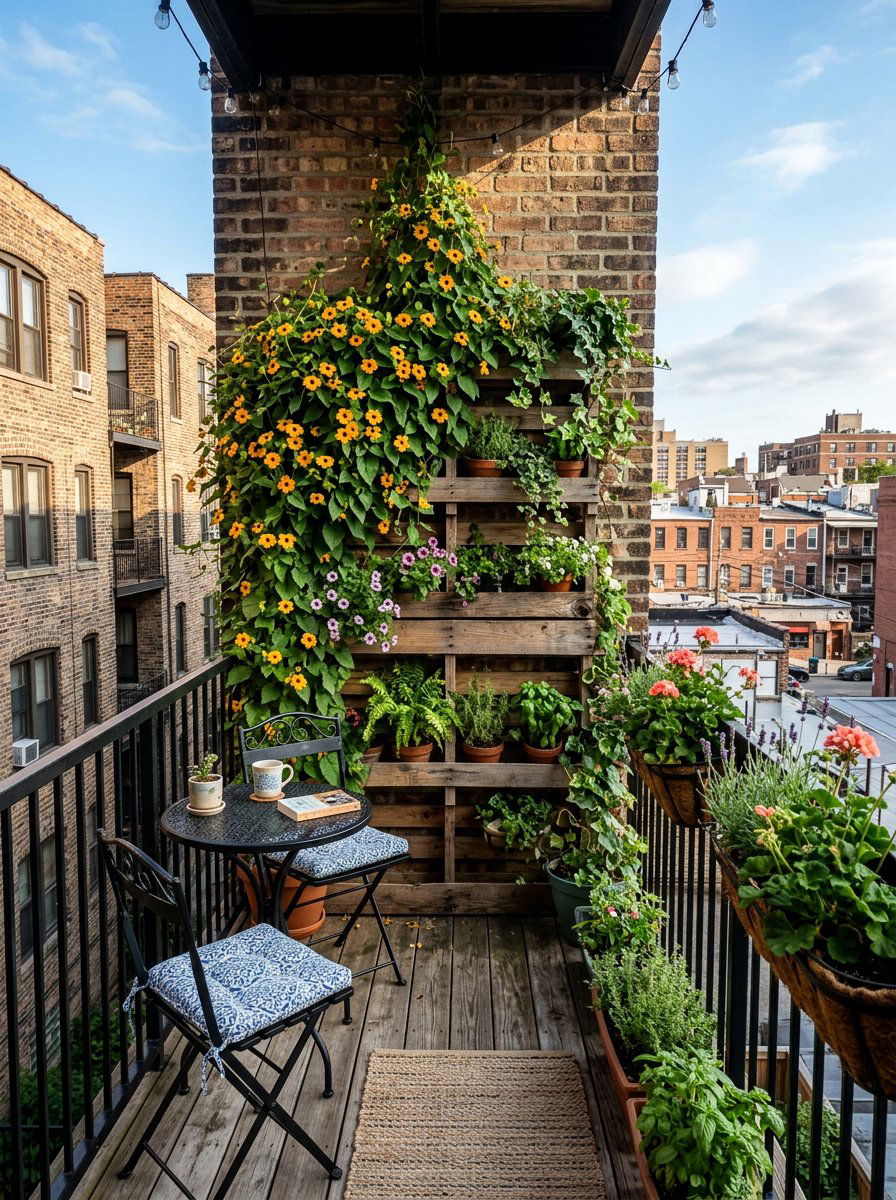
For those with nothing more than a tiny balcony or a small porch, a mini pallet trellis is a lifesaver for bringing nature into your living space. You can cut a pallet down to size to fit into a specific corner or to sit on top of a small potting bench. This allows you to grow beautiful climbers like Mandevilla or Black-eyed Susan vines even if you don't have a single inch of open soil. Vertical gardening on a small scale makes the area feel larger by drawing the eye upward and filling the vertical void with life. It is an accessible way for everyone to enjoy the benefits of gardening, regardless of their living situation. A small-space trellis is easy to move and maintain, making it a flexible and practical choice for busy urban dwellers.
Conclusion:
Building your own pallet trellis for climbing plants is an incredibly rewarding DIY project that combines sustainability with functional garden design. These versatile structures provide the necessary support for everything from delicate flowering vines to heavy vegetable crops, all while saving valuable ground space. By choosing to upcycle pallets, you are not only saving money but also contributing to a more eco-friendly lifestyle by repurposing industrial materials. The twenty-five ideas discussed above show that there is a pallet solution for every garden style, size, and planting need imaginable. Whether you prefer a rustic look, a modern aesthetic, or a highly productive vegetable wall, the humble pallet is your best friend. We hope these ideas inspire you to get outside, get creative, and start growing your own vertical paradise today. With just a little bit of effort, your garden will be reaching new heights of beauty and productivity in no time.
Related DIY Ideas to Try: