
Creating a sustainable and beautiful outdoor space does not require a huge budget or professional landscaping skills. Using reclaimed pallets for succulent gardens is a fantastic way to recycle wood while adding character to your home. These versatile structures provide the perfect framework for various low-maintenance plants that thrive in well-draining environments. Whether you have a sprawling backyard or a tiny apartment balcony, a pallet garden can be customized to fit any area perfectly. This guide explores creative ways to transform simple wooden pallets into stunning botanical displays. You will learn how to arrange different textures and colors to achieve a viral-worthy look that impresses guests and neighbors.
1. Vertical Pallet Garden
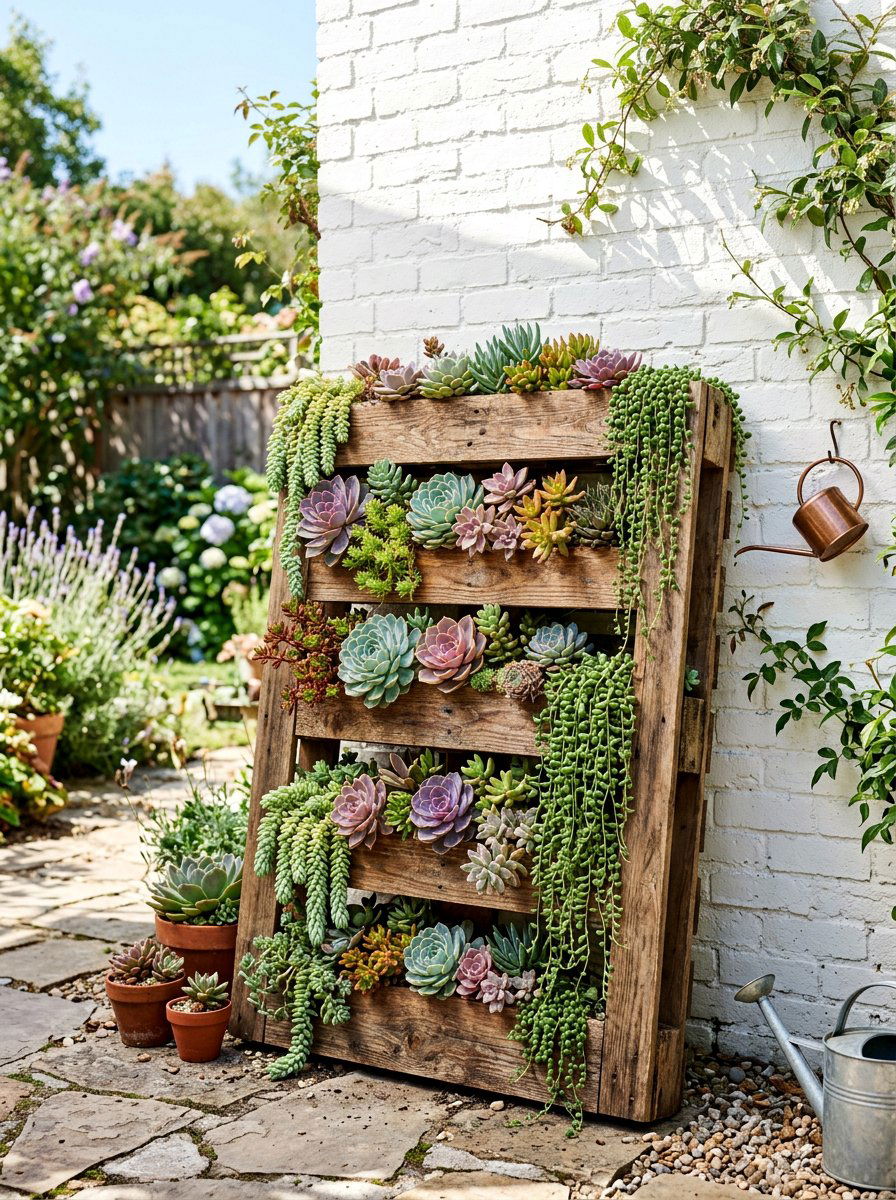
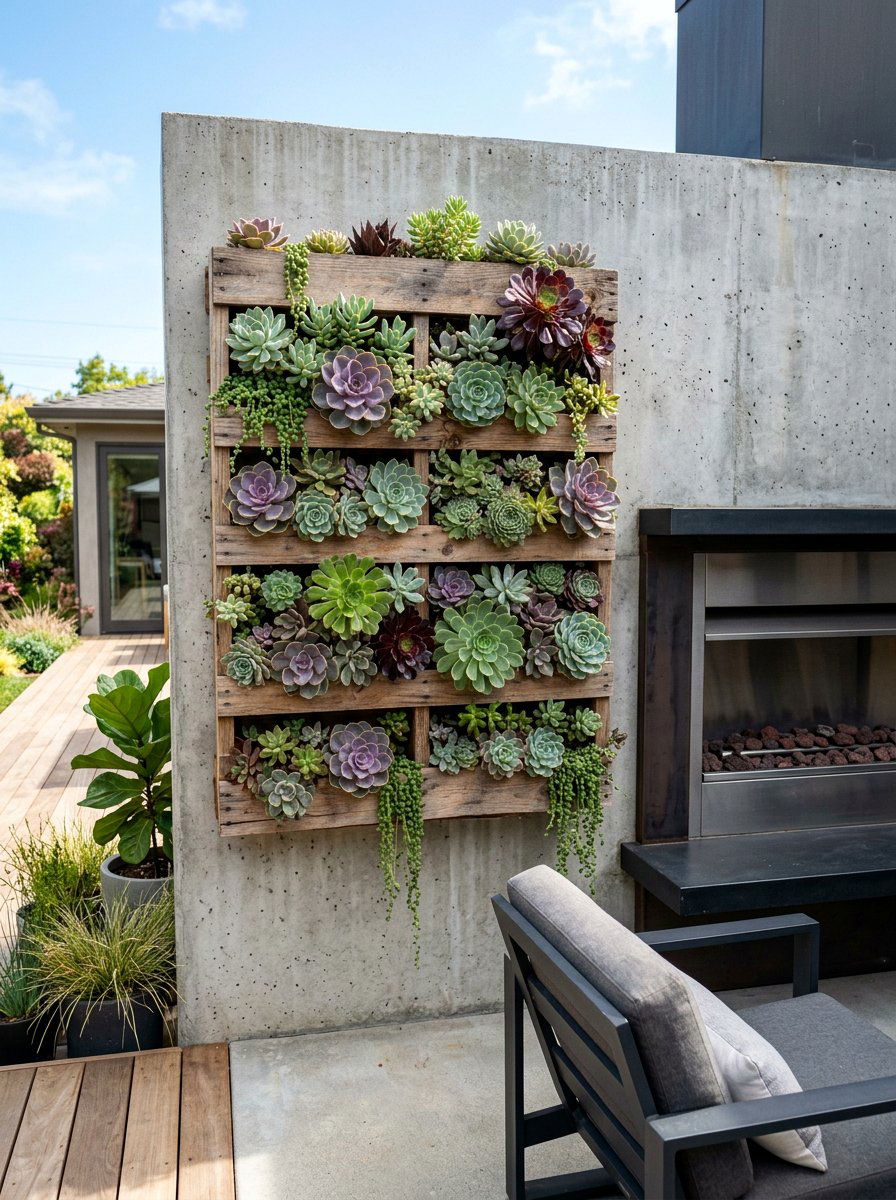
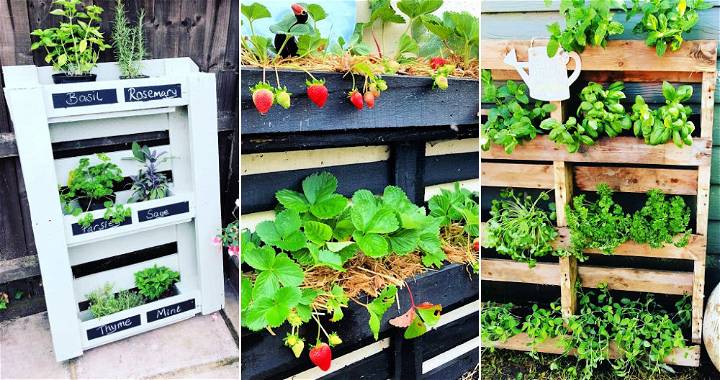
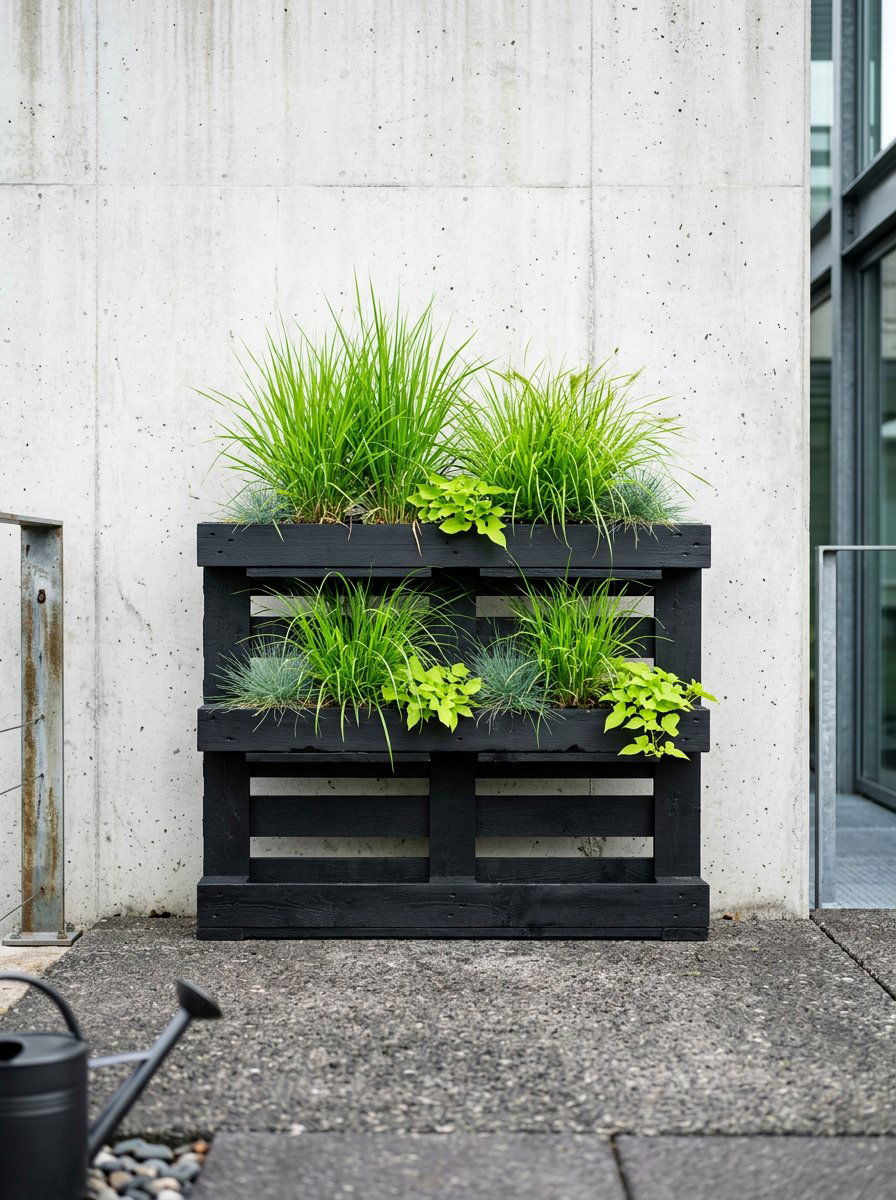
A vertical pallet garden is the ultimate solution for small spaces like balconies or narrow patios. This setup allows you to grow dozens of succulents in a very small footprint by utilizing the vertical height of your walls. To build this, you simply need a sturdy pallet, some landscaping fabric, and a high-quality succulent soil mix. Staple the fabric to the back and bottom of the pallet to create pockets for the plants. Once you fill it with soil, you can tuck different varieties of Echeveria and Sedum into the slats. This creates a lush wall of greenery that looks professional and organized while saving valuable floor space in your garden.
2. Succulent Wall Planter
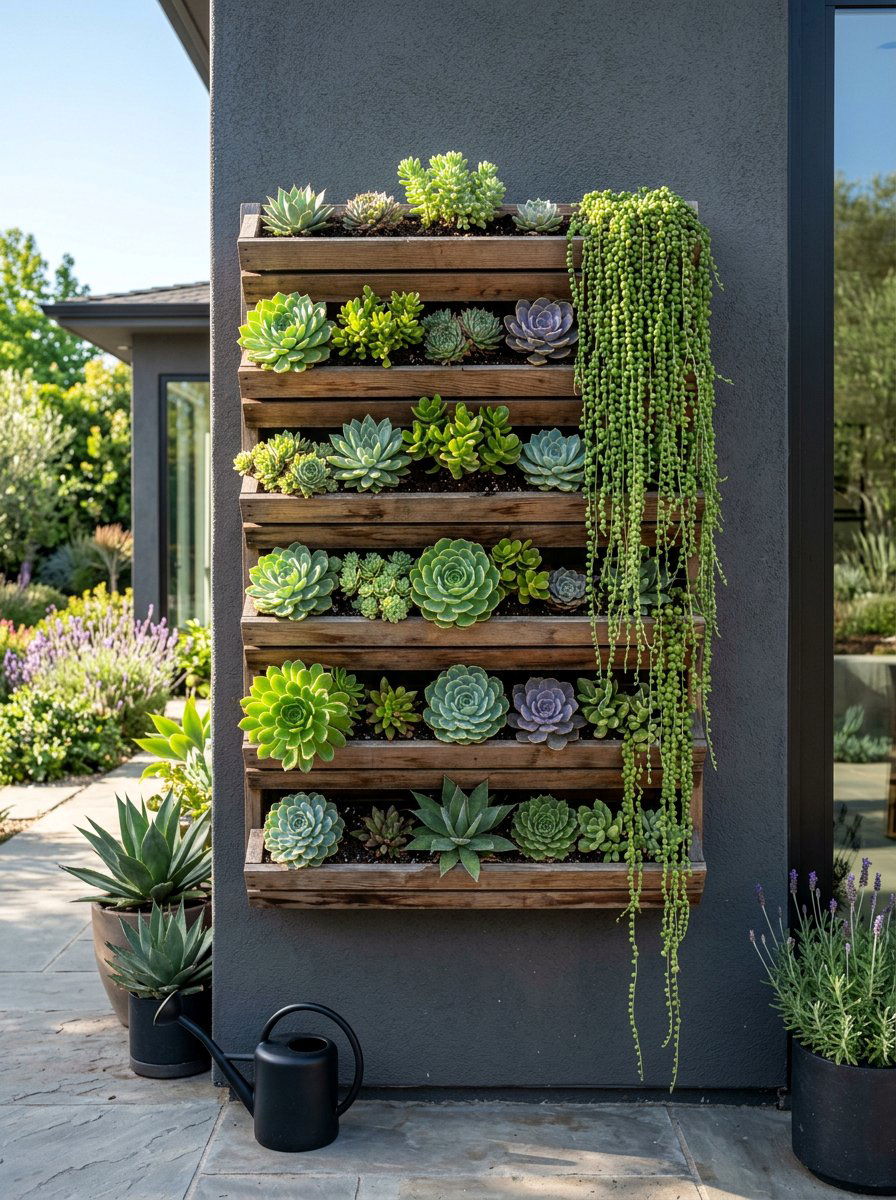
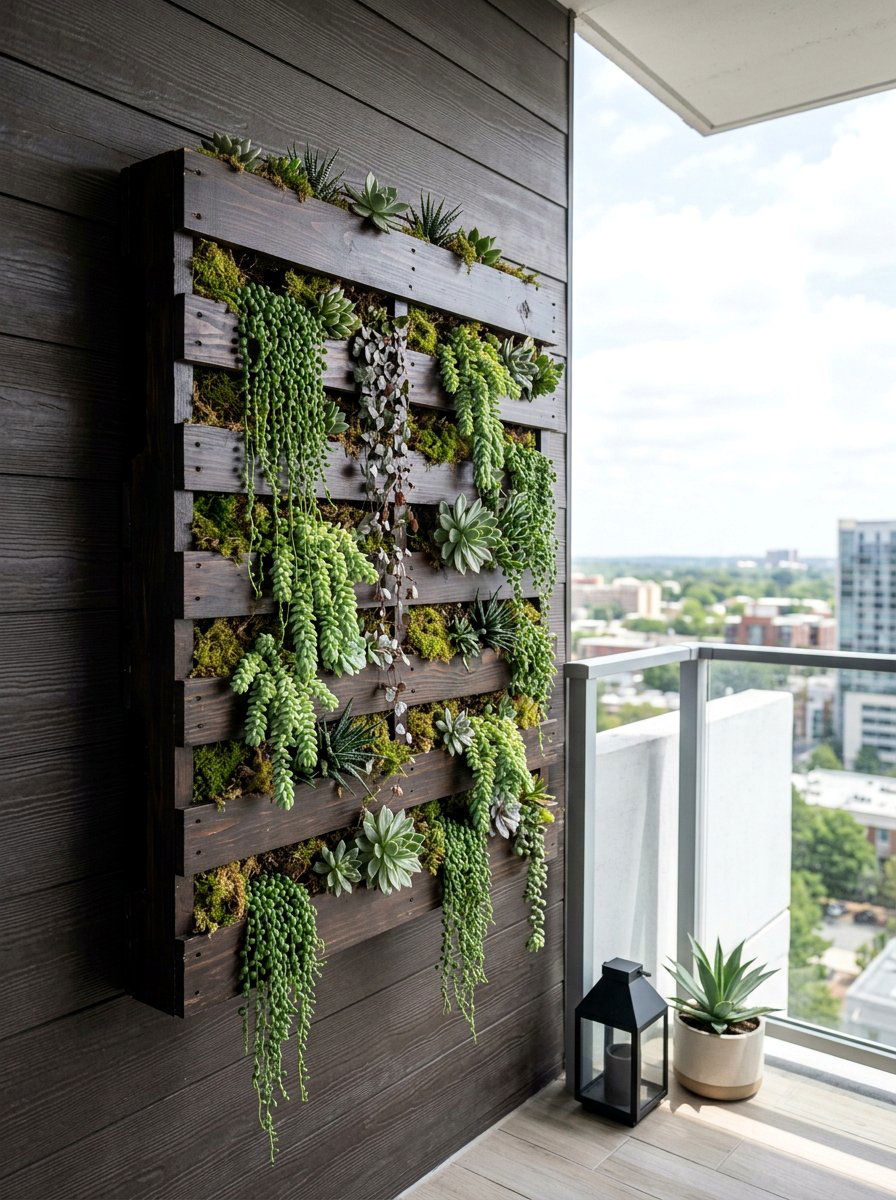
A succulent wall planter adds a touch of modern sophistication to any exterior surface. This specific design uses horizontal pallet slats as narrow shelves to hold small pots or directly planted succulents. It is an excellent way to cover up an old fence or a boring brick wall with living art. You can choose a variety of trailing succulents like String of Pearls to hang over the edges for extra visual interest. The natural wood grain of the pallet provides a beautiful contrast to the fleshy leaves of the plants. Secure the structure firmly to the wall to ensure it can support the weight of the damp soil and plants.
3. Pallet Wood Garden Box
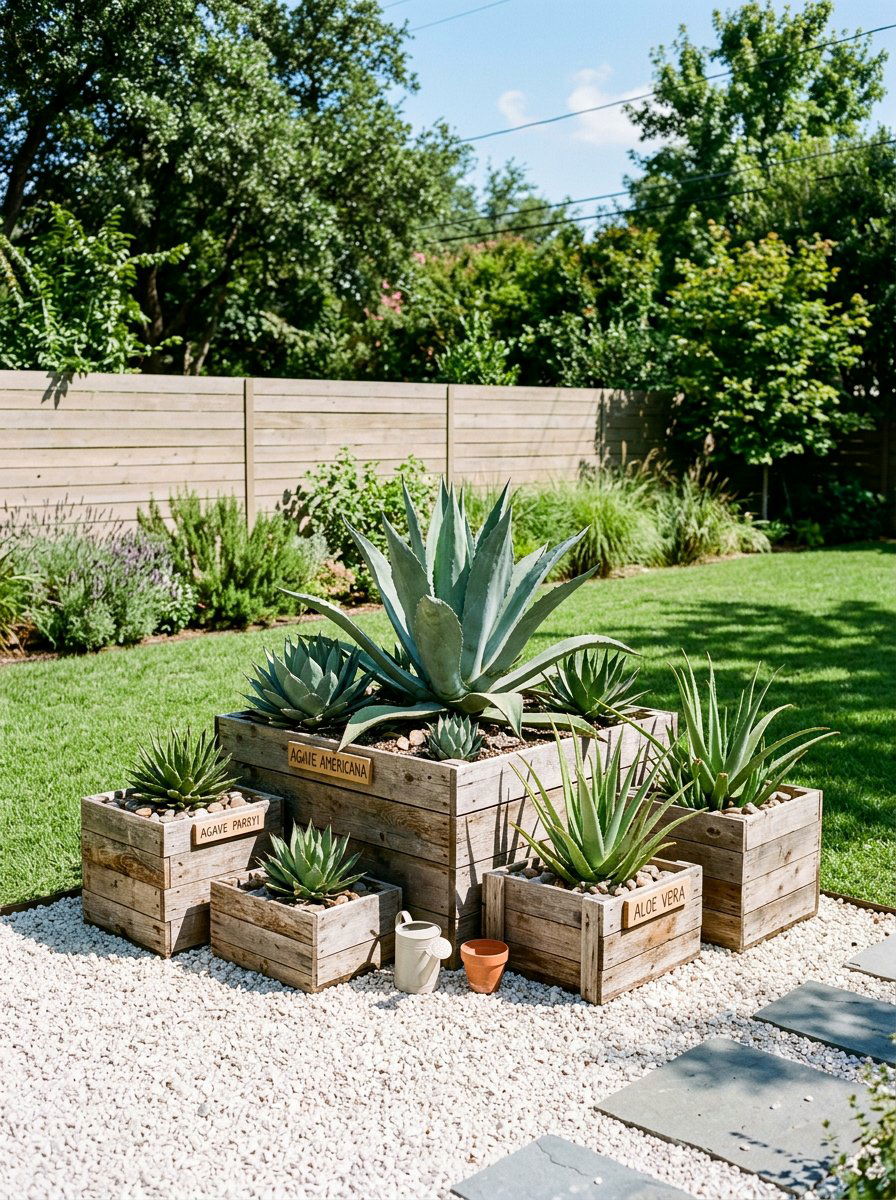
The pallet wood garden box is a sturdy and traditional way to organize your outdoor plant collection. By dismantling a pallet and using the individual boards, you can create custom-sized boxes that fit perfectly in your garden corners. These boxes are ideal for larger succulent species like Aloe or Agave that need more room for root growth. You can leave the wood in its natural state for a rustic look or apply a light stain to protect it from the weather. Adding a layer of gravel at the bottom will ensure the soil stays well-drained. This simple project is both functional and aesthetically pleasing for any sunny backyard.
4. Tiered Plant Stand
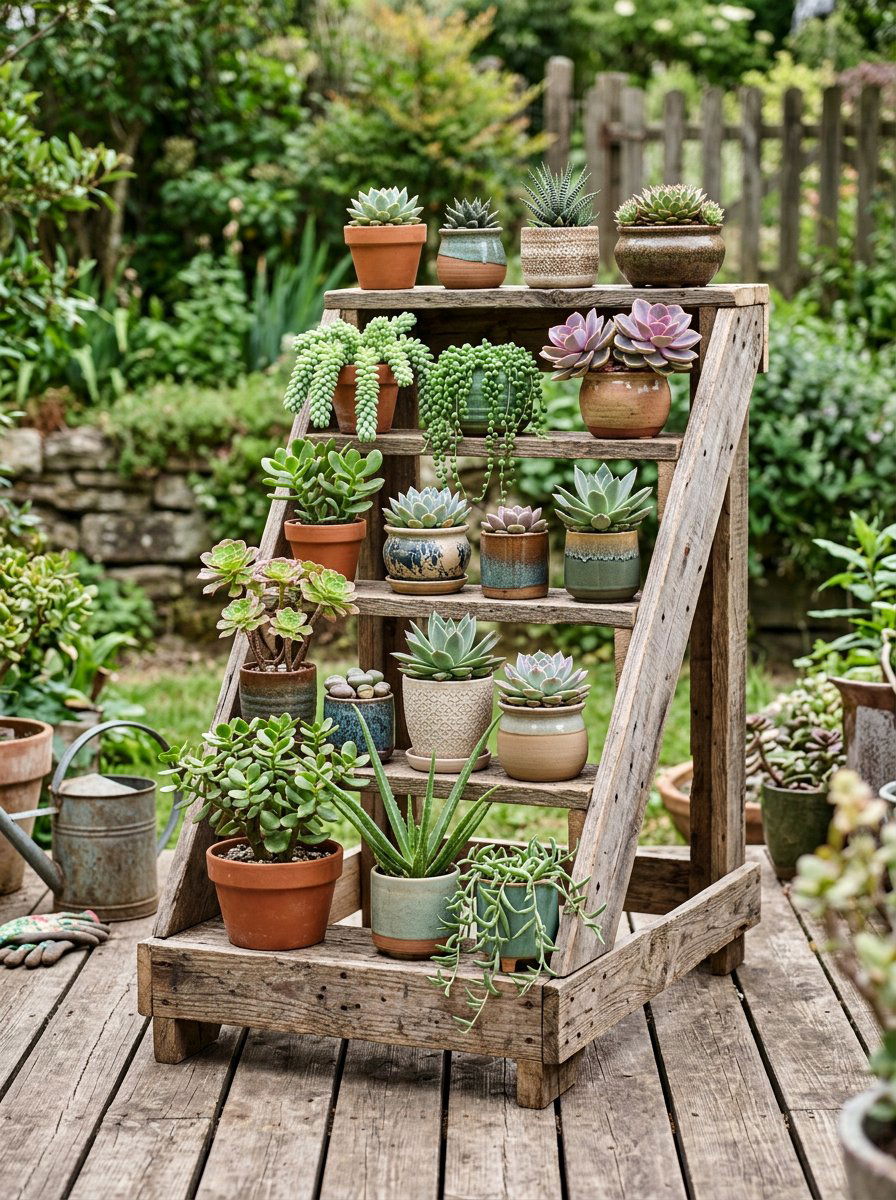
A tiered plant stand created from pallet wood offers multiple levels for displaying your favorite succulent varieties. This design works by stacking pallet sections of different heights to create a staircase effect for your plants. Each level provides a clear view of the unique shapes and colors of the succulents, preventing them from being hidden by one another. This arrangement is particularly effective for showcasing smaller, more intricate plants that might get lost in a larger garden bed. The vertical layers also help with air circulation, which is vital for preventing rot in succulent species. It is a practical and stylish addition to any sunny patio or porch.
5. Free Standing Pallet Rack
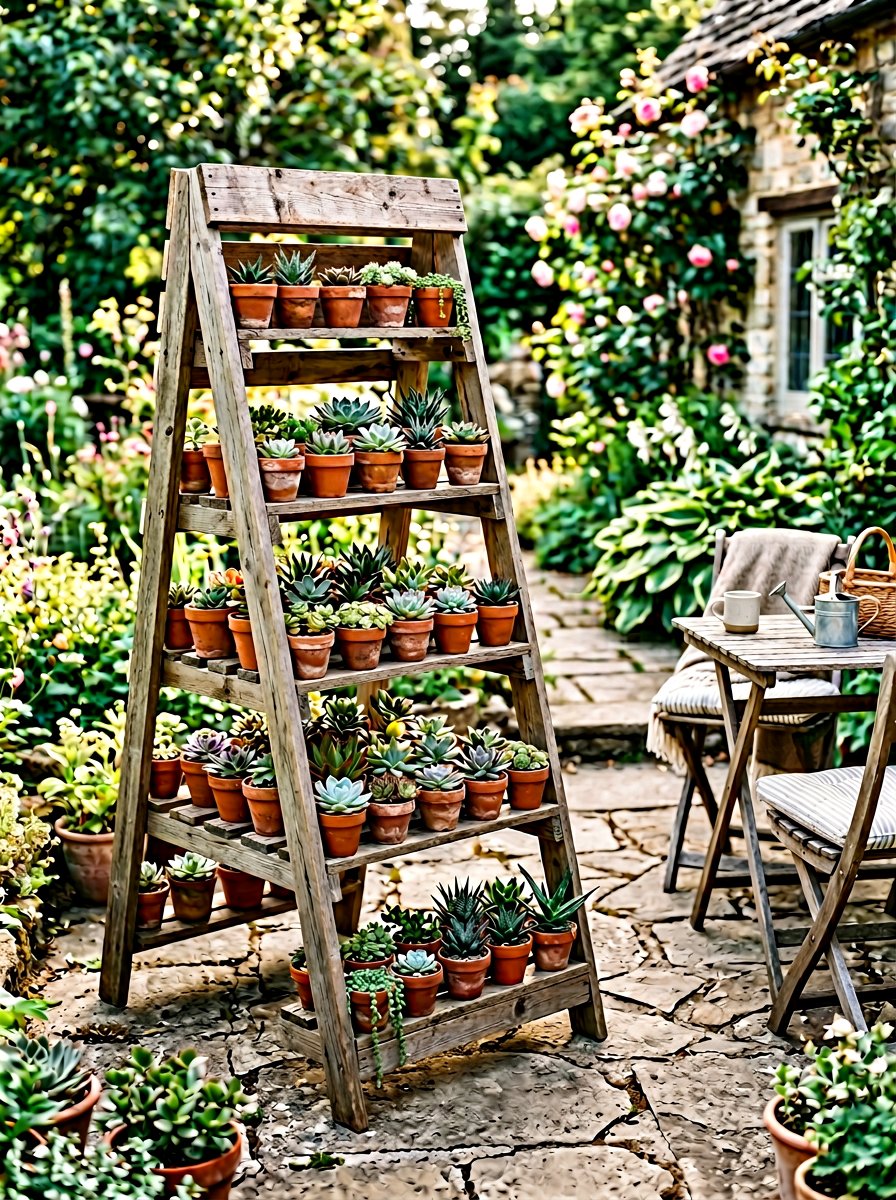
The free standing pallet rack is a versatile option for gardeners who like to rearrange their outdoor layout. Unlike wall-mounted versions, this design stands independently on its own feet, making it easy to move around as the sun changes position. You can use two pallets leaned against each other at the top to form an A-frame structure with shelves on both sides. This provides plenty of space for a diverse collection of succulents and even some decorative garden ornaments. The open design allows sunlight to reach every plant, ensuring they grow evenly. It serves as a beautiful room divider for an outdoor living area.
6. Pallet Privacy Screen
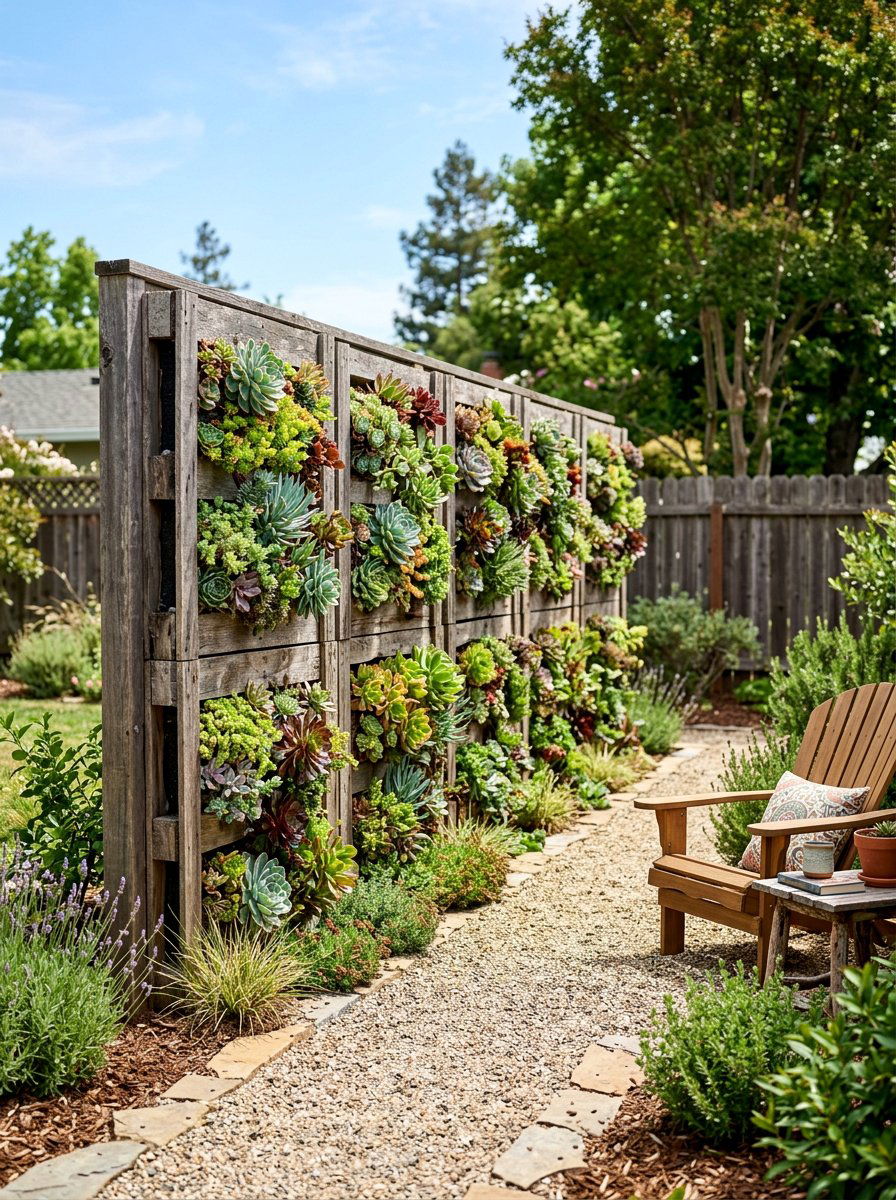
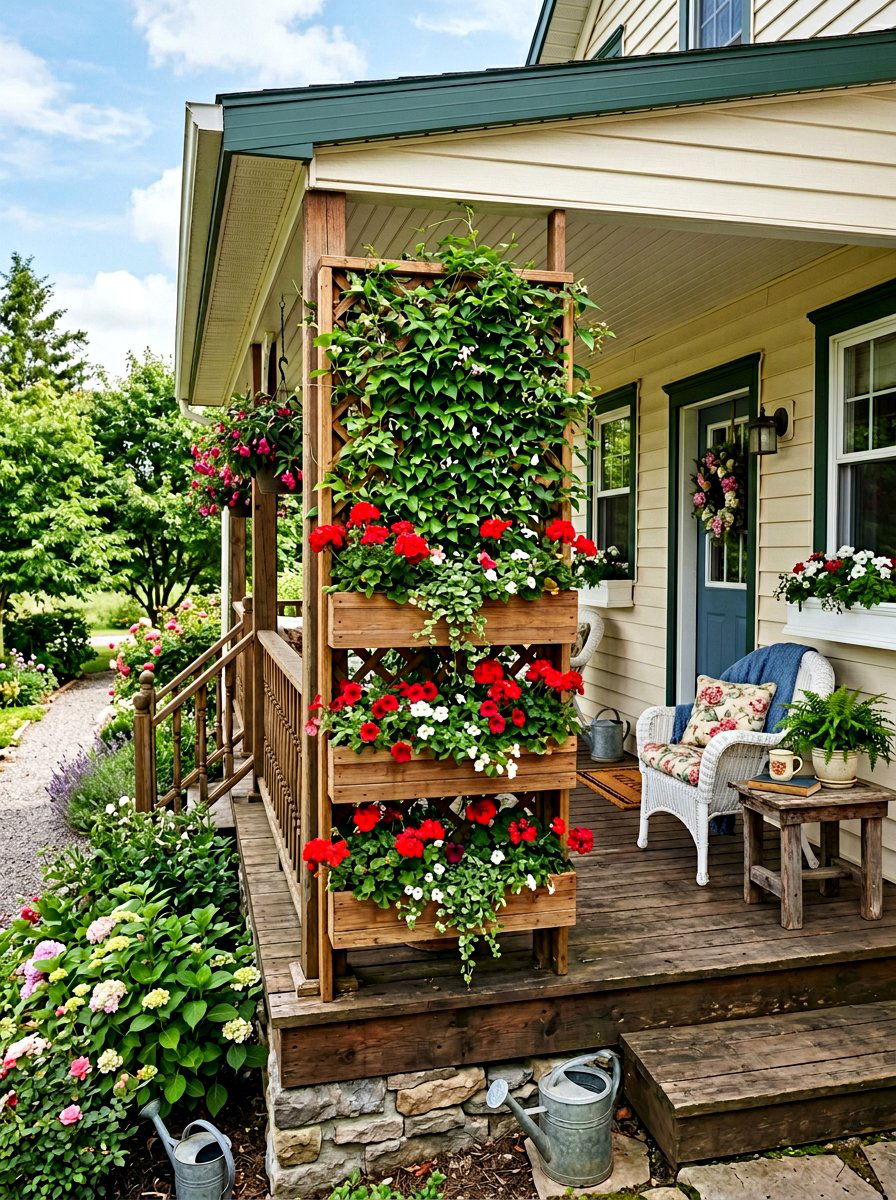
Using a pallet privacy screen is a clever way to block unwanted views while growing a beautiful garden simultaneously. By standing several pallets upright in a row, you create a solid barrier that offers seclusion for your backyard retreat. You can plant succulents into the gaps between the slats to soften the look of the wood. This turns a functional fence into a living wall that provides both privacy and a stunning visual backdrop. It is an affordable alternative to expensive fencing options and adds a touch of nature to your perimeter. The dense succulent growth will eventually fill the spaces for a lush, green appearance.
7. Rustic Plant Stand
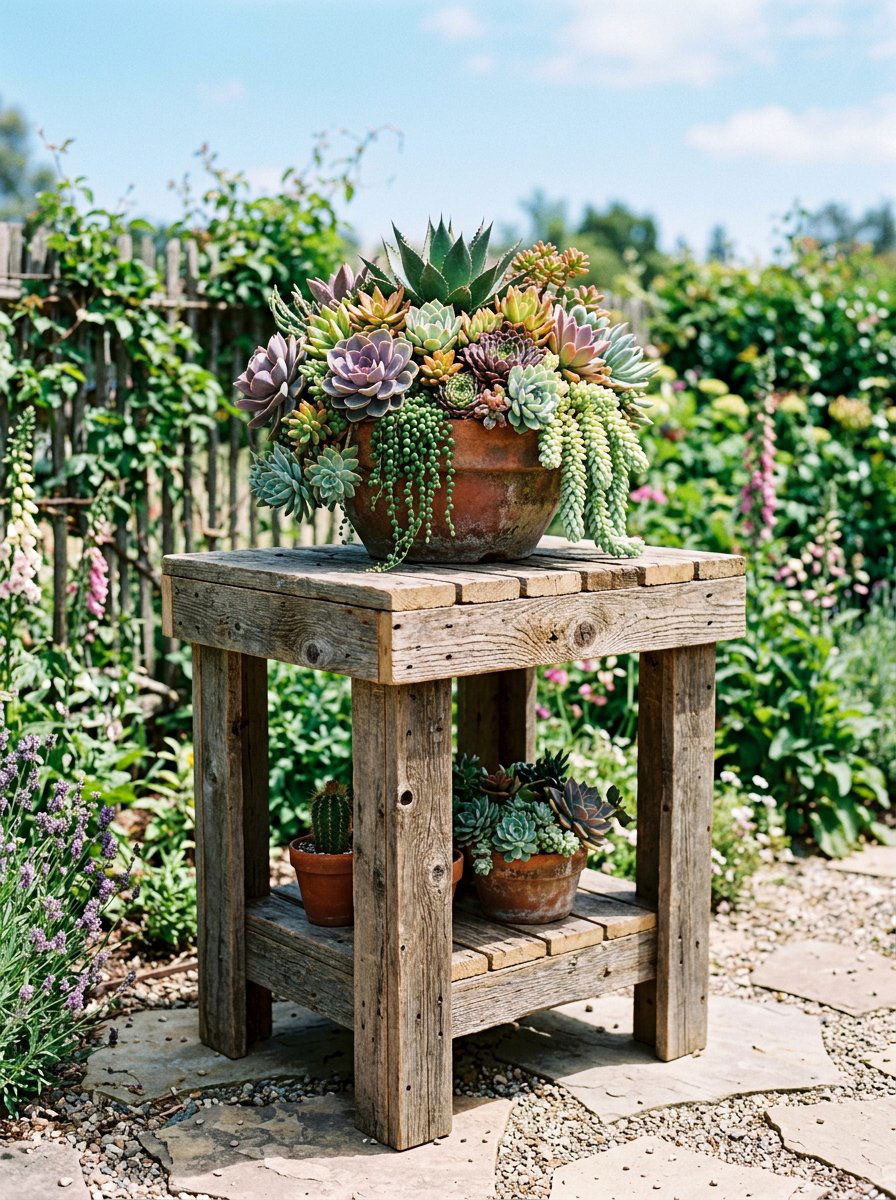
A rustic plant stand made from weathered pallet wood brings a charming farmhouse feel to your garden or patio. This design typically features a simple four-legged structure with a flat top made from reclaimed slats. The natural imperfections in the wood, such as nail holes and knots, add character to the piece and complement the organic shapes of the succulents. You can place a large arrangement of diverse plants in the center to create a striking focal point. This type of stand is very durable and can withstand the outdoor elements while providing a stable base for your heavy ceramic pots. It is truly a timeless piece.
8. Pallet Coffee Table
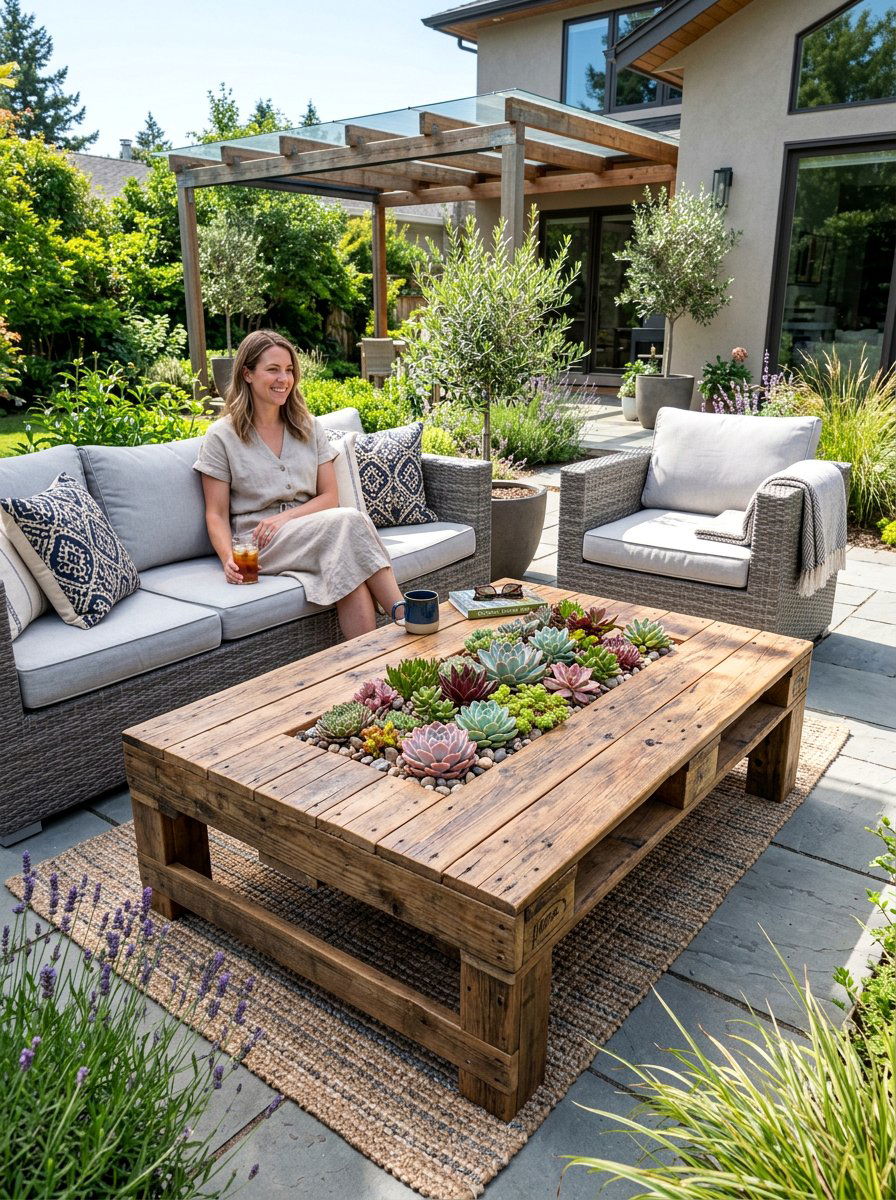
The pallet coffee table is a functional piece of furniture that doubles as a built-in succulent garden for your patio. By leaving a recessed trough in the center of the tabletop, you can plant a variety of low-growing succulents right where you enjoy your morning coffee. This design creates a unique conversation starter and brings the beauty of nature directly to your seating area. Make sure to line the planting area with plastic and add plenty of drainage holes to protect the wood and the plants. The surrounding table surface provides plenty of space for drinks and snacks, making it a perfect outdoor entertaining accessory for any home.
9. Outdoor Wall Shelf
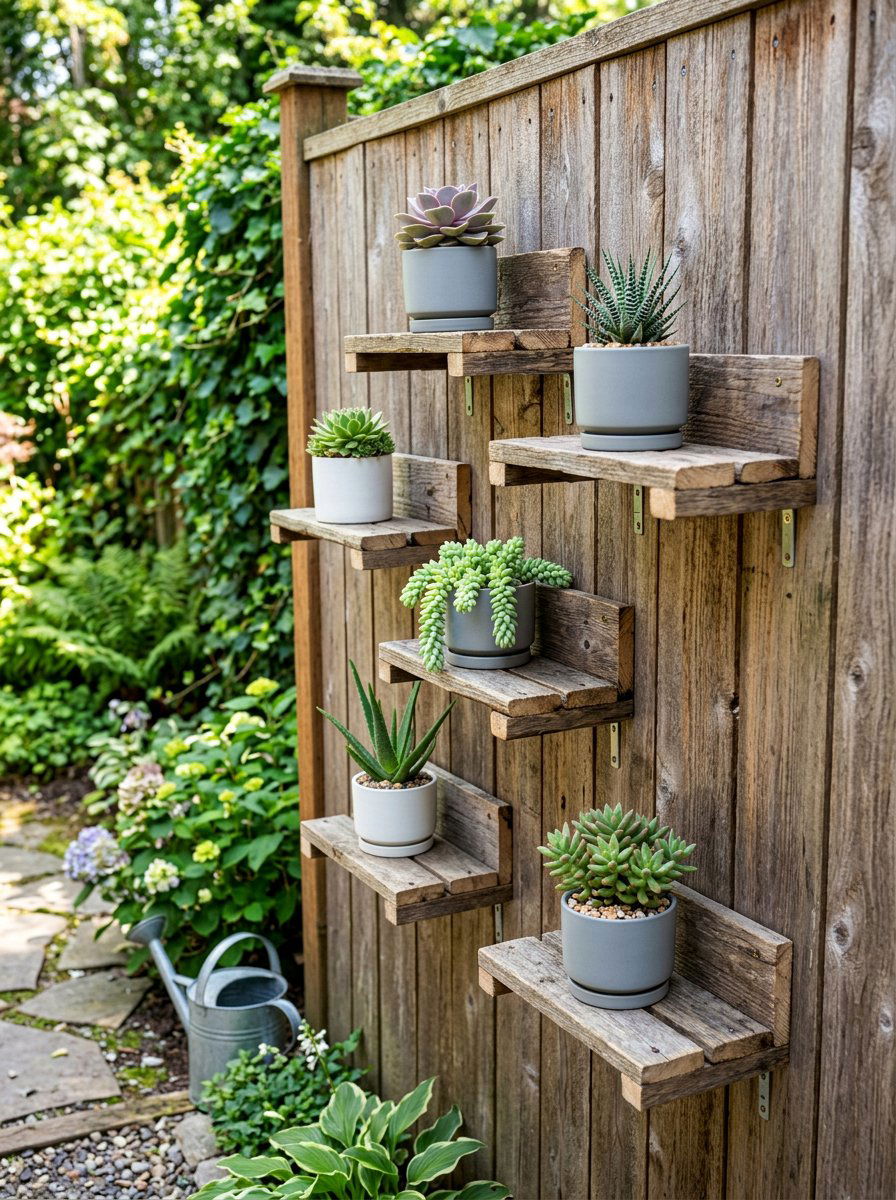
An outdoor wall shelf made from pallet wood is a great way to display individual succulent pots in an organized fashion. Instead of a solid wall of plants, this design uses single slats as floating shelves attached to a vertical backboard. It allows each succulent to have its own dedicated space, highlighting its unique features and growth patterns. You can vary the spacing between the shelves to accommodate plants of different sizes, from tiny offsets to larger, mature specimens. This minimalist approach is perfect for modern garden styles and keeps the area looking tidy. It is a simple yet effective way to add greenery to very small outdoor spaces.
10. Fence Hanging Planter
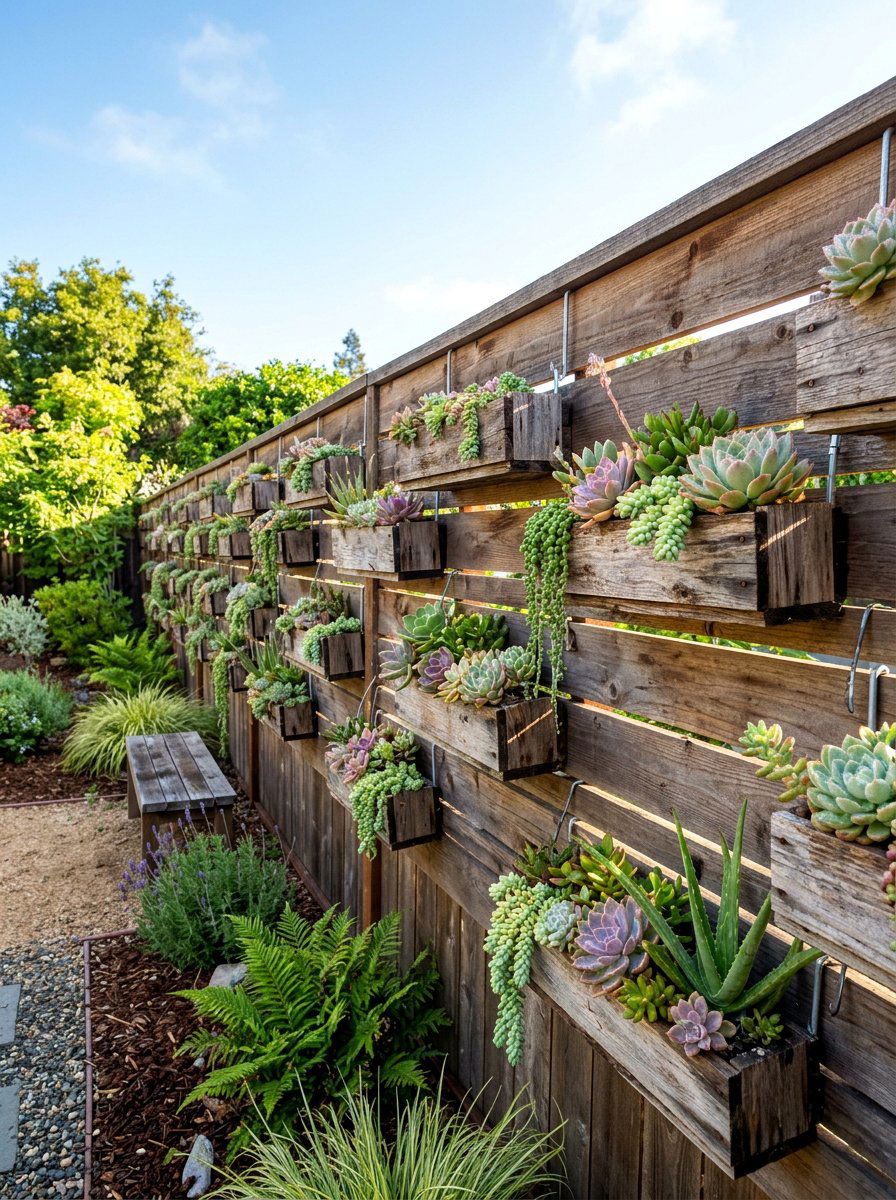
The fence hanging planter is an easy DIY project that transforms a boring wooden fence into a vibrant succulent display. You can cut a pallet into smaller sections and attach hooks to the back so they can hang securely from the top of your fence. These mini planters are perfect for holding small pots of succulents that love to soak up the sun. By staggering the heights of the planters, you can create a dynamic and interesting pattern across your entire fence line. It is a great way to use vertical space that would otherwise go to waste in a narrow garden or a side yard.
11. Large Wooden Planter
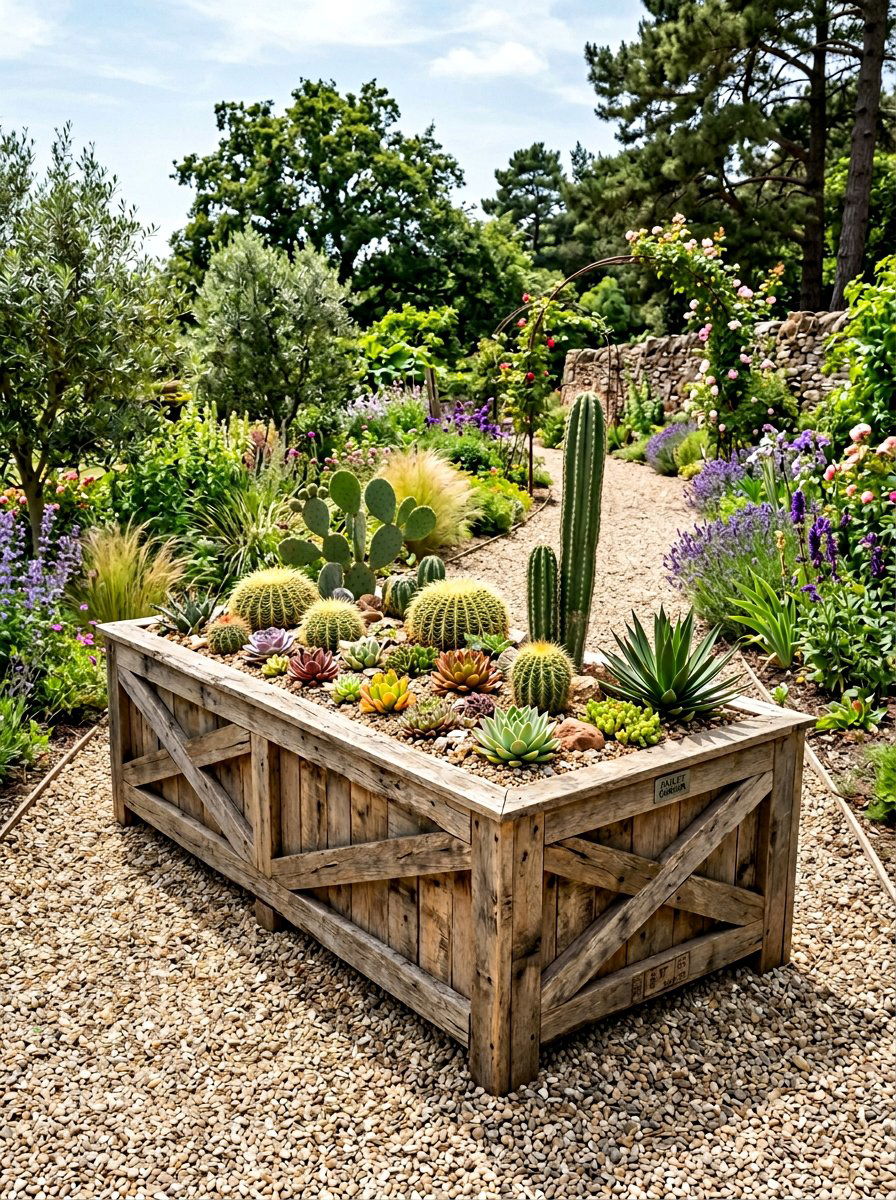
A large wooden planter constructed from pallet boards provides a deep and spacious environment for a diverse succulent community. This design is perfect for creating a miniature desert landscape with various heights, colors, and textures of plants. You can use the sturdy pallet frames to build a box that is both wide and deep, allowing for significant soil volume. This stability is important for taller succulents or those that spread quickly across the surface. The thick wood provides some insulation for the roots against temperature fluctuations throughout the day. It is a substantial piece that can define the edges of a path or a patio area.
12. Desktop Mini Planter
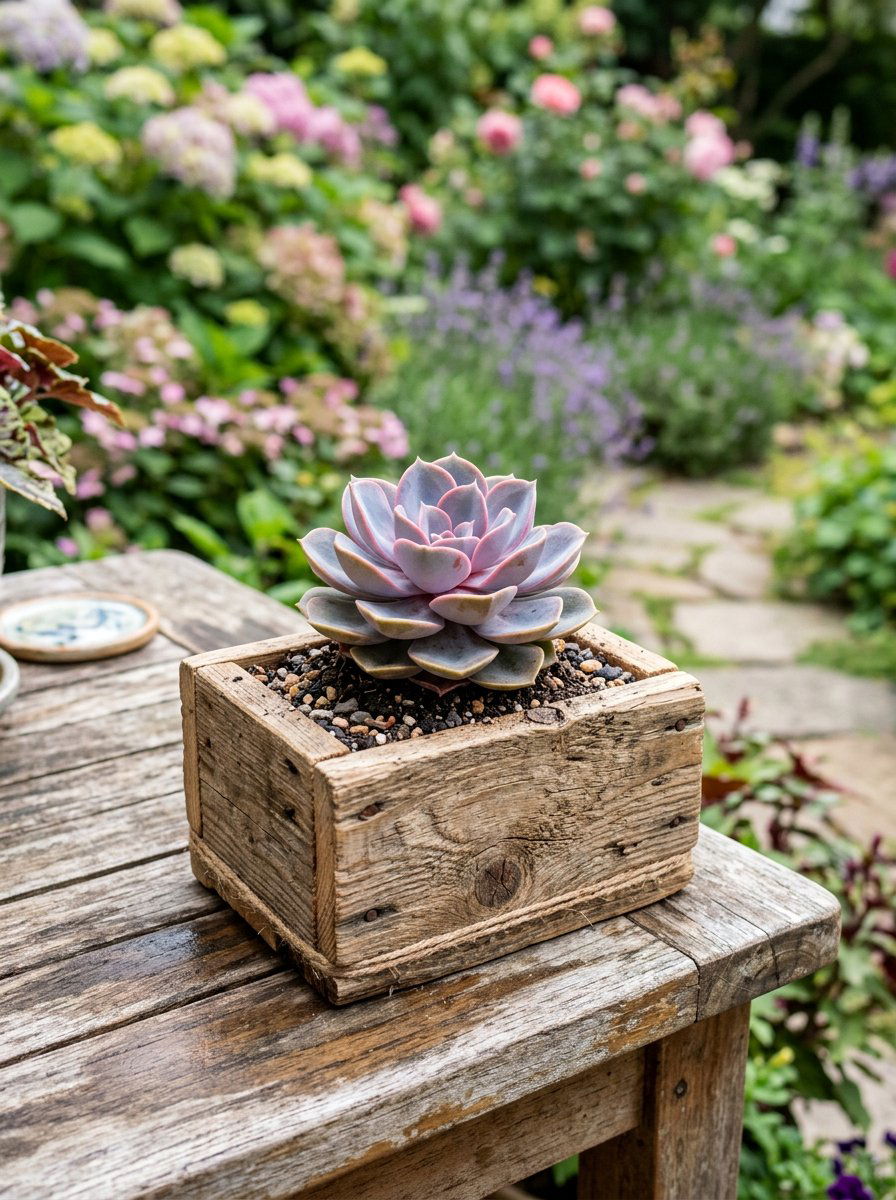
A desktop mini planter made from pallet scraps is a wonderful way to bring a little bit of your garden indoors or to a small table. Even though these are small, they follow the same design principles as larger pallet gardens, using reclaimed wood for a rustic touch. These tiny boxes are perfect for a single succulent or a small cluster of slow-growing varieties like Haworthia. They fit perfectly on a sunny windowsill, an outdoor side table, or even a workspace where you need a bit of nature. The small size makes them very easy to manage and move whenever you want to change your decor.
13. Painted Garden Pallet
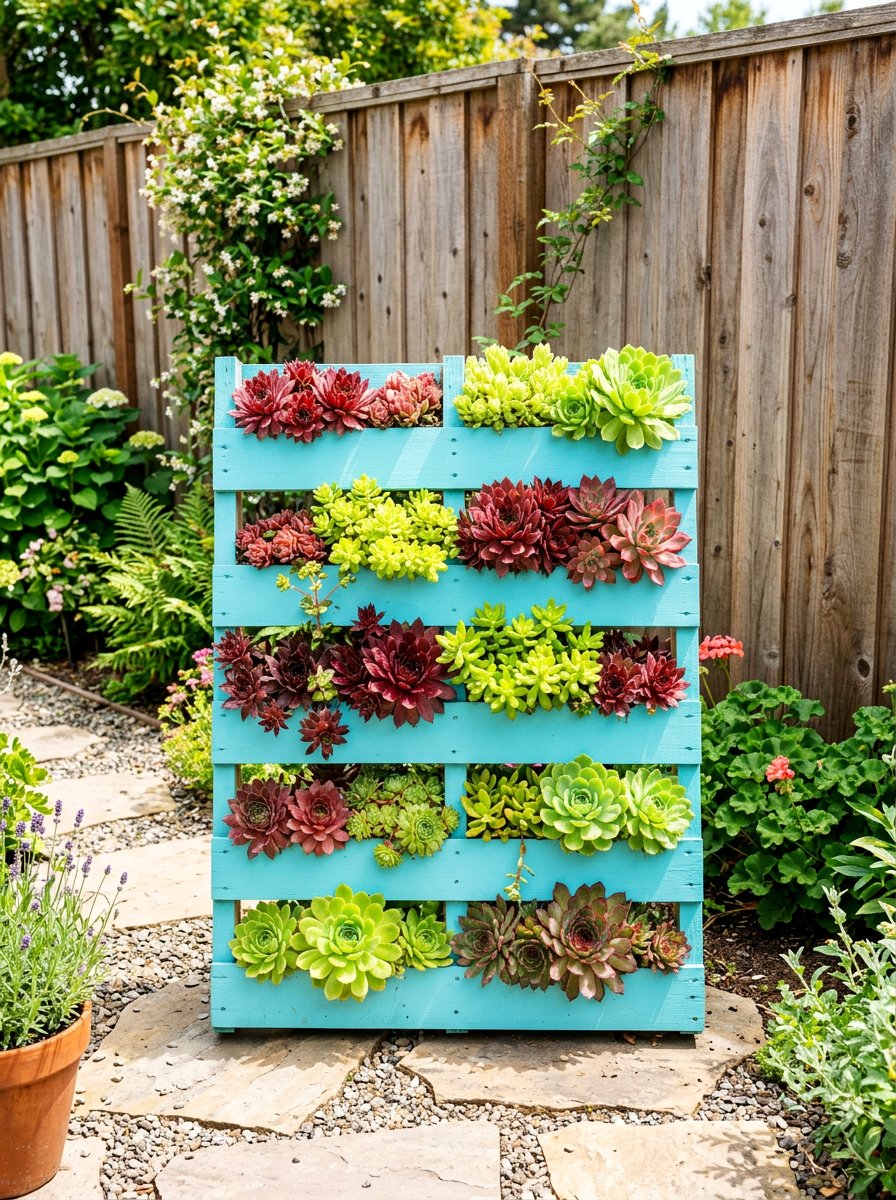
A painted garden pallet allows you to express your personality by adding a splash of color to your succulent display. Before planting, you can paint the pallet in bright hues or soft pastels to match your outdoor furniture or garden theme. This contrast between the colorful wood and the green succulent leaves creates a very eye-catching and viral-worthy look. It is an easy way to refresh an old, graying pallet and give it a brand-new life. Make sure to use exterior-grade paint that is safe for plants to ensure the finish lasts through the rain and sun. This project is a fun way to involve everyone.
14. Upcycled Wood Decor
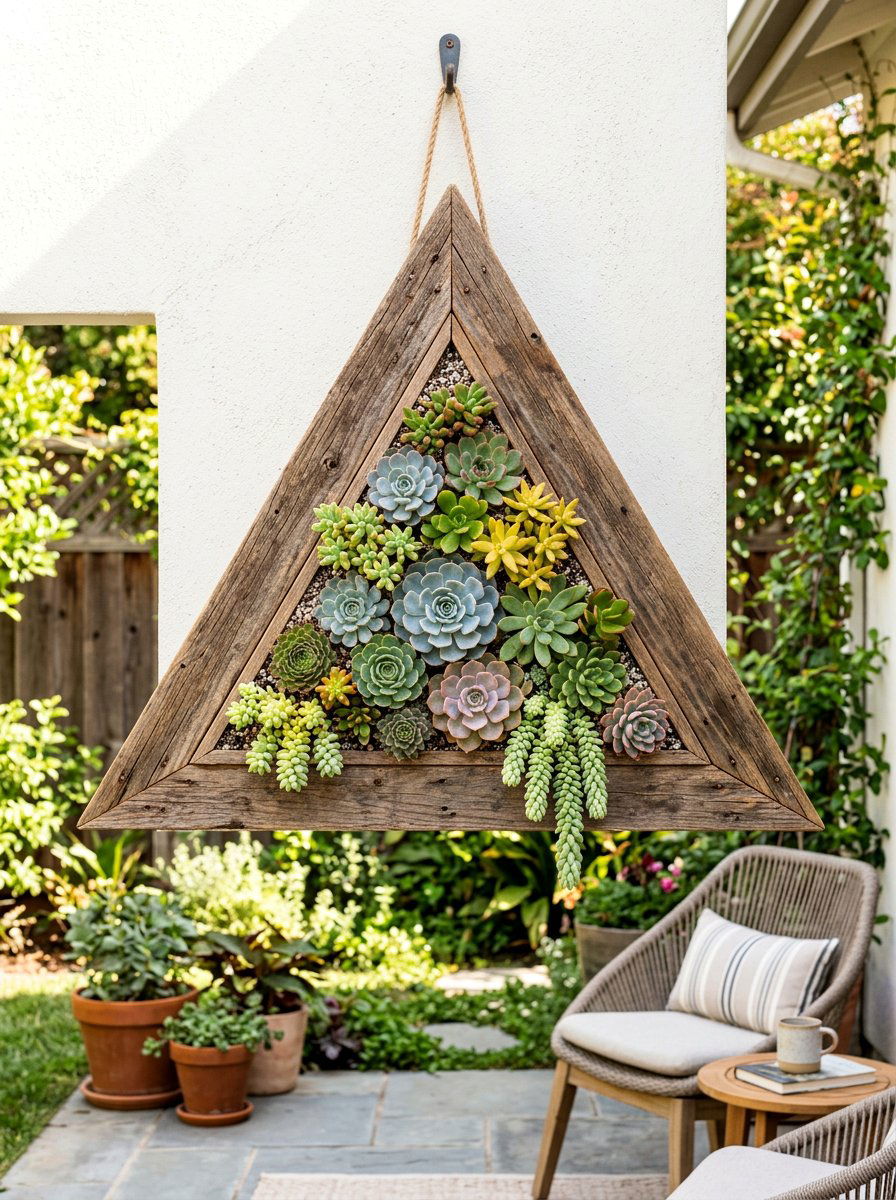
Upcycled wood decor using pallet materials is all about finding creative ways to frame your succulents like pieces of art. Instead of a traditional planter, you can create interesting shapes like triangles or diamonds using the pallet slats to house your plants. These structures can be hung on a wall or placed on a shelf to add an architectural element to your garden space. The raw, natural look of the upcycled wood highlights the delicate beauty of the succulents, making them stand out. This approach turns gardening into a form of sculpture, where the wood and the plants work together to create a unique and artistic installation.
15. Succulent Wall Art
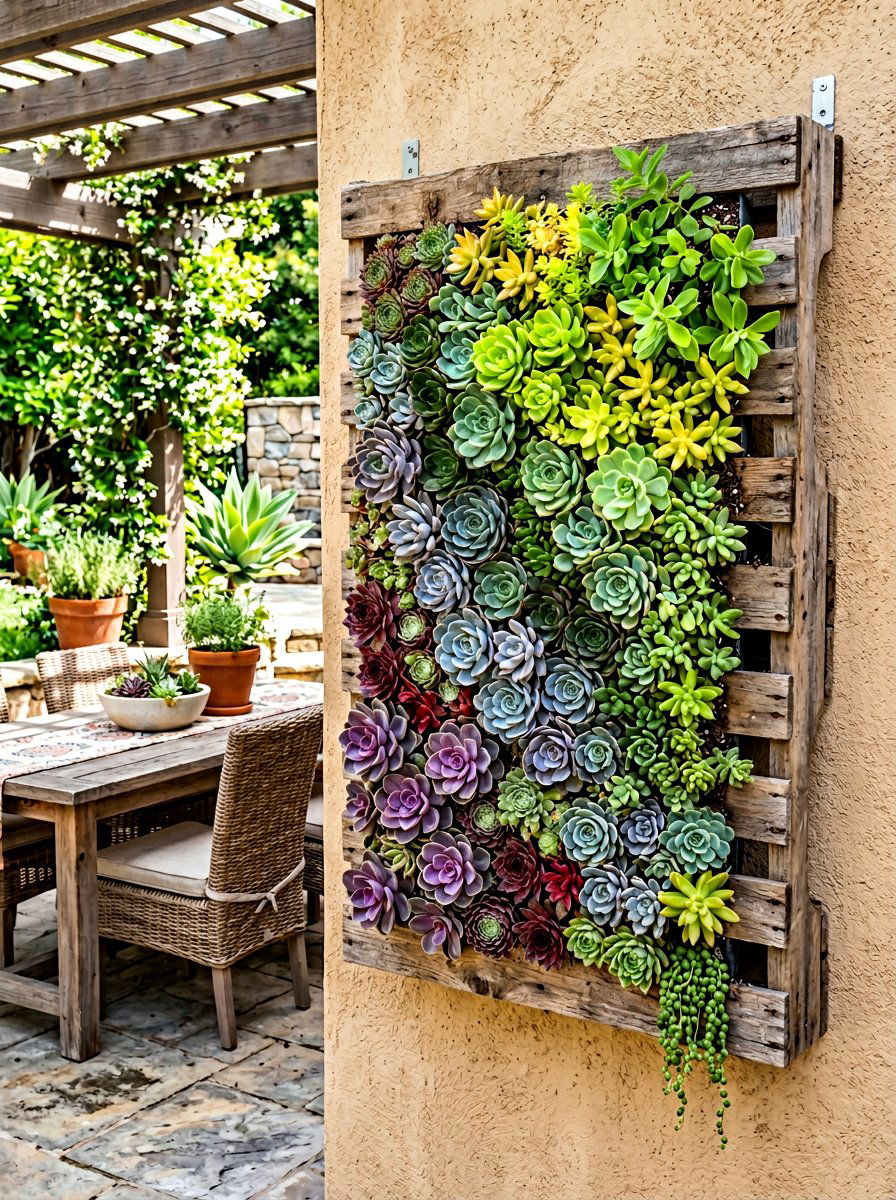
Succulent wall art is a specialized version of the pallet planter that focuses on creating intricate patterns with different plant types. By carefully selecting succulents with various colors like purples, reds, and blues, you can "paint" a living picture within the pallet frame. This design usually involves a very shallow planting depth and a mesh cover to hold the plants and soil in place while the roots establish. Once the plants are secure, the entire pallet can be hung vertically like a canvas. It is a stunning way to decorate an outdoor dining area or entryway with a sophisticated and living piece of creative horticultural wall art.
16. Corner Garden Stand
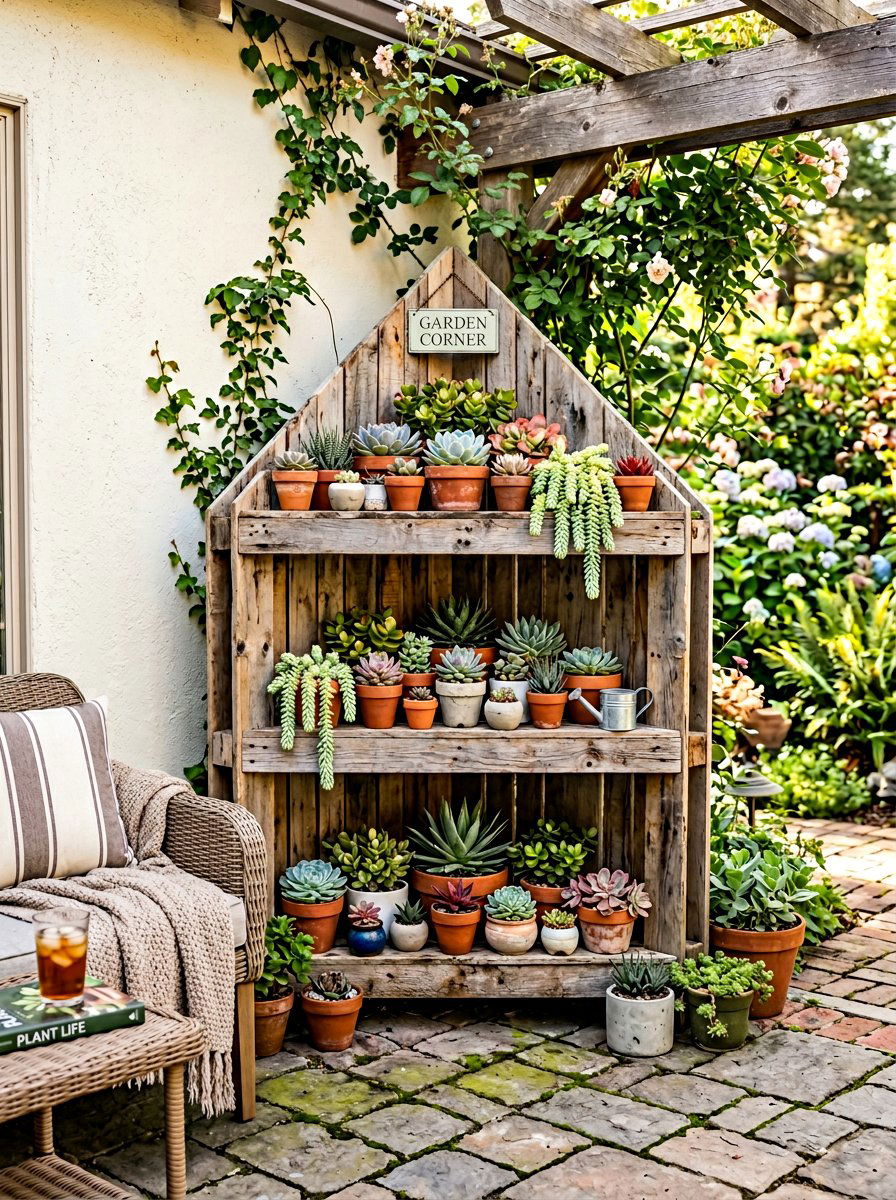
A corner garden stand is the perfect solution for filling those awkward empty spaces in your patio or deck. By building a triangular-shaped stand from pallet wood, you can maximize your available growing area without obstructing foot traffic. This design typically features multiple shelves that graduate in size, providing plenty of room for a large collection of potted succulents. The corner placement often provides a bit of extra shelter from the wind, which can be beneficial for certain delicate plant varieties. It is a smart way to add a vertical layer of greenery to a small outdoor room, making the entire space feel more lush and inviting.
17. Bench With Planter
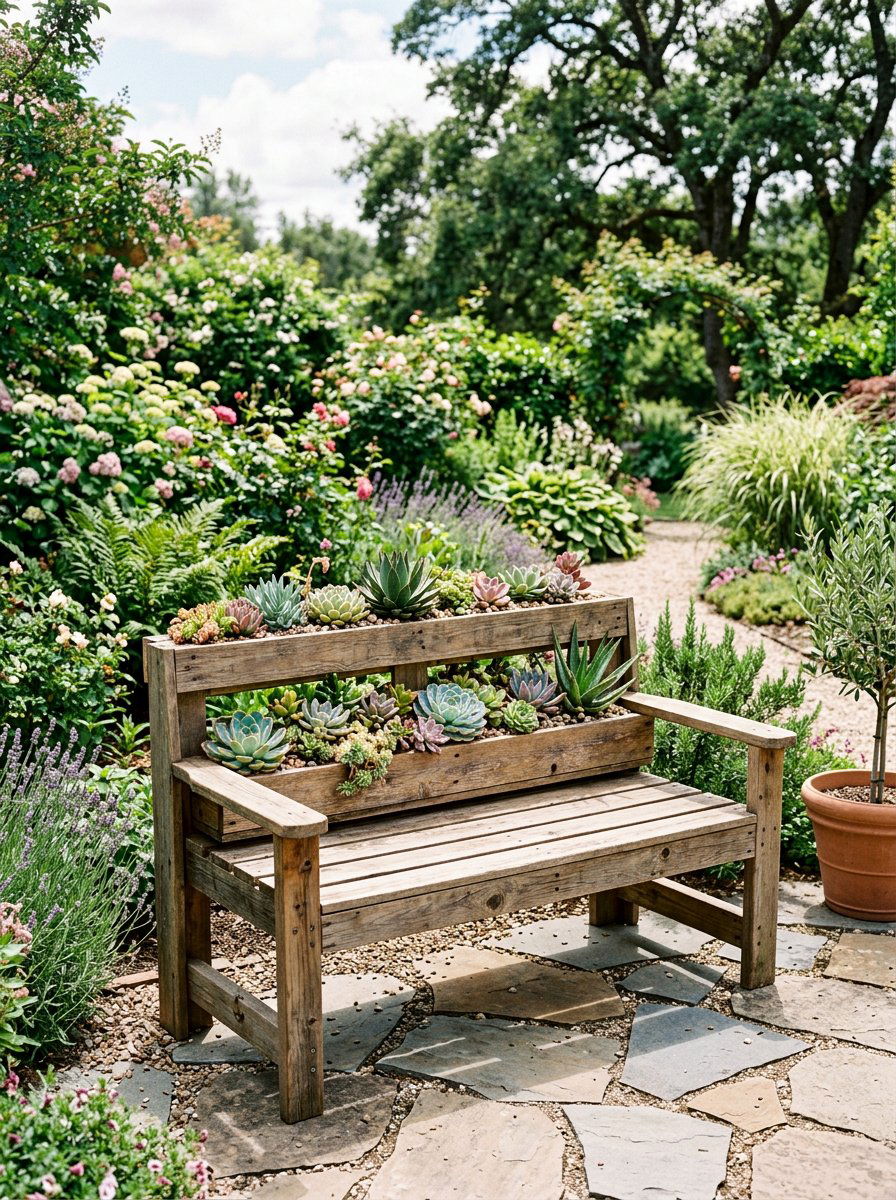
A bench with a built-in planter is a multi-functional pallet project that provides both seating and a place for your succulents. The backrest or the armrests of the bench can be designed to include hollow spaces for planting low-maintenance greenery. This allows you to sit right next to your plants and enjoy their subtle fragrances and interesting textures. It is an excellent choice for a garden path or a quiet corner where you like to relax and read. The sturdy construction of the pallet wood ensures the bench is safe to sit on while supporting the weight of the plants and damp soil in the garden.
18. Garden Cart On Wheels
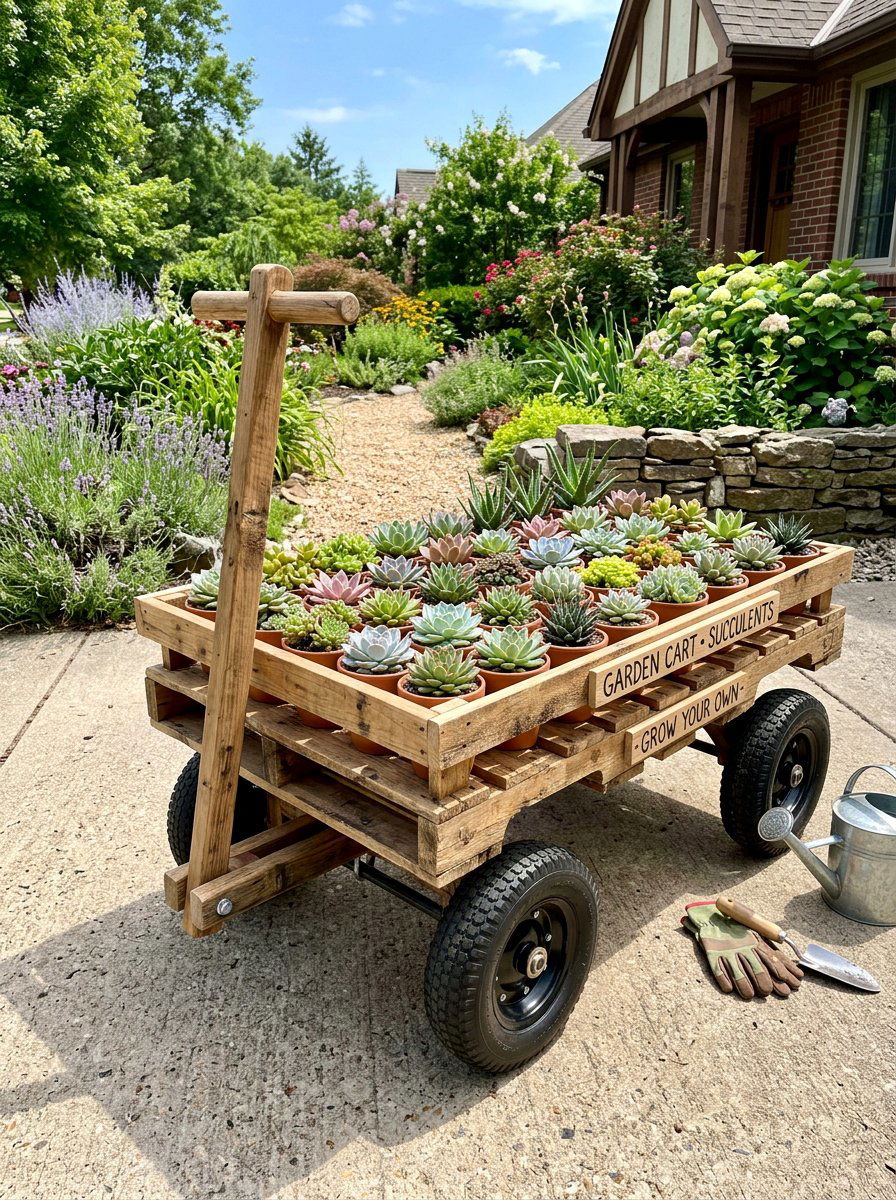
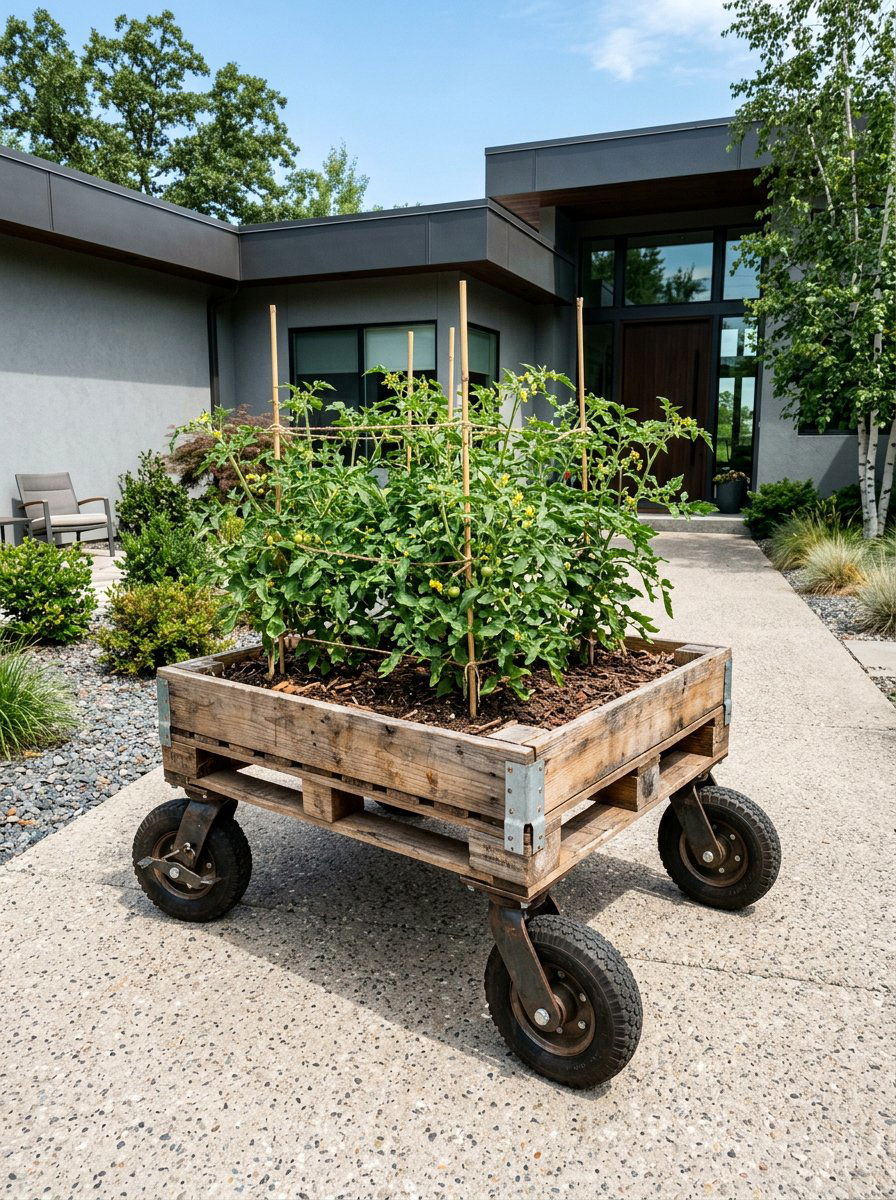
A garden cart on wheels made from pallet wood is a highly practical way to move your succulent collection around the yard. By adding heavy-duty casters to the bottom of a pallet box, you can easily follow the sun or move your plants into the shade during extreme heat. This mobility is especially useful for succulent owners who live in climates with changing weather patterns. The cart can have multiple levels or a single deep bed, depending on your needs. It has a charming, industrial-rustic look that works well in both modern and traditional garden settings. It also makes cleaning your patio much easier.
19. Lean To Planter
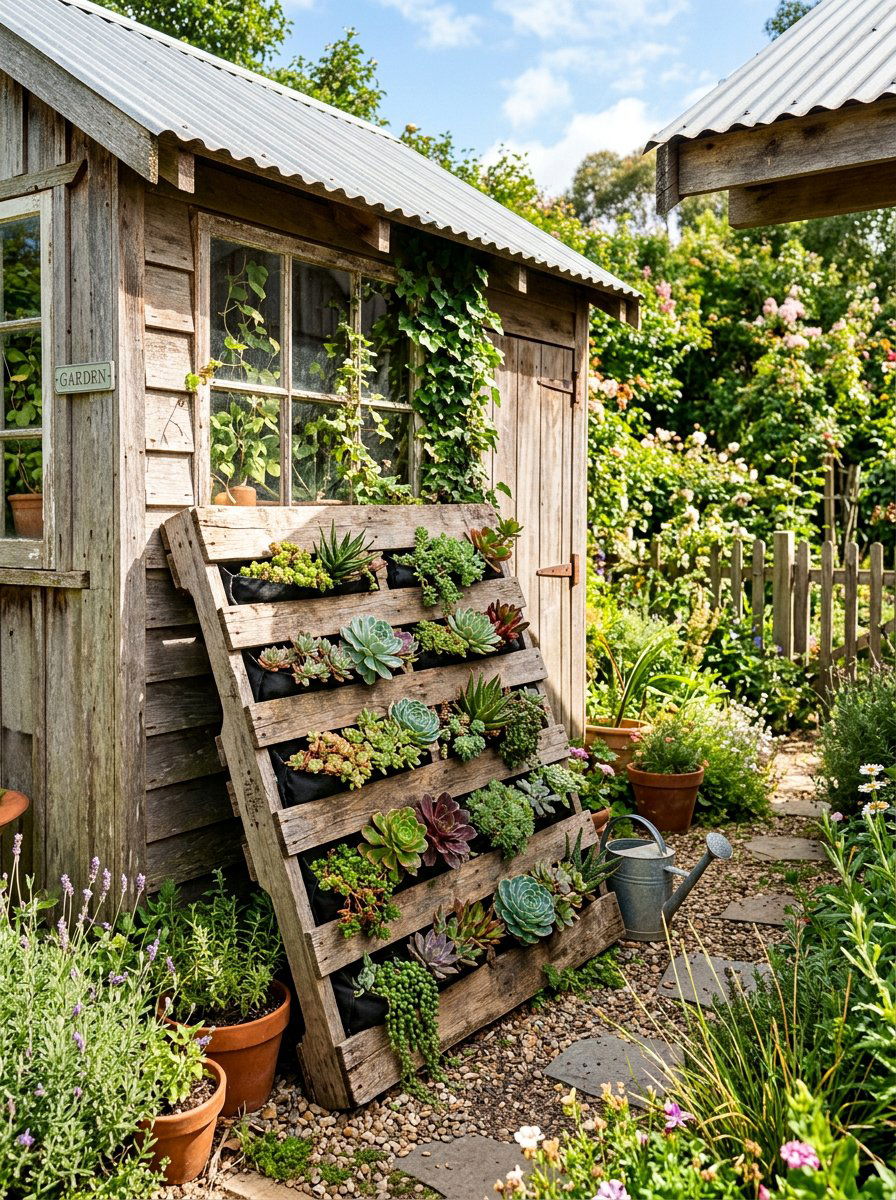
A lean to planter is one of the simplest pallet projects you can undertake for a quick garden update. You simply take a full pallet and lean it against a wall or fence at a slight angle. This angle provides better stability and allows the sun to reach the plants more effectively than a perfectly vertical wall. You can plant directly into the slats by adding a backing of landscape fabric or simply rest small pots on the internal cross-boards. This design is very low-effort but provides a significant visual impact. It is a great starting point for anyone who is new to upcycling pallets for garden use.
20. Geometric Wall Planter
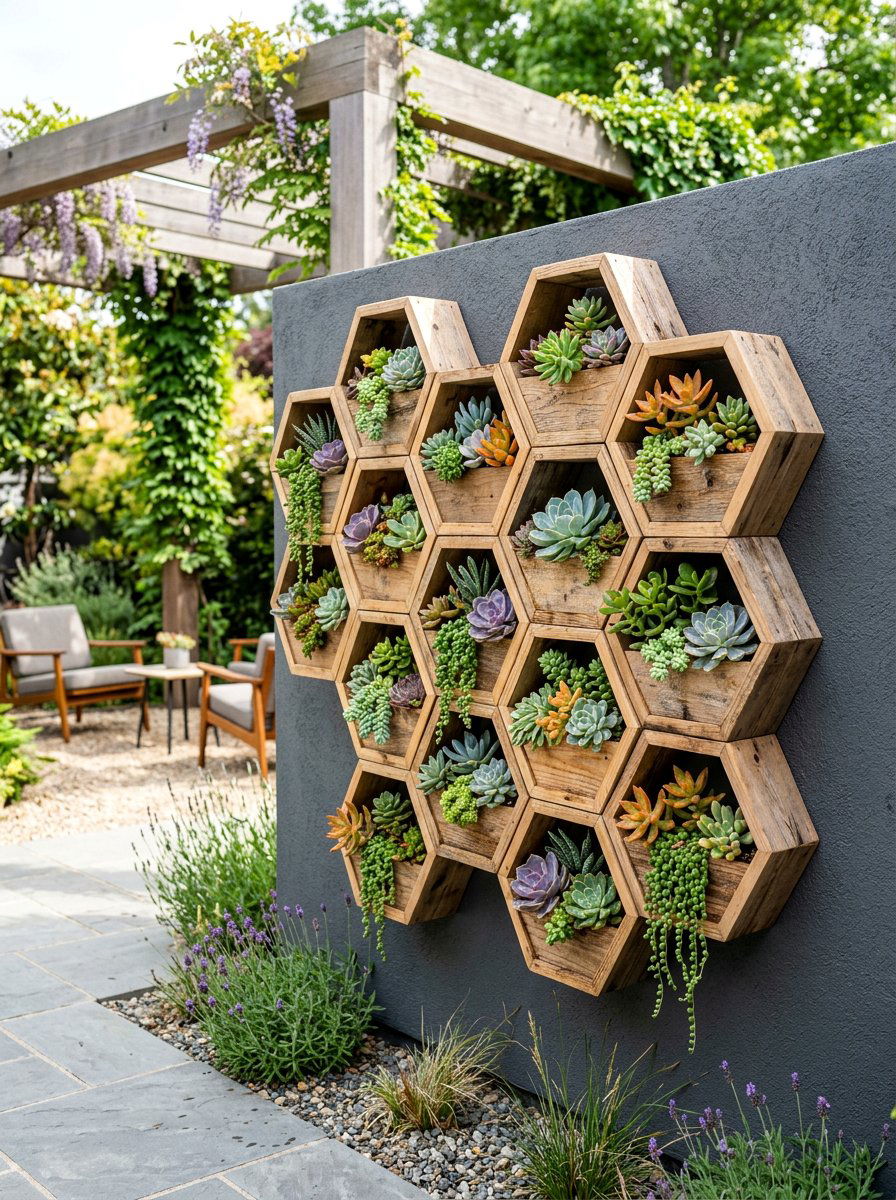
The geometric wall planter uses the straight lines of pallet boards to create modern shapes like hexagons or chevrons on your garden walls. By cutting the wood at specific angles, you can move away from the traditional rectangular look of a pallet. These geometric shapes provide a contemporary backdrop for your succulents, making them look like a high-end designer installation. You can arrange several of these smaller planters in a cluster to create a large-scale wall feature. The contrast between the sharp angles of the wood and the soft, rounded leaves of the succulents is very pleasing. This design is perfect for a clean, modern aesthetic.
21. Wood Ladder Planter
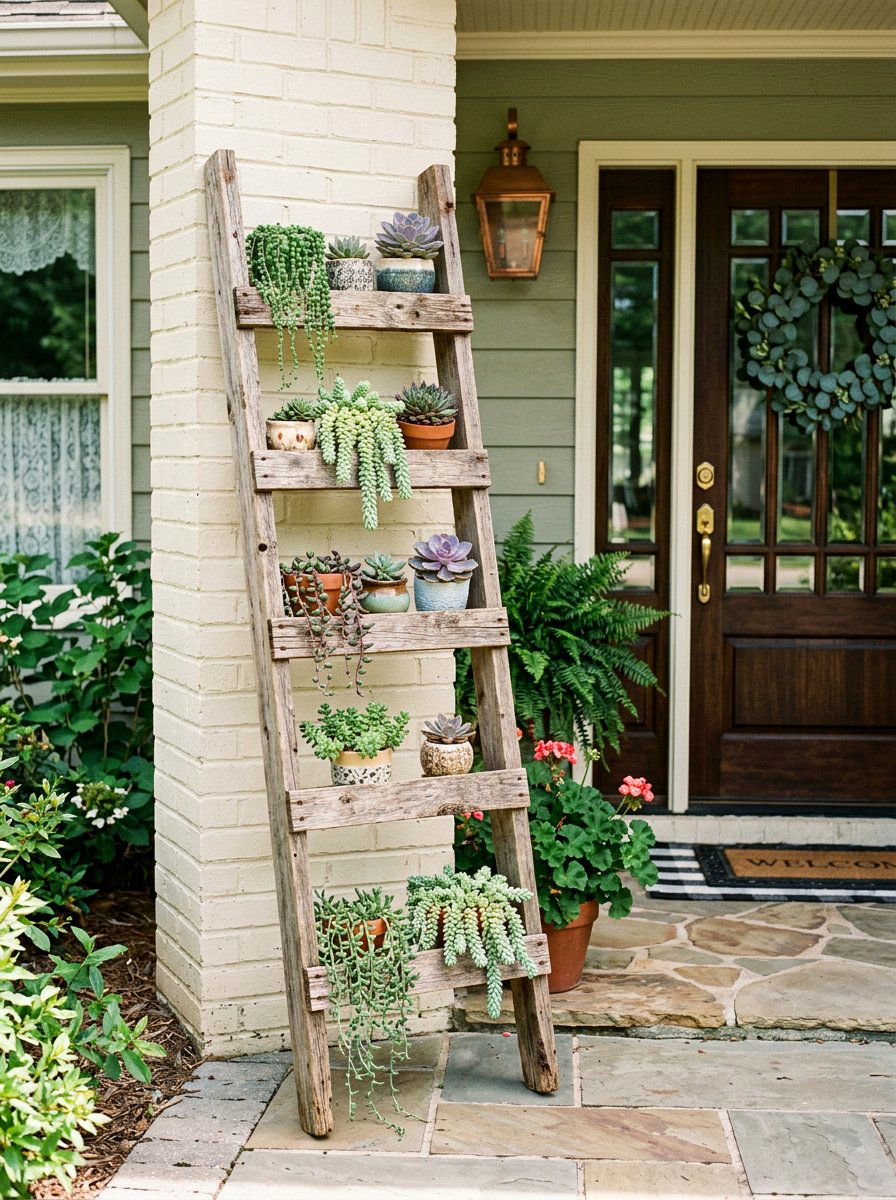
A wood ladder planter made from pallet stringers and slats is a classic way to display a variety of plants in a small area. This design mimics the look of a traditional ladder, with each step serving as a shelf for succulent pots. It is a very vertical design that fits perfectly in narrow spaces or alongside an entry door. The height allows trailing succulents to hang down beautifully, creating a waterfall effect of greenery. You can easily build this by using the thicker side pieces of the pallet for the frame and the flatter boards for the shelves. It is a timeless piece for any garden.
22. Recycled Wood Garden
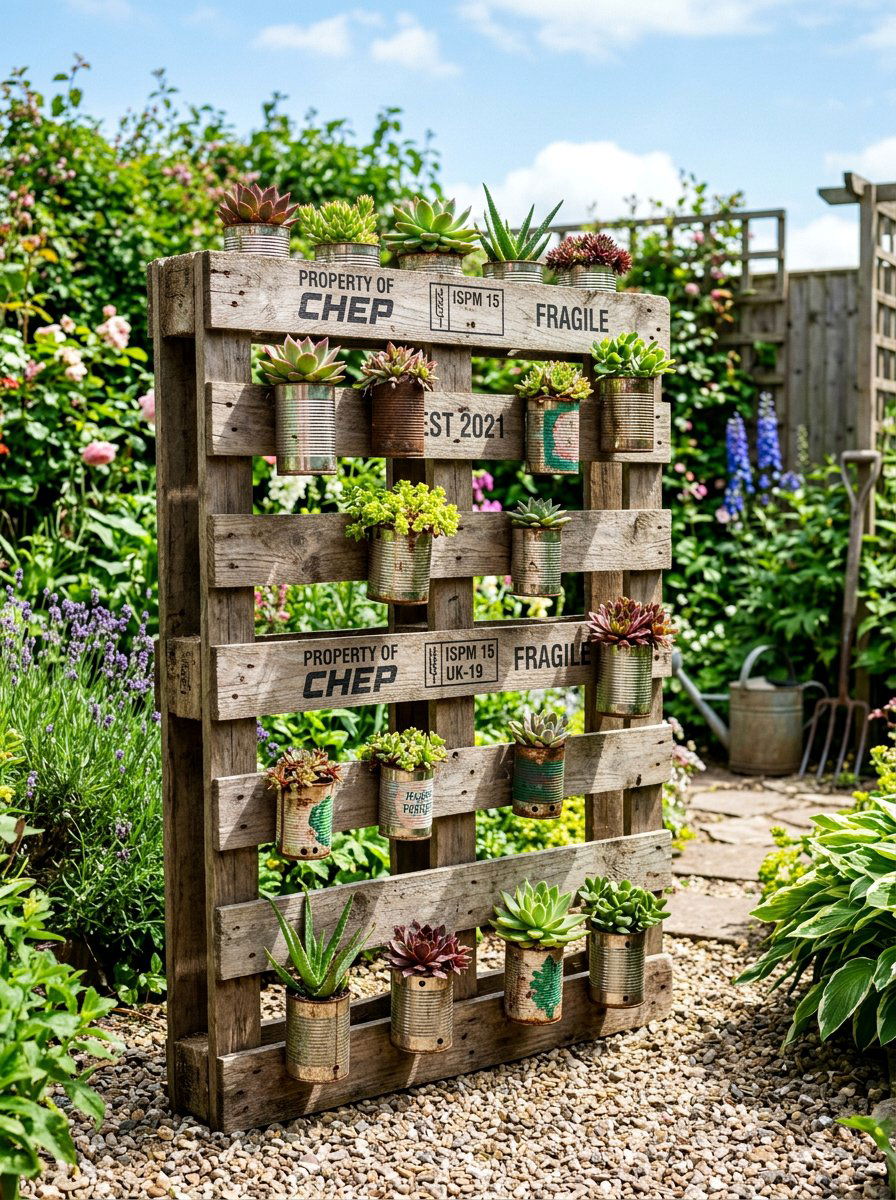
A recycled wood garden emphasizes the eco-friendly nature of using pallets to house your succulent collection. This design often incorporates other found materials like old tins or mason jars as planters within the pallet structure. By focusing on the recycled aesthetic, you create a garden that feels organic, lived-in, and full of history. You can leave the wood in its rawest form, complete with original stamps and markings, to highlight its previous life as a shipping tool. This approach is not only good for the planet but also creates a unique, one-of-a-kind garden that tells a story. It is a beautiful way to practice sustainable gardening.
23. Pallet Succulent Display
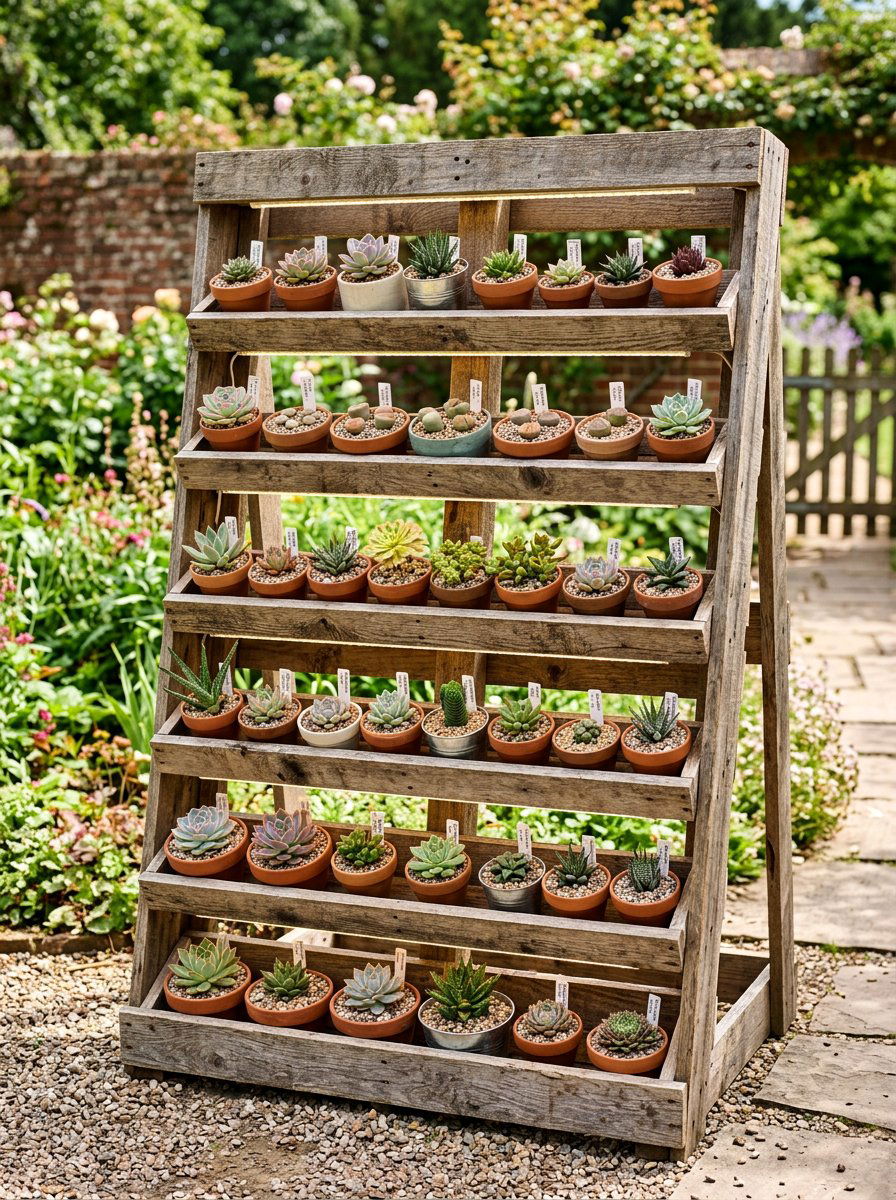
The pallet succulent display is a dedicated area designed specifically to showcase rare or particularly beautiful specimens in your collection. Instead of a deep planter, this design uses shallow shelves or tilted boards to make every plant highly visible. You can use it like a trophy case for your succulents, arranging them by color, size, or species. This is a great way to keep track of your plants and monitor their growth closely. Adding some small LED outdoor lights can turn this display into a stunning focal point during the evening hours. It is a wonderful way to celebrate your passion for succulent gardening clearly.
24. Slatted Wood Planter
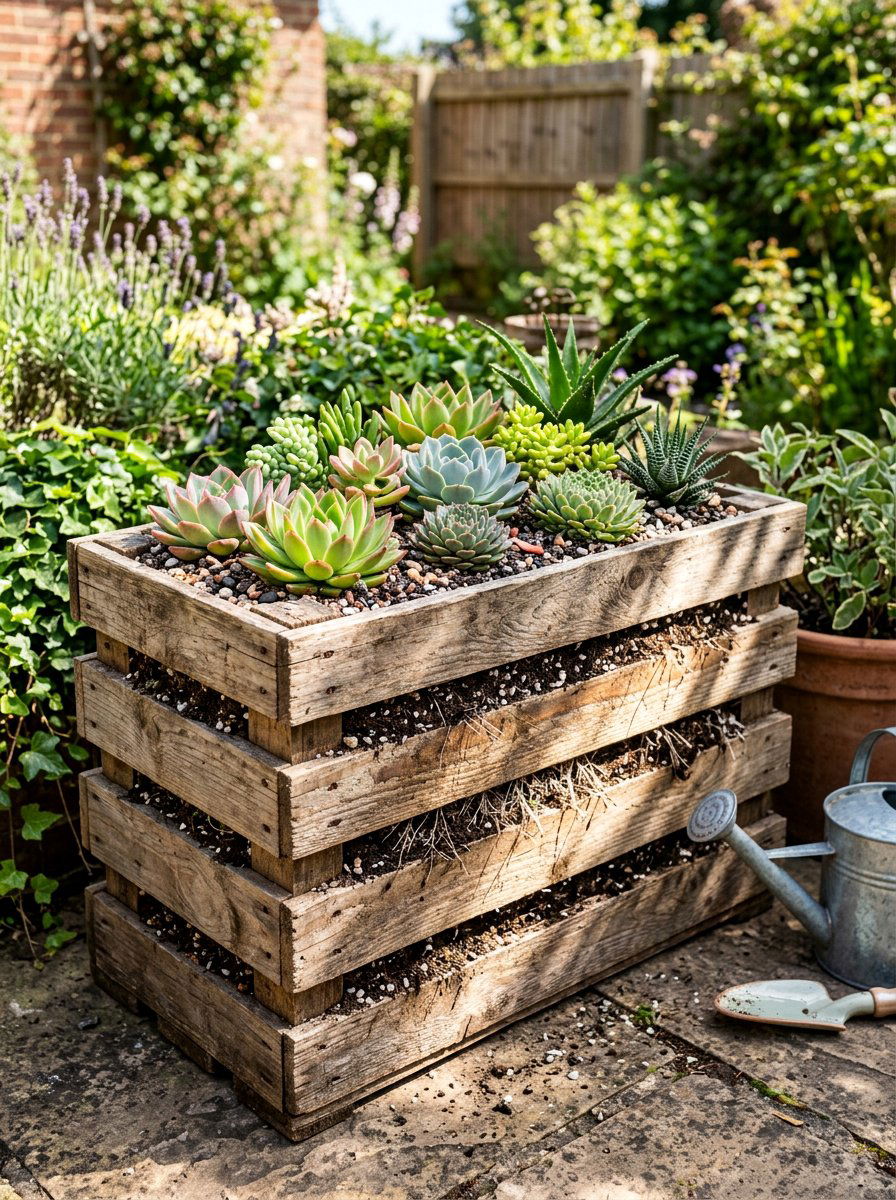
A slatted wood planter uses the natural gaps between pallet boards to provide excellent drainage and airflow for succulent roots. This design is usually a simple box or wall hanging where the boards are spaced slightly apart. This spacing is crucial for succulents, as they are prone to root rot if the soil stays too wet for too long. The slats allow excess water to escape quickly and air to circulate through the soil, keeping the plants healthy and happy. It is a very functional design that also looks great, providing a striped texture that complements the various shapes of the succulents. It is a practical choice.
25. Horizontal Garden Bed
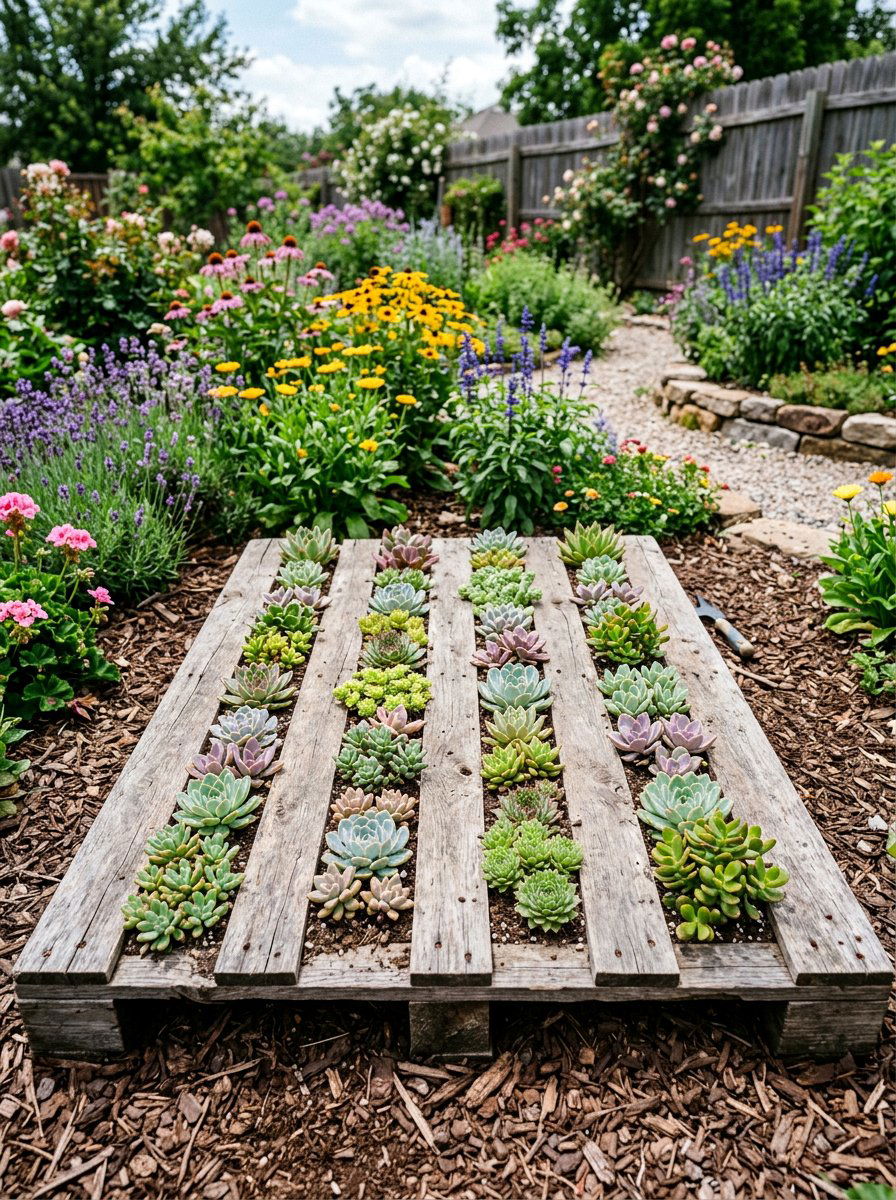
A horizontal garden bed offers a more traditional ground-level approach while keeping the rustic charm of reclaimed wood. This design involves laying a pallet flat on the ground and filling the spaces between the slats with soil and plants. It is an excellent way to create a neatly organized garden bed without the need for digging or heavy landscaping. The pallet acts as a natural mulch, keeping the soil cool and reducing the growth of weeds. You can walk on the sturdy slats to reach the plants in the center without compacting the soil. This is a very efficient and low-maintenance way to start a garden.
Conclusion:
Building a pallet succulent garden is a rewarding project that blends creativity with environmental consciousness. By following these various methods, you can transform ordinary waste into a focal point for your outdoor or indoor living space. Each design offers a unique way to showcase the natural beauty of succulents while keeping maintenance levels very low. Remember to prioritize good drainage and adequate sunlight to ensure your plants remain healthy and vibrant throughout the seasons. These projects are accessible to beginners and experienced gardeners alike, making them a perfect weekend activity. Start your journey today and enjoy the peaceful atmosphere that a custom pallet garden brings to your home.
Related DIY Ideas to Try: