
Building your own rabbit housing from recycled materials is a fantastic way to create a unique home for your pets while being mindful of the environment. Using pallets for a rabbit hutch offers a sturdy and cost-effective solution that allows for complete customization based on your specific needs and available space. These DIY projects are popular because they transform simple wooden slats into functional and charming structures that look great in any backyard or garden setting. Before starting your build, it is vital to ensure the wood is safe and free from harmful chemicals often found in some industrial pallets. Selecting heat-treated wood ensures your rabbits can safely nibble on their surroundings without health risks. These projects not only provide a safe haven for your furry friends but also give you a rewarding sense of accomplishment as a pet owner.
1. Two story rabbit hutch
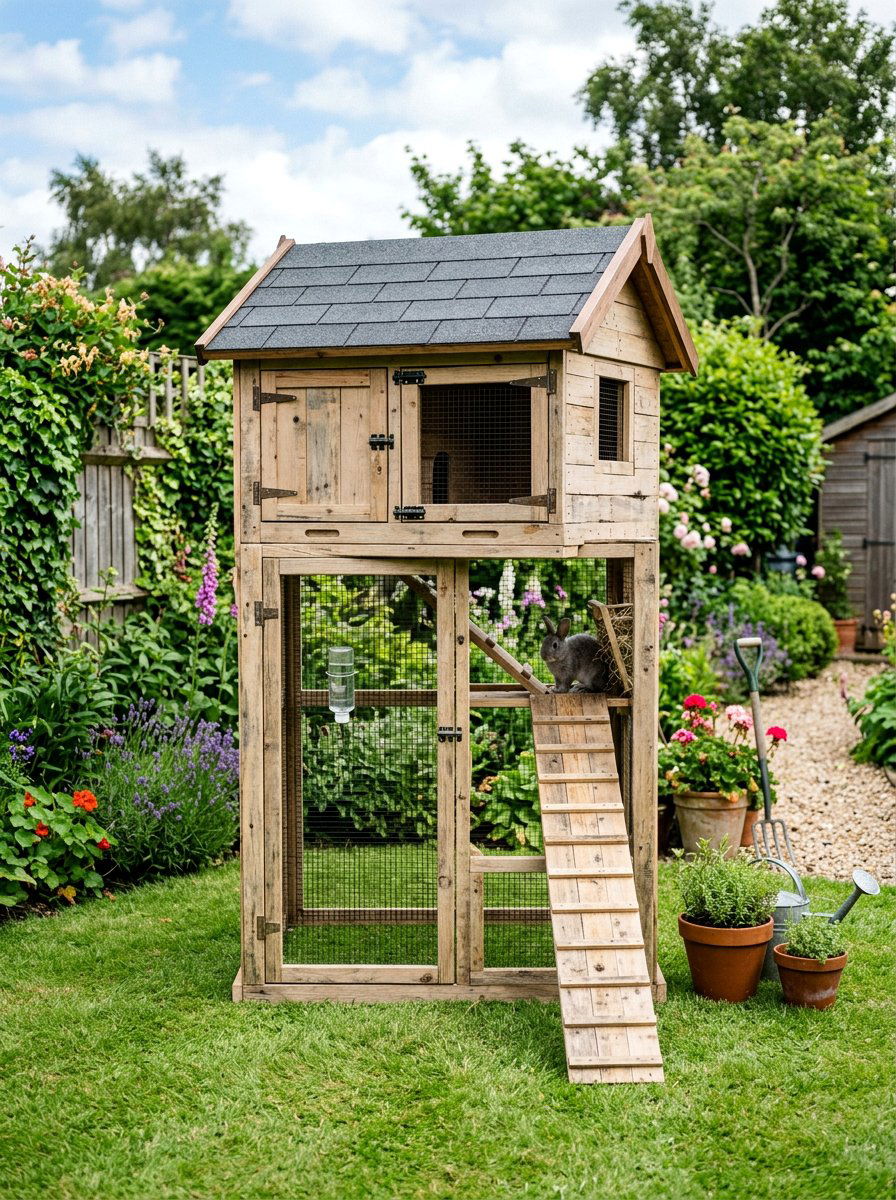
Building a vertical living space is a great way to maximize your yard area while giving your rabbits plenty of room to explore different levels. This design typically features a cozy sleeping area on the top floor and a more active feeding zone on the bottom. You can use reclaimed pallet wood to construct the frame and the ramp that connects the two floors. Make sure the ramp is not too steep so your bunnies can travel safely between levels. Adding a pull-out tray for easy cleaning is a smart move that saves time and keeps the environment fresh for your pets. This structure looks beautiful in any backyard setting and provides a wonderful home for your furry friends.
2. Outdoor rabbit hutch with run
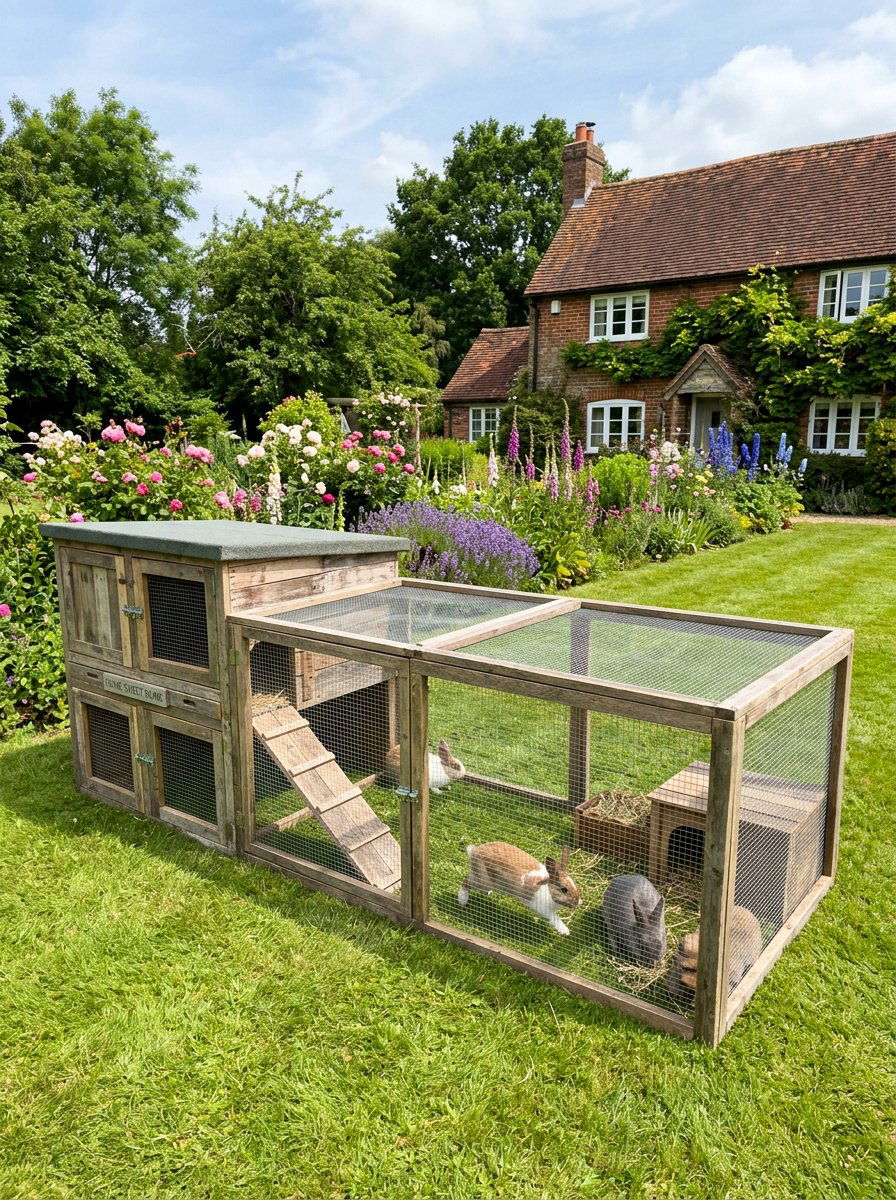
An outdoor setup that includes a secure run allows your rabbits to enjoy fresh grass and sunshine throughout the day. By using pallet wood for the main housing and attaching a wire-mesh enclosure, you create a safe zone that protects them from predators. The hutch portion provides a dry spot for them to retreat when it rains or when they want to nap in the shade. It is helpful to use high-quality hardware cloth instead of chicken wire to ensure no smaller animals can squeeze through. This layout encourages natural foraging behaviors and provides the essential exercise every healthy rabbit needs to stay happy and active in a safe environment.
3. Indoor rabbit enclosure
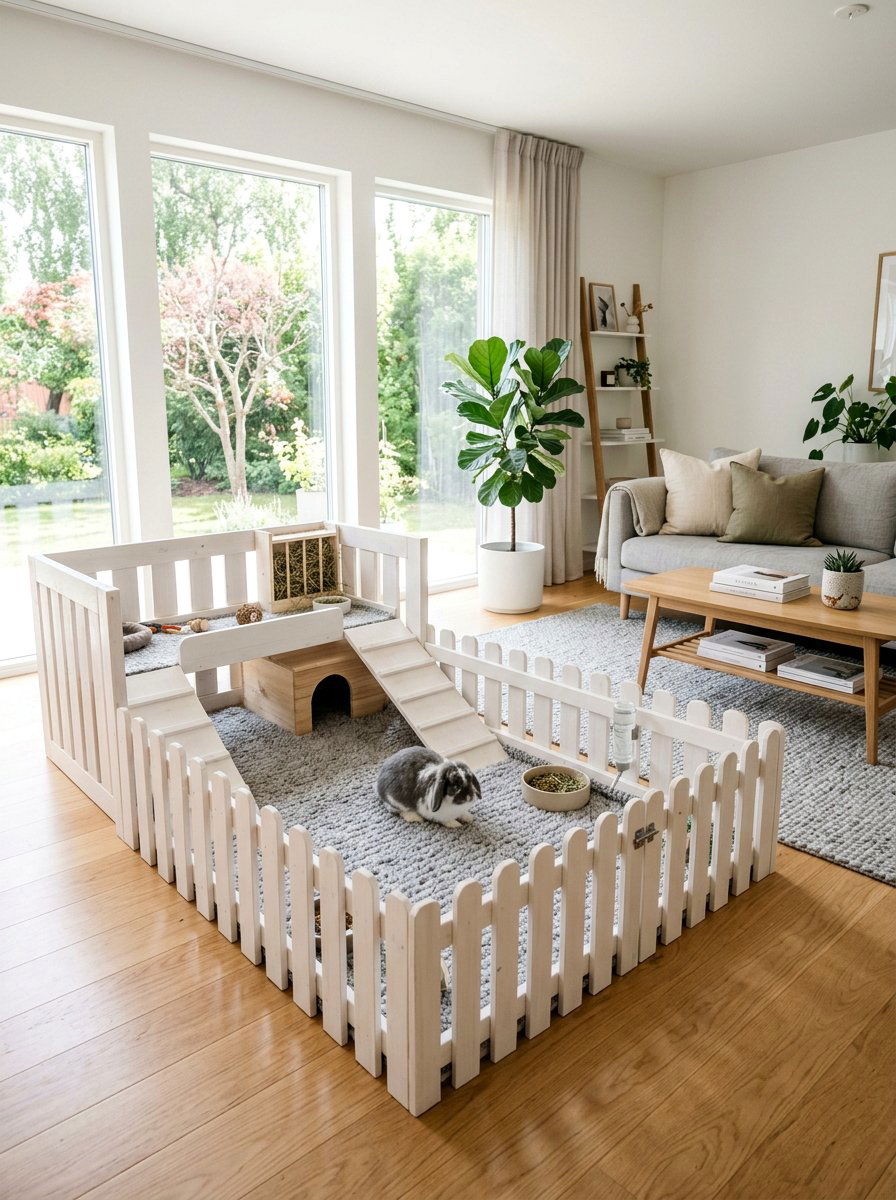
Creating an indoor space using pallet wood allows your rabbits to be part of the family while having their own designated territory. You can sand down the pallet slats to a smooth finish and paint them with pet-safe colors to match your interior design. This type of enclosure often features a low fence or a stylish gated area that keeps the bunnies contained but visible. It is perfect for social rabbits who enjoy being near their humans throughout the evening. You can add soft rugs or blankets over the wood to protect your floors and give your pets a comfortable surface to lounge on during their afternoon naps.
4. Mobile rabbit coop
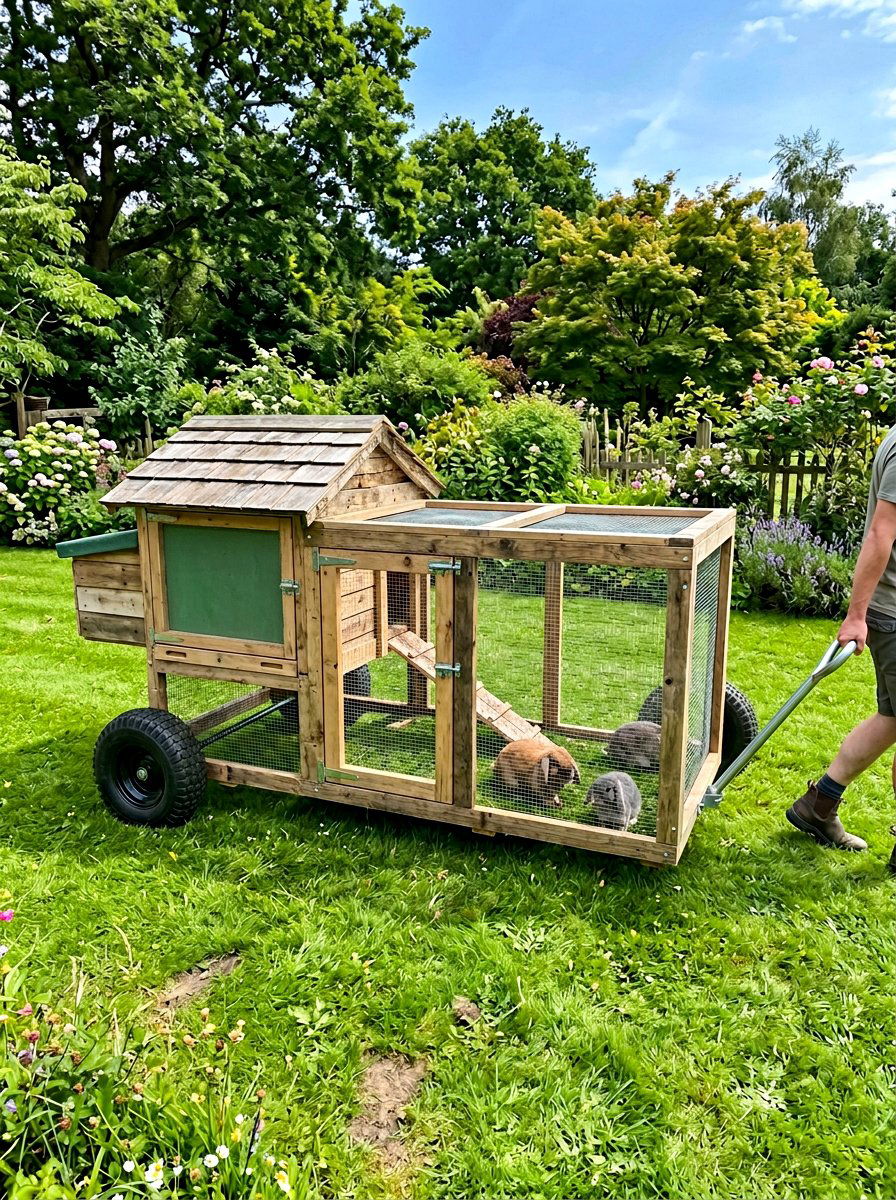
A mobile unit is an excellent choice for owners who want to move their rabbits around the yard to provide fresh grazing spots. You can attach sturdy wheels to the base of your pallet frame, making it easy to roll across the grass. This design keeps the rabbits safe from the elements while allowing them to trim your lawn naturally. The structure should be lightweight enough to move but heavy enough to remain stable during windy weather. Using lightweight corrugated roofing on top can provide shade and rain protection without adding too much bulk. This portable solution is ideal for maintaining a healthy lawn and a happy rabbit.
5. Stackable rabbit cage
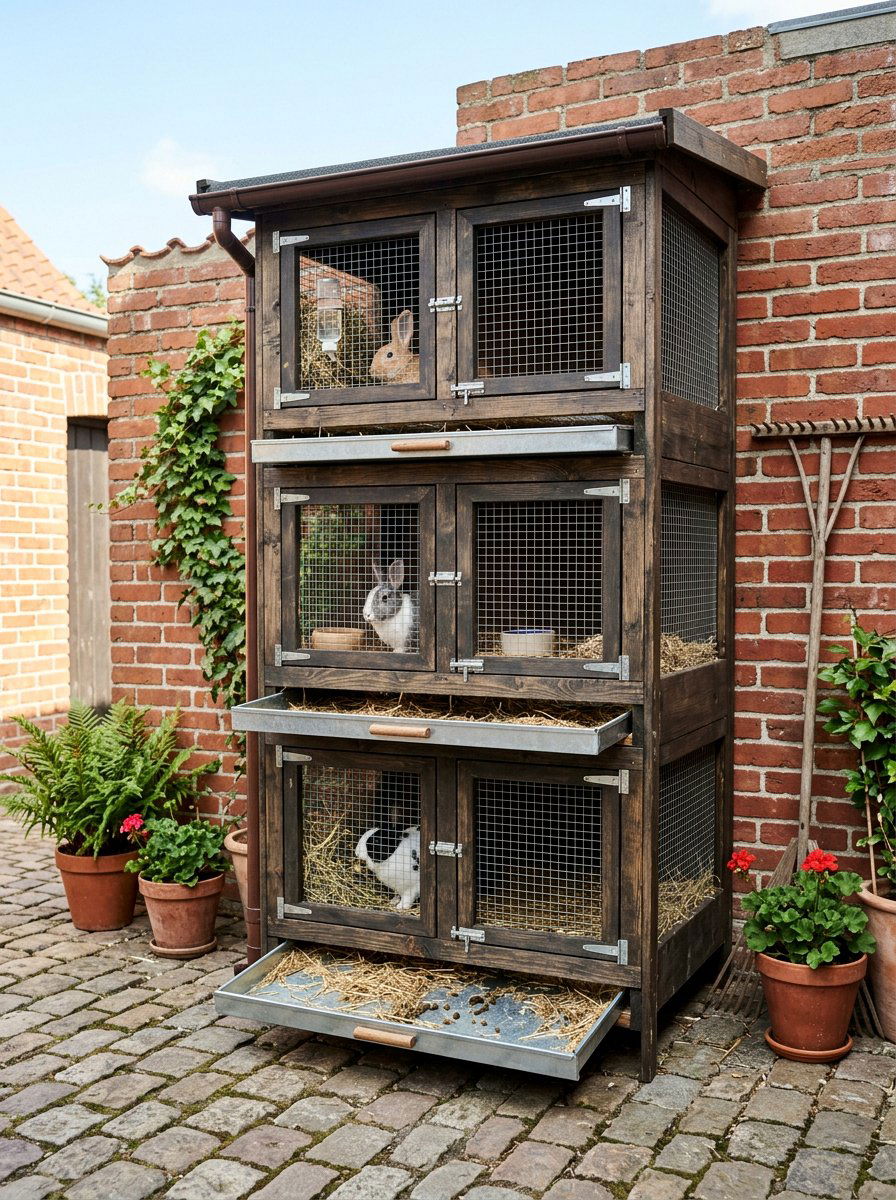
If you have multiple rabbits that need to be housed separately, a stackable pallet system is a space-saving and efficient solution. You can build individual units that fit securely on top of one another, creating a vertical apartment style layout. Each level should have its own door for easy access and a dedicated waste management system to prevent messes from falling to the level below. This design is perfect for breeders or rabbit rescues who need to maximize their footprint. Using vertical space allows you to keep several pets in a small area while ensuring each animal has enough room to move around comfortably and safely.
6. Walk in rabbit pen
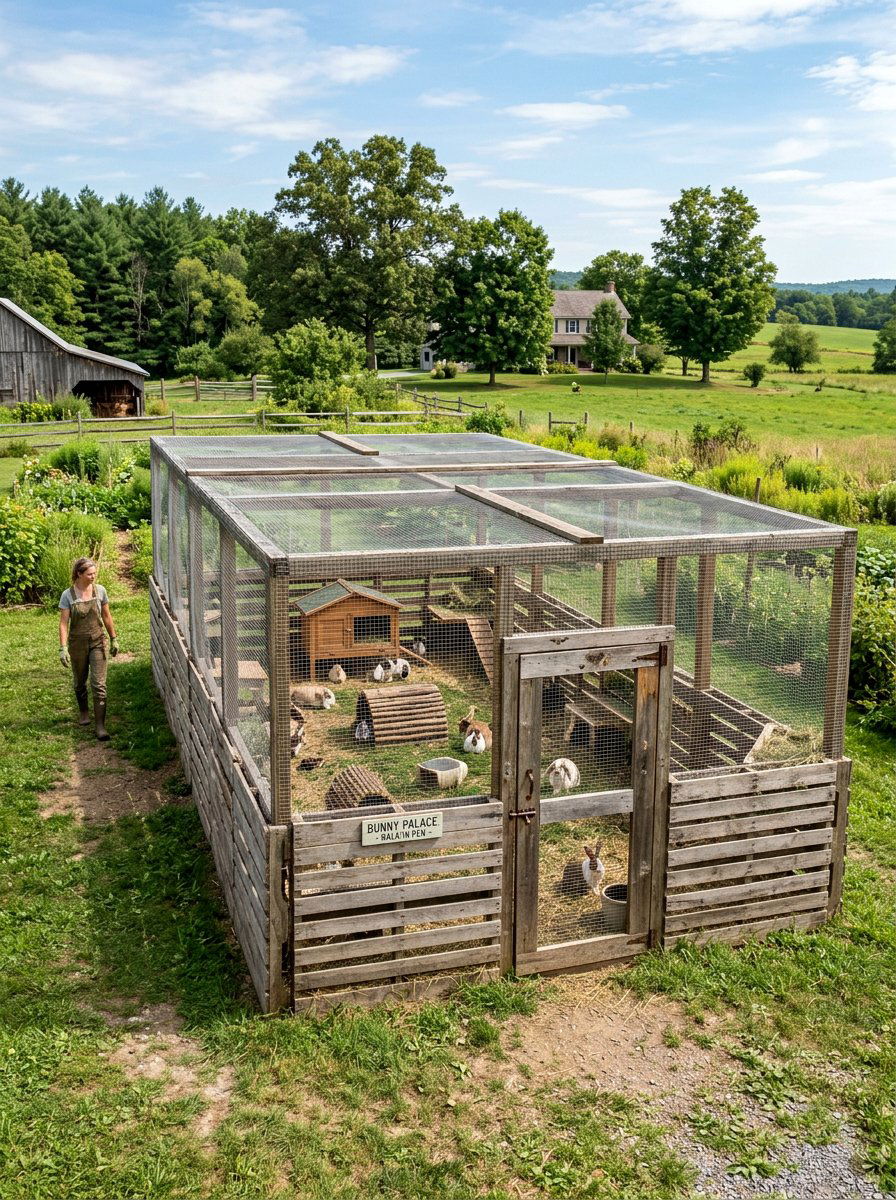
A walk-in pen made from tall pallet walls provides a massive amount of space and allows you to interact with your pets more easily. This design is essentially a large outdoor room where you can step inside to clean, feed, or play with your rabbits. By using full pallets for the walls, you create a sturdy perimeter that can be topped with netting or wire to prevent escapes. You can include various hiding spots, tunnels, and platforms inside the pen to keep your rabbits mentally stimulated. This is the ultimate luxury setup for rabbits who love to run, jump, and explore their environment in a secure space.
7. Corner rabbit hutch
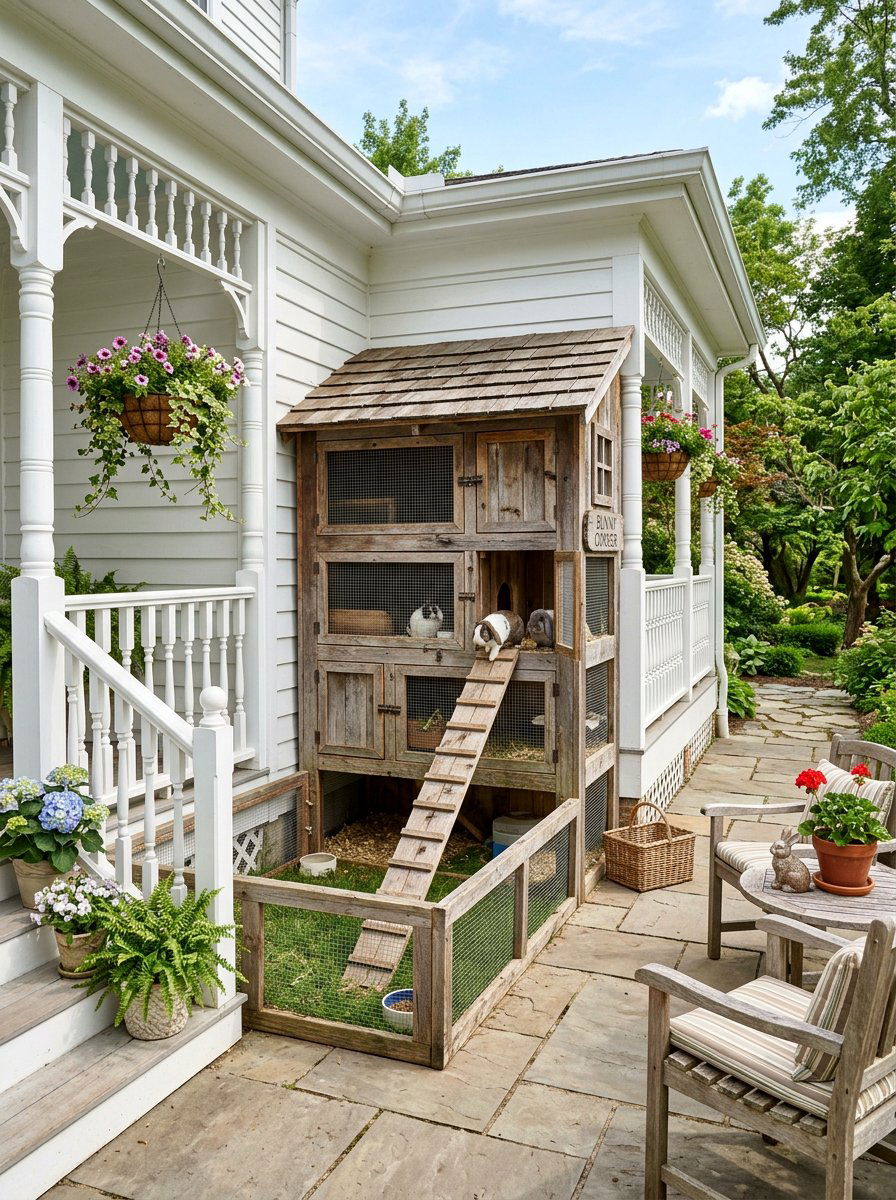
Utilizing the corner of a porch or a garden shed can save space while providing a cozy alcove for your pets. A corner hutch uses the existing walls as part of the structure, requiring fewer pallet materials to complete. This design often features an L-shape that fits snugly into tight spots, making it ideal for smaller gardens or suburban backyards. You can build tiered shelves within the corner unit to give the rabbits more surface area to explore. This setup is naturally sheltered from the wind, providing a warmer environment for your bunnies. It is a clever way to turn an unused corner into a functional pet home.
8. Elevated rabbit house
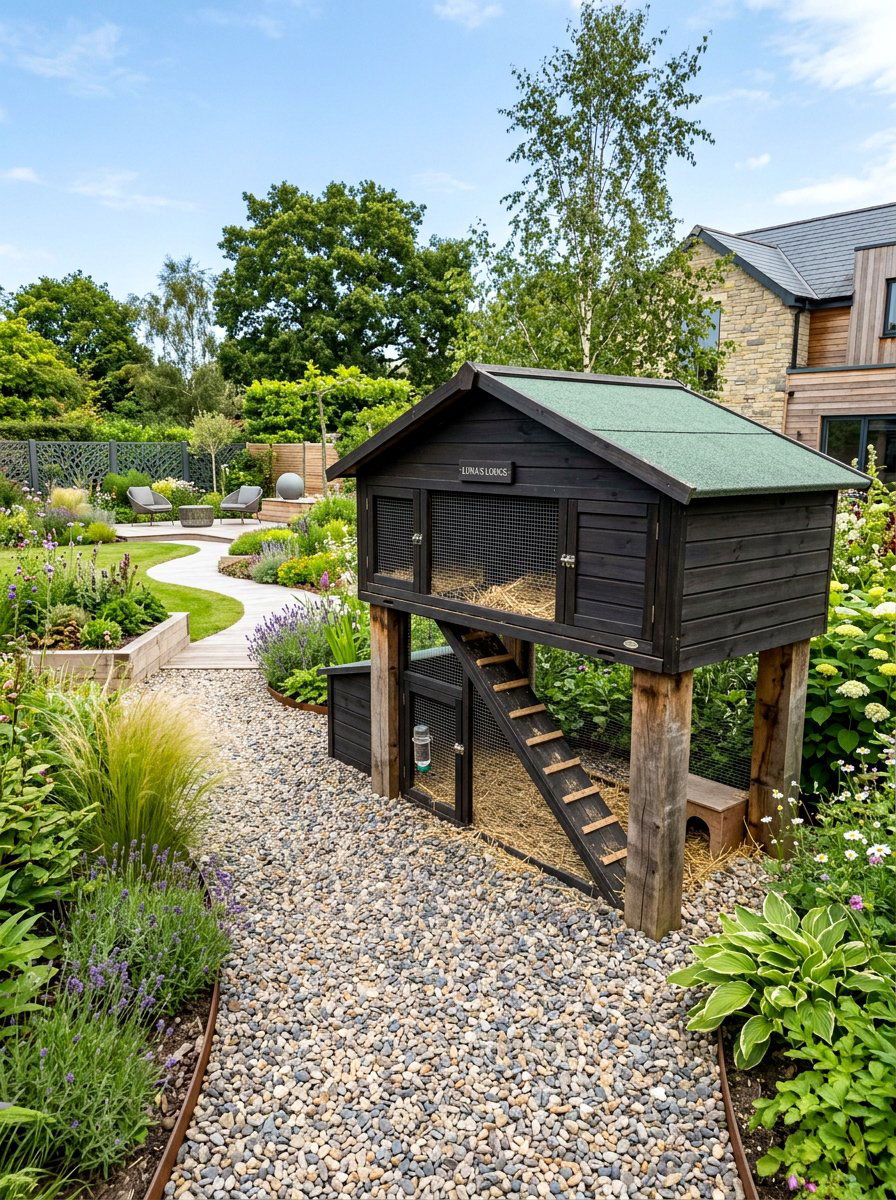
Raising the hutch off the ground is a smart way to protect your rabbits from damp soil and ground-dwelling predators. You can use the thickest pallet blocks or 4x4 posts to create sturdy legs for the structure. This elevation also makes it much easier for you to clean the hutch without having to bend over or kneel on the grass. The space underneath the hutch can serve as a shaded area for the rabbits if you connect it with a ramp. This design keeps the interior dry and well-ventilated, which is crucial for preventing respiratory issues in sensitive pets. It also looks very organized and professional in your yard.
9. Insulated rabbit hutch
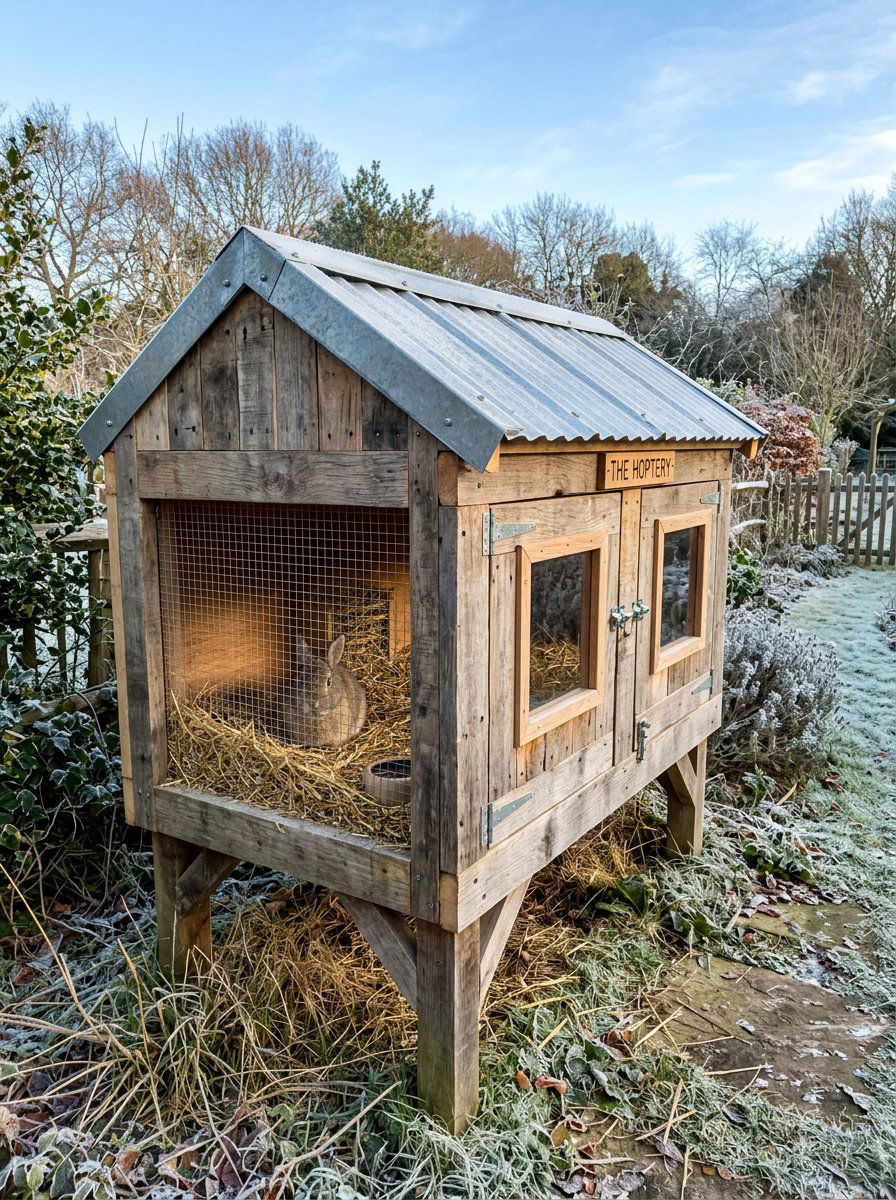
For those living in colder climates, adding insulation to your pallet hutch is essential for keeping your pets warm during the winter. You can sandwich foam board or straw between two layers of pallet wood to create thick, heat-retaining walls. Making the sleeping area smaller and more enclosed helps the rabbits maintain their body heat effectively. It is important to ensure there is still adequate ventilation at the top to prevent moisture buildup while keeping the drafts away from the floor. This heavy-duty design provides peace of mind that your furry friends are safe and snug even when the temperatures drop below freezing outside.
10. Modern rabbit hutch
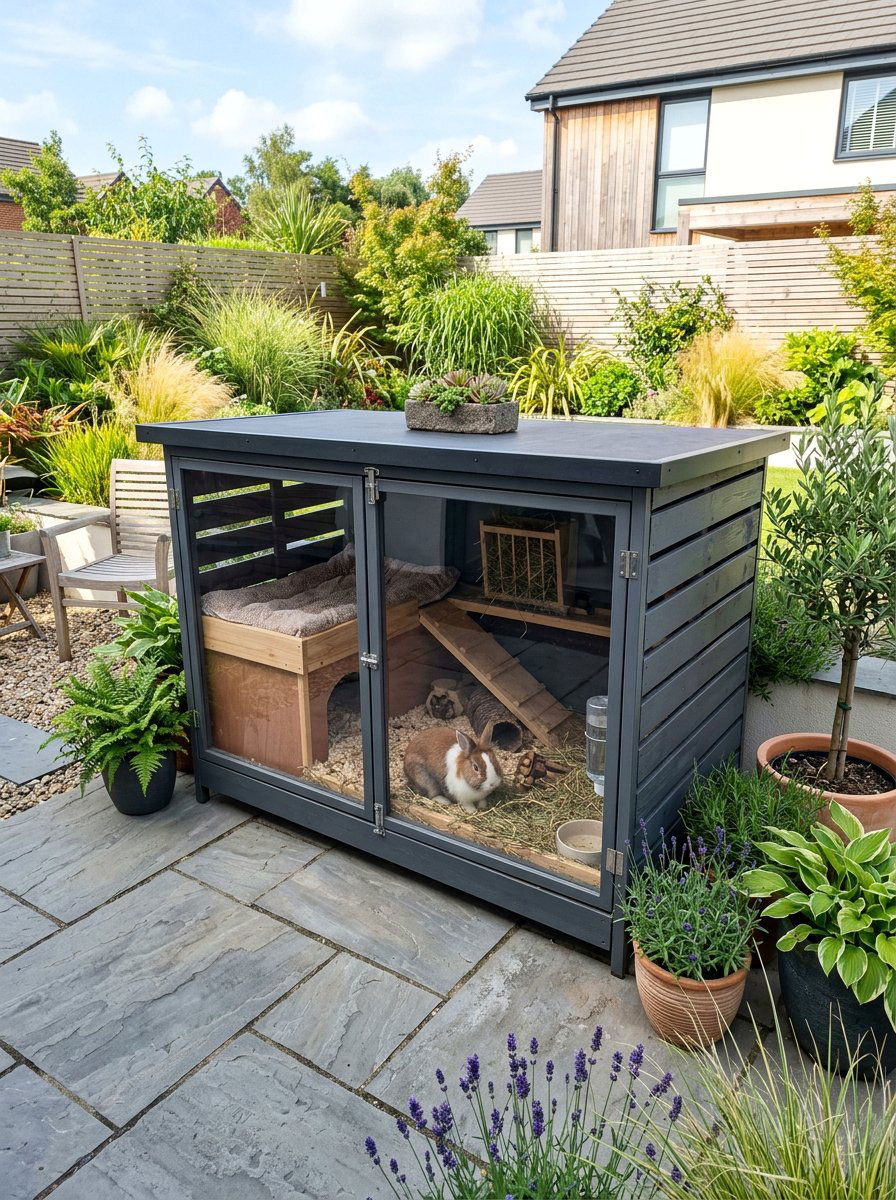
A modern design focuses on clean lines, minimal hardware, and a sleek aesthetic that looks great on a contemporary patio. You can use thin pallet slats arranged horizontally to create a stylish, slatted look that allows for great airflow. Painting the wood in neutral tones like charcoal grey or white can make the hutch look like a piece of high-end outdoor furniture. This style often incorporates plexiglass windows so you can see your bunnies clearly while they stay protected from the wind. It is a perfect choice for pet owners who value both the comfort of their animals and the visual appeal of their outdoor living spaces.
11. Barn style rabbit hutch
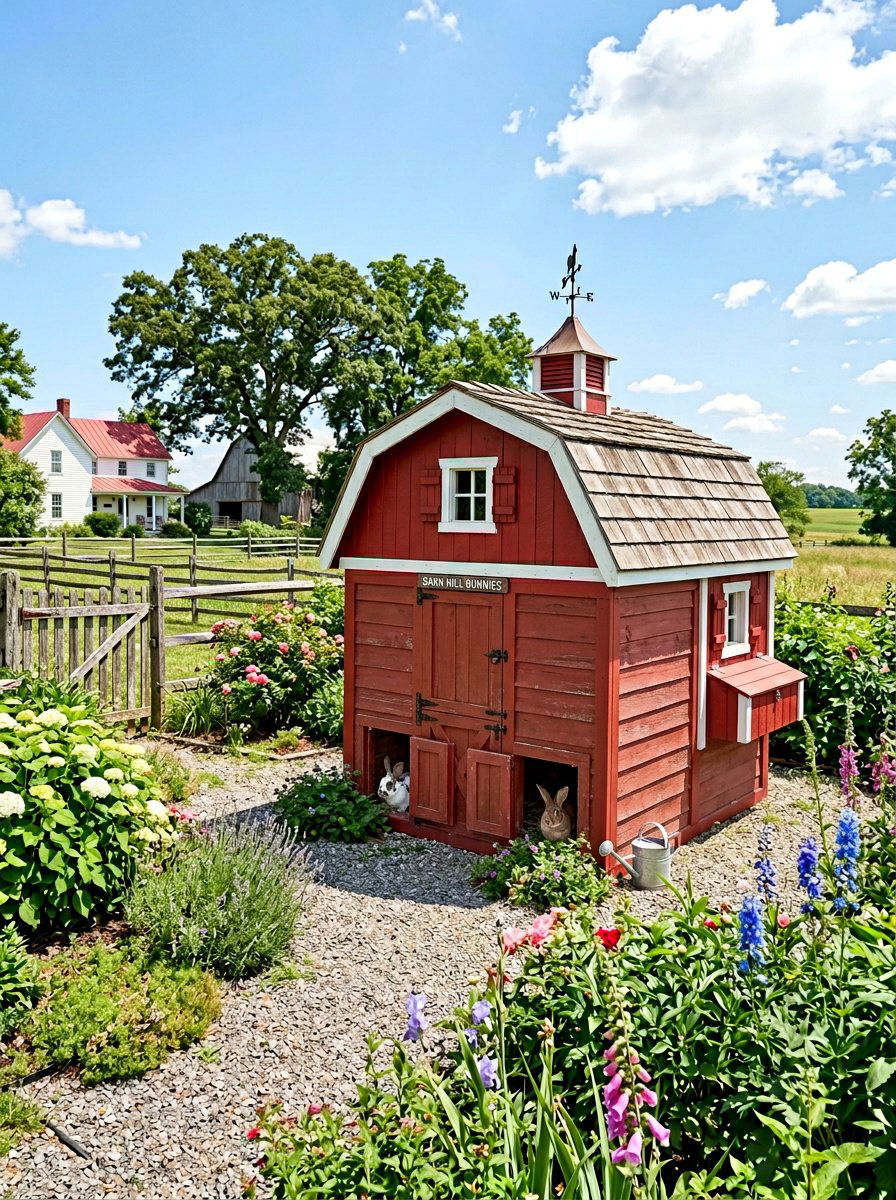
Embracing a rustic barn aesthetic is a popular choice for pallet projects because the weathered wood already has a farmhouse feel. You can build a small gambrel roof and add tiny barn doors to give the hutch a charming, miniature farm appearance. Using red wood stain and white trim can complete the look perfectly. This design is not only cute but also very functional, as the high roof provides extra ventilation and storage space for hay or bedding. It adds a touch of country charm to your backyard and creates a picturesque home that will certainly be a conversation starter for guests who visit.
12. A frame rabbit hutch
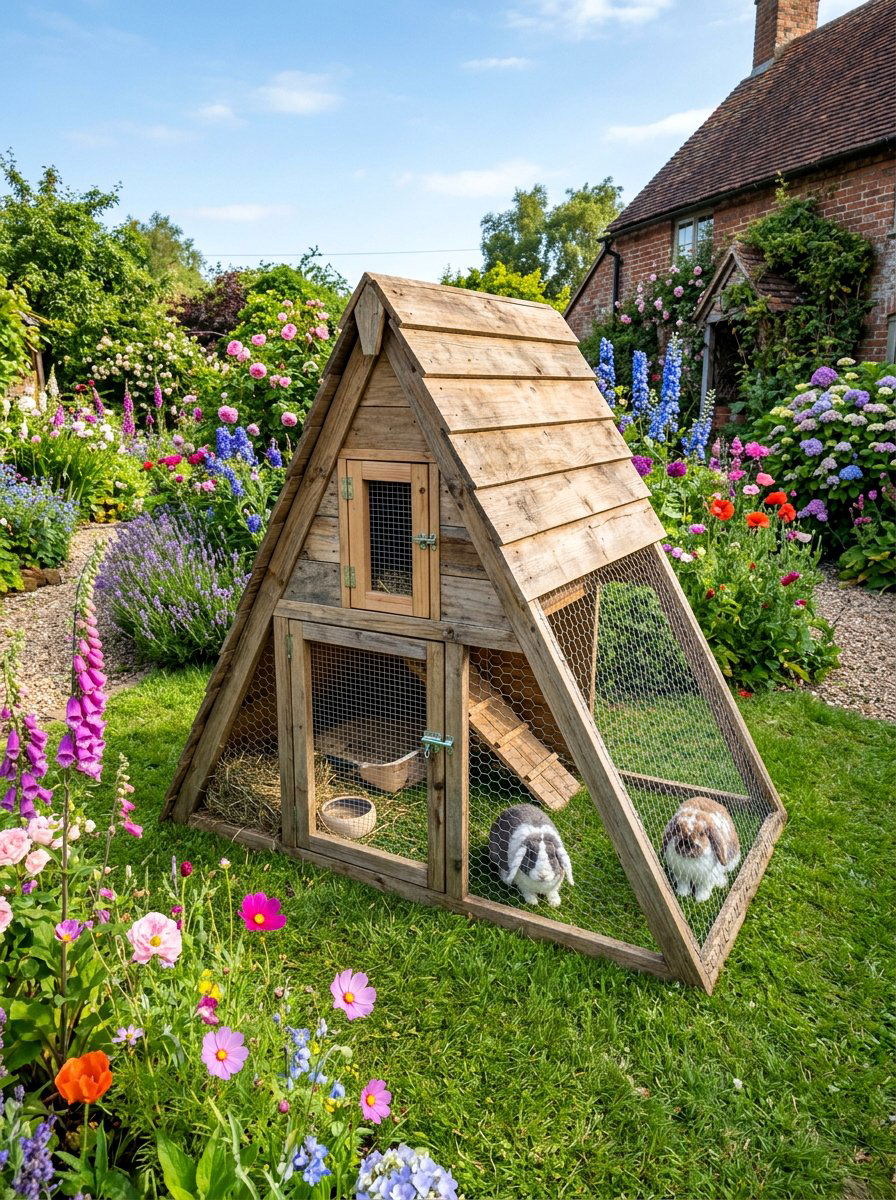
The A-frame design is incredibly sturdy and simple to build using the triangular geometry of pallet wood supports. This shape allows rain and snow to slide right off the sides, making it a very durable choice for regions with heavy precipitation. The bottom of the triangle can be left open to the grass, while the top portion serves as a dry and enclosed nesting area. This compact design is easy to build and move, making it a favorite for beginners. It provides a natural, den-like feeling for the rabbits, which helps them feel secure and protected from the bright sun or sudden rain showers during the day.
13. Rabbit hutch with flower box
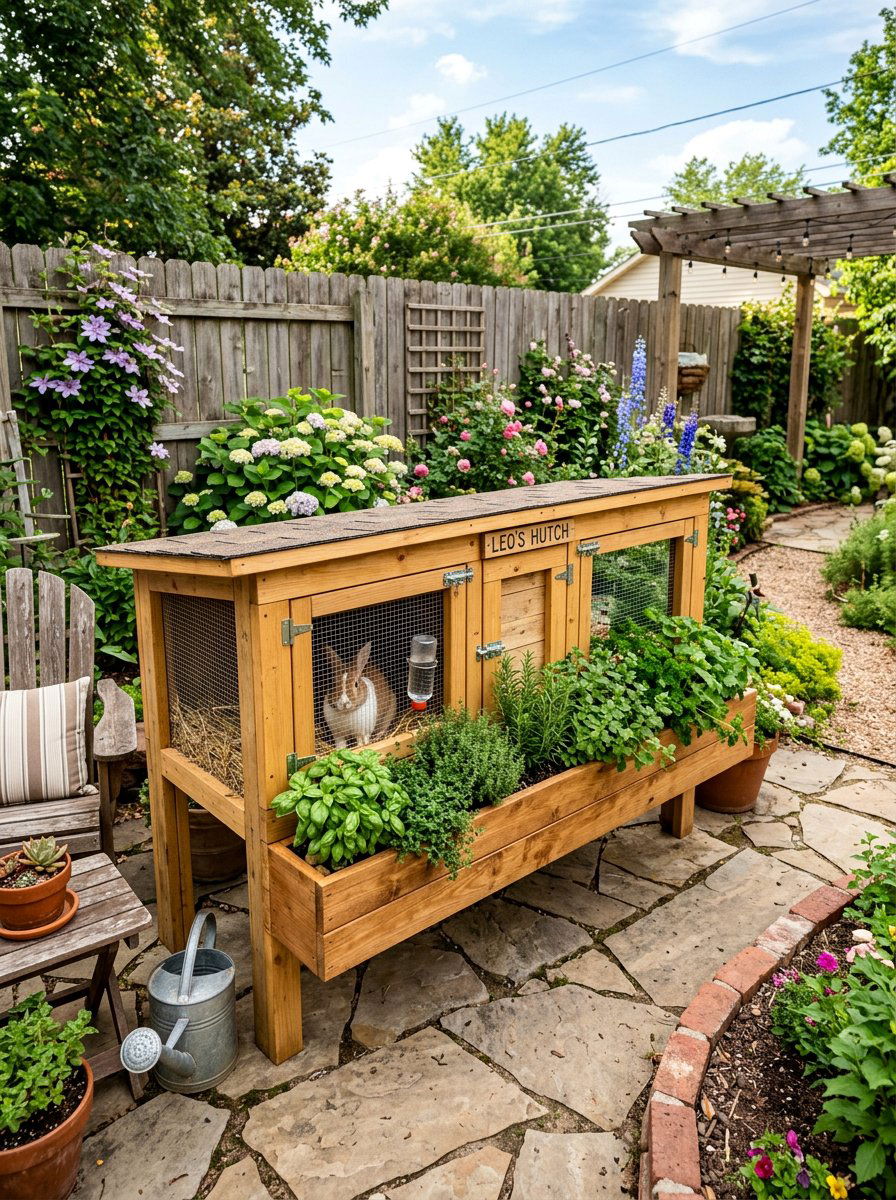
Integrating a planter box into your hutch design is a wonderful way to combine hobby gardening with pet care. You can attach a small pallet box to the front or side of the hutch and fill it with rabbit-safe herbs like parsley, cilantro, or mint. This not only looks beautiful but also provides a fresh snack for your bunnies right at their doorstep. The plants can also provide extra shade and a pleasant aroma around the enclosure. This dual-purpose design is perfect for small spaces where you want to maximize every inch of your garden for both utility and aesthetic beauty.
14. Double rabbit hutch
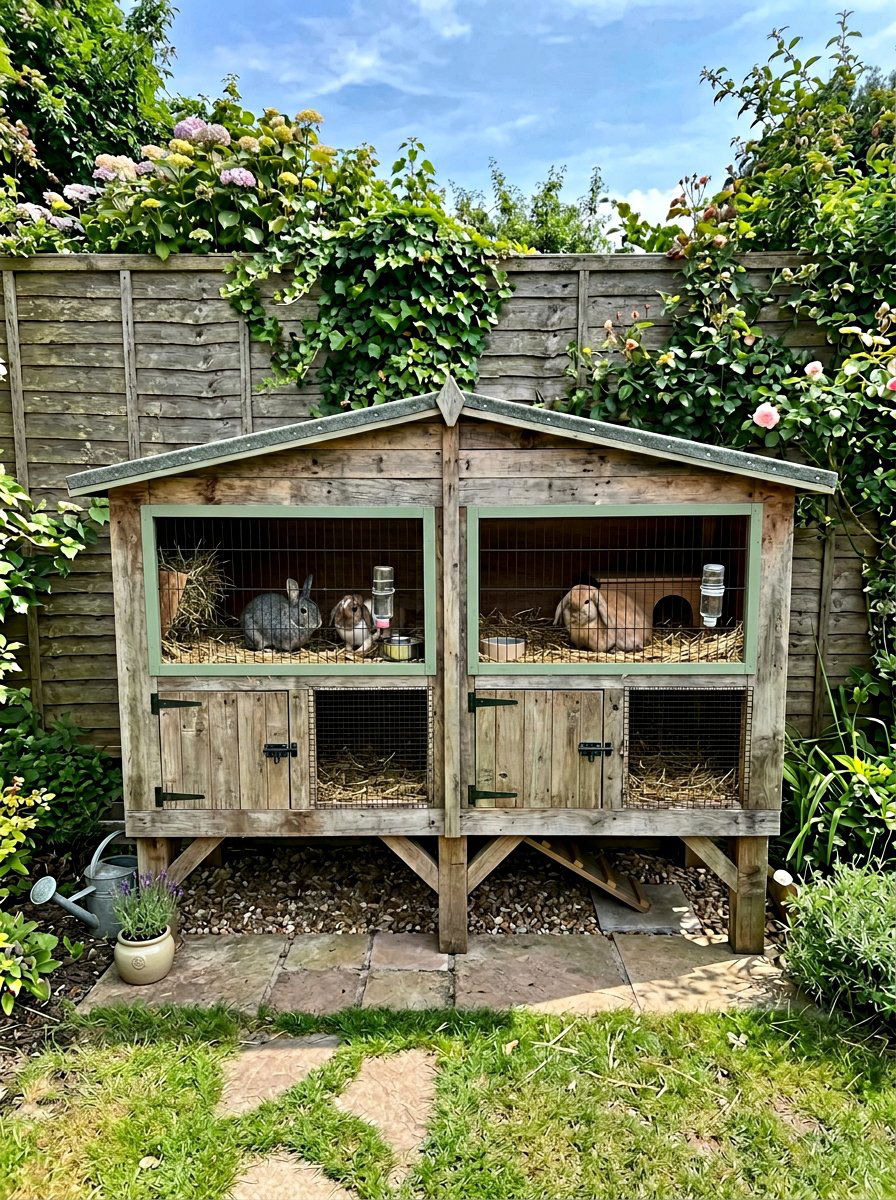
A double hutch is designed to house two rabbits who may need their own space but still enjoy being near each other. This setup features two separate living quarters side-by-side or one above the other, often sharing a central wall. Using pallets makes it easy to build a wide structure that provides ample room for both pets to thrive. Each side should have its own feeding and sleeping area to prevent territorial disputes. This is a great solution for introducing new rabbits or for keeping a male and female pair safely separated. It creates a balanced and organized look in your outdoor pet area.
15. Portable rabbit tractor
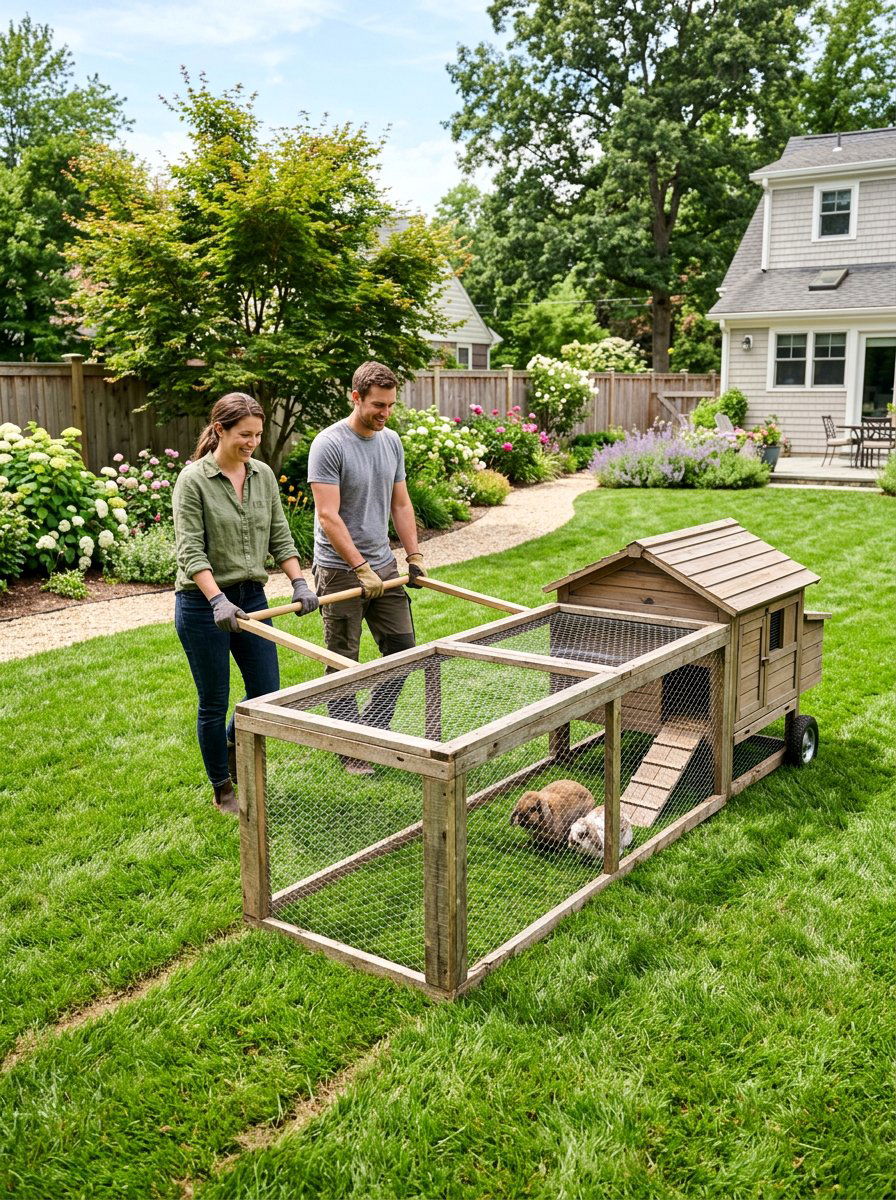
Similar to a chicken tractor, a rabbit tractor is a floorless enclosure that you move daily to provide fresh forage. By building a light frame from pallet wood and covering it with wire mesh, you create a safe, bottomless pen that lets rabbits graze directly on the lawn. This natural diet is excellent for their health and reduces the amount of hay you need to provide. The structure usually includes a small enclosed box at one end where the rabbits can hide if they feel stressed or need to sleep. It is an eco-friendly way to manage your lawn while keeping your pets extremely happy and healthy.
16. Small balcony rabbit hutch
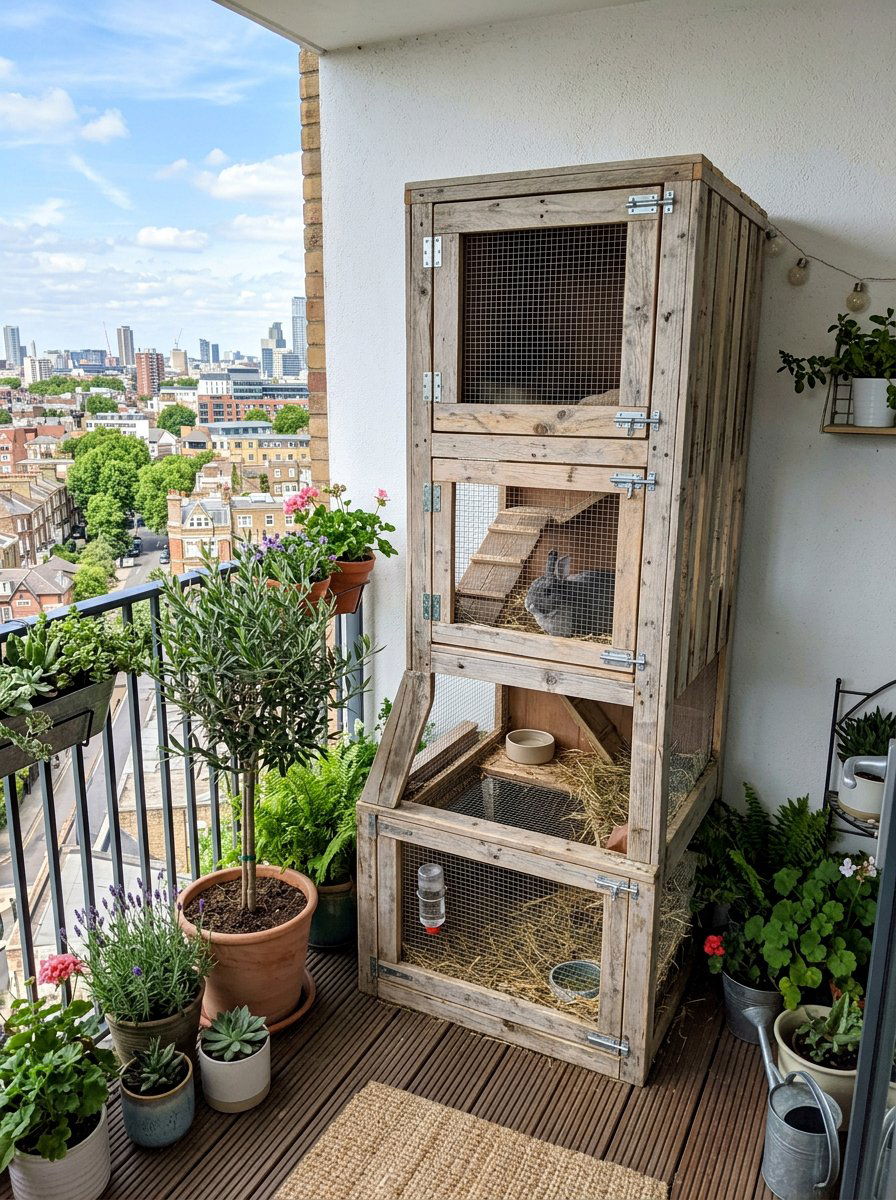
Living in an apartment doesn 't mean you can' t have a beautiful pallet hutch for your bunny. A small, compact design can be tailored to fit perfectly on a balcony or small patio area. This hutch usually features a solid floor to keep the balcony clean and a vertical design to save floor space. You can use pallet slats to create a stylish screen that provides privacy for your rabbit while allowing them to enjoy the fresh air. Adding castors to the bottom makes it easy to move the hutch inside during extreme weather. It is a practical and attractive solution for urban pet owners who love DIY.
17. Rabbit hutch with storage
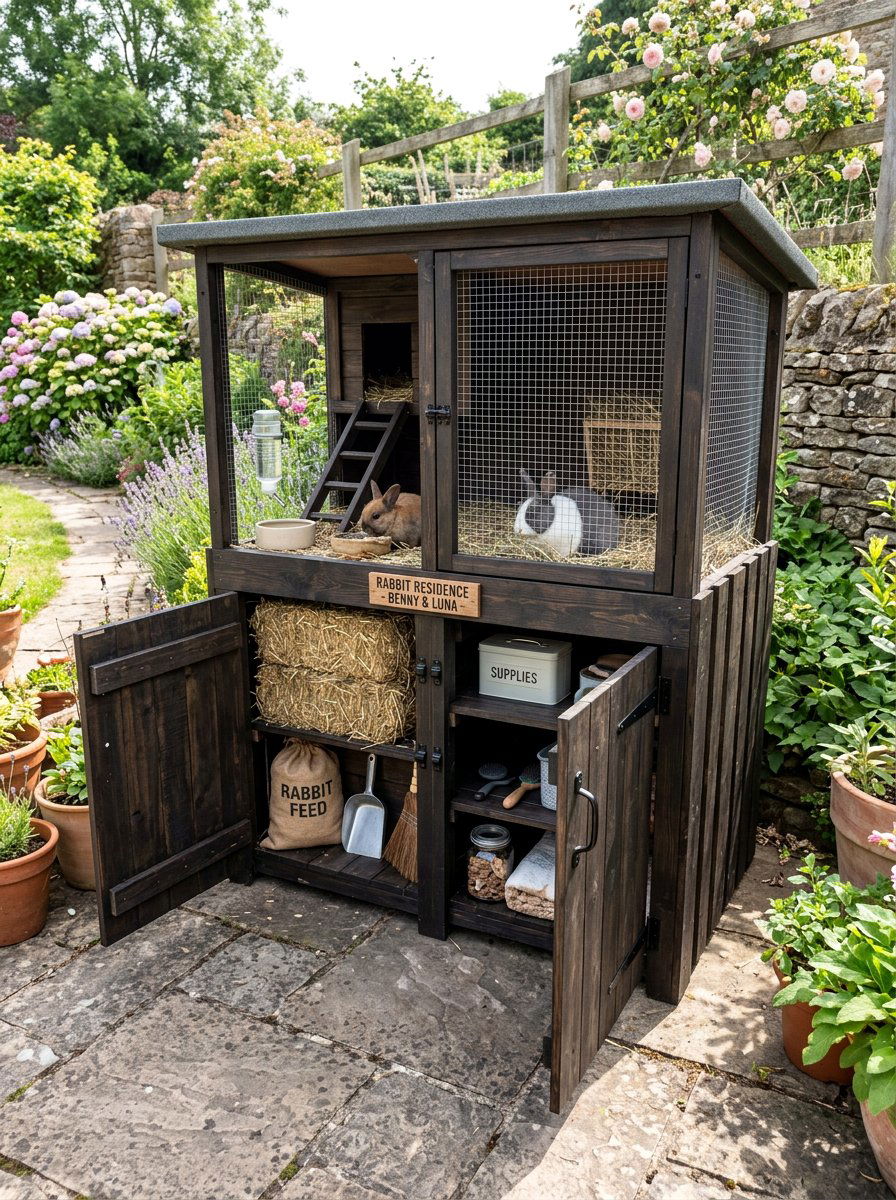
Adding a dedicated storage compartment to your hutch design keeps all your rabbit supplies organized and within reach. You can build a small cupboard or a hidden bin using pallet wood right into the base or side of the structure. This is the perfect place to store bags of pellets, extra hay, grooming tools, and cleaning supplies. Keeping everything in one spot makes daily chores much faster and keeps your yard looking tidy. The storage area also adds extra weight to the base of the hutch, making it more stable and secure against strong winds or curious neighborhood pets who might wander by.
18. Integrated garden rabbit run
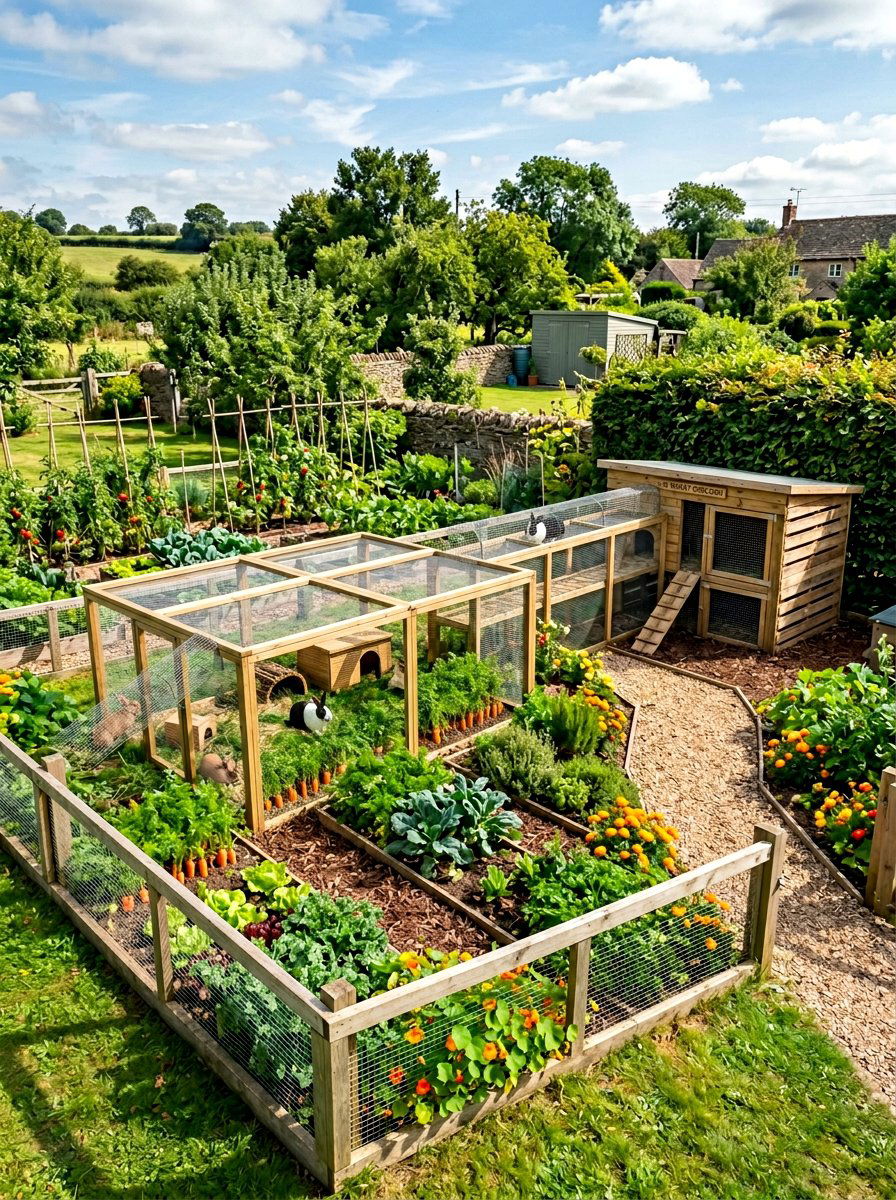
Connecting your pallet hutch directly to a fenced garden area allows your rabbits to explore a much larger territory. You can build a tunnel or a gated path that leads from the main hutch into a secure, planted area where the rabbits can roam freely. This setup provides the best of both worlds: a safe, enclosed bedroom and a vast, stimulating playground. It is important to ensure the perimeter of the garden is buried deep enough to prevent the rabbits from digging their way out. This integrated approach creates a beautiful landscape feature that highlights the harmony between your pets and your garden space.
19. Covered rabbit hutch
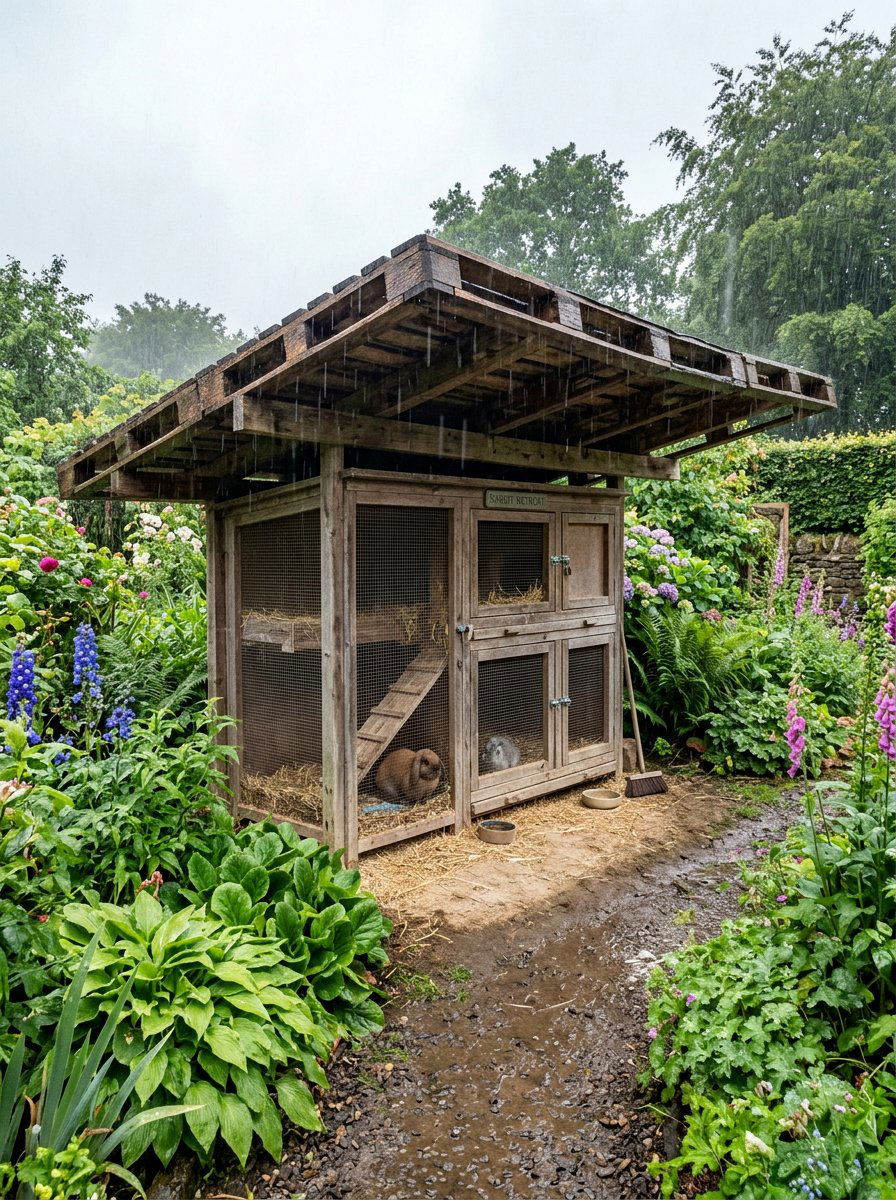
A hutch with a large, overhanging roof provides maximum protection from the sun and rain, keeping the entire area dry. You can use reclaimed pallet wood for the roof structure and cover it with shingles or metal sheets for longevity. The extra-wide roof creates a porch-like area around the hutch where you can stand while feeding your pets without getting wet. This design is especially useful in rainy climates where keeping the bedding dry is a constant challenge. It also helps to keep the interior of the hutch cooler during the hot summer months by providing a constant source of shade over the main living quarters.
20. Painted pallet rabbit coop
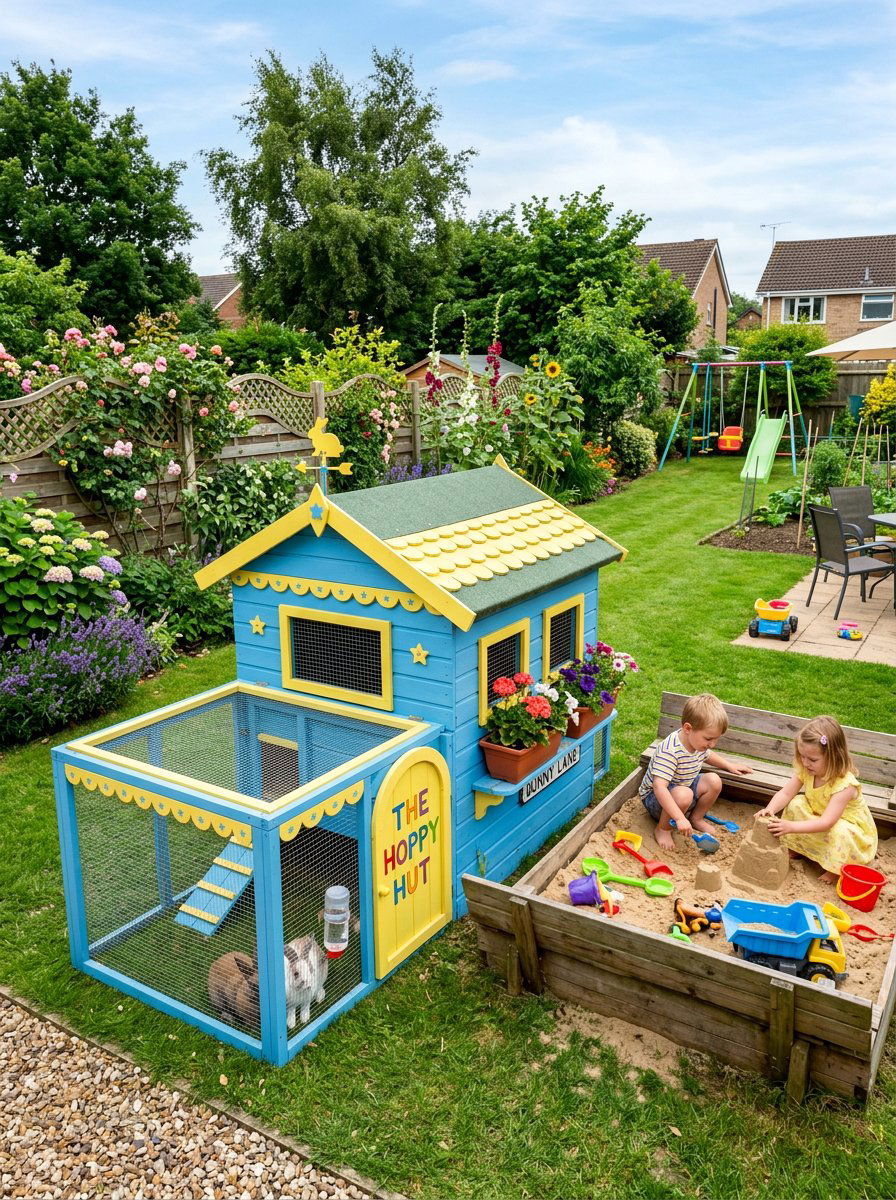
Applying a fresh coat of paint can transform a simple pallet hutch into a vibrant and playful feature in your yard. You can choose bright colors like sky blue, sage green, or soft yellow to create a cheerful atmosphere for your pets. It is crucial to use non-toxic, pet-safe paint that won 't harm the rabbits if they happen to chew on the wood. Painting also helps to seal the wood and protect it from rot and weathering, extending the life of your DIY project. This is a fun way to express your creativity and make your rabbit' s home feel like a truly special part of your outdoor space.
21. Natural wood rabbit hutch
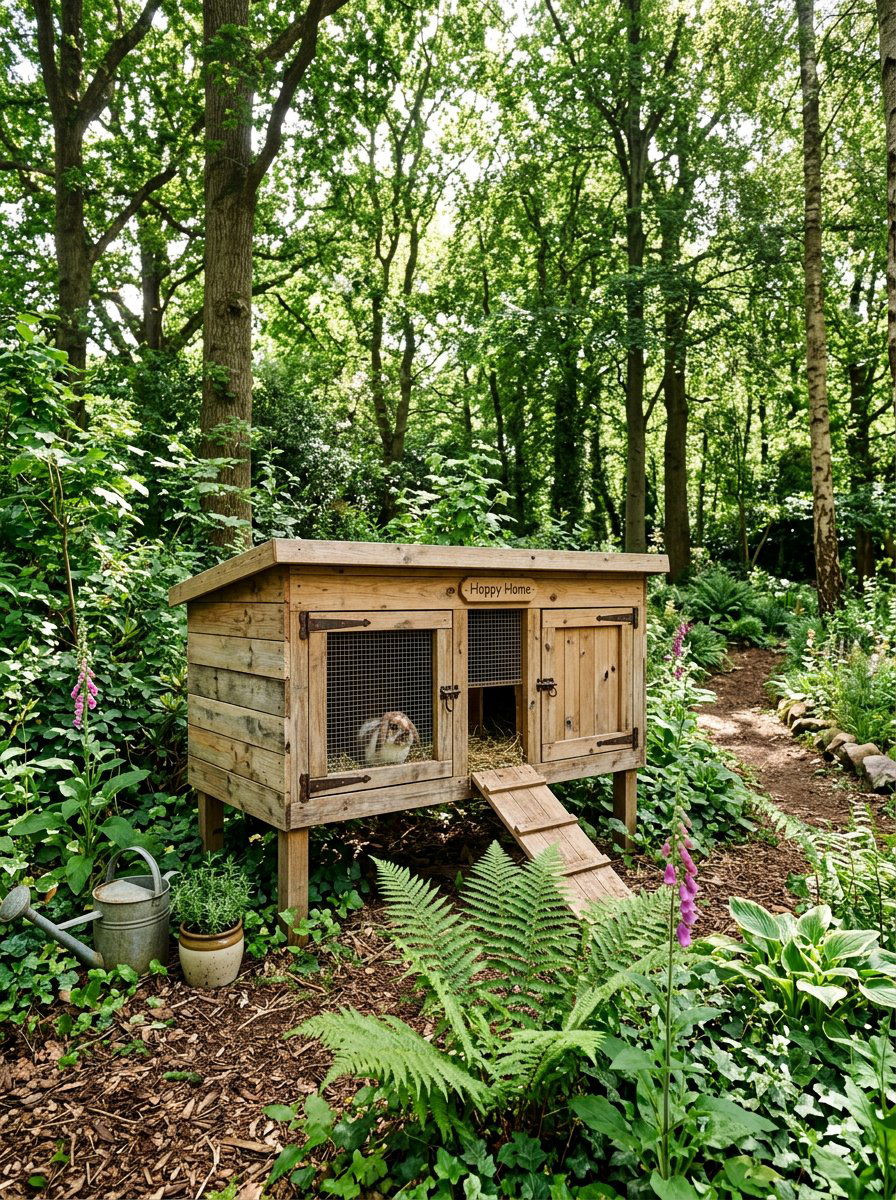
For a more organic and earthy look, leaving the pallet wood in its natural state is a beautiful option. You can simply sand the wood to a smooth finish and apply a coat of clear, rabbit-safe linseed oil to bring out the natural grain and protect it from moisture. This style blends seamlessly into a wooded backyard or a garden filled with native plants. The rustic texture of the wood provides a tactile and grounding environment for your pets. It is a timeless design choice that celebrates the raw beauty of reclaimed materials while providing a sturdy and comfortable home for your bunnies to enjoy.
22. Under porch rabbit pen
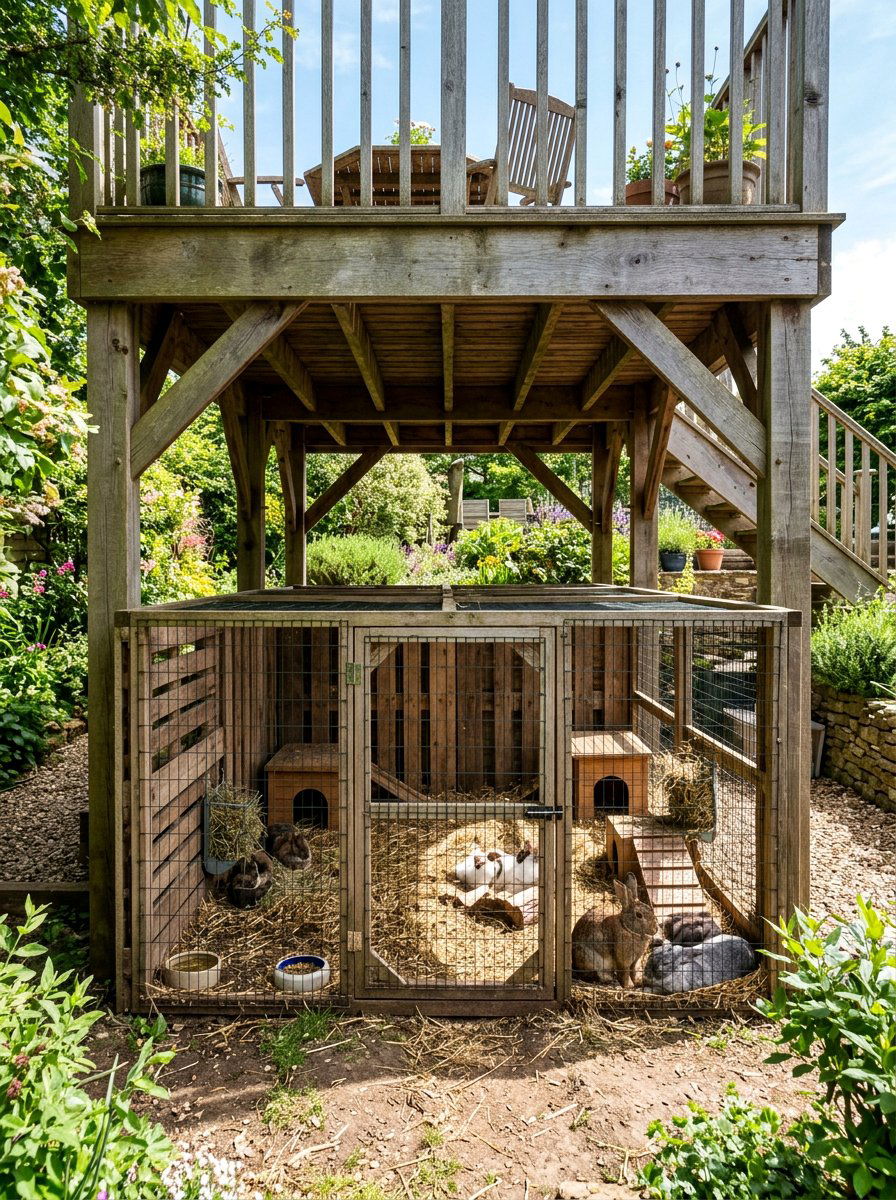
If you have a raised deck or porch, the space underneath can be converted into a fantastic rabbit enclosure using pallet wood walls. This area is naturally shaded and protected from the rain, making it an ideal location for a large bunny pen. You can install pallet gates and wire mesh around the perimeter to keep the rabbits contained while giving them a huge amount of room to hop around. This clever use of space keeps the hutch out of the main walkway of your yard and provides a very quiet and peaceful environment for the rabbits. It is a great way to utilize often-wasted space.
23. Shed style rabbit hutch
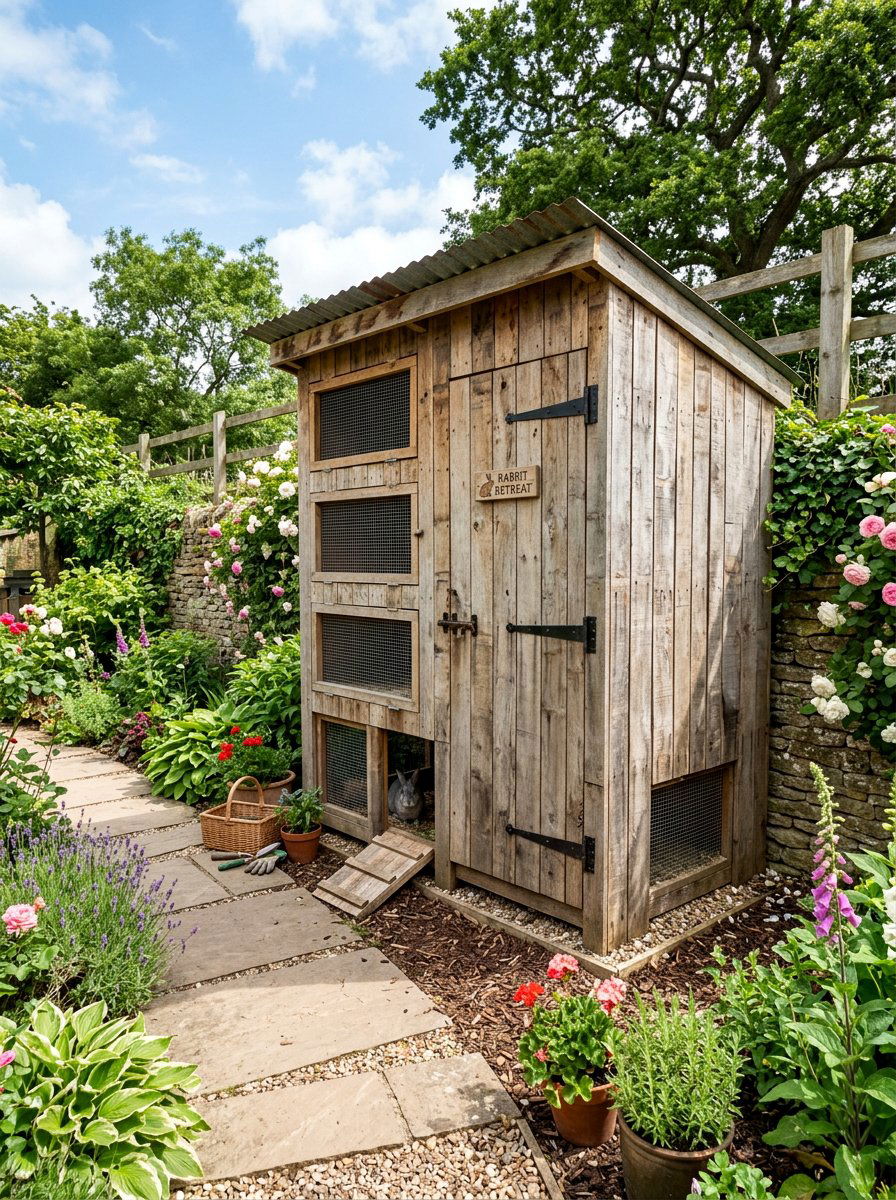
A shed-style hutch is a larger, more permanent structure that offers maximum protection and plenty of room for both rabbits and owners. This design looks like a miniature garden shed, complete with a slanted roof and a full-sized door for easy access. Inside, you can build various levels and nesting boxes using pallet wood to create a complex and interesting environment. This setup is perfect if you live in an area with harsh weather, as it provides a fully enclosed space that stays dry and warm. It also offers plenty of room for you to sit inside and bond with your pets regardless of the weather.
24. Rabbit hutch with ramp
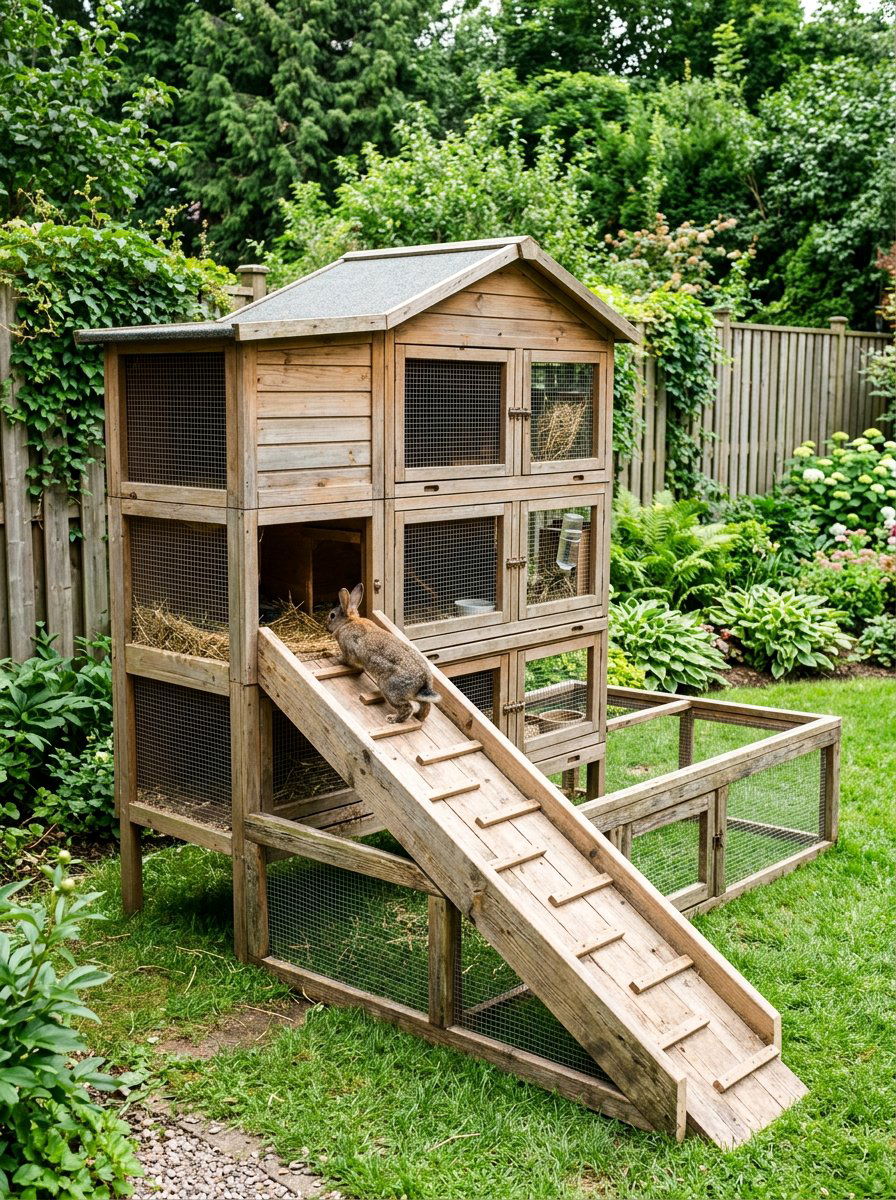
Incorporating a long, gentle ramp into your hutch design allows rabbits to easily move between different levels of their home. Ramps are especially important for older rabbits or those with mobility issues who might struggle with jumping. You can use pallet slats as the base and add small cross-pieces of wood to provide extra grip for their paws. Covering the ramp with outdoor carpet or rubber matting can also help prevent slipping. This feature encourages more movement and exercise, which is essential for maintaining a healthy weight and good muscle tone in your pets. It adds a dynamic element to the hutch layout.
25. Wall mounted rabbit hutch
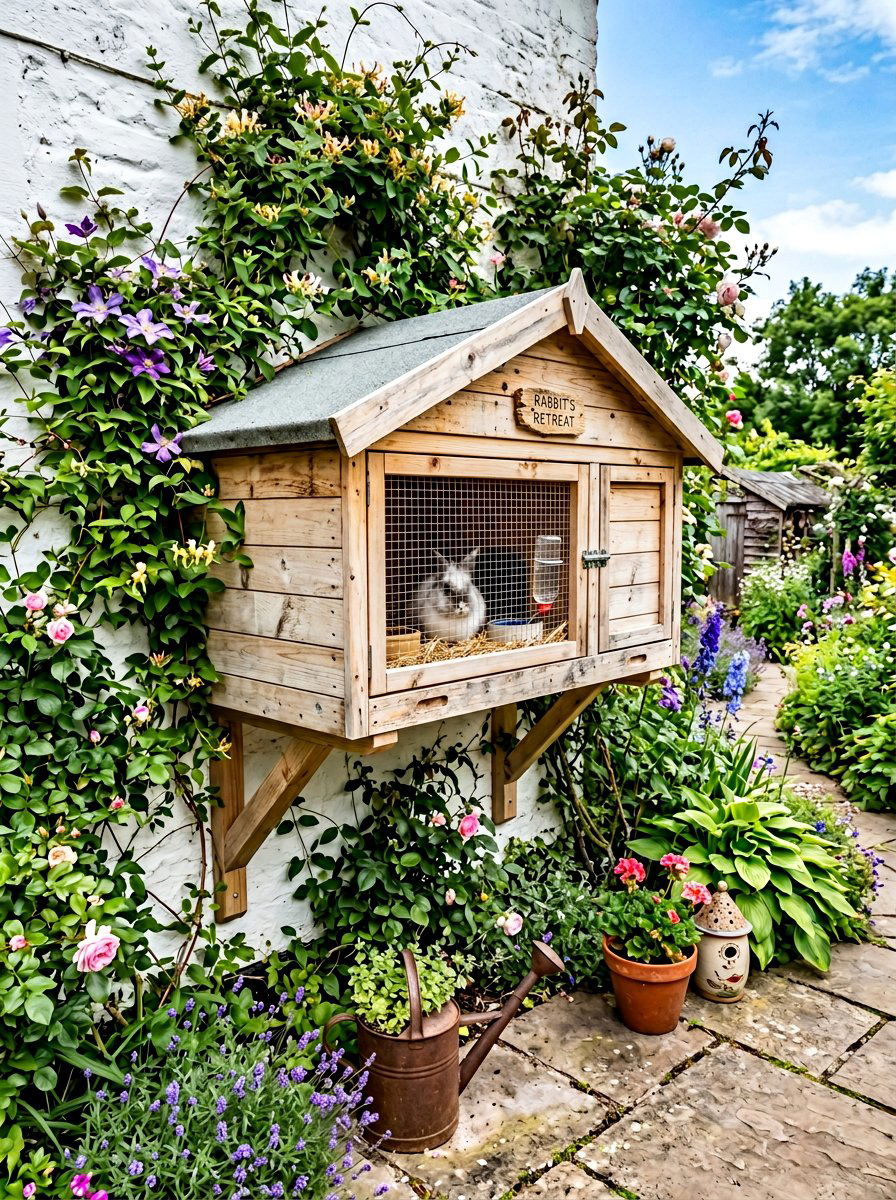
A wall-mounted design is a unique way to save ground space by attaching the hutch directly to the side of a house or a sturdy fence. This setup keeps the rabbits at eye level, making it very easy for you to interact with them and monitor their health. Using pallet wood to create a floating box design is modern and space-efficient. You must ensure the mounting brackets are extremely strong to support the weight of the hutch and the rabbits. This elevated position provides an excellent view for the bunnies and keeps them far away from ground predators, creating a safe and very stylish vertical pet habitat.
Conclusion:
Building a rabbit hutch from pallets is a fulfilling project that combines creativity with practical pet care. By following these various ideas, you can create a customized environment that perfectly suits your rabbits 'personalities and your home' s aesthetic. Reusing wood not only saves money but also reduces waste, making it a win-win for everyone involved. Whether you choose a simple A-frame or a complex two-story design, the most important factor is the safety and comfort of your pets. With a bit of planning and some basic tools, you can transform ordinary pallets into a beautiful, functional sanctuary that your rabbits will love for many years to come.
Related DIY Ideas to Try: