
Creating a thriving garden ecosystem starts with providing a safe haven for the tiny creatures that keep your plants healthy and vibrant. Wooden pallets are the perfect base for crafting a bug sanctuary because they offer a sturdy, pre-made frame that can be easily customized with natural materials. These structures provide essential shelter for beneficial insects like solitary bees, ladybugs, and lacewings, which help with pollination and natural pest control. By repurposing old shipping pallets, you are choosing a sustainable way to enhance your outdoor space while supporting local biodiversity. Each layer of a pallet hotel can be filled with different textures to attract a wide variety of helpful garden guests.
1. Multi layer bug hotel
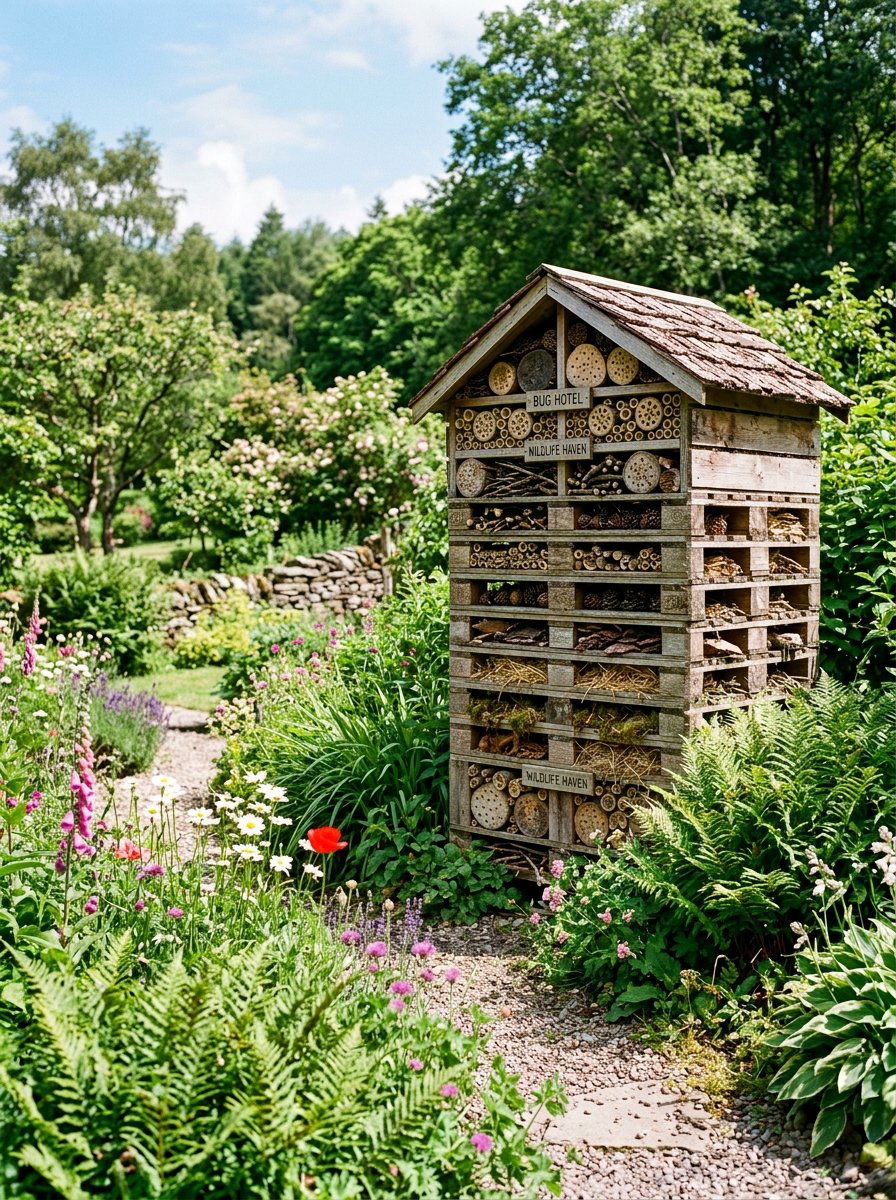
A multi layer bug hotel stands as a grand architectural feat for your backyard ecosystem. By stacking several wooden pallets on top of each other, you create a skyscraper for beneficial garden guests. Each level offers a unique microhabitat for different species, such as solitary bees, spiders, and beetles. You can fill the bottom gaps with heavy logs and bark, while the upper sections host lighter materials like straw or hollow bamboo tubes. This vertical design maximizes space and provides a sturdy, weather-resistant structure that lasts for years. It looks impressive nestled among your flower beds and serves as a conversation starter for visitors. Building this helps restore local biodiversity while cleaning up your garage space.
2. Small pallet insect house
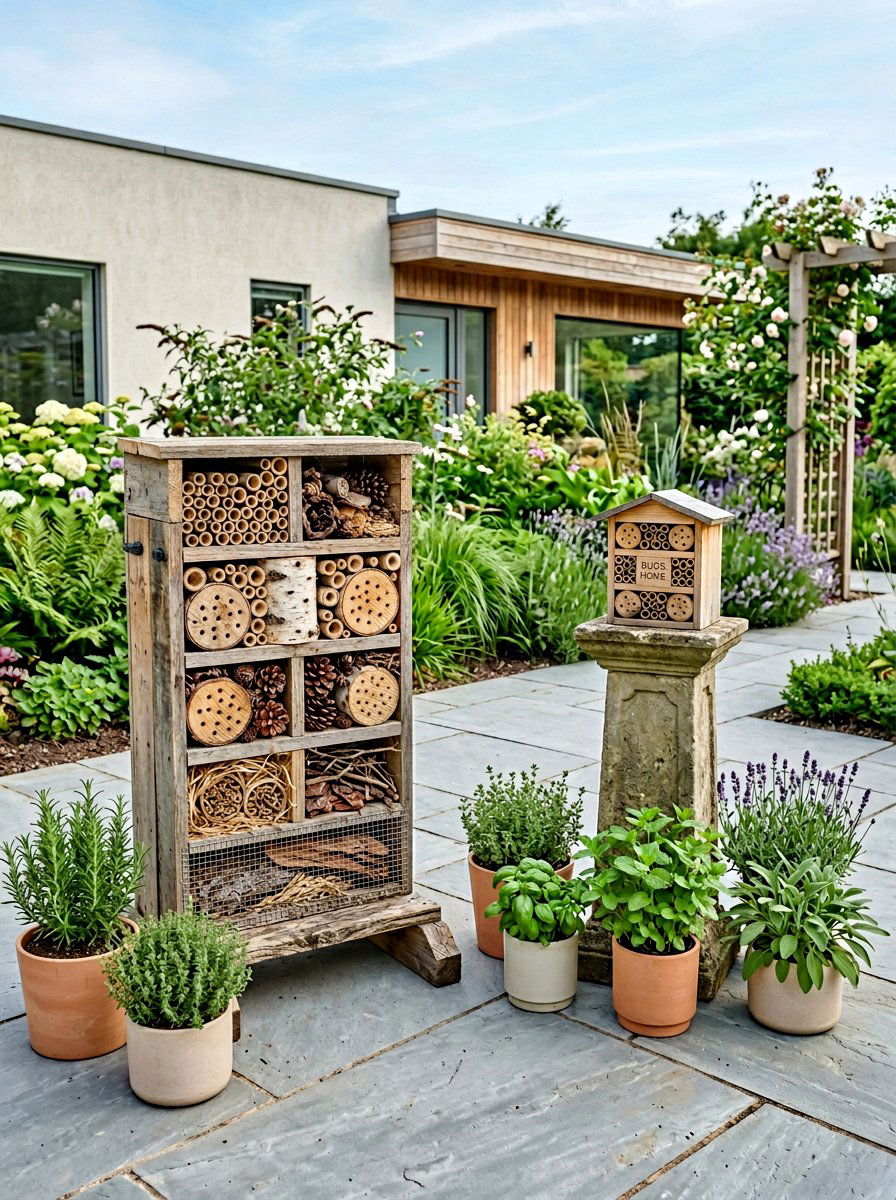
A small pallet insect house is an ideal solution for urban gardeners or those with limited outdoor space. You can construct this by cutting a single pallet into smaller sections and reassembling them into a compact, boxy frame. Even with a smaller footprint, this design provides ample nesting spots when packed tightly with pine cones, twigs, and drilled wood blocks. Placing it on a balcony or a small patio allows you to observe nature up close without requiring a massive yard. It is a manageable DIY project that still delivers significant ecological benefits to your local environment. These tiny shelters ensure that even the smallest garden can support vital pollinators and helpful predatory insects.
3. Vertical garden bug sanctuary
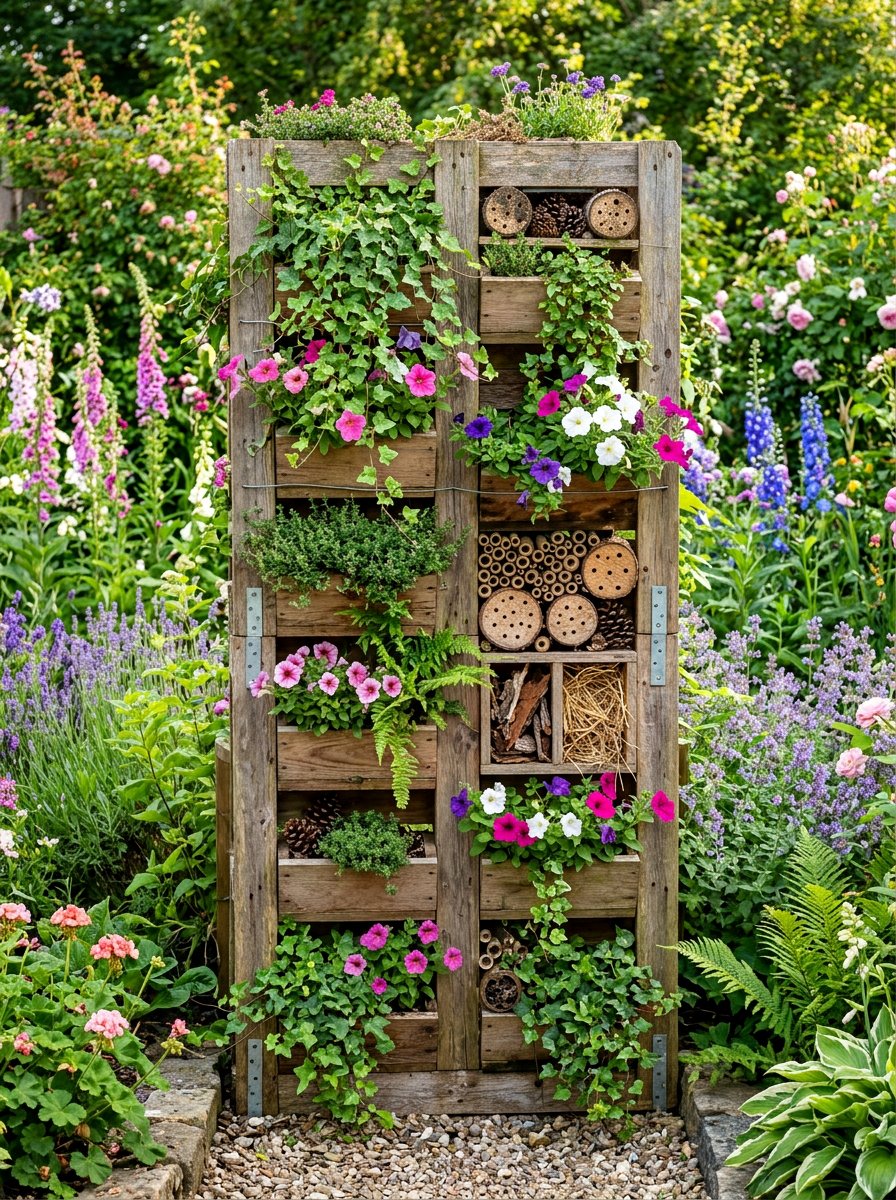
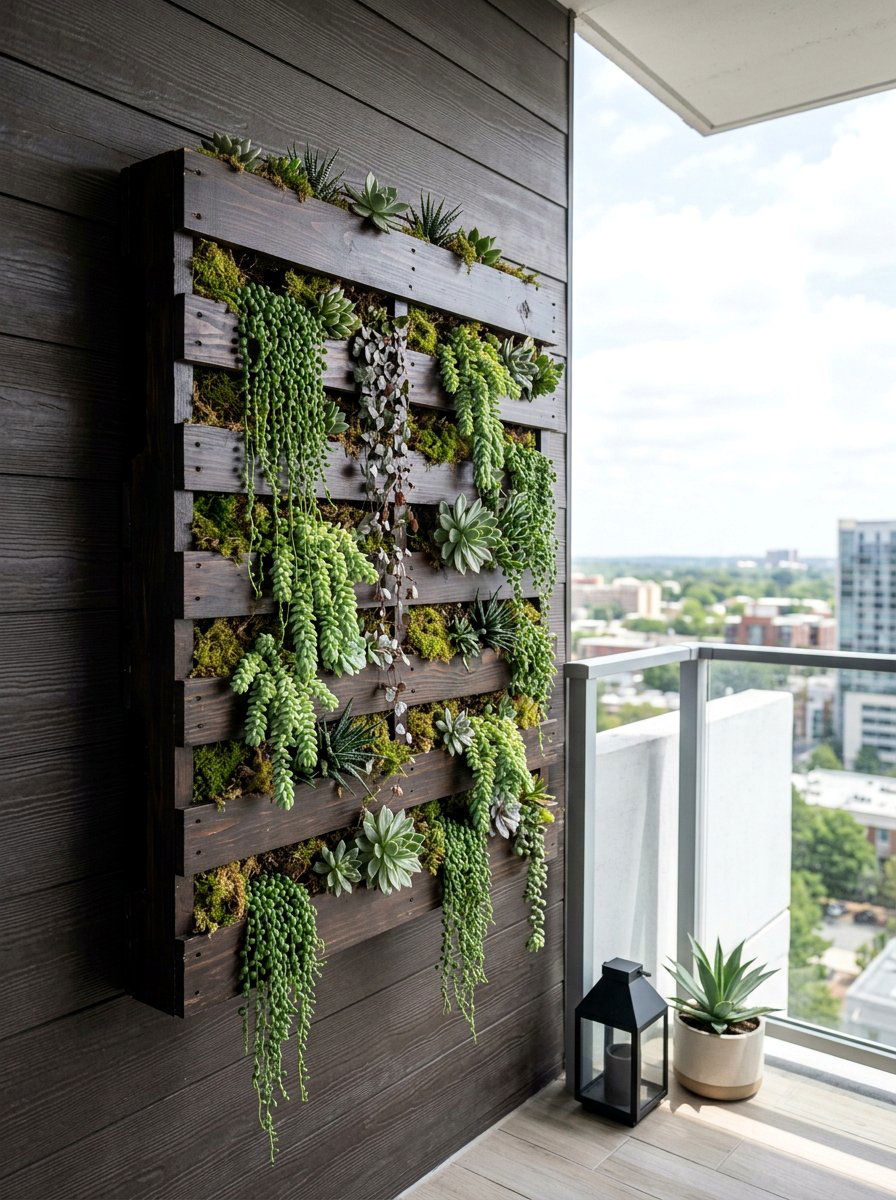
Combining a vertical garden bug sanctuary with your existing greenery creates a beautiful and functional focal point in any backyard. This design uses the upright slots of a pallet to hold both insect-friendly nesting materials and small pockets for drought-tolerant plants or herbs. By integrating vegetation directly into the structure, you provide an immediate food source for the insects living inside. The green foliage adds a soft aesthetic to the rustic wood, making the hotel look like a living part of the landscape. It is a brilliant way to save space while ensuring your garden stays healthy and well-pollinated throughout the growing season. This dual-purpose structure is both practical and visually stunning.
4. Pallet wildlife habitat
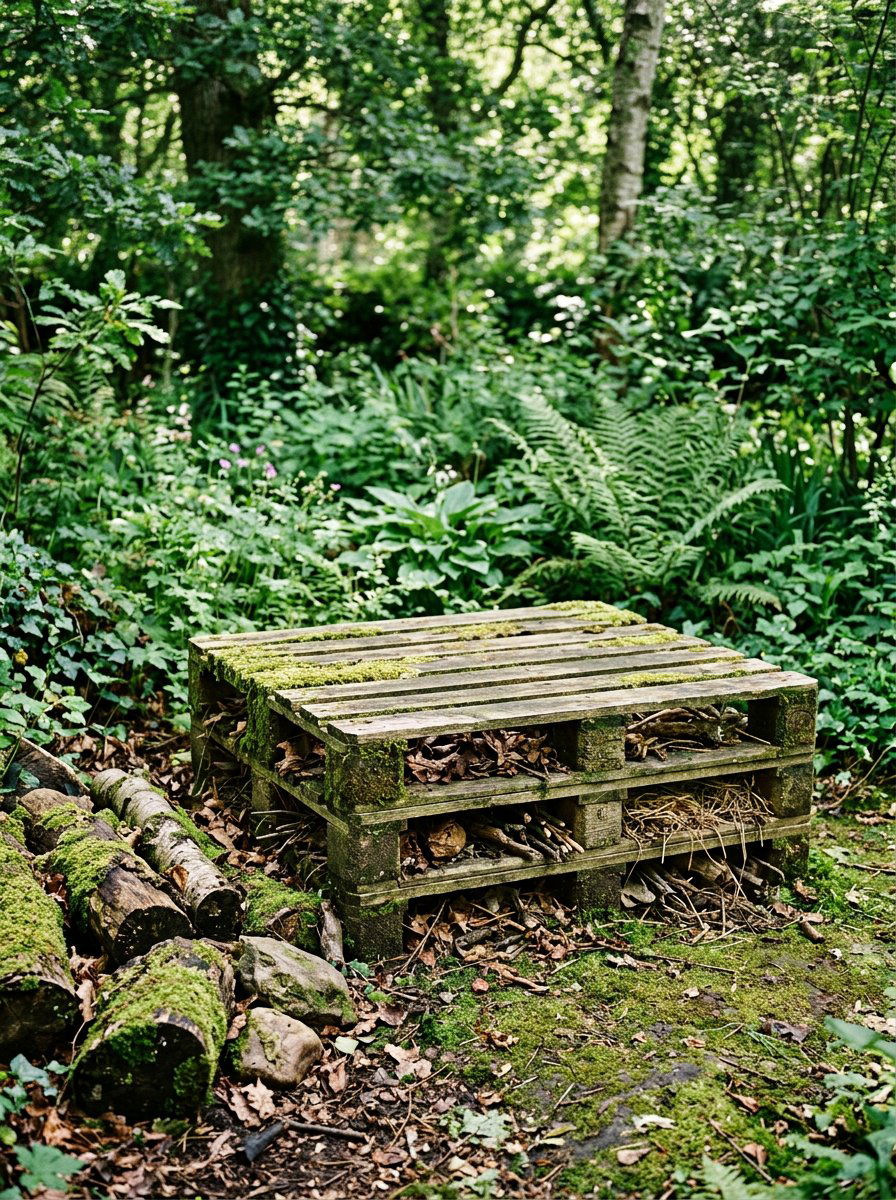
A pallet wildlife habitat goes beyond just housing insects by providing refuge for larger garden visitors like toads or hedgehogs. By leaving the very bottom layer of a stacked pallet structure open and filled with dry leaves or loose soil, you create a cool, damp retreat. The upper sections can still function as traditional bug nesting areas filled with bamboo and straw. This multi-species approach turns a simple wooden pallet into a complete ecosystem hub for your yard. Positioning this habitat in a quiet, shady corner ensures it remains a peaceful sanctuary for all types of beneficial creatures. It encourages a natural balance in your garden, reducing the need for chemical pesticides or interventions.
5. Stacked pallet bee hotel
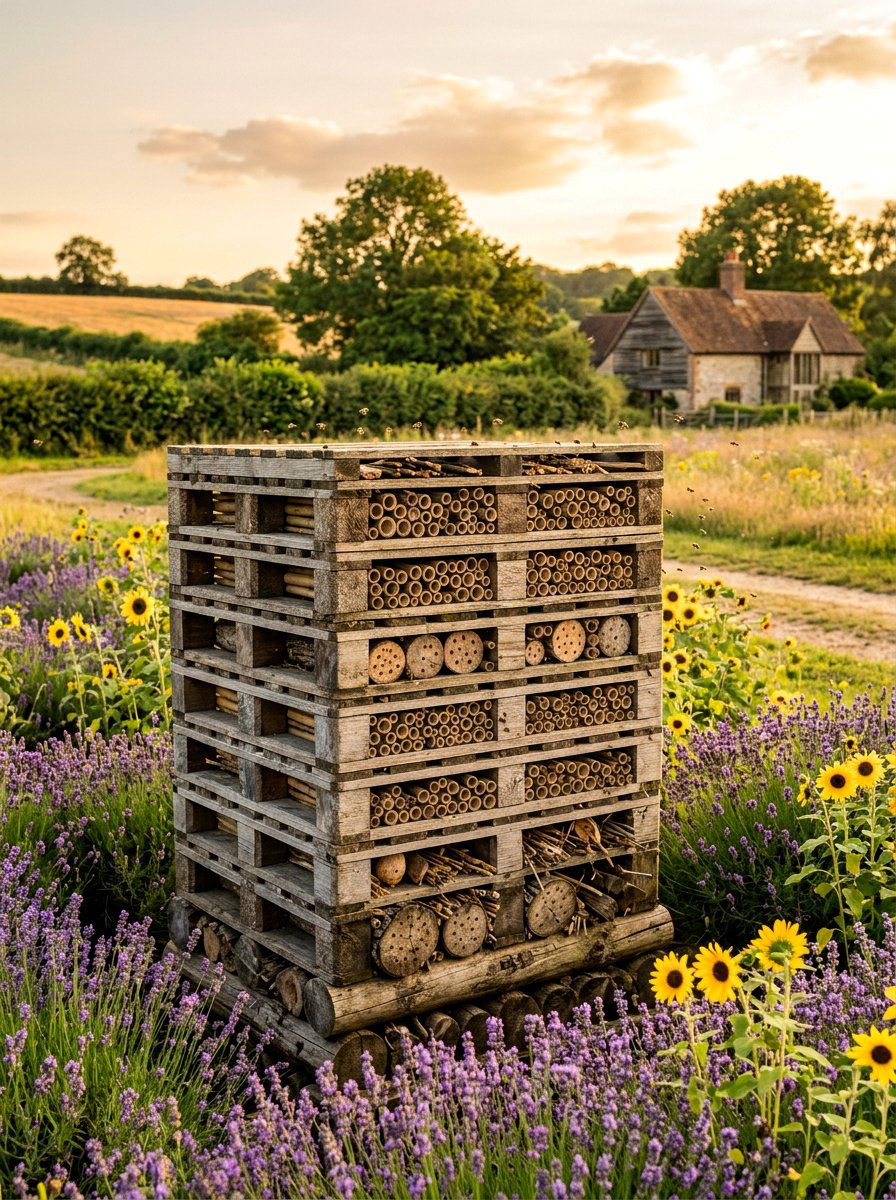
A stacked pallet bee hotel is specifically designed to cater to the needs of solitary bees that do not live in hives. These vital pollinators look for small, tubular holes to lay their eggs and seek shelter during the night. By filling every crevice of a pallet stack with hollow reeds, bamboo sticks, and blocks of wood with pre-drilled holes, you create a high-density nesting site. Placing the structure in a sunny, south-facing spot ensures the bees stay warm and active. The heavy weight of the pallets keeps the hotel stable during windy weather, protecting the fragile larvae inside. This targeted design is one of the most effective ways to boost fruit and flower production.
6. Wall mounted insect shelter
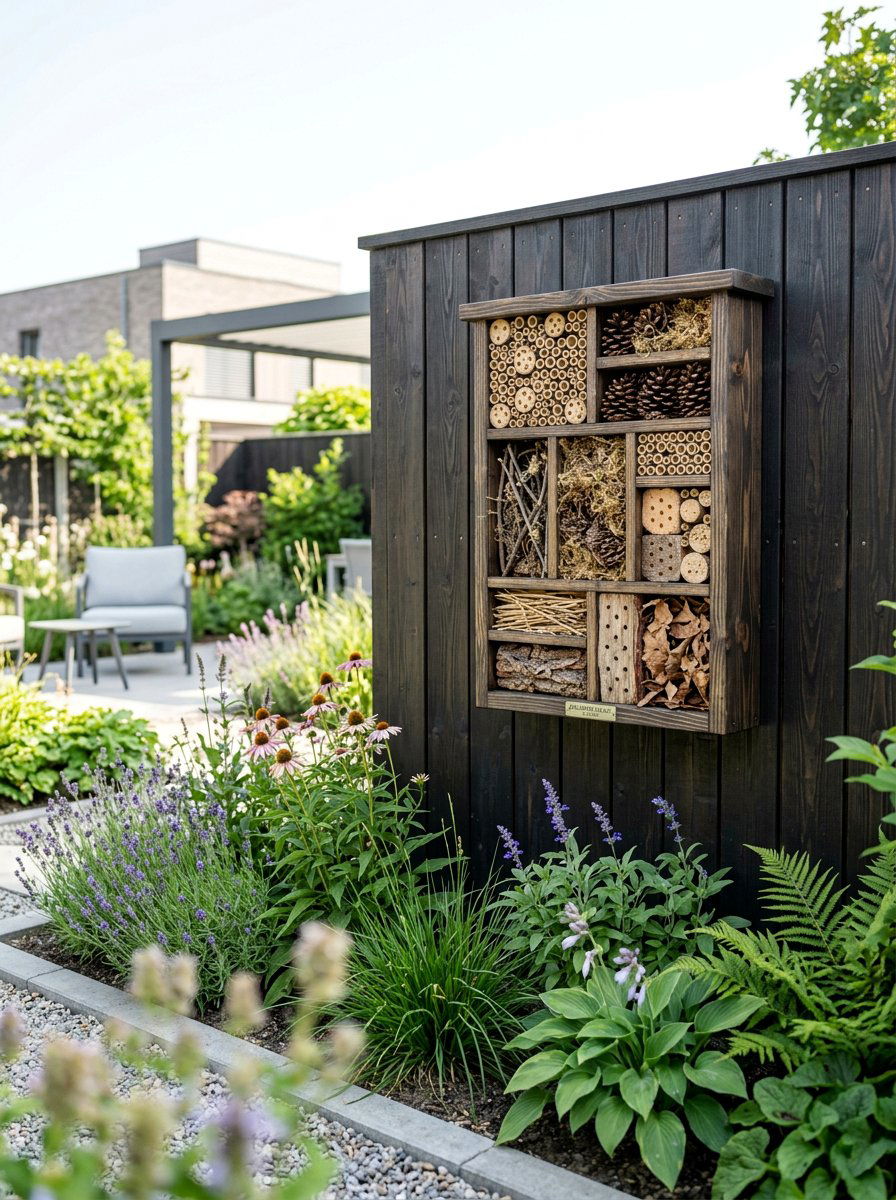
Installing a wall mounted insect shelter is a clever way to utilize vertical surfaces like fences or exterior shed walls. You can disassemble a pallet and use the sturdy planks to create a shallow, framed box that hangs securely at eye level. This design is particularly effective for keeping the nesting materials dry, as it can be placed under the eaves of a roof. Filling the frame with a variety of textures ensures that different insects find their preferred nesting spot. Because it is elevated, it stays away from ground-level moisture and potential predators. It adds a rustic, artisanal touch to your garden walls while serving a very important environmental purpose for your backyard.
7. Wood pallet pollinator house
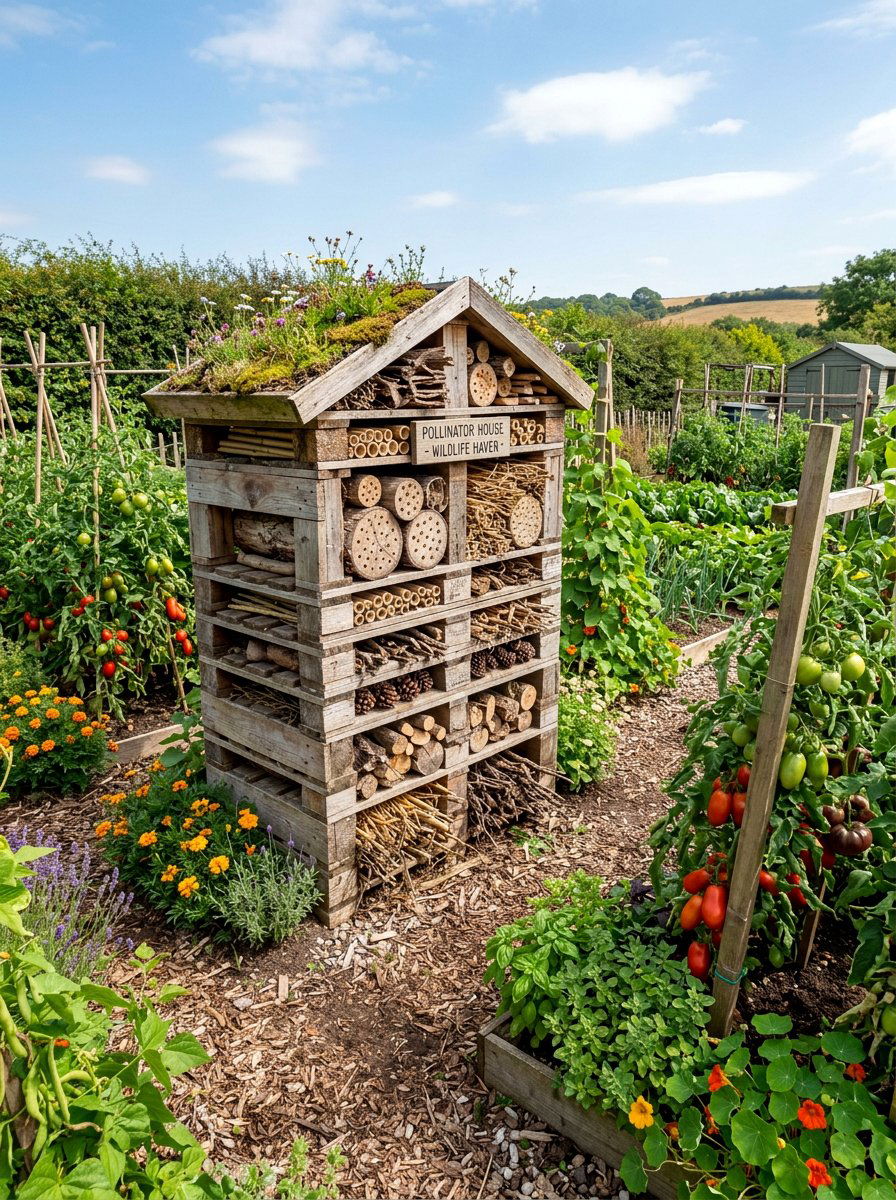
A wood pallet pollinator house focuses specifically on attracting insects that move pollen from one flower to another. To build this, you can create a wide, low-profile structure using pallet slats that houses a massive variety of nesting tubes. Incorporating different hole sizes in the wood blocks will attract various species of bees and wasps that are harmless to humans. It is best to place this house near your vegetable patch or flower borders to maximize its effectiveness. The natural cedar or pine of many pallets is attractive to insects and blends seamlessly into the garden environment. This design ensures your plants get the attention they need to produce a bountiful harvest every single year.
8. Garden corner bug hotel
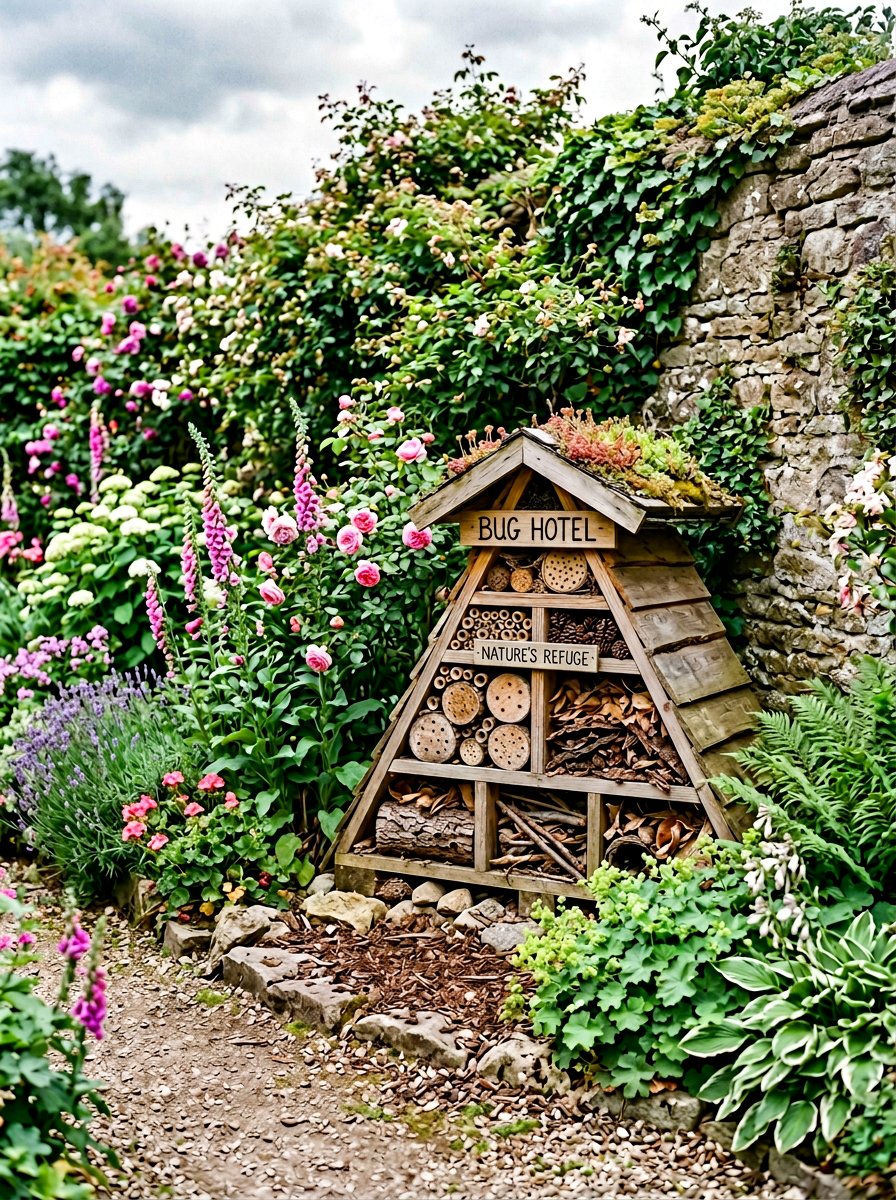
A garden corner bug hotel is the perfect way to make use of those often-neglected, triangular spaces in your yard. By cutting pallet wood at angles, you can create a structure that fits snugly into a corner against a fence or hedge. This location often provides natural protection from harsh winds and driving rain, making it an ideal spot for bugs to hide. You can fill the structure with local materials found around your yard, such as dry grass, bark, and stones. This creates a seamless transition between the manicured parts of your garden and the wilder elements. It is an unobtrusive way to support nature while keeping your landscape looking tidy and well-planned.
9. Recycled wood insect habitat
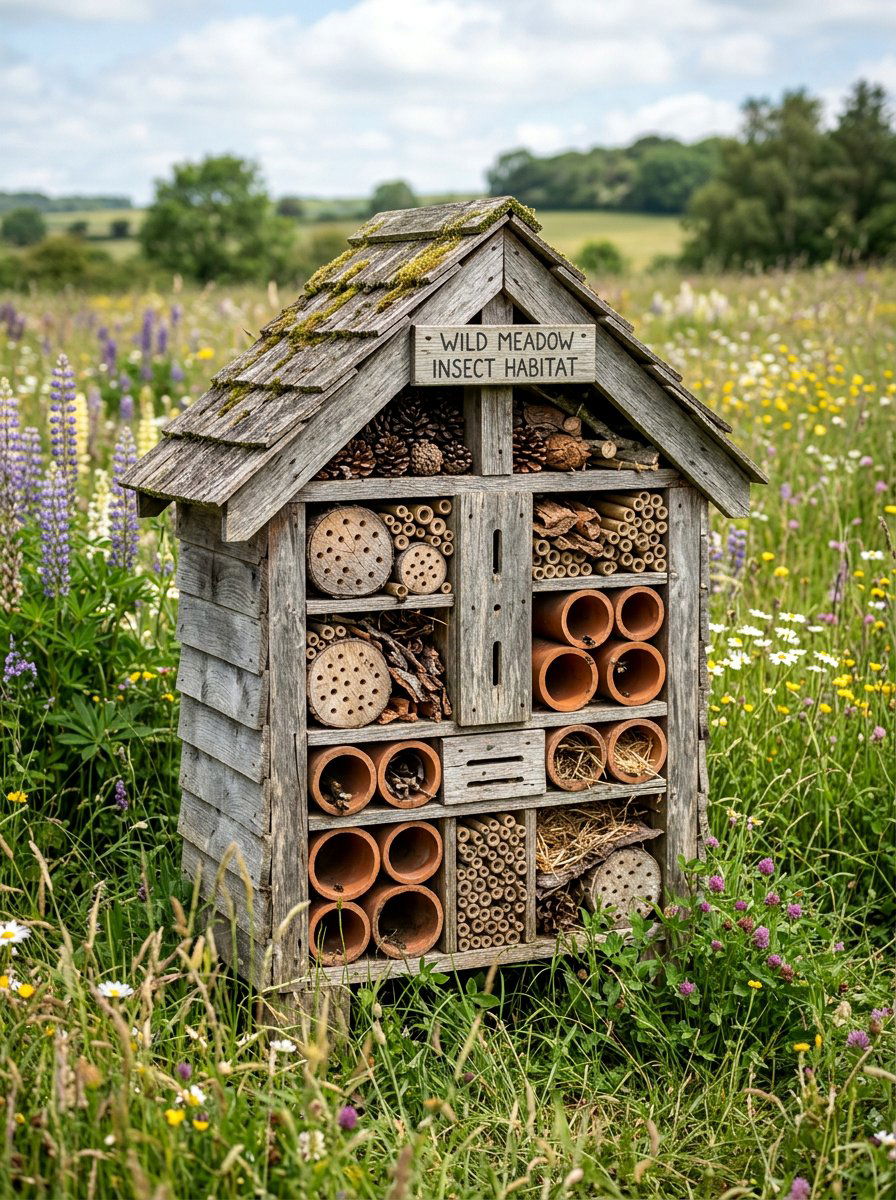
Creating a recycled wood insect habitat is a fantastic project for anyone looking to embrace a zero-waste lifestyle. This design involves taking apart multiple pallets and using the varied wood pieces to build a complex, puzzle-like frame. Instead of a uniform look, you can create different sized compartments to house a diverse range of natural materials. Some sections might hold tightly packed straw, while others feature loose bark or clay pipes. This diversity ensures that everything from tiny mites to larger ground beetles can find a home. The weathered look of recycled wood adds a charming, historical feel to your garden. It proves that beautiful, functional garden features don't have to cost any money at all.
10. Pallet wood ladybug house
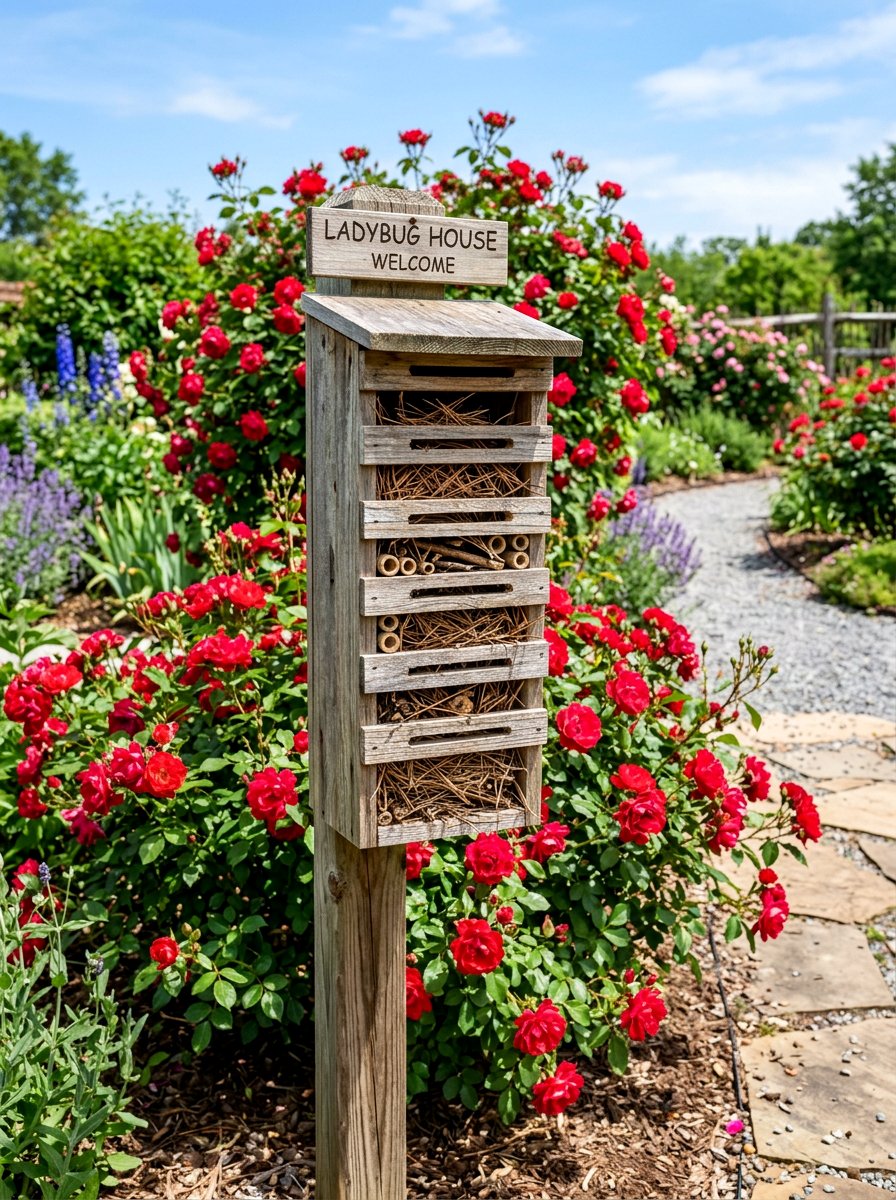
A pallet wood ladybug house is a specialized structure designed to attract these popular beetles that eat garden pests like aphids. Ladybugs prefer flat, narrow crevices where they can crawl in and stay warm during the winter months. You can build this by stacking pallet planks very close together with small spacers in between. Filling these thin gaps with dry leaves or pine needles provides the perfect insulation for hibernating colonies. Because ladybugs are so beneficial for organic gardening, having a dedicated house for them is a smart move. Placing this near rose bushes or other plants prone to pests will keep your garden healthy. It is a simple yet highly effective way to manage your ecosystem.
11. Natural material insect hotel
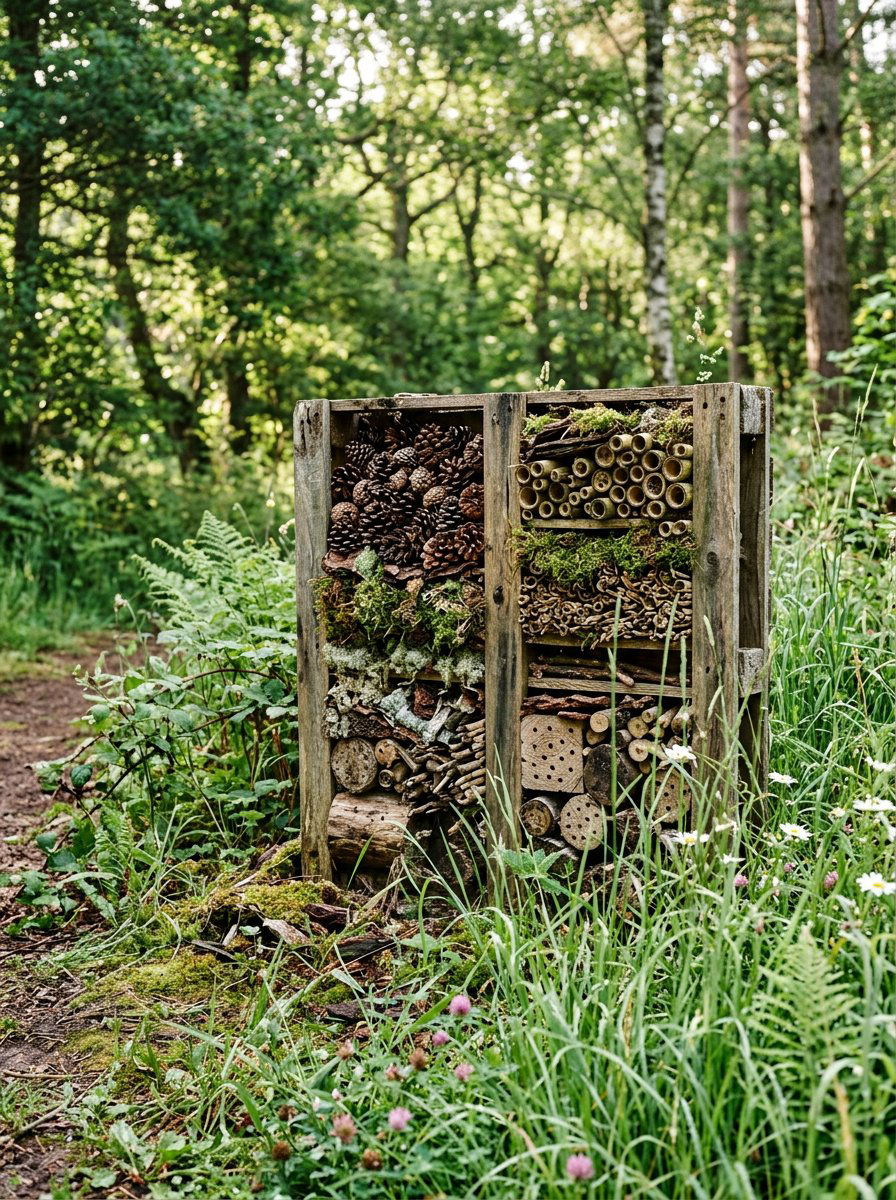
A natural material insect hotel focuses on filling a pallet frame with only organic items sourced directly from your surrounding environment. Using a sturdy pallet as the outer shell, you can pack it tightly with sheep's wool, dried moss, hollow elderberry stems, and pine cones. This approach ensures that the habitat feels familiar and safe to local insect populations. Avoiding plastic or synthetic fillers is crucial for maintaining a healthy environment for the bugs. The varied textures provide different levels of insulation and moisture retention for various species. Over time, the materials will slowly break down, creating a rich environment that mimics a forest floor. It is a beautiful way to bring the wild into your backyard.
12. Wildflower pallet bug house
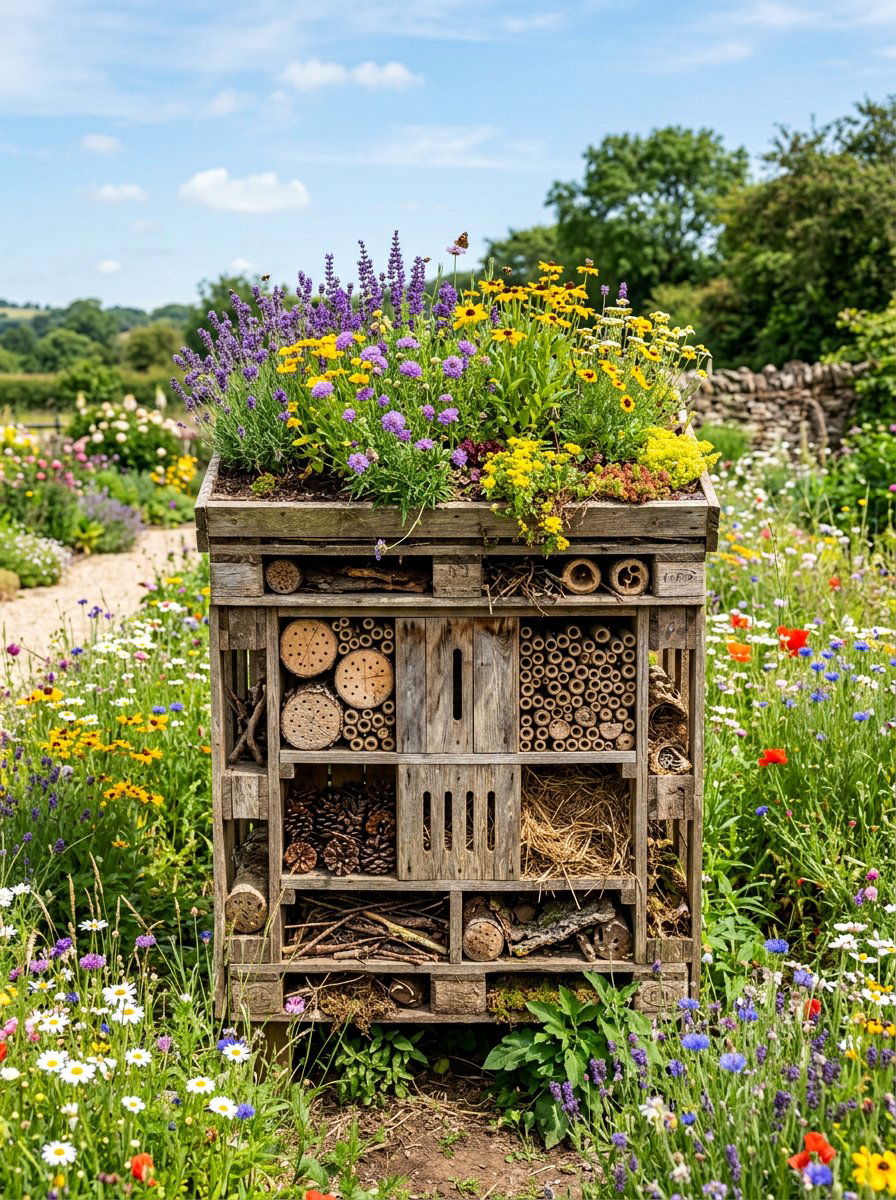
A wildflower pallet bug house integrates a rooftop garden into the insect shelter for maximum ecological impact. You can use the top section of a pallet to create a shallow planting tray filled with native wildflower seeds. Below the flowers, the lower pallet layers are filled with traditional nesting materials like wood and bamboo. As the flowers bloom, they provide an immediate nectar source for the bees and butterflies living directly below. This "bed and breakfast" style arrangement is highly efficient and looks absolutely beautiful in full bloom. The roots of the plants also help to naturally insulate the hotel from extreme heat. This design creates a complete cycle of life in one compact, recycled wooden structure.
13. Herb garden insect shelter
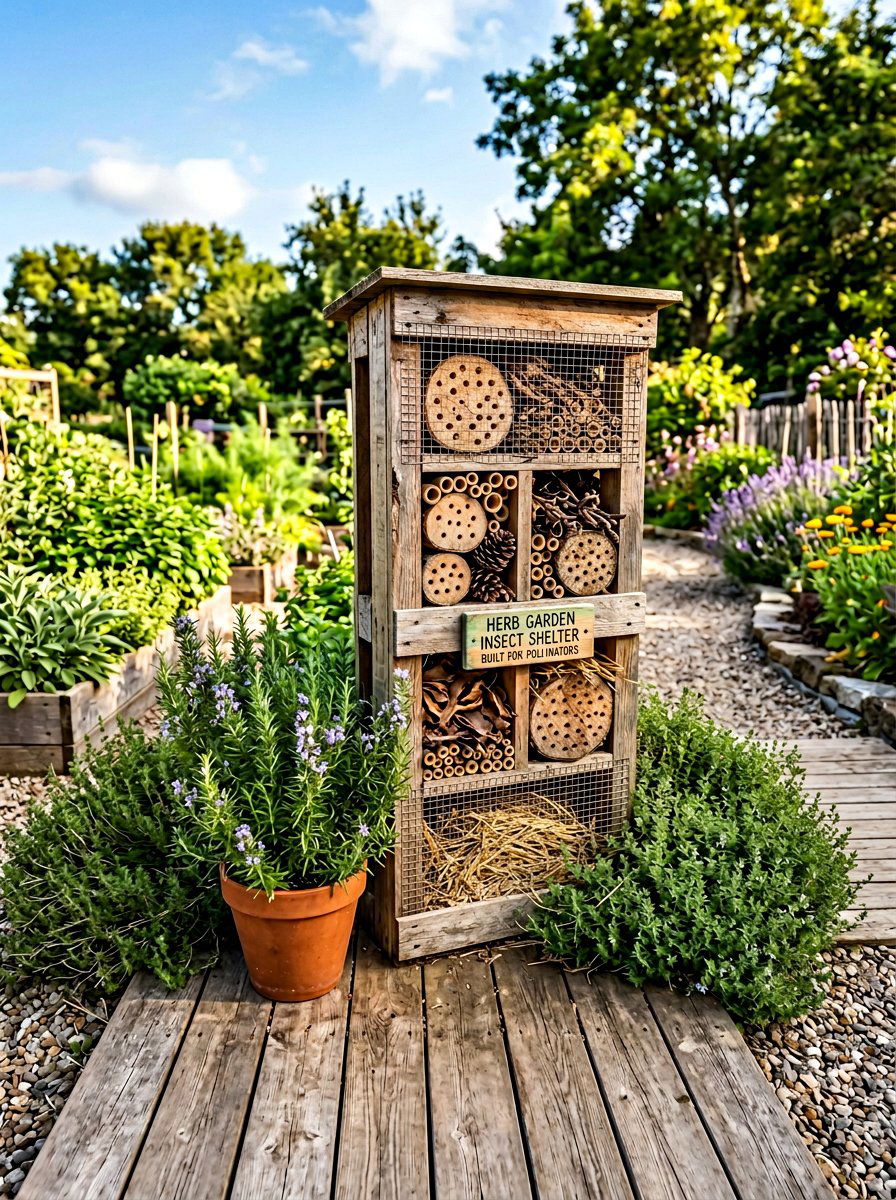
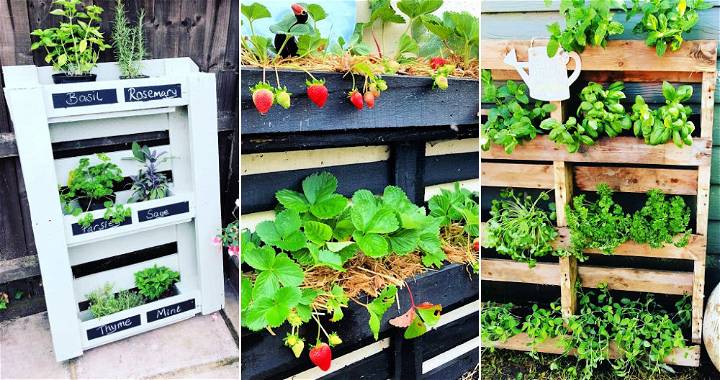
An herb garden insect shelter combines the aromatic beauty of a culinary garden with a functional wildlife habitat. By using the front sections of a pallet for herb planters and the interior gaps for bug nesting, you create a multi-sensory experience. Fragrant herbs like lavender, thyme, and rosemary are known to attract pollinators, making them the perfect companions for an insect hotel. The scent of the herbs can also help deter less desirable pests while welcoming the beneficial ones. This design is perfect for a kitchen garden where you want to encourage natural pollination for your crops. It is a practical, space-saving idea that brings together the best aspects of gardening and conservation in one unit.
14. Large scale pallet bug sanctuary
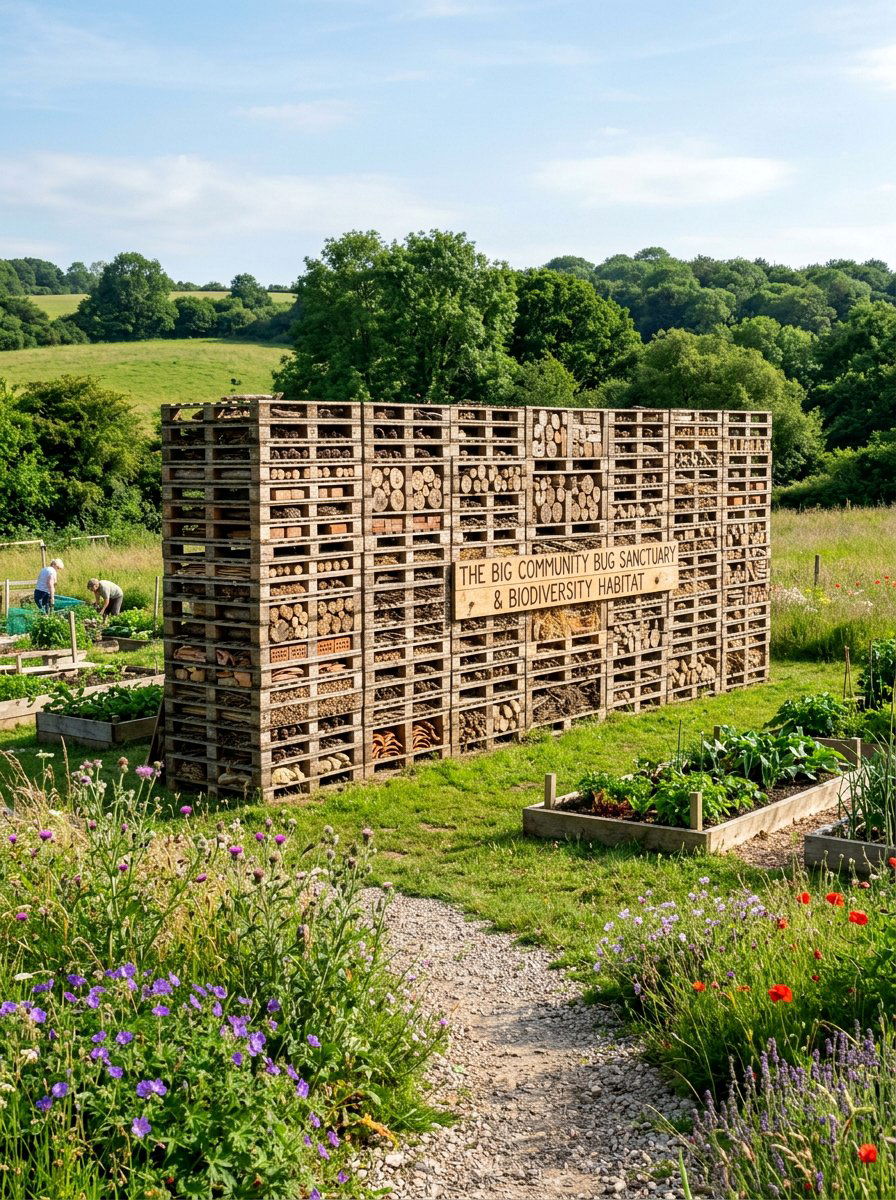
A large scale pallet bug sanctuary is a serious commitment to local conservation that can span several feet in width and height. This project involves using dozens of pallets to create a massive, multi-compartment wall or tower. It is ideal for large rural properties, schools, or community gardens where there is plenty of room for wildlife to thrive. Because of its size, it can support thousands of insects and even small mammals or reptiles. You can get creative with the filling, using large logs, bricks, and even old terracotta pots. A sanctuary of this size acts as a major anchor for the local ecosystem. It demonstrates a deep respect for nature and provides a massive educational opportunity for everyone.
15. Backyard insect tower
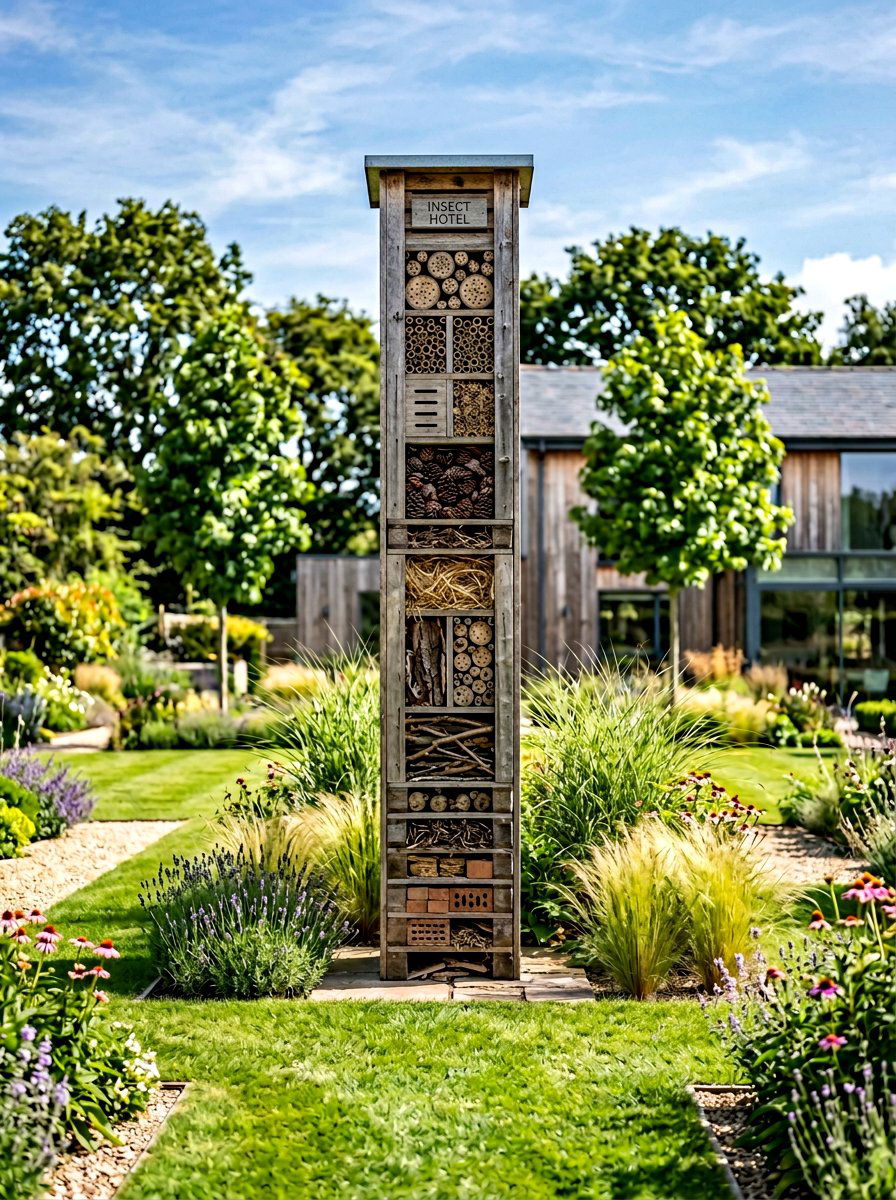
A backyard insect tower is a tall, slender structure made by stacking pallet squares vertically to reach impressive heights. This design is excellent for catching the sunlight above low-lying shrubs, which helps keep the internal temperatures stable for nesting bees. You can secure the tower with a central stake to ensure it doesn't tip over in the wind. Each level of the tower can be dedicated to a different type of material, creating a visual gradient of textures. From a distance, it looks like a piece of modern garden art, but up close, it is a bustling hub of activity. This vertical approach is perfect for adding interest to your landscape while providing essential services to the environment.
16. Bamboo filled pallet hotel
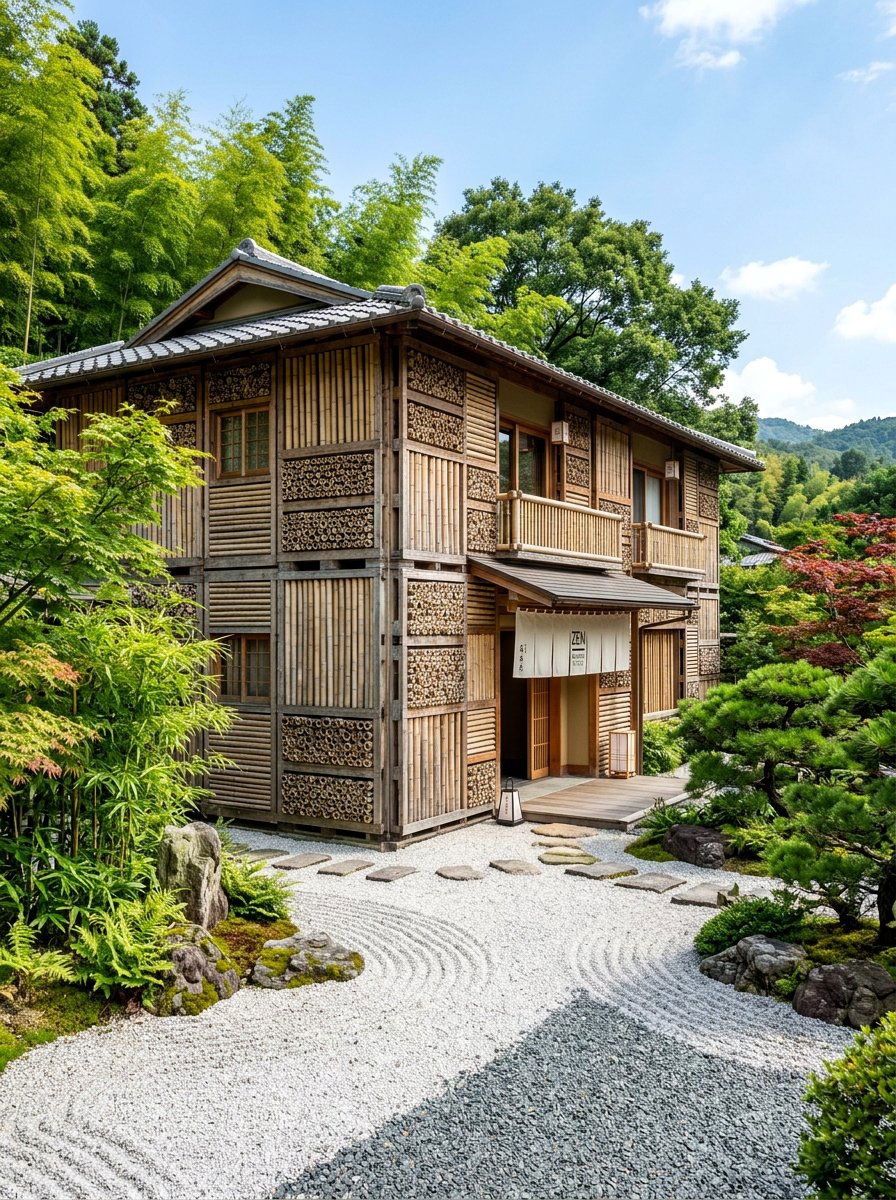
A bamboo filled pallet hotel is one of the most popular designs because it specifically targets the needs of solitary bees. Bamboo is naturally hollow and weather-resistant, making it the perfect "room" for a bee to lay its eggs. By cutting bamboo stalks into lengths that match the depth of your pallet frame, you can create thousands of individual nesting tubes. Tightly packing these into the pallet sections ensures they stay in place and provide a secure environment. The circular patterns of the bamboo ends create a visually pleasing aesthetic that looks organized and clean. It is a highly effective way to ensure your garden is buzzing with life. This design is simple, affordable, and incredibly impactful for nature.
17. Pine cone insect habitat
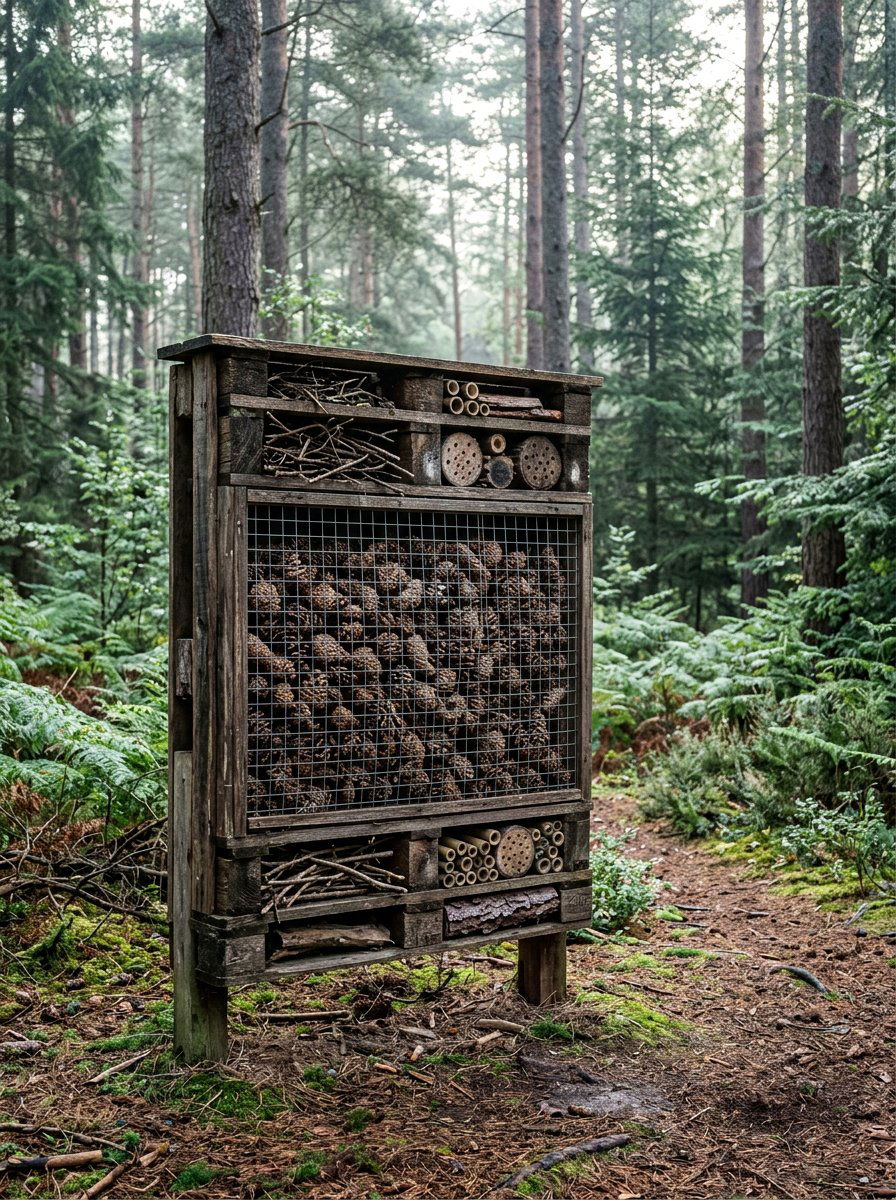
A pine cone insect habitat uses the unique, open structure of dried cones to create a cozy home for many bugs. Pine cones are particularly loved by ladybugs and lacewings, as the scales provide many hiding spots from wind and rain. You can fill several sections of a pallet with pine cones, securing them with a light wire mesh to prevent them from falling out. This material is easy to forage in many areas, making it a budget-friendly filling option. The organic, earthy look of the cones complements the rustic texture of the pallet wood beautifully. It creates a very naturalistic appearance that blends into a woodland-style garden. This habitat is lightweight, breathable, and provides excellent insulation for wintering insects.
18. Hollow stem bug hotel
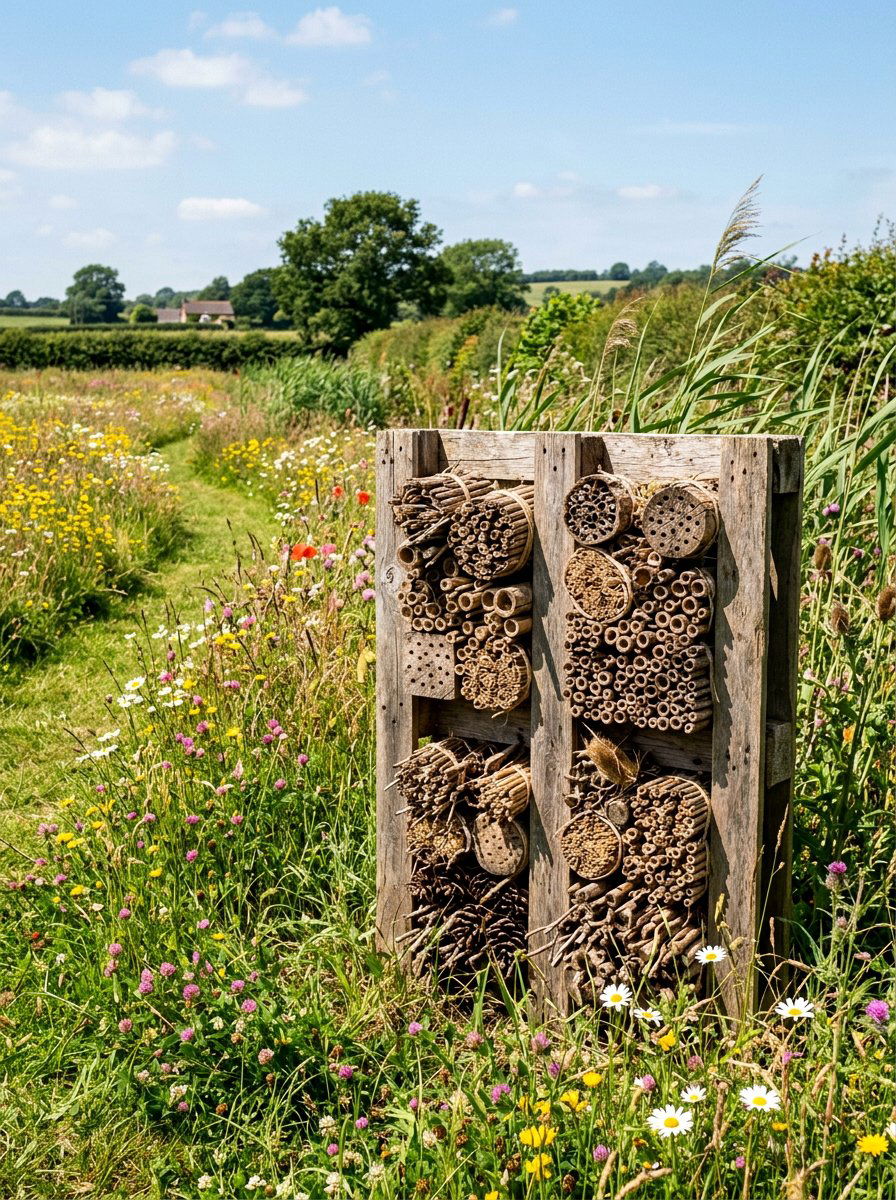
A hollow stem bug hotel focuses on using various plant stalks like teasel, reeds, or raspberry canes to provide nesting sites. Many insects seek out these natural tubes because they are the perfect diameter for protection. By bundling these stems together and fitting them into the gaps of a pallet, you create a diverse range of "apartments" for different species. It is important to ensure the stems are cut cleanly and are not blocked so bugs can easily enter. This design mimics the natural environment where bugs would find shelter in dead plant matter. Using these stems is a great way to clean up your garden at the end of the season while still providing for the wildlife.
19. Layered pallet bug house
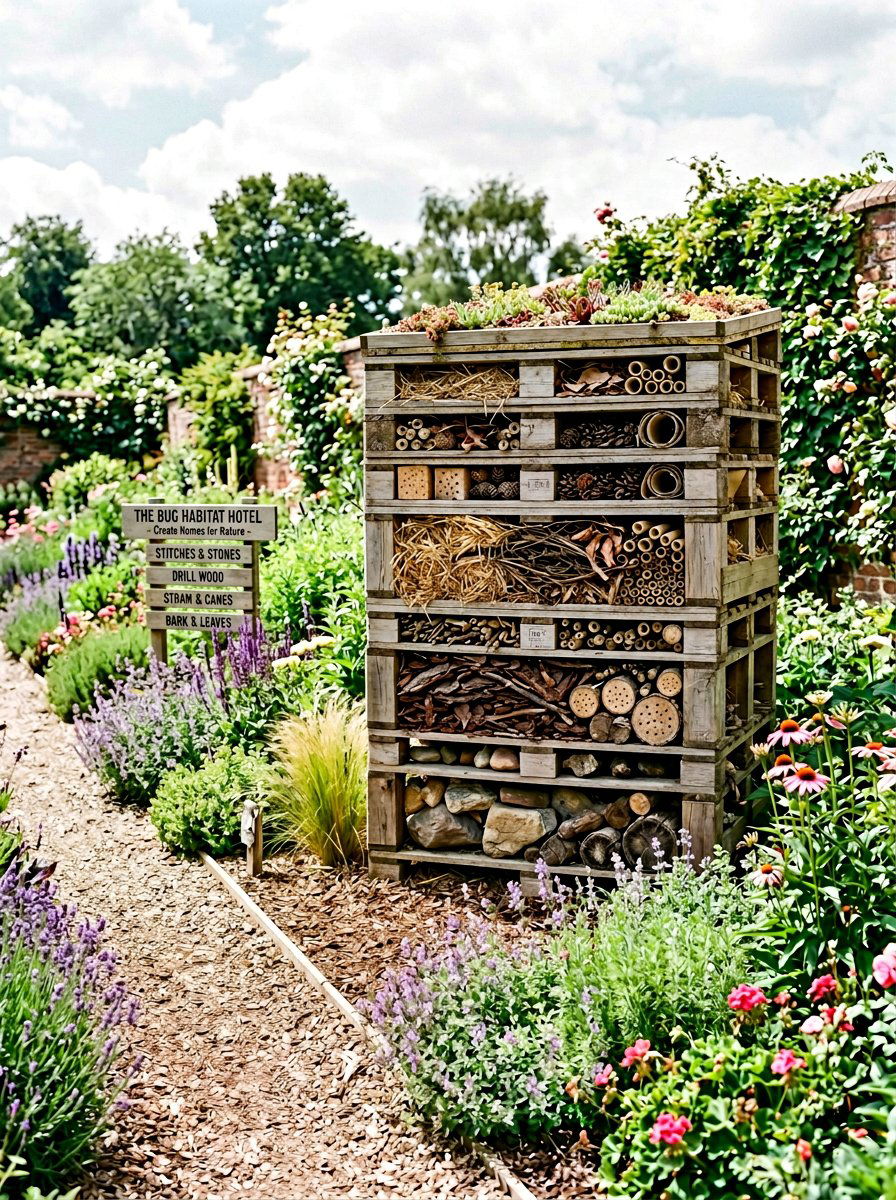
A layered pallet bug house emphasizes the use of horizontal organization to create different climate zones for insects. The bottom layers are often damp and cool, filled with stones or heavy logs for ground-dwelling beetles. The middle layers can be filled with dry leaves and bark, while the top layers hold light straw and bamboo for sun-loving bees. This diversity in one single structure ensures that a wide variety of species can find their perfect environment. By clearly defining these layers, you also create an educational tool to see which bugs prefer which materials. It is a well-rounded approach to insect conservation that addresses the needs of the entire garden food web. This design is both logical and highly functional.
20. Simple pallet insect shelter
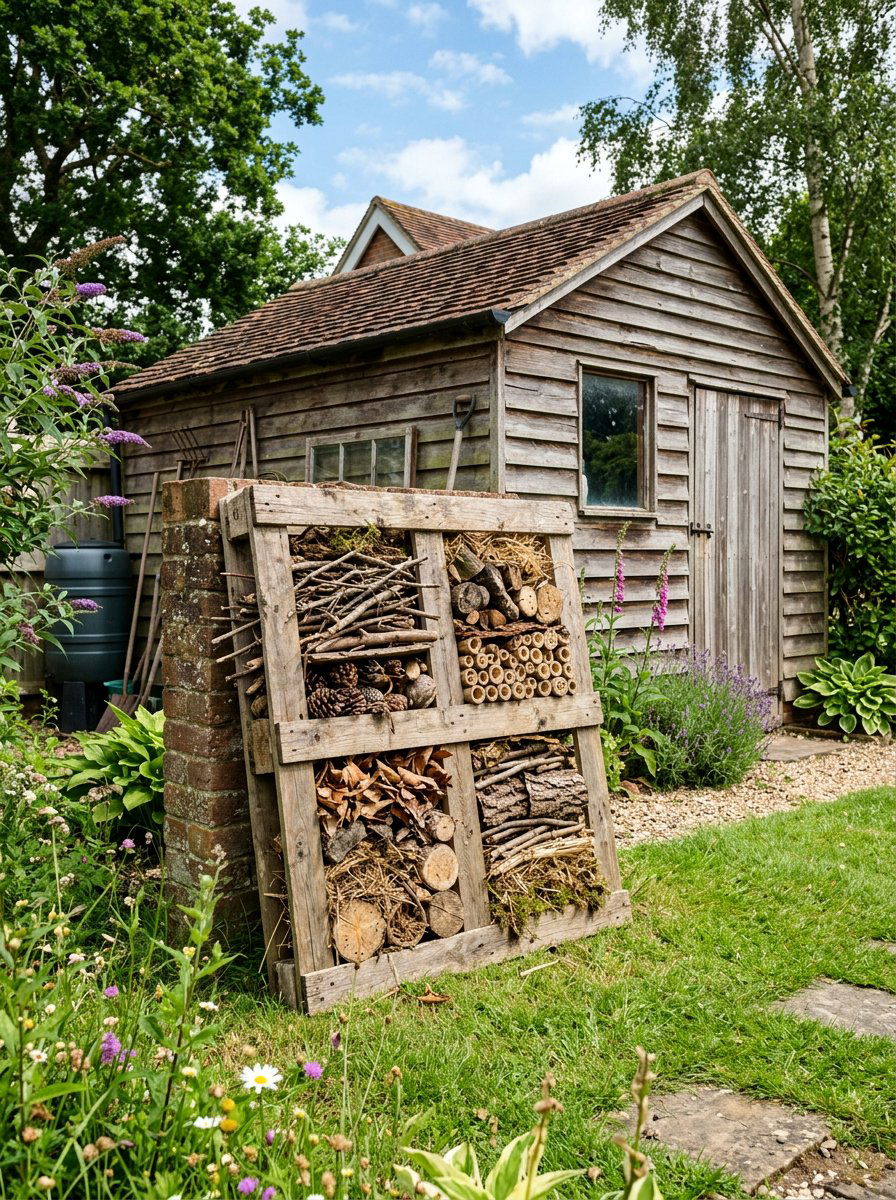
A simple pallet insect shelter is the perfect entry-level project for someone new to DIY garden projects. You don 't need to do any complex cutting or assembly; just standing a pallet upright and filling the slats is enough. You can lean it against a wall or secure it to a couple of posts in the ground. Filling it with whatever natural materials you have on hand, like twigs, grass, and old wood, makes it functional immediately. Even this basic effort can provide a life-saving refuge for many insects during harsh weather. It is a low-stress way to start your journey into wildlife gardening. This simple design proves that helping nature doesn' t have to be complicated or expensive to be effective.
21. Rustic pallet insect hotel
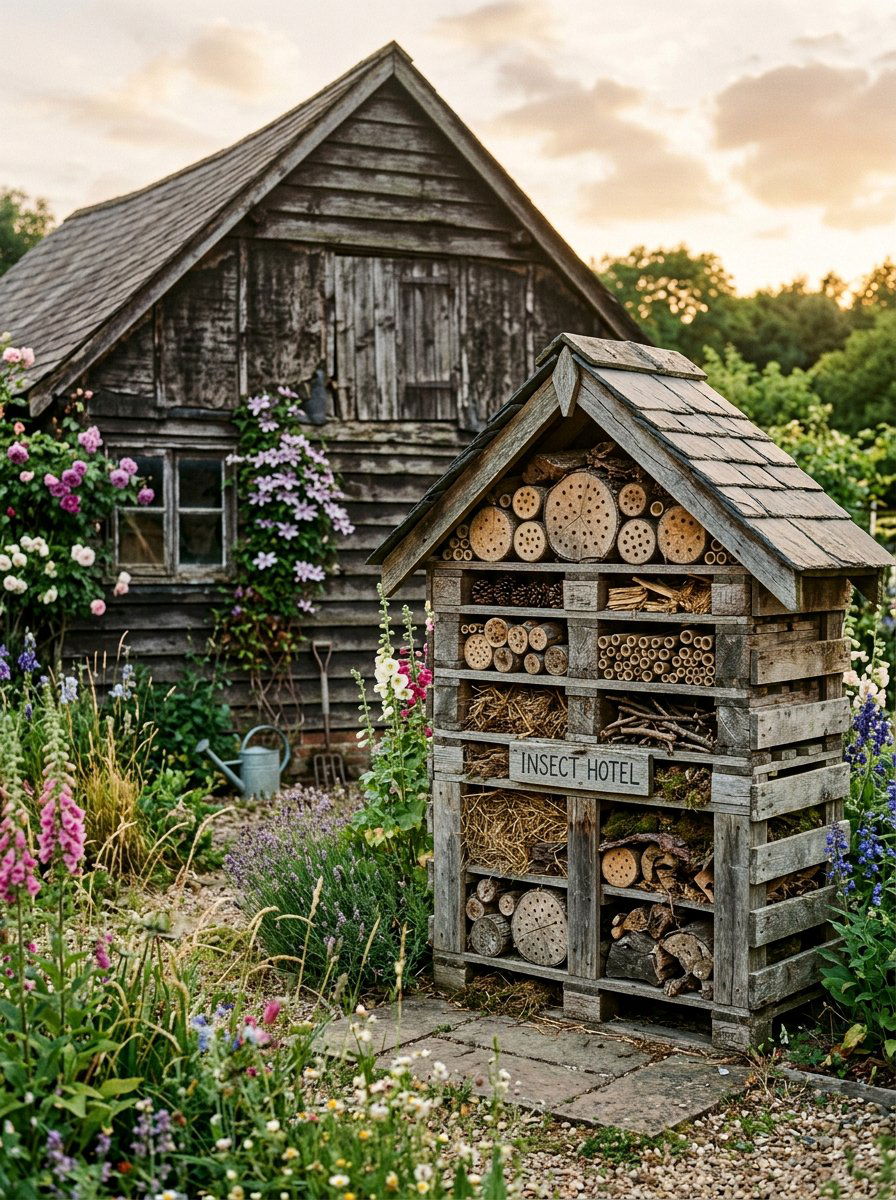
A rustic pallet insect hotel leans into the weathered, aged look of old wood to create a charming garden feature. Instead of painting or sanding the pallet, you leave the natural patina and imperfections to shine through. You can use old roofing tiles or pieces of slate to create a miniature gabled roof on top, which helps shed water. Filling the hotel with rough-cut logs and bark adds to the woodland aesthetic. This design looks right at home in a country-style or cottage garden where a polished look isn't desired. The natural aging of the wood actually makes it more attractive to certain types of bugs that prefer decaying organic matter. It is a beautiful, timeless addition to any outdoor space.
22. Decorative pallet bug house
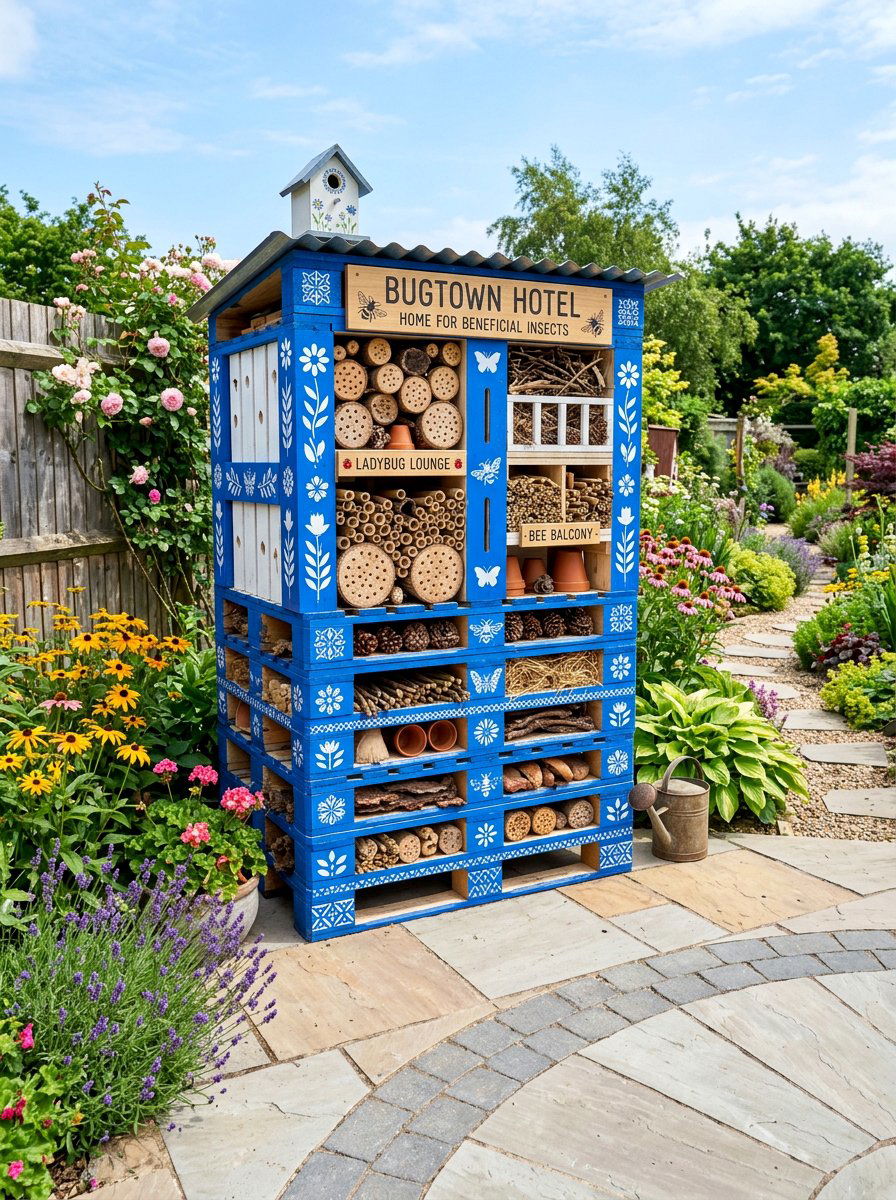
A decorative pallet bug house allows you to express your artistic side while still serving a vital ecological function. You can paint the exterior of the pallet with non-toxic, eco-friendly paints in bright colors to make it a standout piece. Adding decorative elements like stenciled patterns or small wooden carvings can make the hotel look like a piece of art. Inside, you can arrange the nesting materials in patterns, such as spirals of bamboo or stacks of colored bricks. This approach makes the bug hotel a deliberate part of your garden decor rather than just a hidden utility. It is a great way to show that conservation can be beautiful and personalized. Your garden guests will appreciate the home, and you will enjoy the view.
23. Educational garden insect hotel
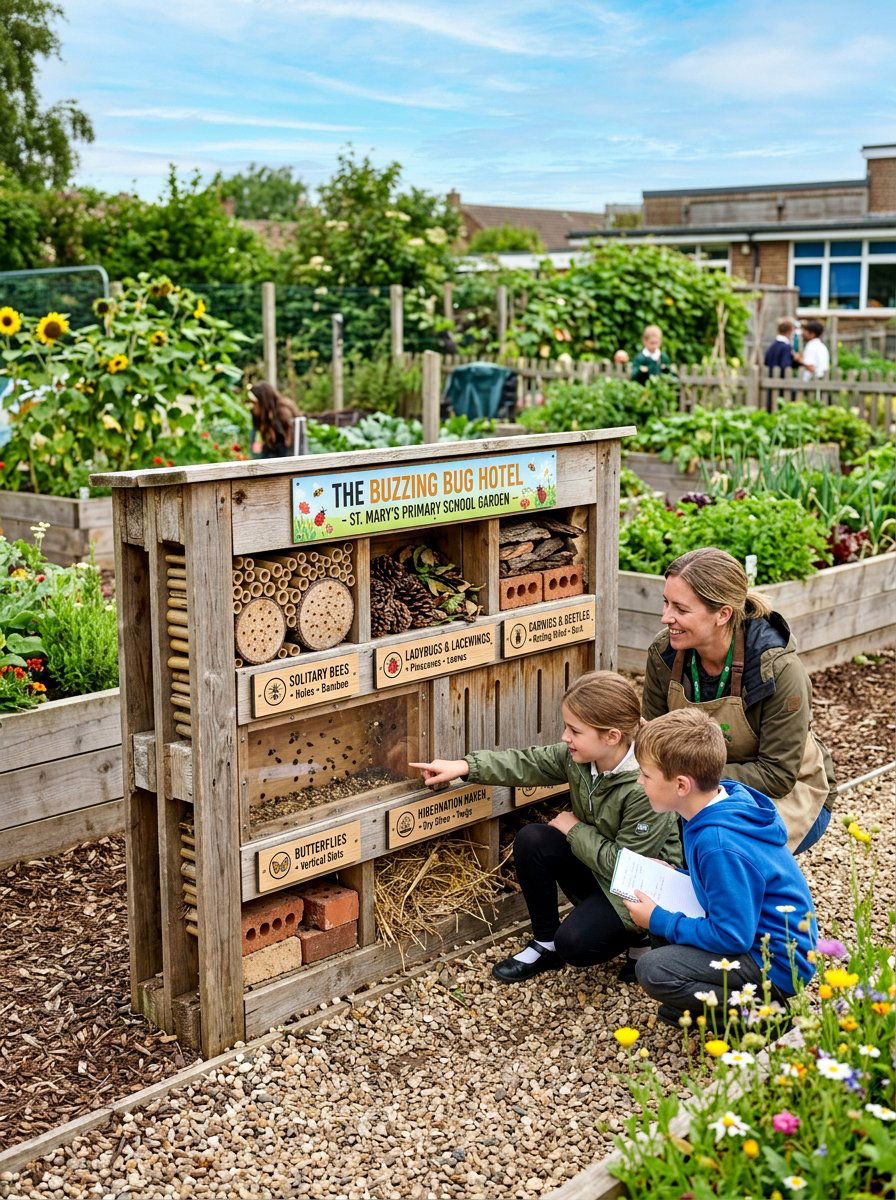
An educational garden insect hotel is designed with visibility in mind, making it perfect for families with curious children. You can use clear plastic tubes or sections of plexiglass in some areas to allow kids to peek inside and see the nesting process. Adding small signs or labels that explain which insects live in which materials turns the hotel into a living classroom. This design encourages the next generation to value and protect the environment. It can be built at a lower height so that children can easily observe the activity. This interactive feature makes nature study accessible and fun right in your own backyard. It is an investment in both your garden 's health and your children' s environmental education.
24. Eco friendly pallet bug sanctuary
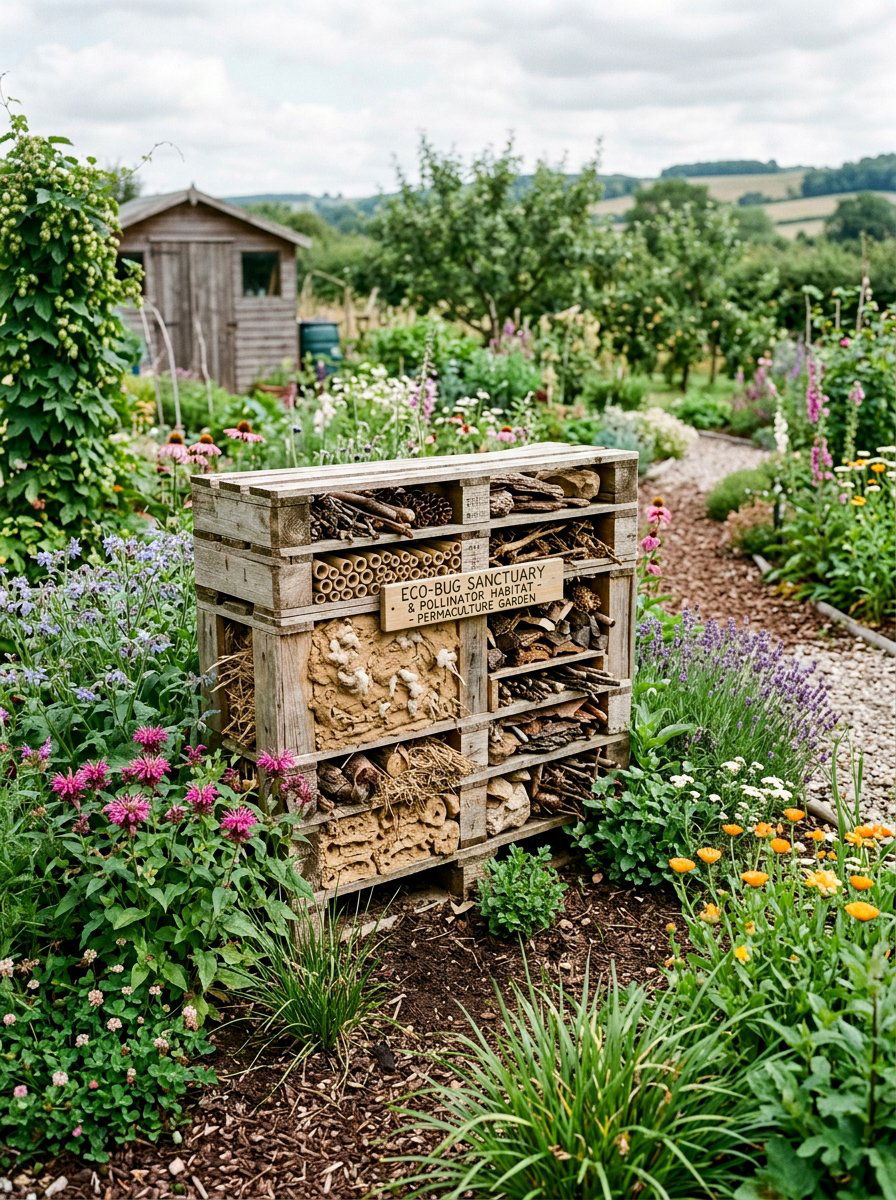
An eco friendly pallet bug sanctuary prioritizes the use of 100% biodegradable and chemical-free materials. This means ensuring the pallets used were not treated with harmful pesticides (look for the "HT" heat-treated stamp). Every component, from the twine used to bundle bamboo to the clay used for plugging holes, is carefully chosen for its low environmental impact. This design often incorporates recycled elements like old clay pots or broken bricks, giving them a new purpose. By focusing on purity, you ensure the insects have a truly healthy place to live and reproduce. This holistic approach to gardening reflects a deep commitment to sustainable living. It is the ultimate way to give back to the Earth using simple, repurposed materials.
25. Sustainable garden insect house
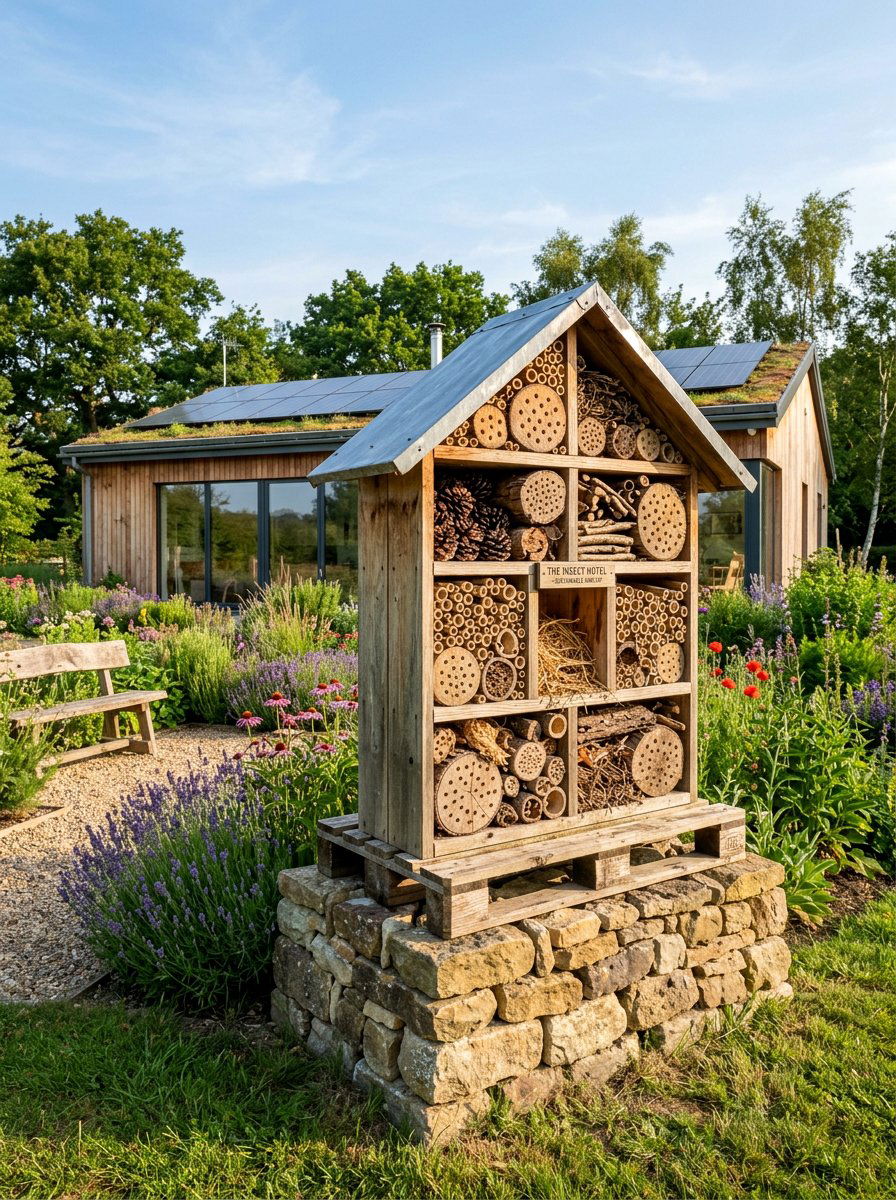
A sustainable garden insect house is built to last, using sturdy pallet construction techniques that withstand the elements for many seasons. By adding a solid roof and lifting the base off the damp ground with stones or bricks, you prevent the wood from rotting prematurely. This longevity is key to sustainability, as it means you won't need to replace the structure frequently. You can also integrate rain-catching elements or small bird feeders to make it a multi-purpose wildlife station. This design is all about efficiency and long-term ecological support. It provides a permanent landmark in your garden that local wildlife can rely on year after year. It is a thoughtful, well-engineered solution for the modern, environmentally-conscious gardener who wants to make a real difference.
Conclusion:
Building a pallet insect hotel is one of the most rewarding and impactful DIY projects you can undertake for your garden. These versatile structures provide essential habitats for the pollinators and pest-controlling bugs that keep our ecosystems in balance. By using recycled pallets, you are choosing an affordable and eco-friendly way to enhance your outdoor space while directly supporting local wildlife. Whether you build a massive multi-layer sanctuary or a simple wall-mounted shelter, every effort counts toward a healthier planet. These hotels not only improve your garden's productivity but also add a unique, rustic charm to your landscape. Start your project today and watch your garden come alive with the buzz of beneficial activity.
Related DIY Ideas to Try: